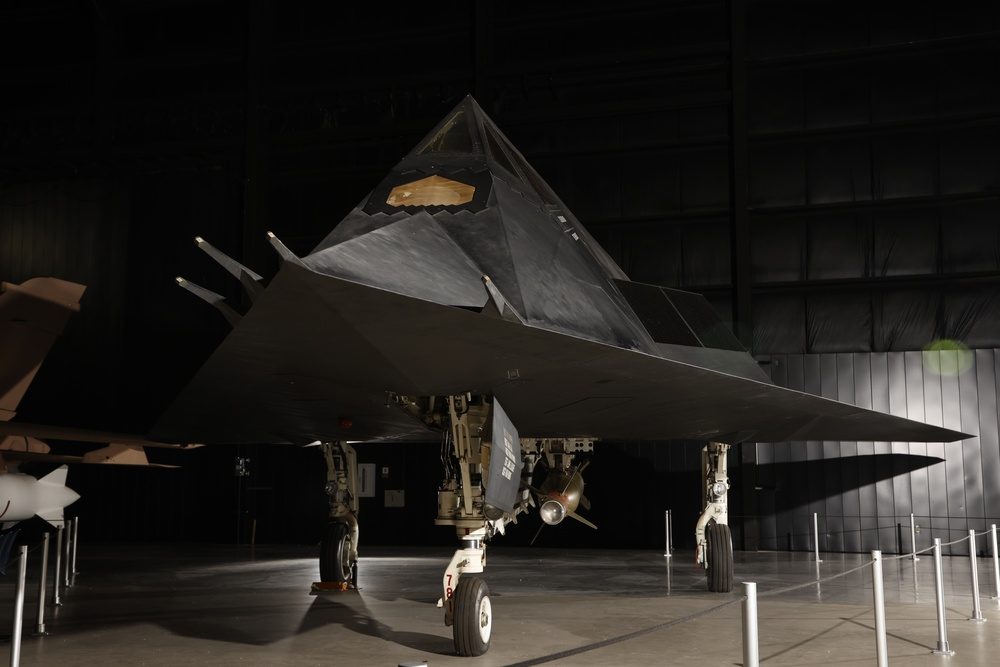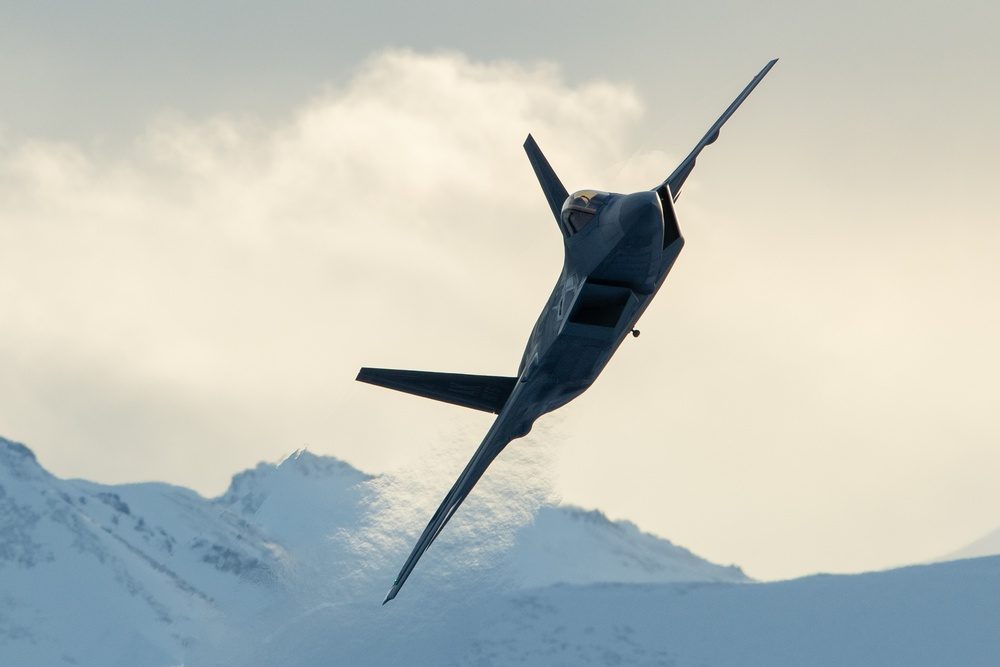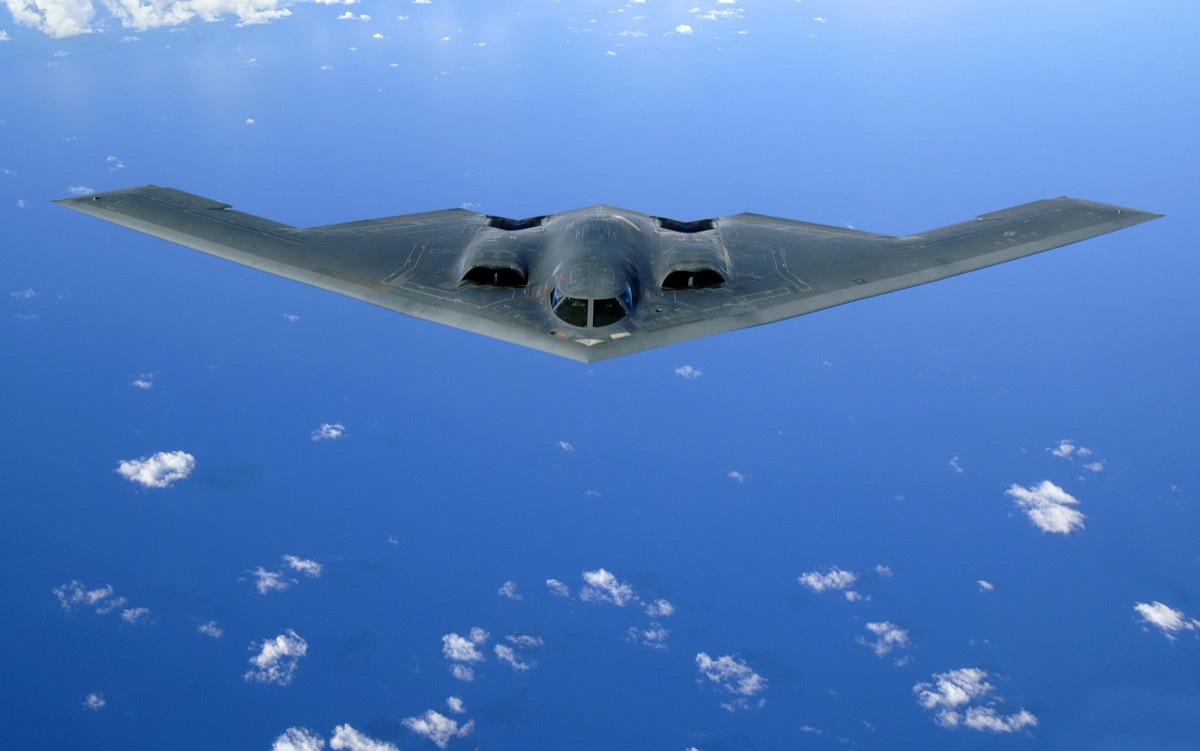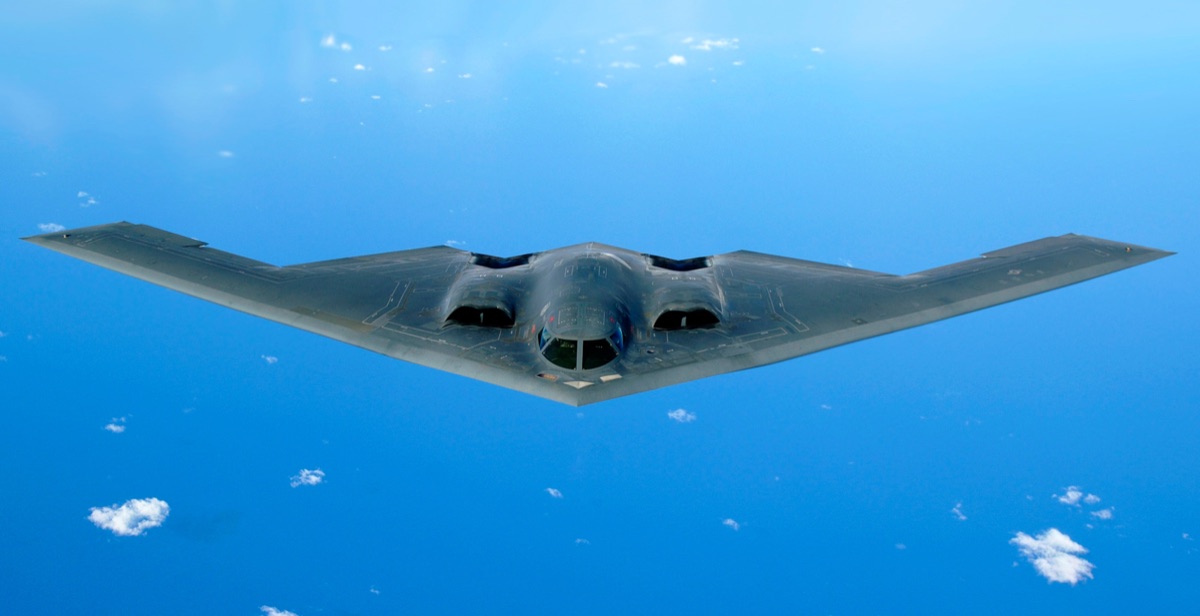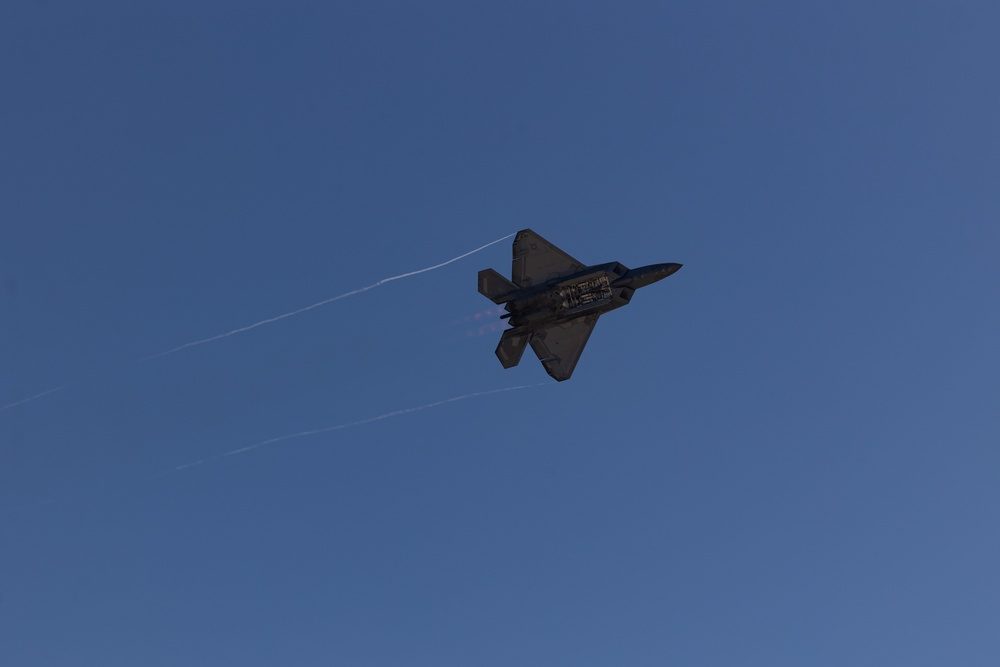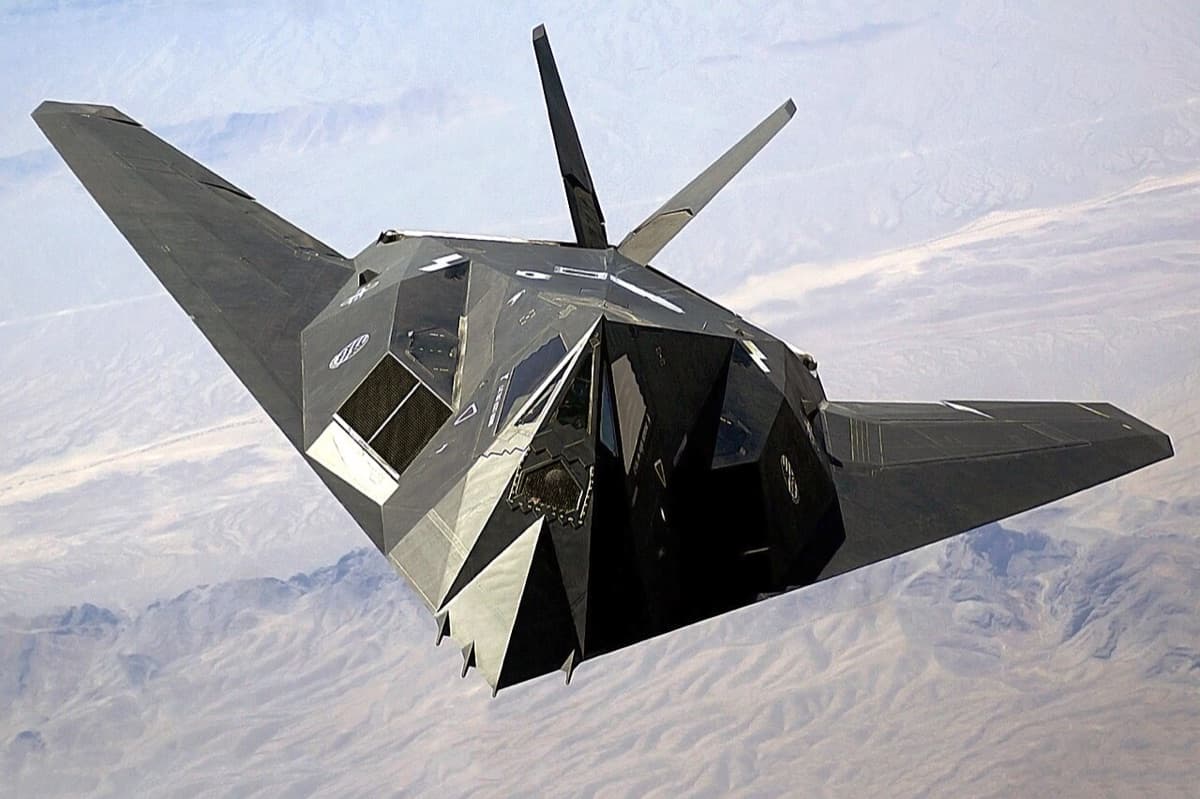

An F-22 Raptor has a radar cross section roughly the size of a marble. A B-52 Stratofortress registers on radar like a barn, reflecting about 100 square meters of electromagnetic energy that scream its position to every air defense system within hundreds of miles. The engineering that separates those two numbers is the most consequential physics problem in modern air combat. Here is how stealth actually works, from the geometry of radar returns to the computing limitations that explain why America's first stealth aircraft looked like a diamond and its second looked like a flying wing.
How Radar Sees an Aircraft
Radar operates on a deceptively simple principle. A ground station or airborne system transmits a pulse of electromagnetic energy. That pulse travels at the speed of light until it strikes an object: an aircraft, a ship, a bird, a rainstorm. Some fraction of that energy bounces back toward the transmitter. The radar receiver calculates the time delay to determine range, the direction of the return to determine bearing, and the strength of the return to estimate size.
The strength of that return is what stealth engineers spend their careers minimizing. It is measured as radar cross section, or RCS, expressed in square meters. But RCS is not simply the physical size of an aircraft. It is the effective size, meaning how much radar energy the aircraft reflects back toward the transmitter. A flat metal plate turned perpendicular to a radar beam reflects almost all the energy straight back. The same plate turned at an angle deflects the energy away. Same plate, same size, dramatically different RCS.
This is the fundamental insight behind stealth: you do not need to absorb all the radar energy. You just need to make sure it bounces somewhere other than back to the receiver.