

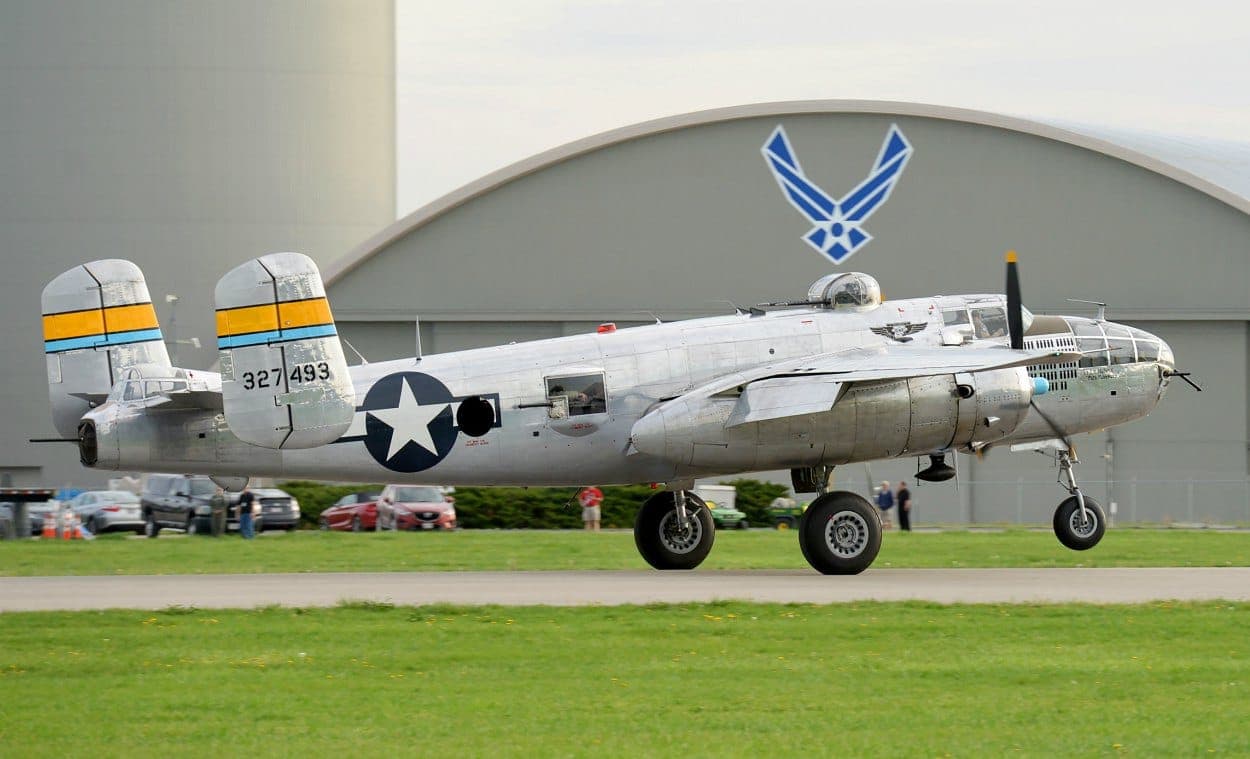
North American B-25 “Mitchell” Bomber
There is perhaps no aircraft more famous, especially during World War II, than the B-25. Its high-rate of production, versatility, and use by several Allied countries makes it one of…
michael-trent··3 min read
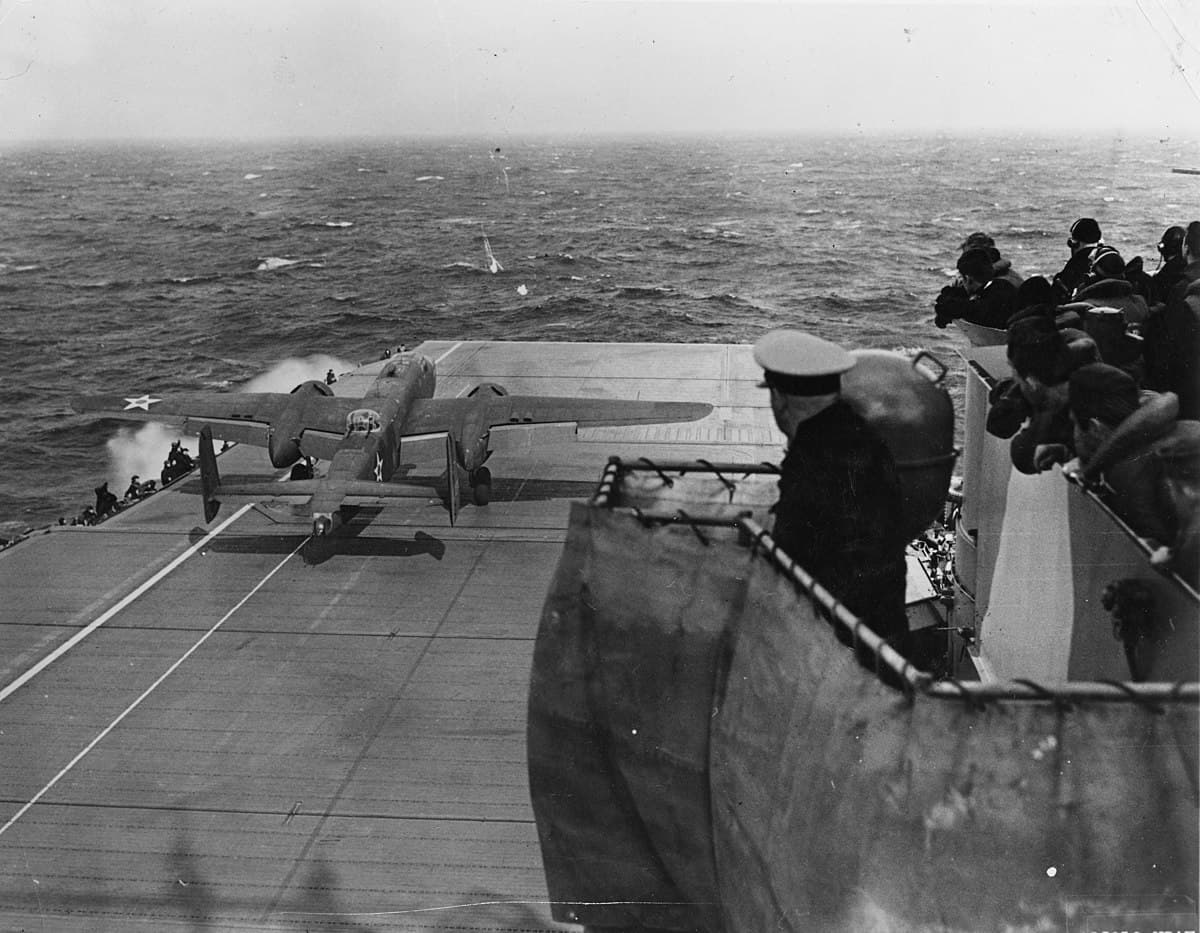
Sixteen B-25 Mitchell bombers launched from the aircraft carrier USS Hornet and struck Tokyo and other Japanese cities in the first air raid on the Japanese home islands. Led by Lieutenant Colonel James "Jimmy" Doolittle, the daring raid boosted American morale just four months after Pearl Harbor.
Related articlePaul Revere, William Dawes, and Samuel Prescott rode through the Massachusetts countryside warning colonists of approaching British troops. Revere's ride became one of the most famous acts of the American Revolution, immortalized by Longfellow's poem.
Sixteen B-25 bombers launched from USS Hornet and struck Tokyo in the first air raid on the Japanese home islands. The daring raid boosted American morale four months after Pearl Harbor.
Related articleAmerican P-38 Lightning fighters intercepted and shot down a Japanese bomber carrying Admiral Isoroku Yamamoto, architect of the Pearl Harbor attack, over Bougainville. It was the longest fighter-intercept mission of the war, flying 430 miles over open ocean.
Beloved war correspondent Ernie Pyle was killed by Japanese machine gun fire on the island of Ie Shima near Okinawa. Pyle had covered the war from the common soldier's perspective and was one of the most widely read journalists in America.
Task Force 58 launched 650 aircraft against Kyushu airfields that were staging kamikaze attacks against the Okinawa invasion force. The strikes suppressed Japanese air operations for four critical days.
France, West Germany, Italy, and the Benelux countries signed the Treaty of Paris establishing the European Coal and Steel Community. The economic integration had explicit military purpose: preventing future European wars by pooling heavy industry essential to armament.
A suicide truck bomb destroyed the U.S. Embassy in West Beirut, killing 63 people including 17 Americans. Among the dead were eight CIA officers, the agency's worst single-day loss to that point. The attack marked the beginning of modern Islamist terrorism against U.S. forces abroad.
The US Navy launched the largest American naval engagement since WWII against Iranian forces in the Persian Gulf. In retaliation for the mining of USS Samuel B. Roberts, US forces sank or damaged six Iranian vessels and destroyed two oil platforms.
U.S. Navy destroyers and cruisers engaged and sank the Iranian frigate Sahand and the missile boat Joshan in the central Persian Gulf, the largest American surface engagement since World War II.
Israel concluded Operation Grapes of Wrath, a 16-day air and artillery campaign against Hezbollah positions in southern Lebanon. The operation employed F-16 and F-15I strike aircraft, AH-64 Apache attack helicopters, and precision artillery, and prompted a written ceasefire understanding that shaped Israeli-Hezbollah conflict rules through the 2006 war.

Duchess of Ferrara
Daughter of Pope Alexander VI whose family's military intrigues shaped Renaissance Italy. Her brother Cesare Borgia's military campaigns were studied by Machiavelli as a model of ruthless statecraft.

Major General
First Native American (Osage) to reach the rank of major general. He was killed in action leading a bombing mission at the Battle of Midway, the highest-ranking officer of Native American descent to die in combat during WWII.

War Correspondent
Pulitzer Prize-winning war correspondent who covered WWII from the perspective of the ordinary soldier. He was killed by Japanese gunfire on Ie Shima and was mourned by millions of Americans who felt they had lost a personal friend.

Physicist
Theoretical physicist whose letter to FDR in 1939 warning of German nuclear research helped launch the Manhattan Project. His equation E=mc² provided the theoretical basis for nuclear weapons.
Wear the Timeline
10 military events occurred on April 18, spanning multiple centuries. Key events include: The Doolittle Raid on Tokyo (1942), Paul Revere's Midnight Ride (1775), Operation Vengeance, Yamamoto Shot Down (1943), Operation Praying Mantis (1988).
The most significant military event on April 18 is The Doolittle Raid on Tokyo (1942). Sixteen B-25 Mitchell bombers launched from the aircraft carrier USS Hornet and struck Tokyo and other Japanese cities in the first air raid on the Japanese home islands. Led by Lieutenant Colonel James "Jimmy" Doolittle, the daring raid boosted American morale just four months after Pearl Harbor.
Notable military figures born on April 18 include Lucrezia Borgia (1480–1519), Clarence Tinker (1887–1942).
Events on April 18 span World War II, the Colonial & Revolutionary era, the Modern Era, the Cold War, covering 10 events across 2 centuries of military history.
Events on April 18 involve 6 branches of the U.S. and allied armed forces, reflecting the global scope of military operations throughout history.
Explore military history from the day you were born.
June 6
The Allied invasion of Normandy, the largest amphibious assault in history.
December 7
Japan attacks the U.S. Pacific Fleet, bringing America into World War II.
September 11
The deadliest terrorist attack in history transforms U.S. national security.
August 6
The first atomic bomb is dropped on a city, ushering in the nuclear age.
May 8
Nazi Germany surrenders unconditionally, ending World War II in Europe.
November 11
Armistice Day marks the end of World War I and honors all who served.
June 4
The turning point of the Pacific War as the U.S. Navy destroys four Japanese carriers.
July 4
The Declaration of Independence is adopted, sparking the American Revolution.
There is perhaps no aircraft more famous, especially during World War II, than the B-25. Its high-rate of production, versatility, and use by several Allied countries makes it one of…
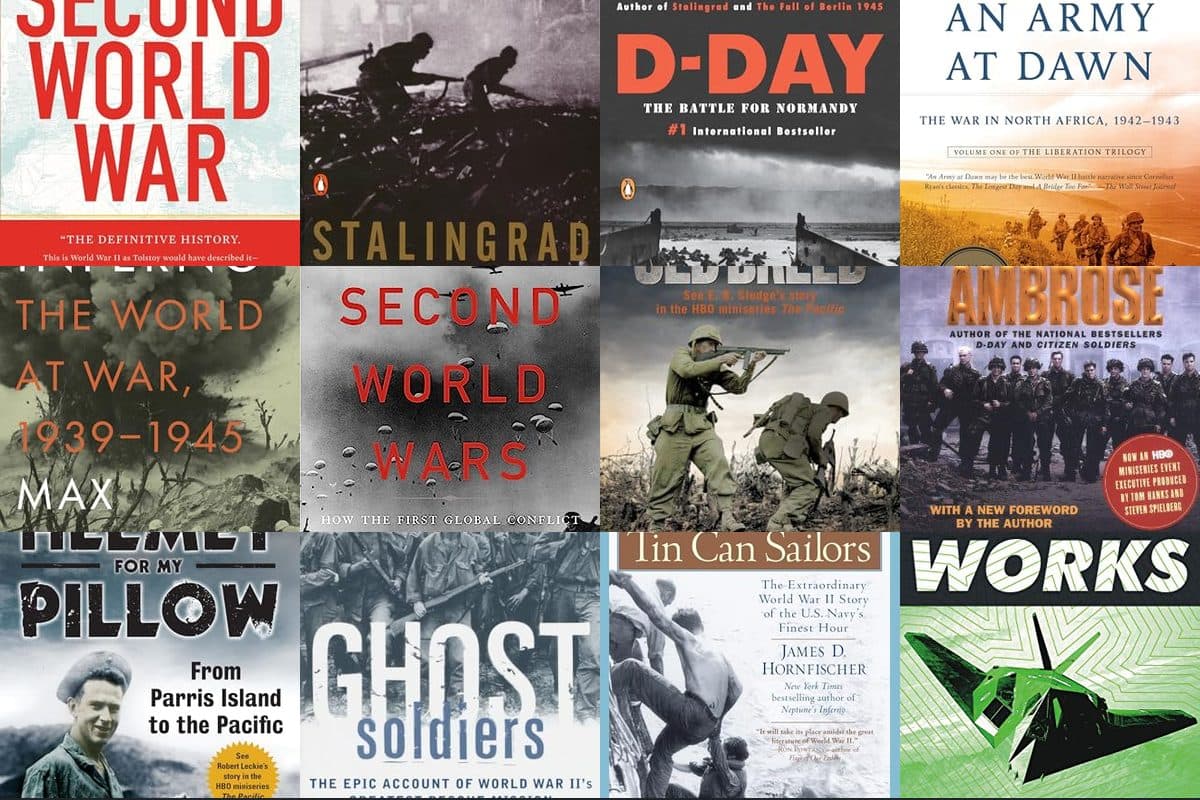
15 essential WW2 books covering every theater. Narrative histories, memoirs, and visual references ranked.
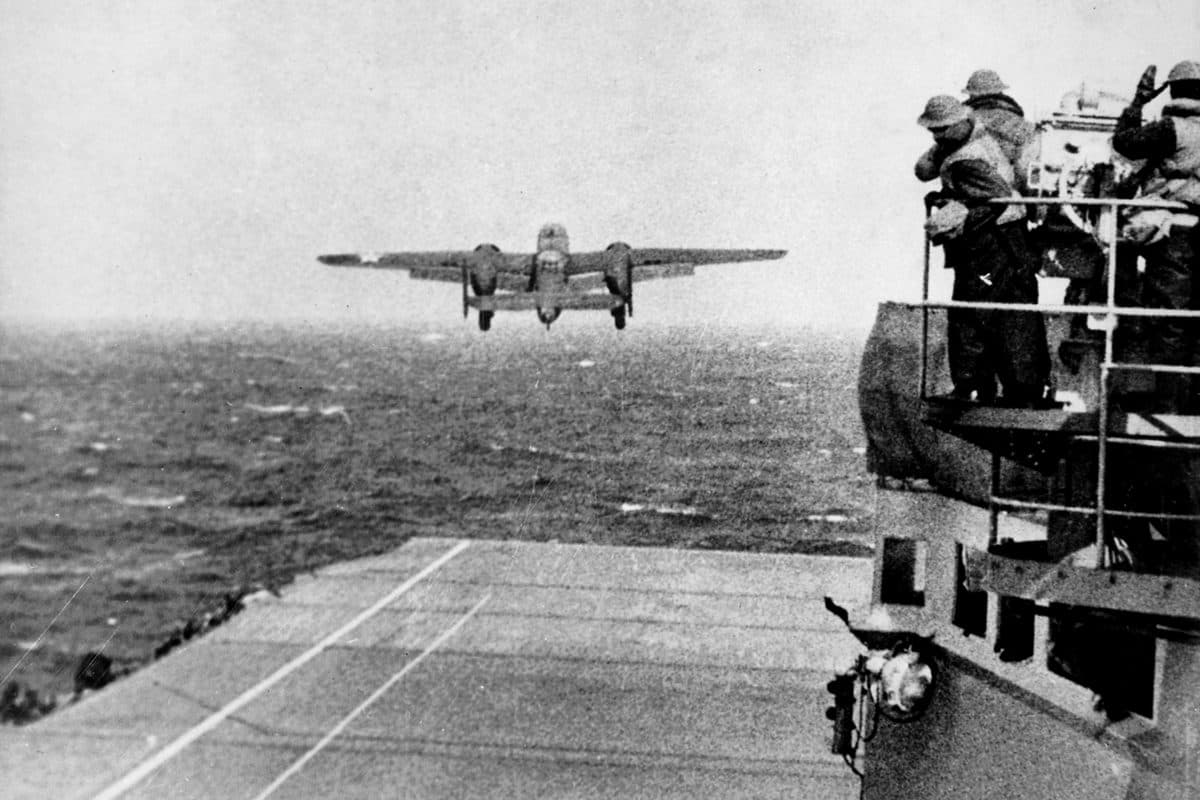
On April 18, 1942, sixteen B-25 Mitchell bombers did something no one thought possible: they launched from the deck of an aircraft carrier, flew 650 miles to Japan, and bombed Tokyo. Every aircraft was lost. The damage was negligible. The consequences changed the war.
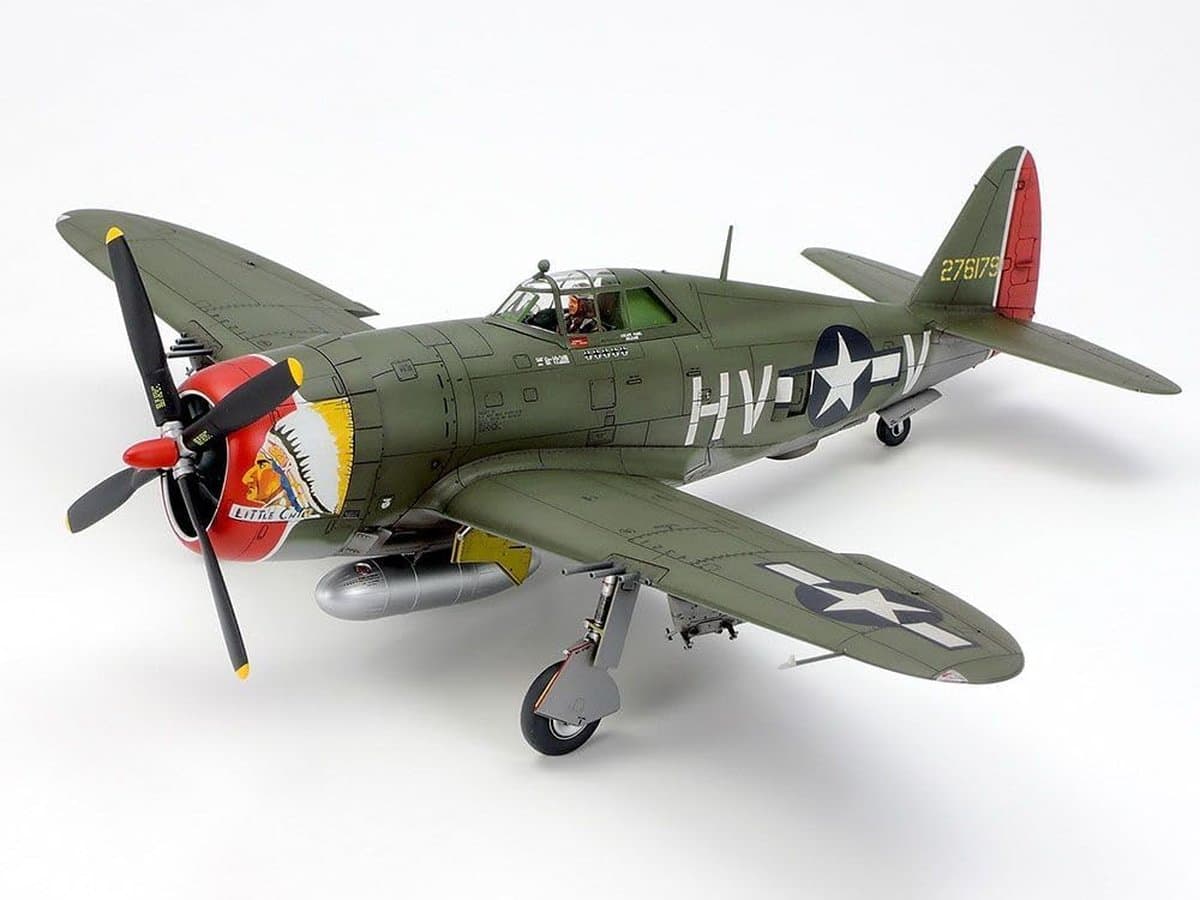
Compare 85+ WW2 scale model kits across aircraft, tanks, and ships. Beginner builds from $9 to museum-grade showpieces at $580. Covers Tamiya, Eduard, HK Models, Trumpeter, and more with honest reviews, trade-offs, and pricing.