
RCS
Radar Cross Section
Radar Cross Section is a measure of how detectable an object is by radar, expressed in square meters. A smaller RCS means the object is harder to detect.
Radar Cross Section (RCS) quantifies how much radar energy an object reflects back to the radar receiver, expressed as the area of a hypothetical perfect reflector that would return the same amount of energy. A large bomber like the B-52 has an RCS of approximately 100 square meters, while a stealth aircraft like the F-22 Raptor is reported to have an RCS comparable to a marble, roughly 0.0001 square meters.
RCS is not determined by the physical size of the object alone but by its shape, materials, and surface features. Flat surfaces perpendicular to the radar beam create strong reflections, while angled surfaces deflect energy away. Gaps, edges, engine inlets, and external stores all contribute to RCS. Stealth aircraft use a combination of angular shaping, radar-absorbent materials, and careful edge treatment to minimize RCS from the most threatening radar angles.
Understanding RCS is essential to modern air warfare because it directly determines detection range. A radar that can detect a conventional fighter at 300 kilometers might not see a stealth aircraft until it is within 30 kilometers, by which point the stealth aircraft may have already launched weapons. This enormous detection-range advantage is what makes stealth technology so valuable and has driven every major air force to pursue low-RCS aircraft designs.
Related Terms
Stealth Technology
Design principles and materials that reduce an aircraft's radar, infrared, visual, and acoustic signatures to make it difficult or impossible for enemy sensors to detect.
AESA(Active Electronically Scanned Array)
Active Electronically Scanned Array is a type of radar that uses thousands of individual transmit/receive modules to steer its beam electronically, enabling simultaneous tracking and jamming across multiple frequencies.
IRST(Infrared Search and Track)
Infrared Search and Track is a passive sensor that detects the thermal signature of aircraft at long range without emitting any radiation, enabling stealthy target detection.
Related Articles
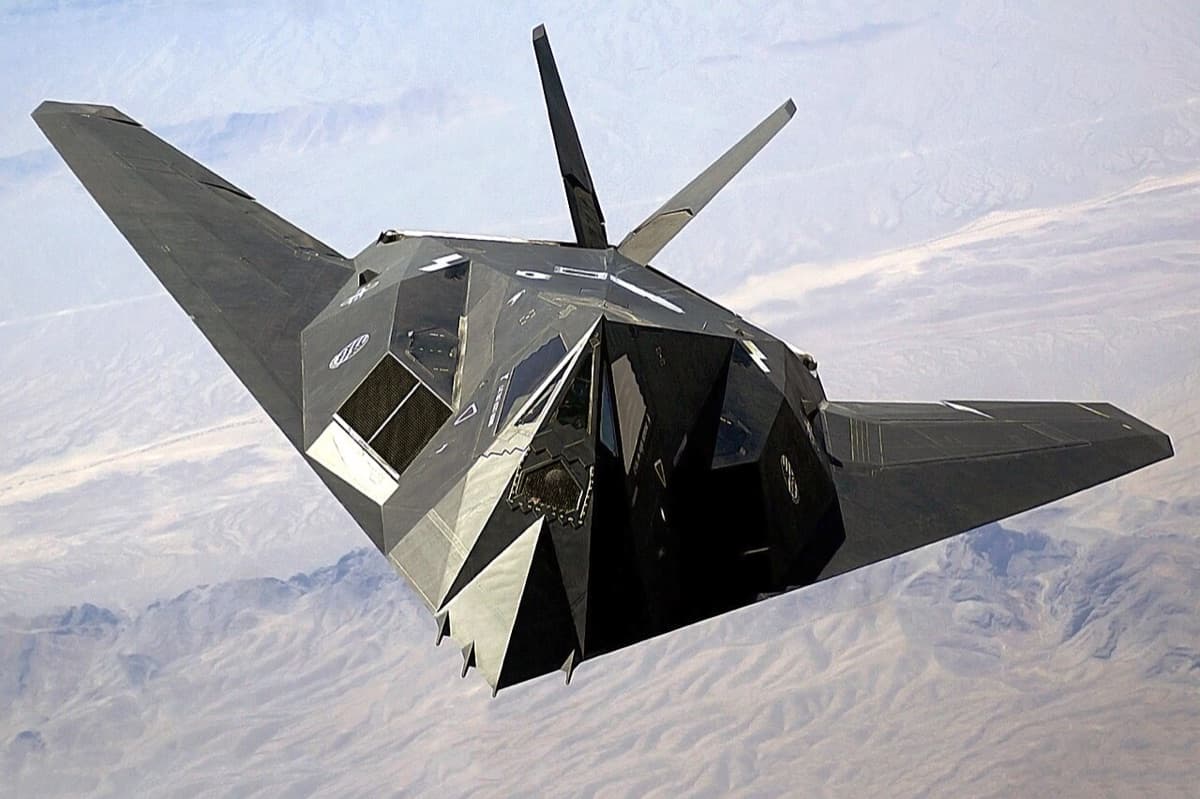
How Stealth Really Works: The Engineering Behind Radar Cross Sections Smaller Than a Golf Ball
An F-22 Raptor has the radar signature of a marble. A B-52 has the radar signature of a barn. The difference comes down to five engineering disciplines: shaping, materials, inlet masking, exhaust design, and the limits of 1970s computing power that explain why the F-117 looks nothing like the B-2.
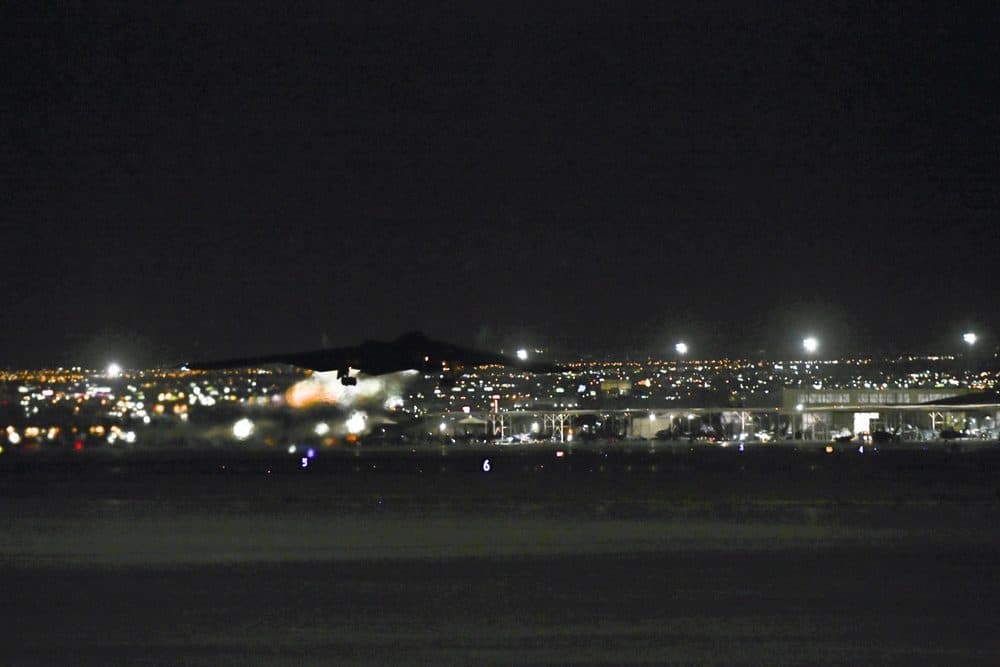
The 7 Biggest Myths About Stealth Aircraft, and What Actually Makes Them Invisible to Radar
Almost everything the public knows about stealth aircraft is wrong. Here's how radar cross section, shaping, and coatings actually work, and why the F-117 shootdown proves the opposite of what most people think.