
Fly-by-Wire
A flight control system that replaces mechanical linkages between the pilot's controls and the aircraft's control surfaces with electronic signals processed by flight computers.
Fly-by-wire (FBW) replaces the traditional mechanical cables, pushrods, and hydraulic connections between a pilot's stick and rudder pedals and the aircraft's control surfaces with electronic sensors and computer-controlled actuators. When the pilot moves the stick, sensors measure the input and send electronic signals to flight computers, which calculate the optimal control surface deflection and command the actuators accordingly.
The F-16 Fighting Falcon was the first production fighter with a full fly-by-wire system, and it demonstrated one of the technology's most important advantages: the ability to fly inherently unstable aircraft. By designing the F-16 with its center of gravity behind its center of lift, engineers made it highly maneuverable but impossible to fly without computer assistance. The flight computers make thousands of corrections per second to maintain stability, freeing the pilot to focus on combat rather than basic aircraft control.
Fly-by-wire has become standard on all modern military and commercial aircraft because of its advantages in weight savings, maintenance reduction, envelope protection (preventing pilots from exceeding structural limits), and the ability to integrate sophisticated flight modes. Every fifth-generation fighter depends entirely on fly-by-wire for flight, and the technology is enabling new aircraft configurations that would be unflyable with mechanical controls.
Related Terms
Thrust Vectoring
The ability to direct an aircraft engine's exhaust in different directions to control the aircraft's attitude, providing enhanced maneuverability beyond what aerodynamic controls alone can achieve.
Stealth Technology
Design principles and materials that reduce an aircraft's radar, infrared, visual, and acoustic signatures to make it difficult or impossible for enemy sensors to detect.
Supercruise
The ability of an aircraft to sustain supersonic flight without using afterburners, conserving fuel and reducing the infrared signature compared to afterburner-dependent supersonic flight.
Related Articles
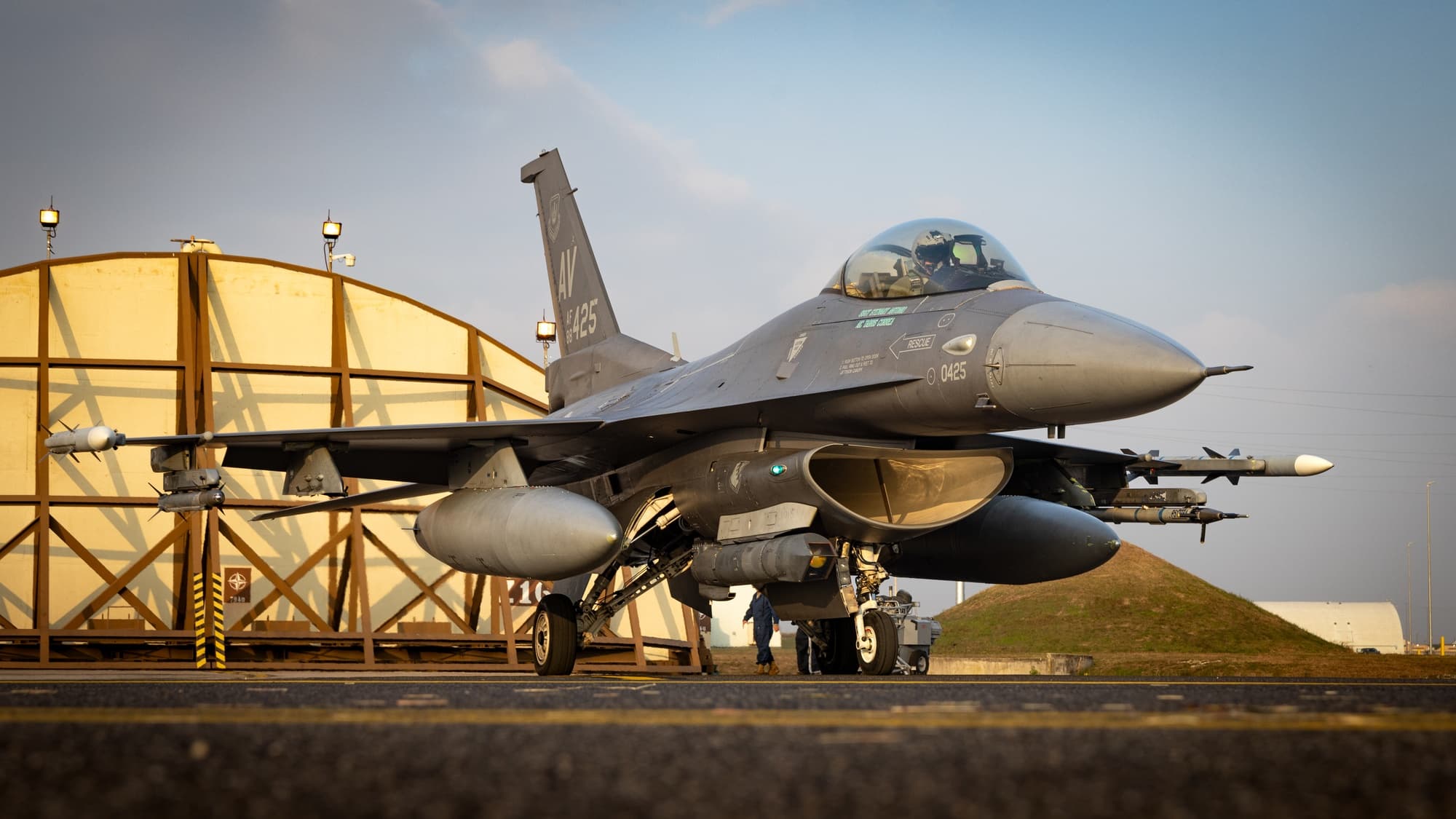
How Fly-by-Wire Changed Military Aviation Forever
Before fly-by-wire, every military aircraft had to be aerodynamically stable, designed so it naturally wanted to fly straight and level. Fly-by-wire broke that constraint entirely. By replacing mechanical control linkages with electronic signals and flight control computers, engineers could design aircraft that were intentionally unstable, impossible for a human to fly unaided, but dramatically more maneuverable with a computer making thousands of corrections per second. The F-16 proved the concept. The F-117 proved it could enable shapes that defied aerodynamics. Every fighter built since owes its existence to this single engineering revolution.
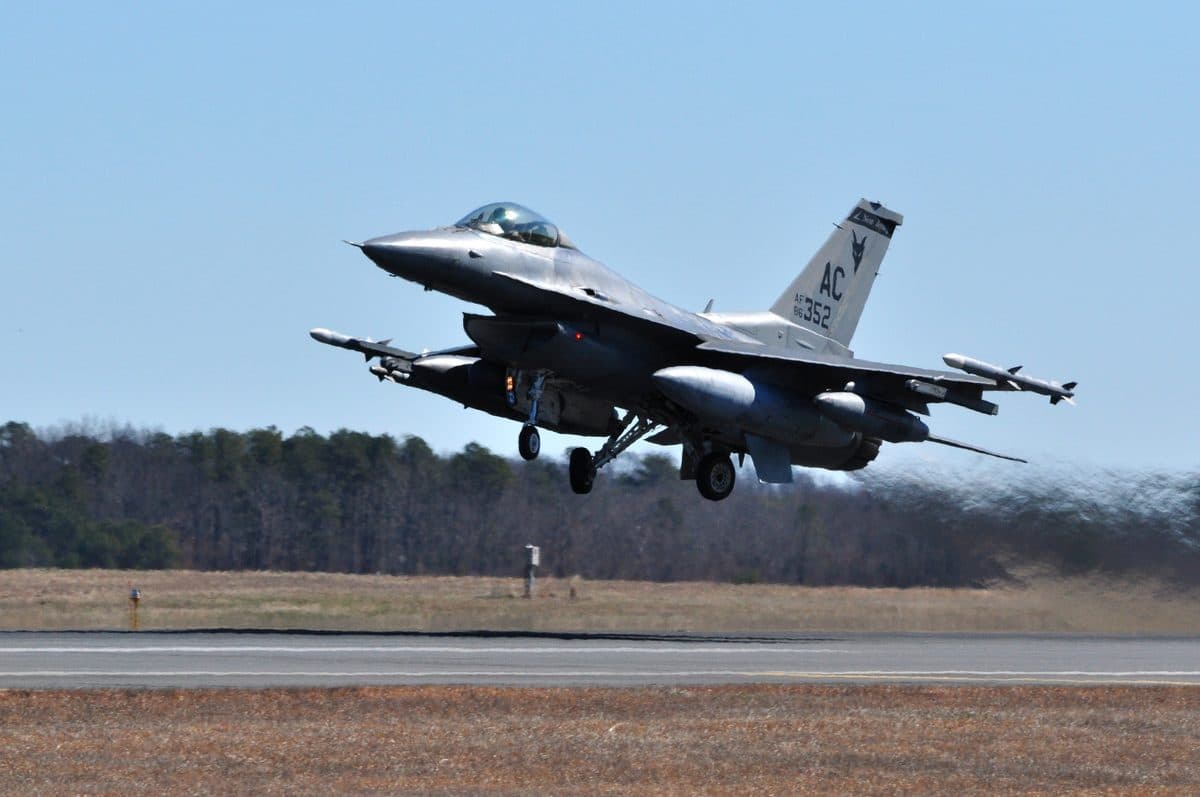
F-16 Fighting Falcon: How a Jet Designed to Be Cheap Became the Most Flown Fighter in History
The F-16 was born from a radical idea: build a fighter that was small, light, and cheap enough to buy in massive numbers. Over 4,600 built, 25+ countries operating it, and an unmatched combat record later, the "cheap fighter" became the most successful Western fighter jet ever produced.