
Thrust Vectoring
The ability to direct an aircraft engine's exhaust in different directions to control the aircraft's attitude, providing enhanced maneuverability beyond what aerodynamic controls alone can achieve.
Thrust vectoring allows an aircraft to redirect the direction of its engine exhaust using movable nozzles, providing control forces independent of airspeed and aerodynamic surfaces. This is particularly valuable at low speeds and high angles of attack where conventional control surfaces become ineffective, enabling maneuvers like the "cobra" and "J-turn" that would be impossible with aerodynamic controls alone.
The F-22 Raptor uses two-dimensional thrust vectoring nozzles that deflect up and down by up to 20 degrees, providing pitch control authority at all speeds. Russia's Su-35 and Su-57 use three-dimensional thrust vectoring that can deflect the exhaust in both pitch and yaw, providing even greater agility. The advantage is most pronounced in close-range dogfighting, where the ability to rapidly change the aircraft's nose position can provide a decisive shot opportunity.
The value of thrust vectoring in modern air combat is debated. Proponents argue it provides a decisive advantage in within-visual-range engagements. Critics counter that modern air combat is increasingly fought at beyond-visual-range distances where sensor and missile capability matter more than maneuverability, and that the aggressive maneuvering enabled by thrust vectoring bleeds energy and makes the aircraft vulnerable to follow-up attacks.
Related Terms
Fly-by-Wire
A flight control system that replaces mechanical linkages between the pilot's controls and the aircraft's control surfaces with electronic signals processed by flight computers.
Supercruise
The ability of an aircraft to sustain supersonic flight without using afterburners, conserving fuel and reducing the infrared signature compared to afterburner-dependent supersonic flight.
WVR(Within Visual Range)
Within Visual Range describes air combat conducted at close distances where pilots can see the opposing aircraft, relying on short-range missiles, guns, and aircraft maneuverability.
Related Articles
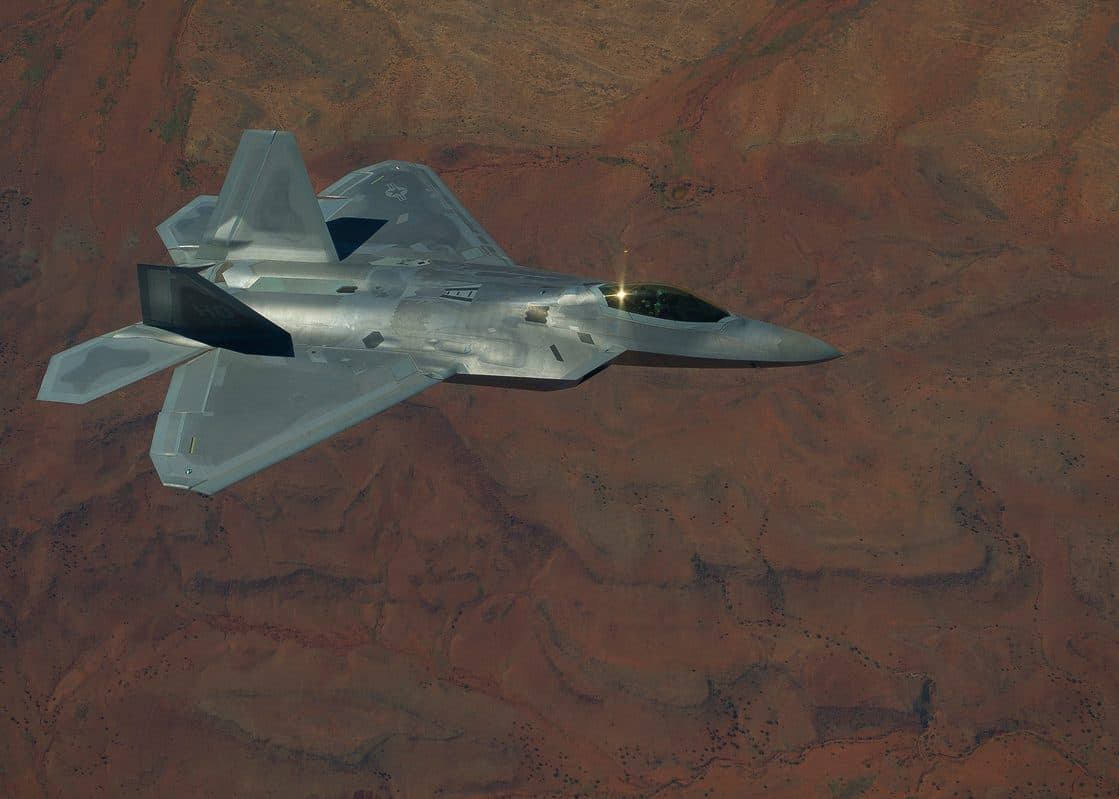
The F-22 Raptor's Kill Ratio Is Absurd. Here's the Classified Tactics Behind It.
The F-22 Raptor posted a widely reported 241-2 kill ratio at Northern Edge 2006, and the two losses weren't even Raptors. From supercruise missile physics to passive sensor fusion, here's why those numbers aren't propaganda, and what they mean for modern air combat.
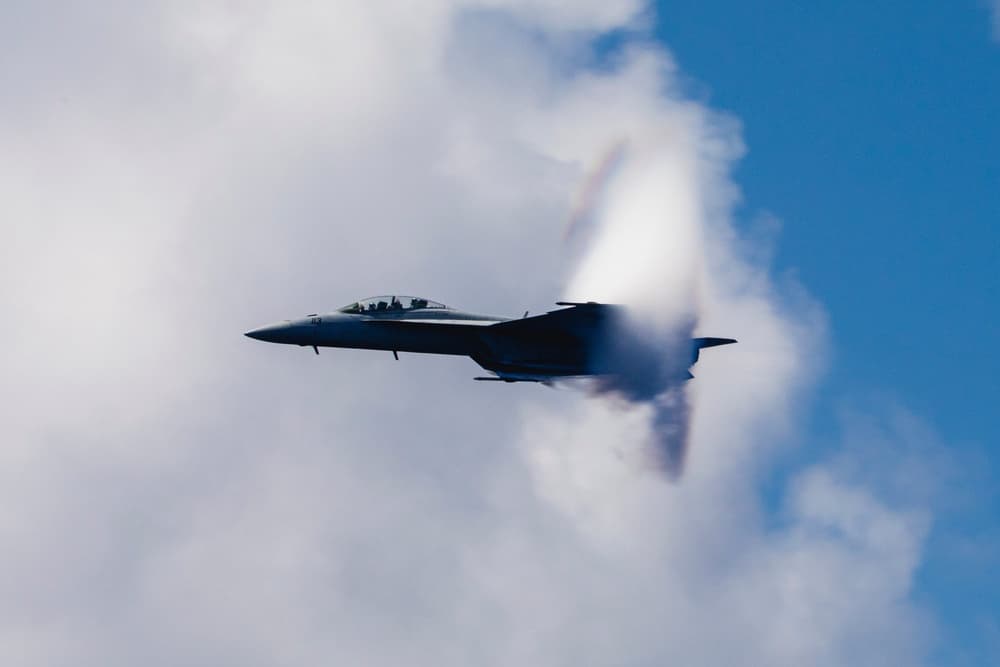
Why Speed Still Matters in Air Combat
How speed's role has evolved from dogfighting to modern beyond-visual-range combat.