
WVR
Within Visual Range
Within Visual Range describes air combat conducted at close distances where pilots can see the opposing aircraft, relying on short-range missiles, guns, and aircraft maneuverability.
Within Visual Range (WVR) combat, commonly called dogfighting, occurs at distances where the opposing pilots can visually acquire each other, typically within 10 nautical miles. WVR engagements rely on short-range infrared-guided missiles like the AIM-9X Sidewinder, high off-boresight targeting through helmet-mounted cueing systems, and in some cases the aircraft's cannon for close-in kills.
Modern WVR combat has been transformed by helmet-mounted cueing systems and high off-boresight missiles. The pilot can simply look at the target, even behind the wing line, and the missile seeker will lock on, enabling shots that would have been impossible with previous-generation weapons. The AIM-9X, combined with the Joint Helmet Mounted Cueing System, gives even fourth-generation fighters a devastating WVR capability that makes close-range combat extremely lethal for both sides.
The relevance of WVR combat in future wars is debated. BVR-optimized fifth-generation fighters like the F-22 and F-35 are designed to detect and destroy adversaries long before visual range, making WVR engagements theoretically avoidable. However, restrictive rules of engagement that require visual identification, the possibility of BVR missiles being defeated by countermeasures, and the chaotic nature of multi-aircraft engagements mean that WVR combat remains a possibility that every fighter pilot must train for.
Related Terms
BVR(Beyond Visual Range)
Beyond Visual Range describes air combat engagements conducted at distances where pilots cannot see the opposing aircraft, relying instead on radar and long-range missiles.
AAM(Air-to-Air Missile)
An Air-to-Air Missile is a guided weapon launched from an aircraft to destroy another aircraft in flight.
Thrust Vectoring
The ability to direct an aircraft engine's exhaust in different directions to control the aircraft's attitude, providing enhanced maneuverability beyond what aerodynamic controls alone can achieve.
Related Articles
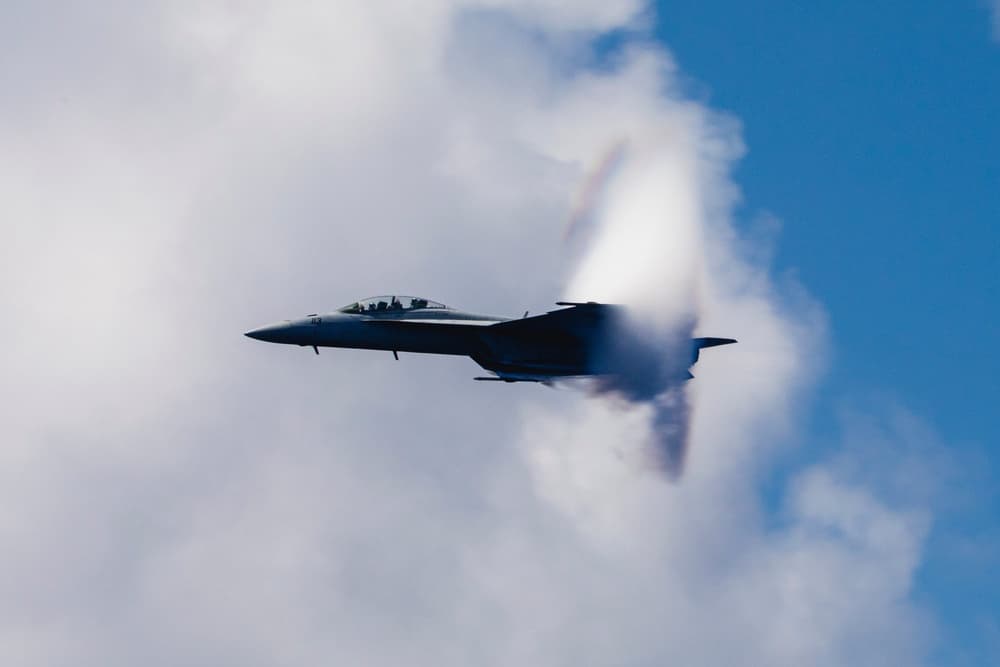
Why Speed Still Matters in Air Combat
How speed's role has evolved from dogfighting to modern beyond-visual-range combat.
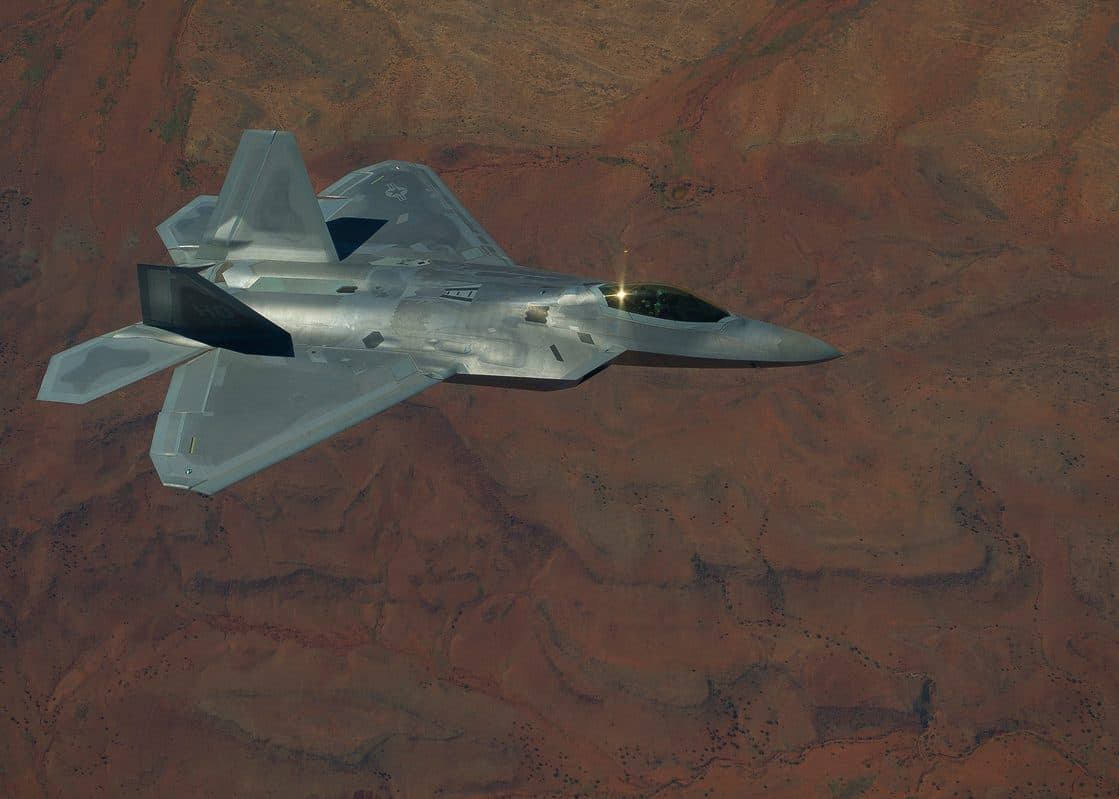
The F-22 Raptor's Kill Ratio Is Absurd. Here's the Classified Tactics Behind It.
The F-22 Raptor posted a widely reported 241-2 kill ratio at Northern Edge 2006, and the two losses weren't even Raptors. From supercruise missile physics to passive sensor fusion, here's why those numbers aren't propaganda, and what they mean for modern air combat.