
Supercruise
The ability of an aircraft to sustain supersonic flight without using afterburners, conserving fuel and reducing the infrared signature compared to afterburner-dependent supersonic flight.
Supercruise is the sustained supersonic flight capability achieved without engaging afterburners, the fuel-injecting reheat system that dramatically increases thrust but also multiplies fuel consumption by a factor of three or more. An aircraft capable of supercruise can maintain speeds above Mach 1 using only its engines' dry thrust, enabling extended supersonic operations without the severe range penalty imposed by afterburner use.
The F-22 Raptor is the most prominent supercruise-capable fighter, able to sustain speeds of approximately Mach 1.5 without afterburners. This capability provides significant tactical advantages: the F-22 can transit to the fight faster, extend the kinematic range of its missiles by launching them at supersonic speed, and do so with a much smaller infrared signature than an afterburner-lit aircraft would present to enemy infrared sensors.
Supercruise requires a combination of powerful, efficient engines and a low-drag airframe optimized for supersonic flight. The Eurofighter Typhoon, Dassault Rafale (under certain conditions), and the Saab Gripen E also claim limited supercruise capability. The F-35 cannot supercruise, which has been a point of criticism, though its proponents argue that stealth and sensor fusion provide greater tactical advantages than raw speed.
Related Terms
Thrust Vectoring
The ability to direct an aircraft engine's exhaust in different directions to control the aircraft's attitude, providing enhanced maneuverability beyond what aerodynamic controls alone can achieve.
Stealth Technology
Design principles and materials that reduce an aircraft's radar, infrared, visual, and acoustic signatures to make it difficult or impossible for enemy sensors to detect.
Fly-by-Wire
A flight control system that replaces mechanical linkages between the pilot's controls and the aircraft's control surfaces with electronic signals processed by flight computers.
Related Articles
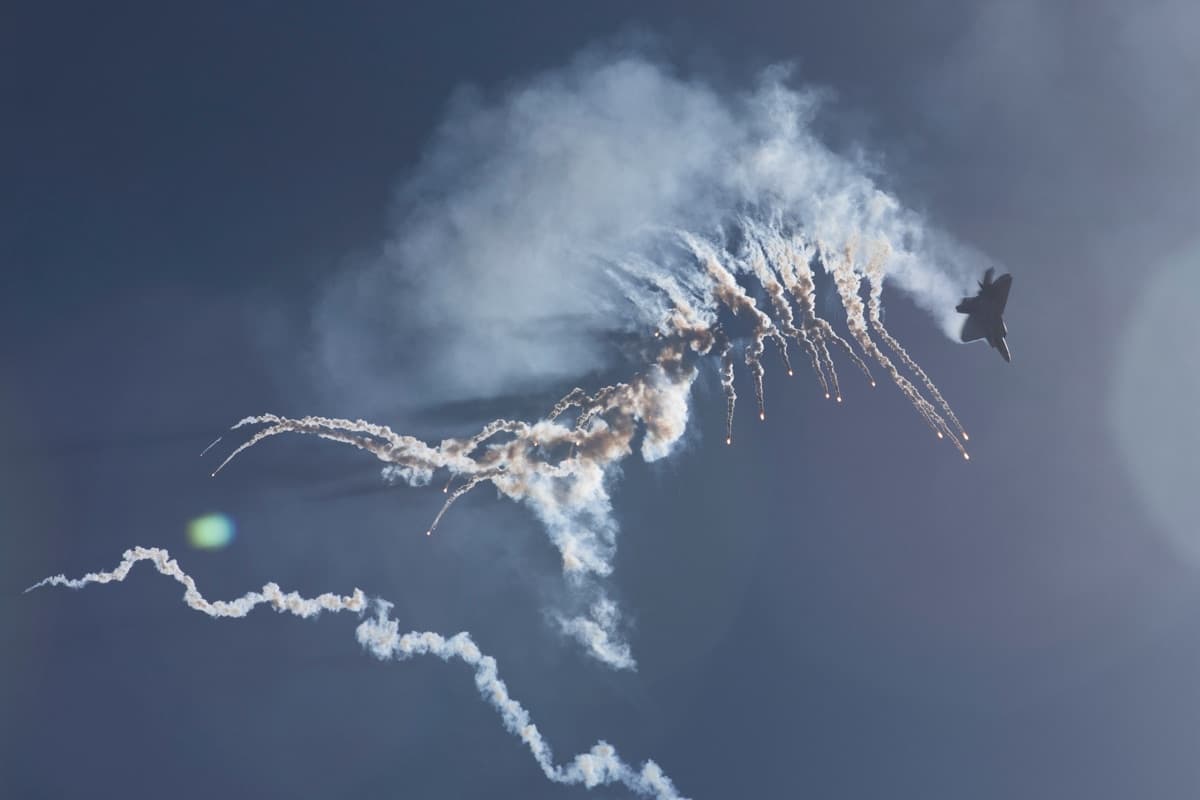
Lockheed Martin F-22 Raptor Jet Fighter
The F-22 Raptor is widely regarded as the most advanced air superiority fighter ever built. Combining stealth, supercruise, and integrated avionics, it defines fifth-generation air dominance.
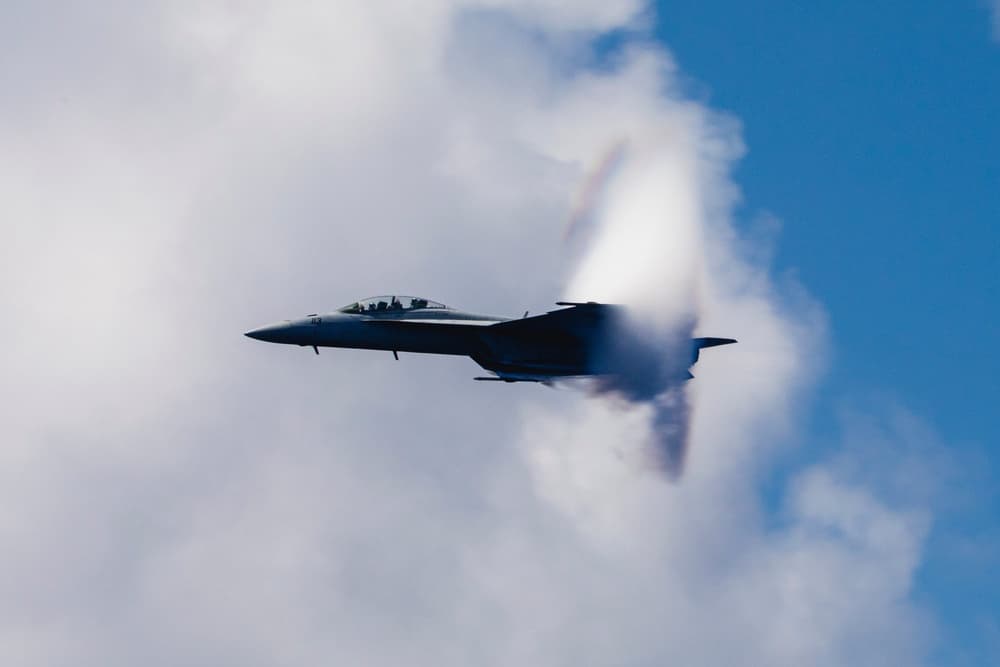
Why Speed Still Matters in Air Combat
How speed's role has evolved from dogfighting to modern beyond-visual-range combat.