
Shaped Charge
An explosive device with a lined cavity that focuses the blast into a high-velocity jet of metal capable of penetrating armor, concrete, or other hard targets.
A shaped charge is an explosive charge with a concave metal-lined cavity that, upon detonation, collapses the liner into a superplastic jet of metal traveling at approximately 8,000 meters per second. This jet can penetrate steel armor to a depth of several times the charge's diameter, making shaped charges the basis for most anti-tank warheads. The phenomenon, known as the Munroe effect, was discovered in the 1880s but was not weaponized until World War II.
Shaped charges are used in a wide variety of military applications beyond anti-tank weapons. They are the warhead of choice for anti-tank guided missiles, rocket-propelled grenades, demolition charges, and even some artillery-delivered submunitions. Specialized shaped charges are used in engineering applications like cutting through metal structures, breaching reinforced concrete walls, and perforating oil well casings.
The effectiveness of a shaped charge depends on several factors: the precision of the liner's manufacture, the type and quality of the explosive, the standoff distance between the charge and the target, and the angle of impact. Modern shaped-charge warheads incorporate precision-machined copper liners and high-performance explosives to maximize jet velocity and penetration. Defeating shaped charges has driven the development of composite armor, explosive reactive armor, and active protection systems.
Related Terms
HEAT Round(High-Explosive Anti-Tank)
High-Explosive Anti-Tank is a type of ammunition that uses a shaped-charge warhead to create a jet of molten metal capable of penetrating armored vehicles.
ERA(Explosive Reactive Armor)
Explosive Reactive Armor consists of tiles containing explosive material that detonate outward when struck, disrupting the penetration jet of shaped-charge warheads.
RPG(Rocket-Propelled Grenade)
A Rocket-Propelled Grenade is a shoulder-fired, unguided anti-tank weapon that launches a rocket-propelled shaped-charge warhead capable of penetrating armored vehicles.
Related Articles
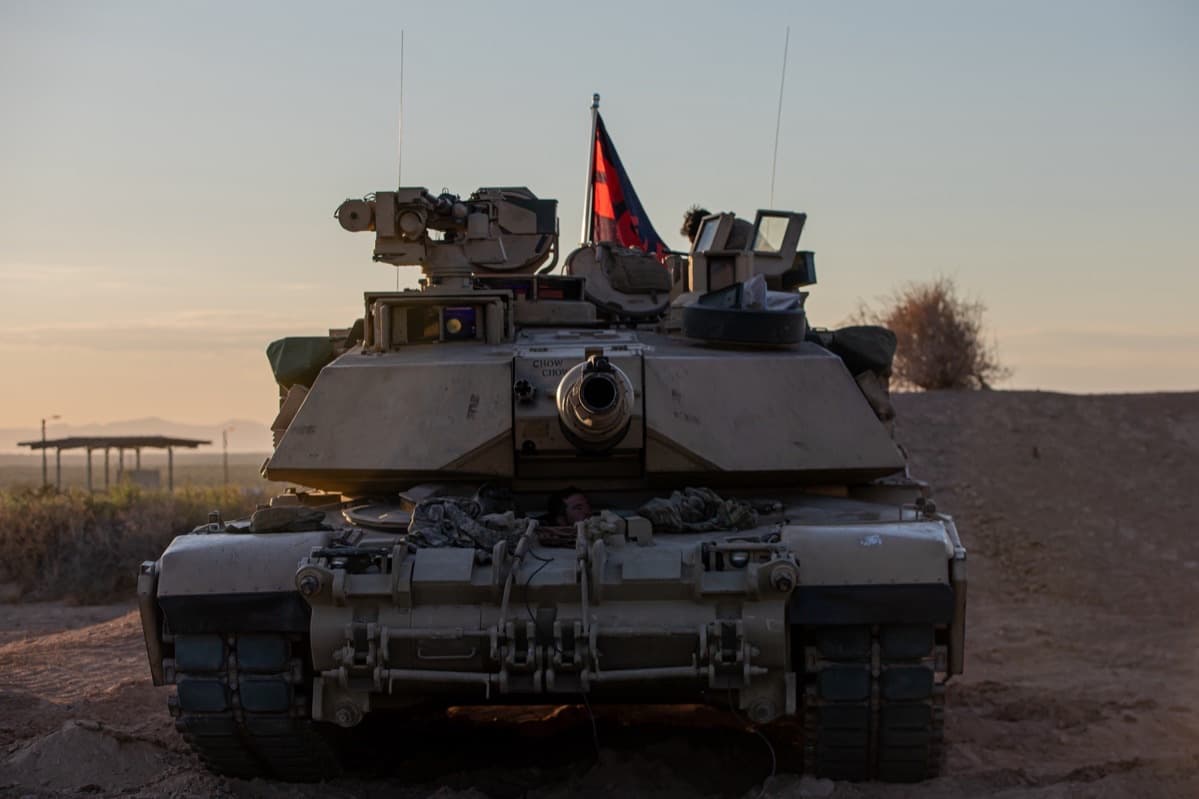
What Happens When an M1 Abrams Gets Hit: Breaking Down Real Armor Test Results
A Ukrainian crew took four to six direct hits inside their M1A1 Abrams. All walked away uninjured. The reason is a 1970s engineering decision involving depleted uranium, blow-out panels, and the difference between how American and Russian tanks store their ammunition.