
HEAT Round
High-Explosive Anti-Tank
High-Explosive Anti-Tank is a type of ammunition that uses a shaped-charge warhead to create a jet of molten metal capable of penetrating armored vehicles.
High-Explosive Anti-Tank (HEAT) rounds use the Munroe effect to defeat armor. The warhead contains a cone-shaped metal liner (usually copper) backed by an explosive charge. When the explosive detonates, it collapses the liner inward at tremendous speed, forming a superplastic jet of metal moving at roughly 8,000 meters per second. This jet can penetrate steel armor several times the diameter of the warhead.
HEAT warheads are used in a wide variety of anti-tank weapons, from handheld RPGs and recoilless rifles to anti-tank guided missiles and tank gun ammunition. Their armor penetration is independent of the projectile's velocity, meaning they are equally effective whether fired from a slow-moving infantry weapon or a high-velocity tank gun. This makes them particularly useful for infantry anti-tank weapons that cannot achieve the muzzle velocities needed for kinetic energy penetrators.
Modern armor has been specifically designed to defeat HEAT warheads. Composite armor disrupts the penetration jet, explosive reactive armor detonates outward to scatter it, and spaced armor causes the jet to form prematurely and lose effectiveness. In response, designers have developed tandem warheads with a precursor charge that triggers reactive armor before the main warhead arrives, maintaining HEAT's relevance against modern protected vehicles.
Related Terms
APFSDS(Armor-Piercing Fin-Stabilized Discarding Sabot)
Armor-Piercing Fin-Stabilized Discarding Sabot is a kinetic energy anti-tank round that uses a dense, dart-like penetrator fired at extreme velocity to defeat armored targets.
ERA(Explosive Reactive Armor)
Explosive Reactive Armor consists of tiles containing explosive material that detonate outward when struck, disrupting the penetration jet of shaped-charge warheads.
Shaped Charge
An explosive device with a lined cavity that focuses the blast into a high-velocity jet of metal capable of penetrating armor, concrete, or other hard targets.
Related Articles
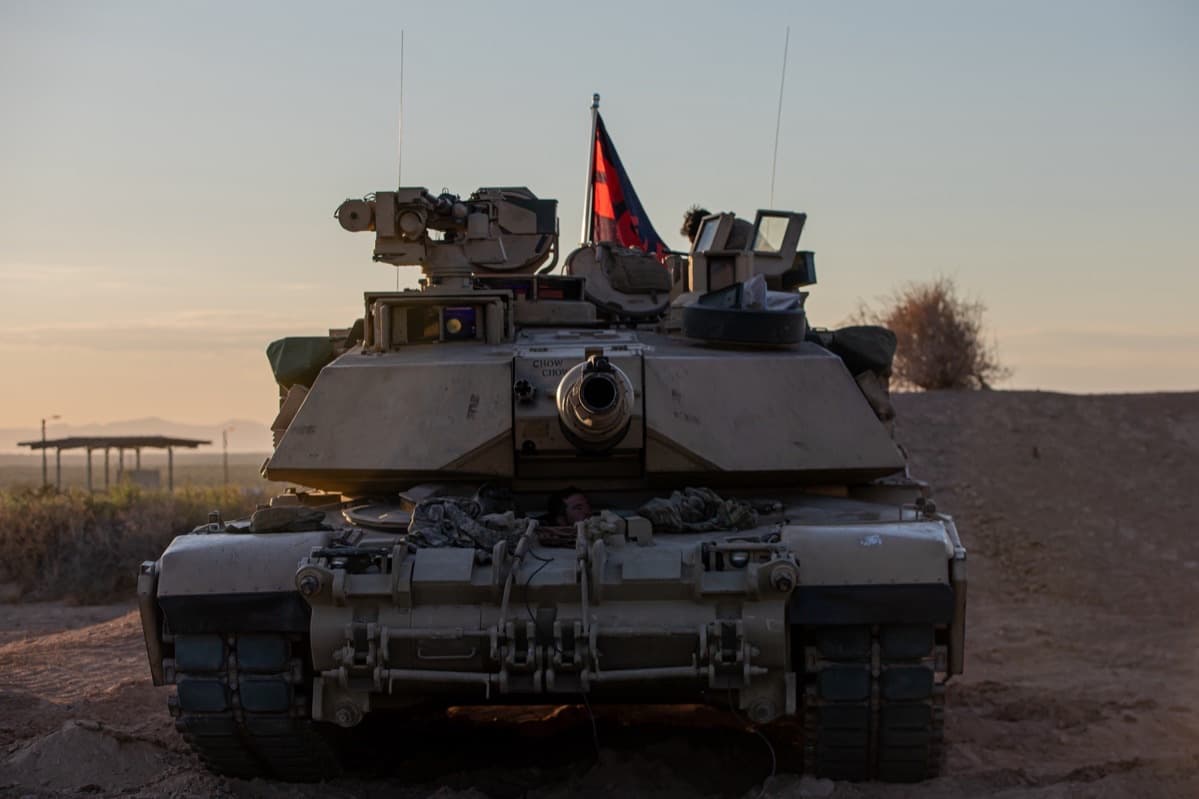
What Happens When an M1 Abrams Gets Hit: Breaking Down Real Armor Test Results
A Ukrainian crew took four to six direct hits inside their M1A1 Abrams. All walked away uninjured. The reason is a 1970s engineering decision involving depleted uranium, blow-out panels, and the difference between how American and Russian tanks store their ammunition.
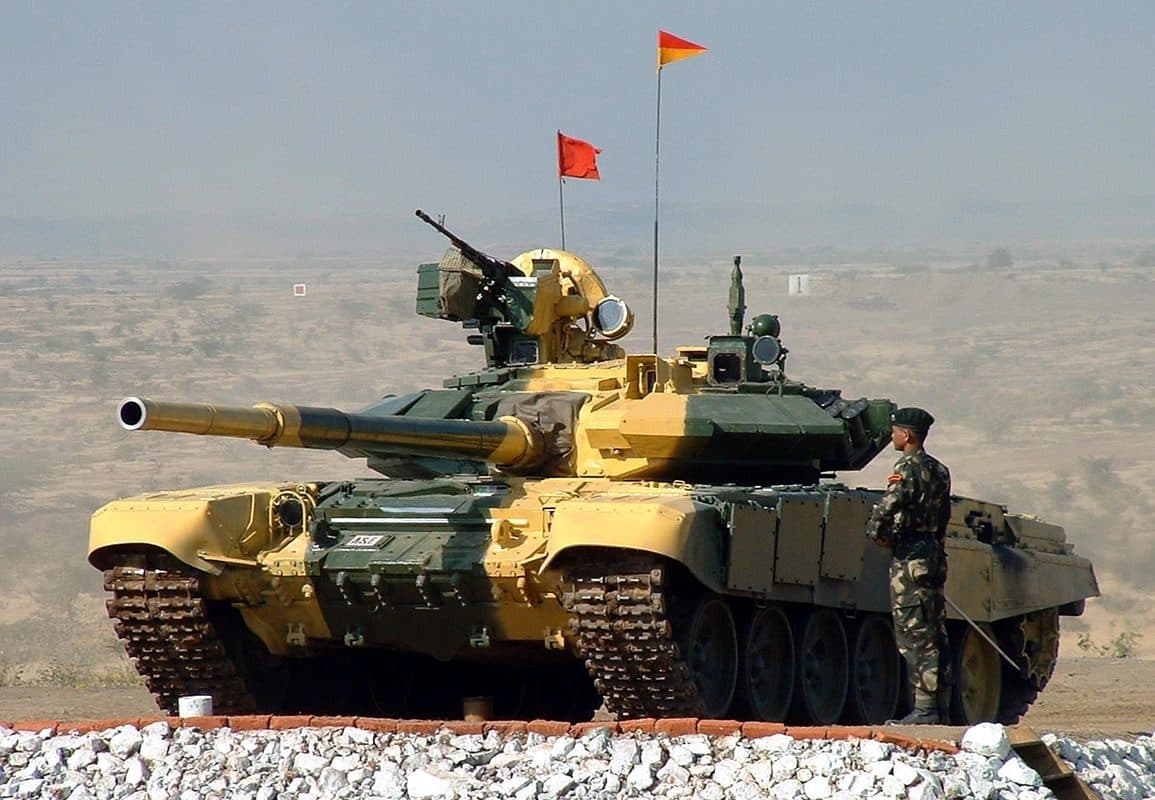
How Explosive Reactive Armor Detonates Itself to Stop an Incoming Anti-Tank Missile
The armor detonates itself. On purpose. Explosive reactive armor uses a controlled detonation to disrupt incoming shaped charge jets and even kinetic penetrators, buying the crew inside precious milliseconds of survival. Here is the physics behind one of the most counterintuitive defense technologies ever fielded.