
APFSDS
Armor-Piercing Fin-Stabilized Discarding Sabot
Armor-Piercing Fin-Stabilized Discarding Sabot is a kinetic energy anti-tank round that uses a dense, dart-like penetrator fired at extreme velocity to defeat armored targets.
Armor-Piercing Fin-Stabilized Discarding Sabot (APFSDS) rounds are the primary anti-armor ammunition used by modern main battle tanks. The round consists of a long, narrow penetrator made of tungsten alloy or depleted uranium, surrounded by a lightweight sabot that fills the gun bore. Upon firing, the sabot falls away and the penetrator, stabilized by small fins, flies toward the target at speeds exceeding 1,700 meters per second.
The penetrator defeats armor through sheer kinetic energy rather than explosive force. When it strikes armor plate, the enormous pressure at the impact point causes the armor to flow like a fluid, allowing the penetrator to bore through. Depleted uranium penetrators have the additional property of self-sharpening as they penetrate, maintaining a pointed tip rather than mushrooming like tungsten.
APFSDS ammunition has driven an arms race between penetrator technology and armor protection. Modern composite and reactive armor arrays are specifically designed to defeat or degrade long-rod penetrators, while penetrator designers continue to increase velocity, length-to-diameter ratios, and material properties to maintain the ability to defeat the latest armor.
Related Terms
HEAT Round(High-Explosive Anti-Tank)
High-Explosive Anti-Tank is a type of ammunition that uses a shaped-charge warhead to create a jet of molten metal capable of penetrating armored vehicles.
Kinetic Energy Penetrator
A long, dense rod, typically tungsten or depleted uranium, fired at very high velocity to defeat armor through sheer kinetic energy rather than explosive force.
ERA(Explosive Reactive Armor)
Explosive Reactive Armor consists of tiles containing explosive material that detonate outward when struck, disrupting the penetration jet of shaped-charge warheads.
Related Articles
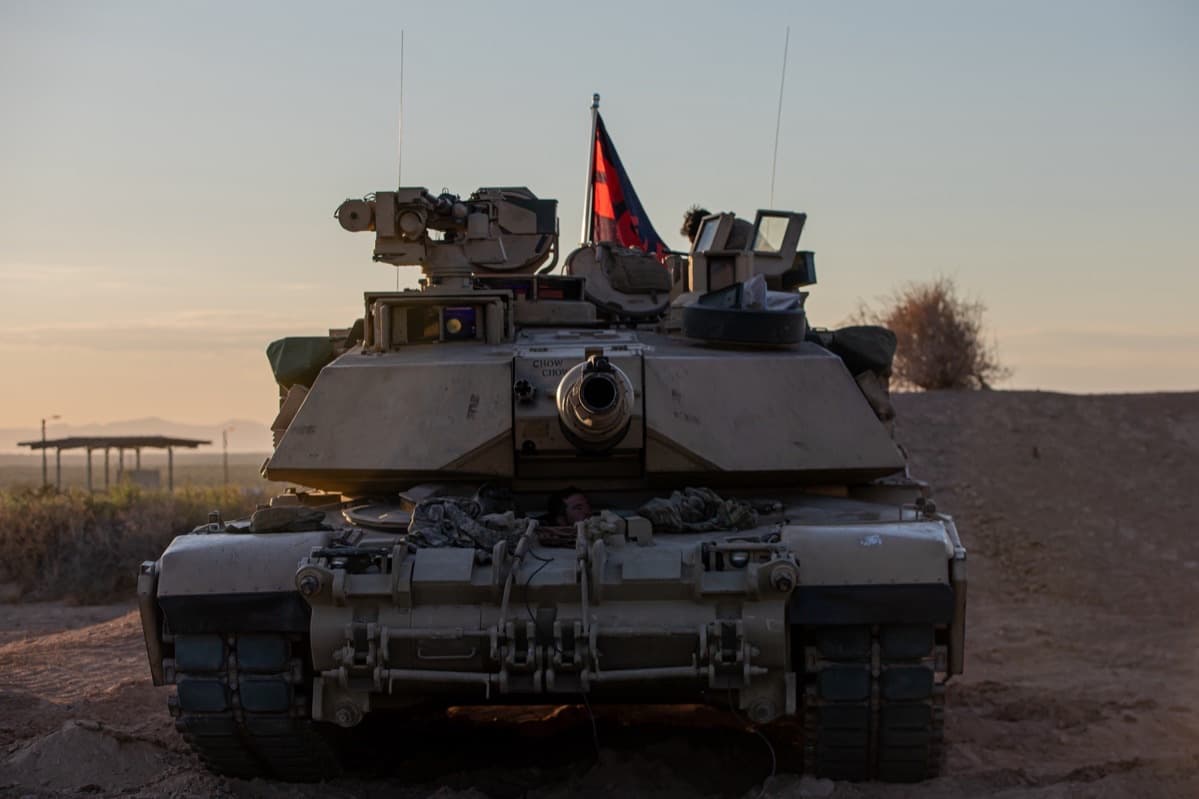
What Happens When an M1 Abrams Gets Hit: Breaking Down Real Armor Test Results
A Ukrainian crew took four to six direct hits inside their M1A1 Abrams. All walked away uninjured. The reason is a 1970s engineering decision involving depleted uranium, blow-out panels, and the difference between how American and Russian tanks store their ammunition.
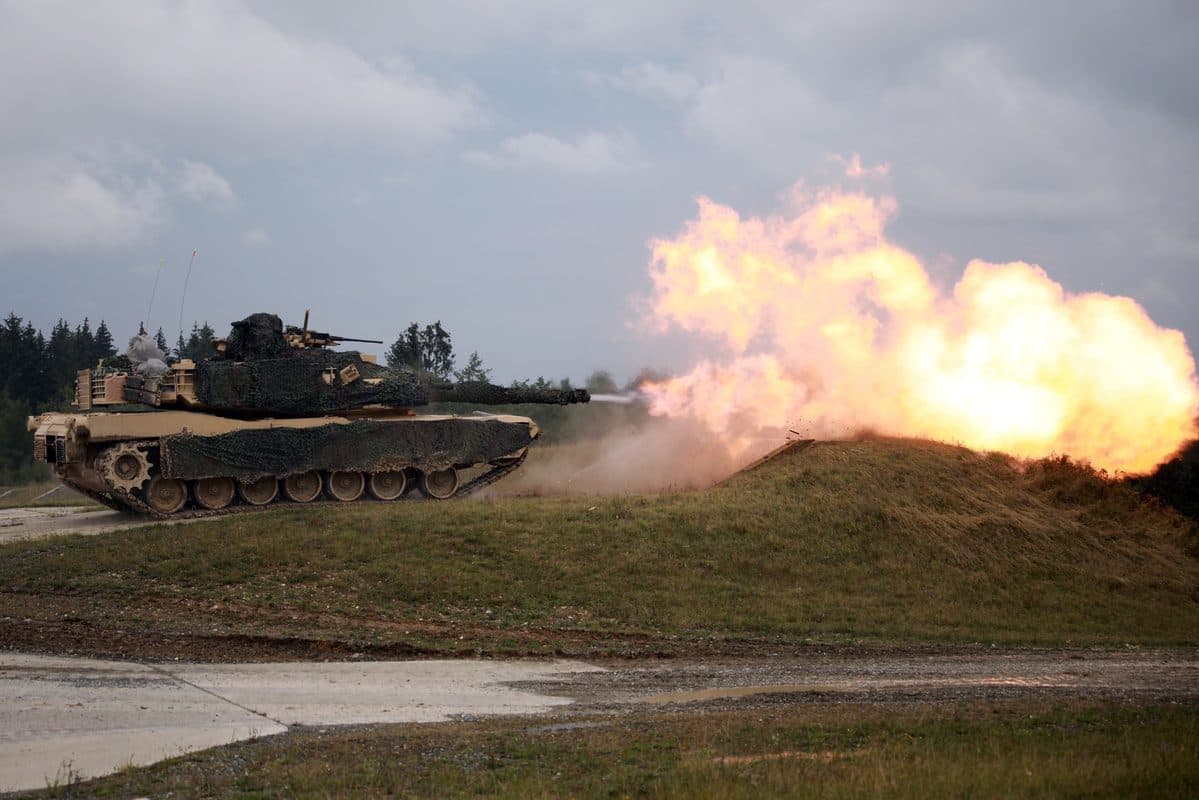
10 Best Tanks in the World (2026): Ranked After Real Combat Data from Ukraine
The Leopard 2A7 takes the top spot. The T-90M drops. The M1 Abrams gets a reality check from Ukraine. Three years of real combat data have reshuffled these rankings. Here's what changed and why.