
UGV
Unmanned Ground Vehicle
An Unmanned Ground Vehicle is a robotic vehicle that operates on the ground without a human driver, used for bomb disposal, reconnaissance, logistics, and increasingly for combat operations.
Unmanned Ground Vehicles (UGVs) are robotic systems that operate on the ground without a human aboard, performing tasks ranging from explosive ordnance disposal to armed combat. The most widely used military UGVs are the PackBot and TALON series of bomb disposal robots, which have been used extensively in Iraq and Afghanistan to investigate and disarm IEDs, saving countless lives by keeping soldiers away from potential explosions.
The next generation of UGVs is expanding into more ambitious roles. Armed UGVs like the THeMIS and the Russian Uran-9 carry weapons and can be operated remotely or semi-autonomously. Logistics UGVs are being developed to follow convoys autonomously, reducing the number of soldiers needed in dangerous supply runs. Larger robotic combat vehicles, essentially unmanned tanks, are being tested by several nations as potential force multipliers for armored units.
UGVs face different challenges than aerial drones. Ground terrain is far more complex and unpredictable than airspace, requiring sophisticated obstacle avoidance, navigation, and mobility systems. Communication reliability is a major concern in urban environments and complex terrain where buildings, foliage, and terrain features can block radio signals. Despite these challenges, the potential to remove soldiers from danger while maintaining combat effectiveness ensures continued heavy investment in UGV technology.
Related Terms
UAV(Unmanned Aerial Vehicle)
An Unmanned Aerial Vehicle is a pilotless aircraft operated remotely or autonomously, used for reconnaissance, surveillance, strike, and an expanding range of military missions.
UCAV(Unmanned Combat Aerial Vehicle)
An Unmanned Combat Aerial Vehicle is a drone designed specifically for combat missions including strike and air-to-air engagement, capable of carrying and employing weapons autonomously or remotely.
USV(Unmanned Surface Vessel)
An Unmanned Surface Vessel is a crewless boat or ship that operates on the water's surface, used for mine detection, surveillance, anti-submarine warfare, and other naval missions.
Related Articles
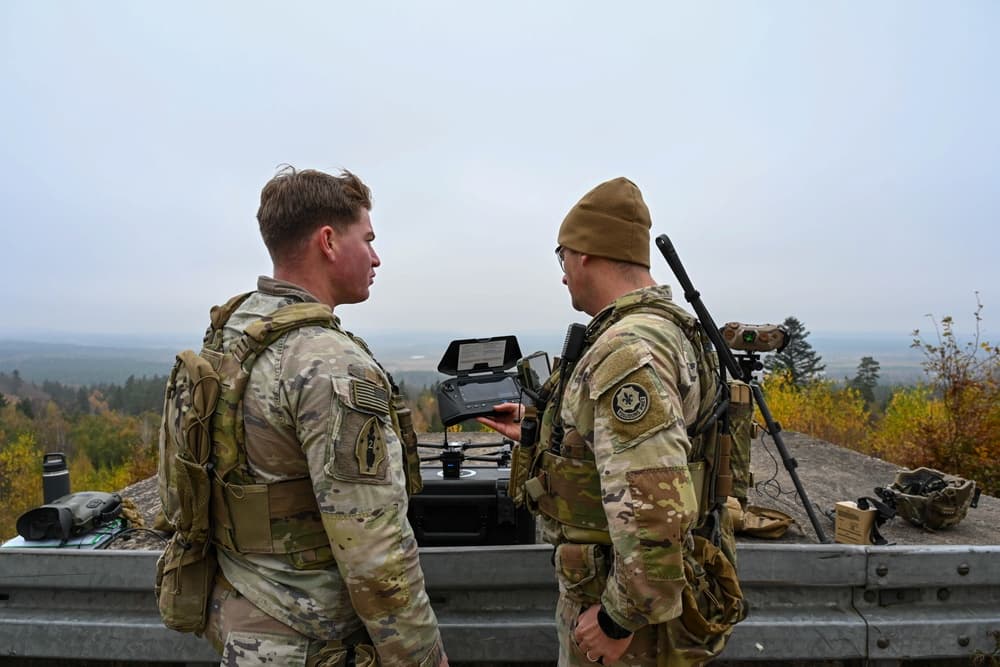
Ukraine Just Ran the First Fully Unmanned Combat Operation. Here's What Happened.
In December 2024, Ukrainian forces ran the first fully unmanned ground combat operation, with AI-coordinated drones identifying targets, engaging, and assessing damage without a human in the loop. The era of autonomous warfare isn't coming. It's here.
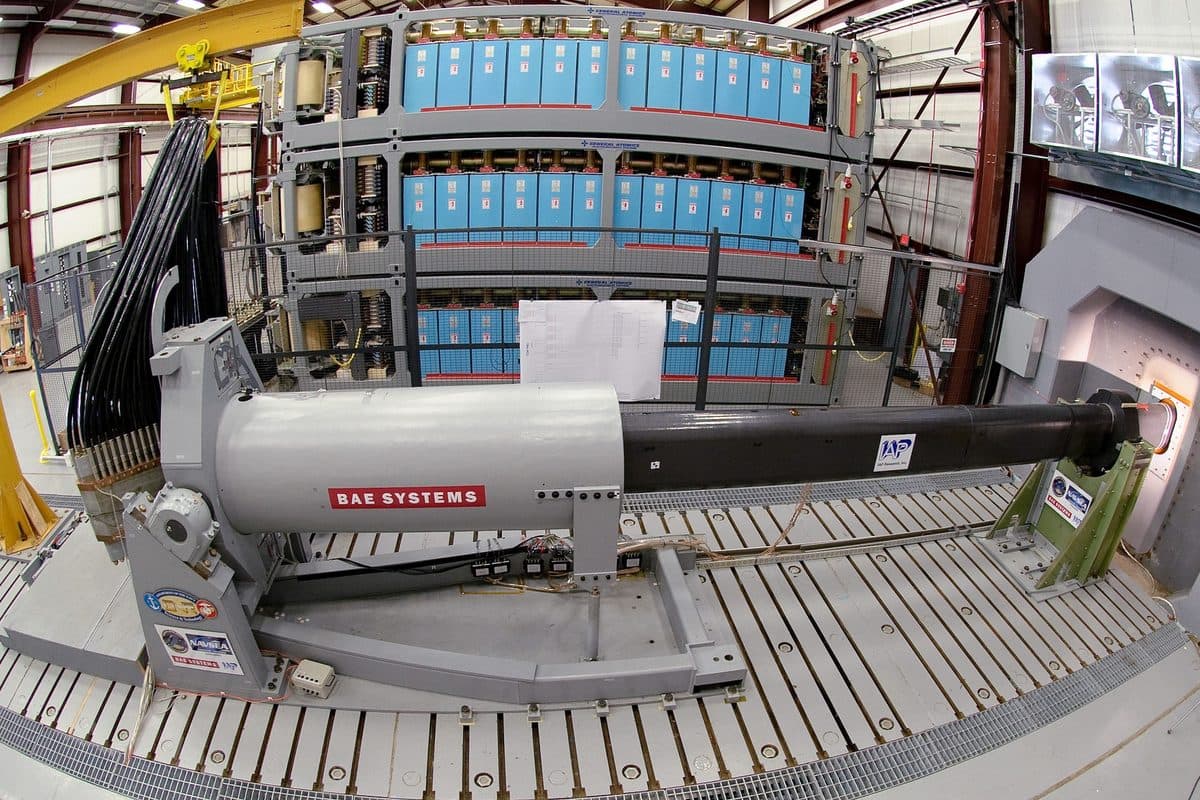
7 Next-Generation Weapons Already in Testing (2026): F-47, CCA, Hypersonics, and More
The F-47 sixth-gen fighter, AI-controlled CCA drone wingmen, hypersonic missiles, 60kW laser defenses, the M1E3 tank, Columbia-class sub, and FPV kamikaze drones. All in testing or combat now.