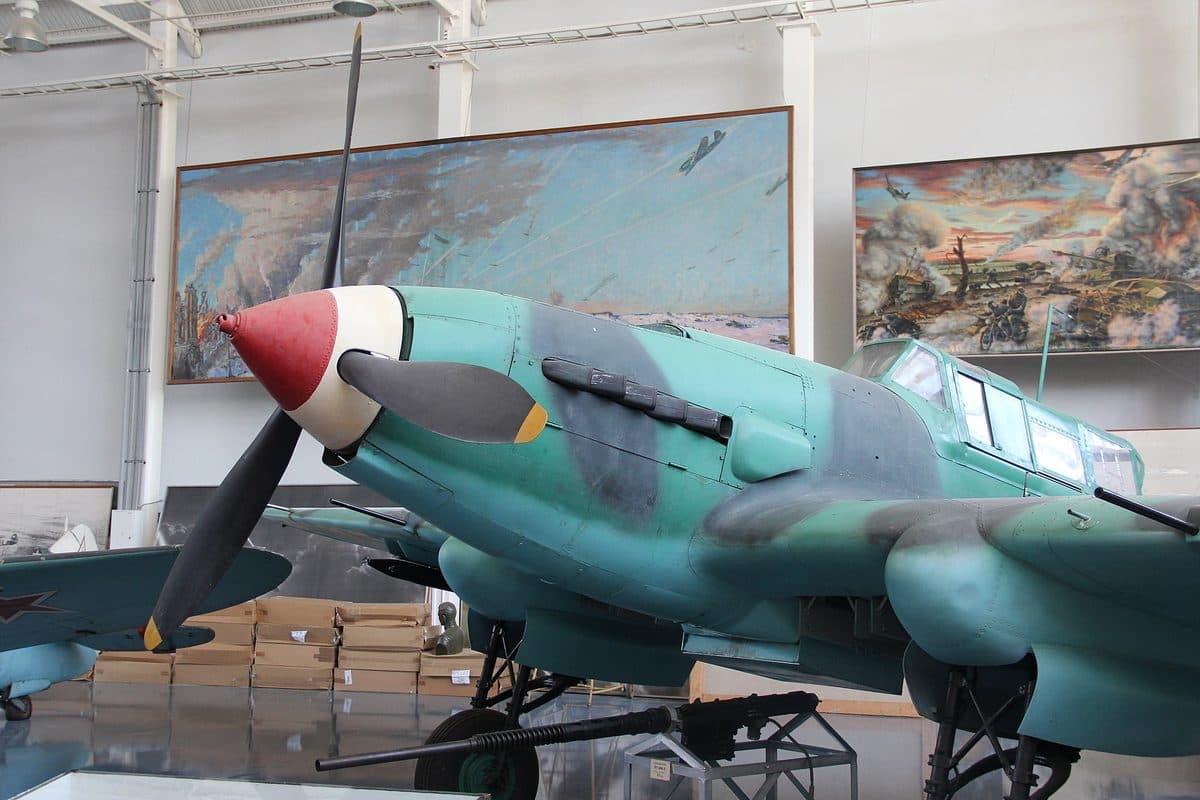

A Weapon Born from Desperation
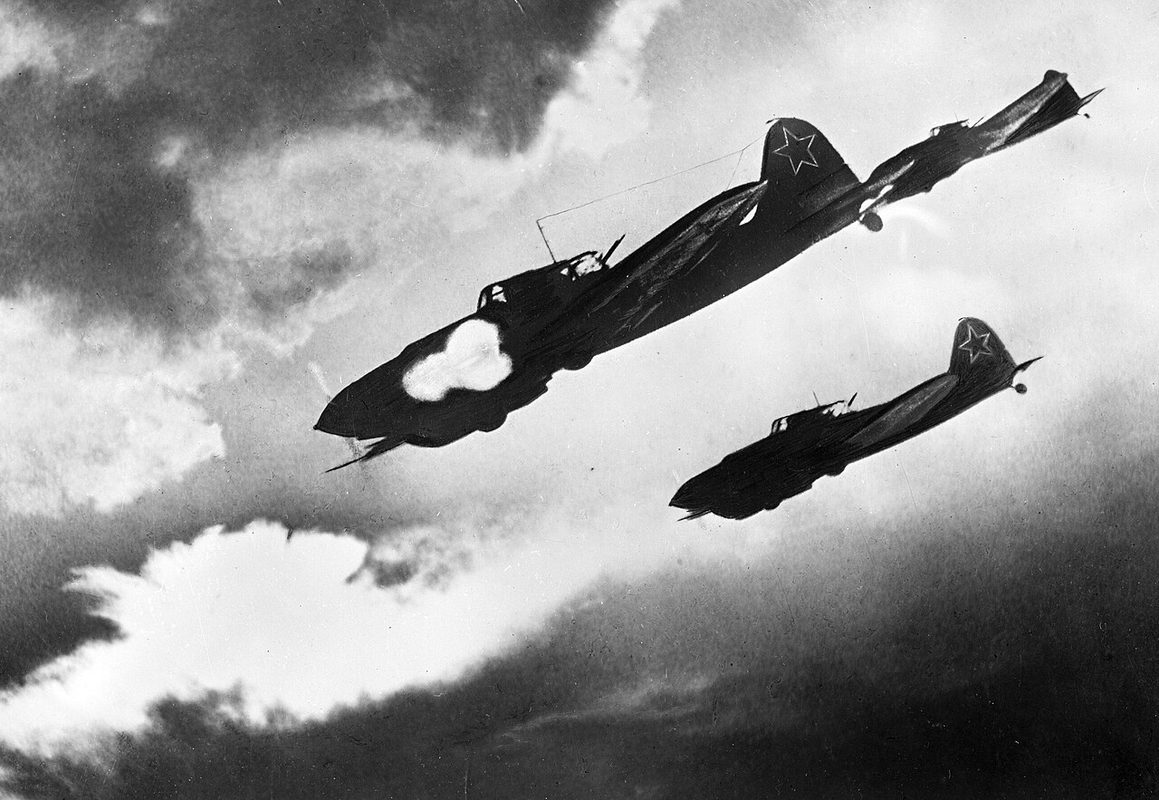
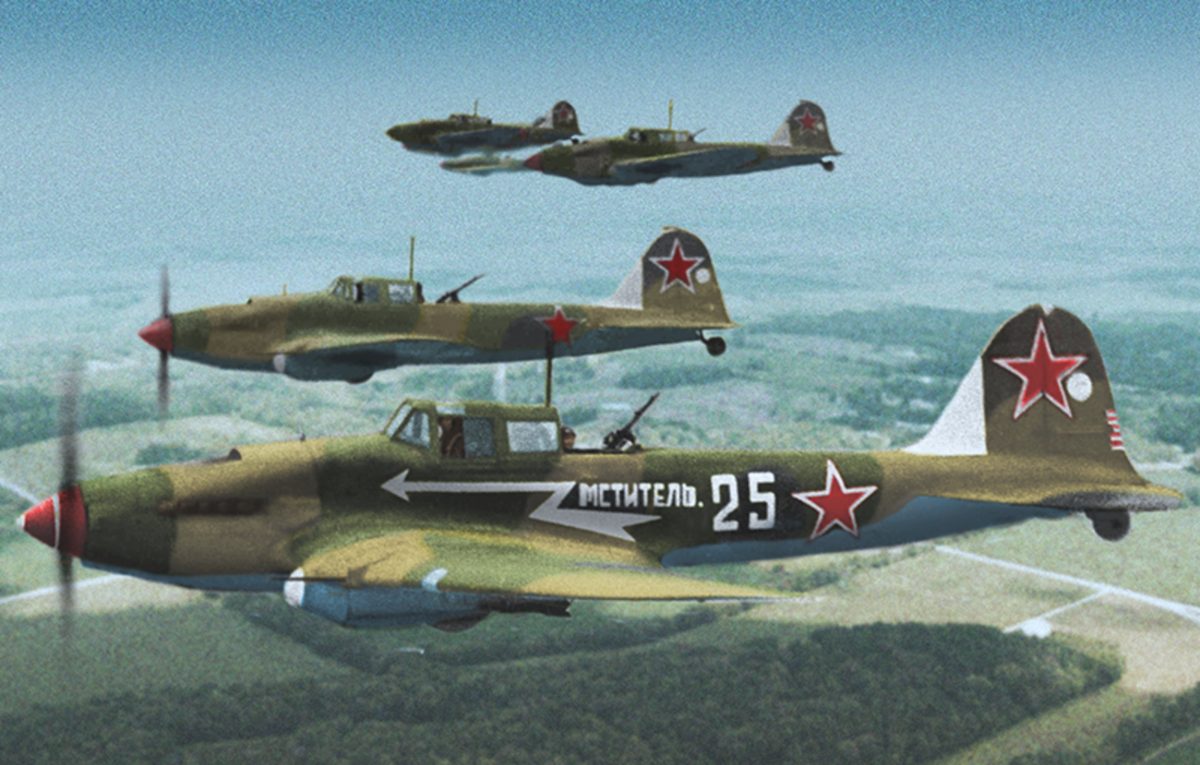
In 1938, Sergei Ilyushin submitted a proposal to the Soviet Air Force for a new kind of aircraft, a heavily armored ground-attack plane designed to survive the intense anti-aircraft fire over a modern battlefield. The concept was not entirely new. Several nations had experimented with armored attack planes during the interwar years. But Ilyushin's design went further than anything that had come before.
The original BSh-2 prototype was a two-seat aircraft with an armored shell that formed part of the aircraft's structural airframe, not bolted-on plates, but an integral load-bearing component of the fuselage. This was a radical approach. The armor wasn't dead weight carried by the airframe. It was the airframe. Steel plates between 4mm and 12mm thick formed a protective bathtub around the engine, cockpit, fuel tanks, and radiator, replacing the conventional aluminum skin in those critical areas.
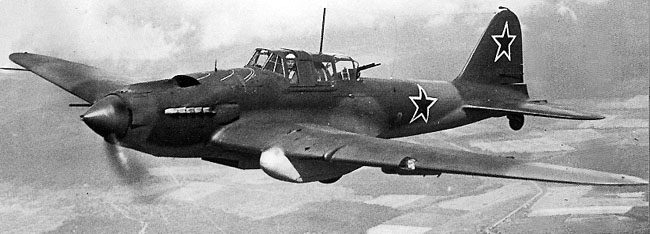
The first prototype flew in October 1939. Soviet officials were impressed by the concept but demanded changes. They wanted a single-seat version to save weight and improve performance. Ilyushin complied, removing the rear gunner position, a decision that would cost thousands of lives before it was reversed.
Design and Armor: The Flying Tank
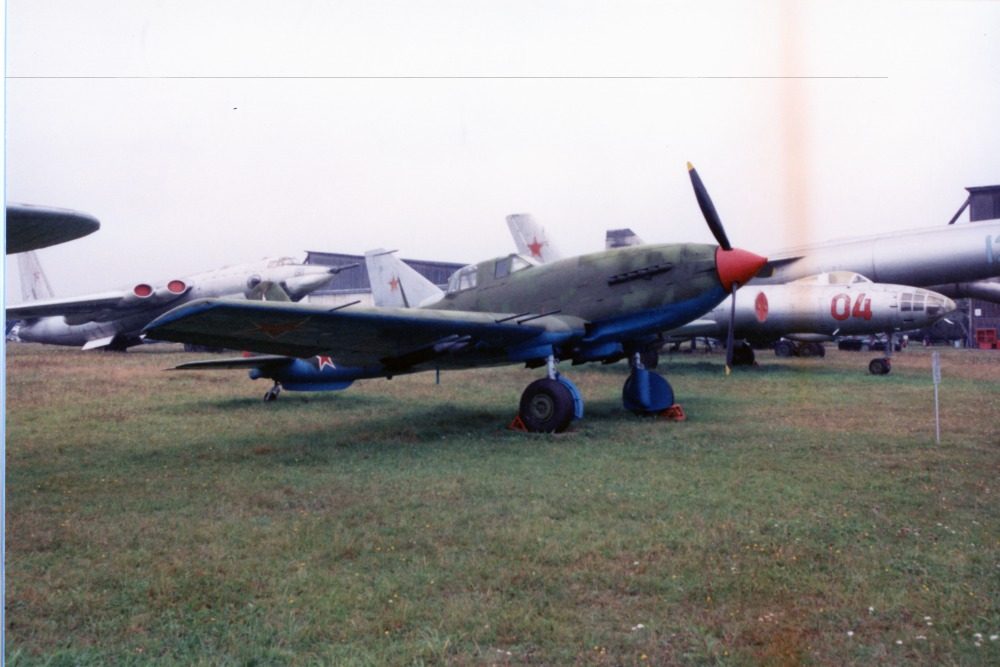
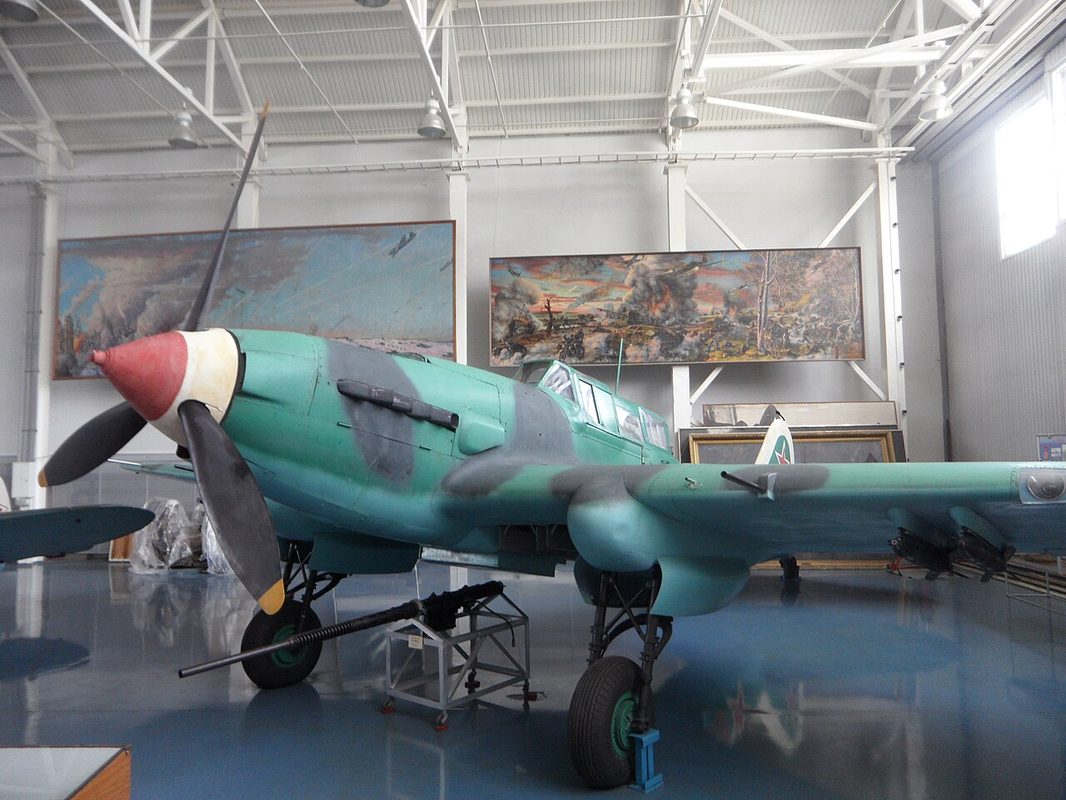
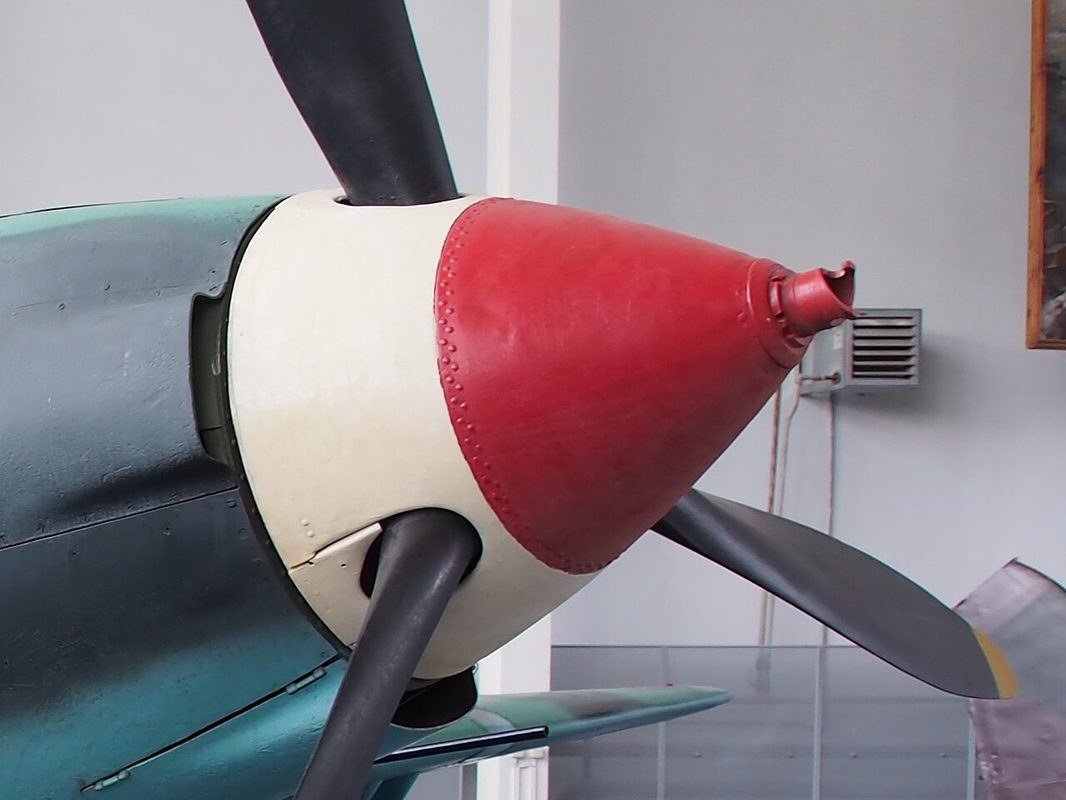
The IL-2's armor scheme was unlike anything else in the war. The armored shell weighed approximately 990 pounds and enclosed the entire forward section of the aircraft. The windscreen was 64mm thick armored glass. The engine, a Mikulin AM-38 liquid-cooled V-12 producing 1,680 horsepower, sat behind thick steel plates capable of deflecting 20mm cannon rounds at typical engagement angles.