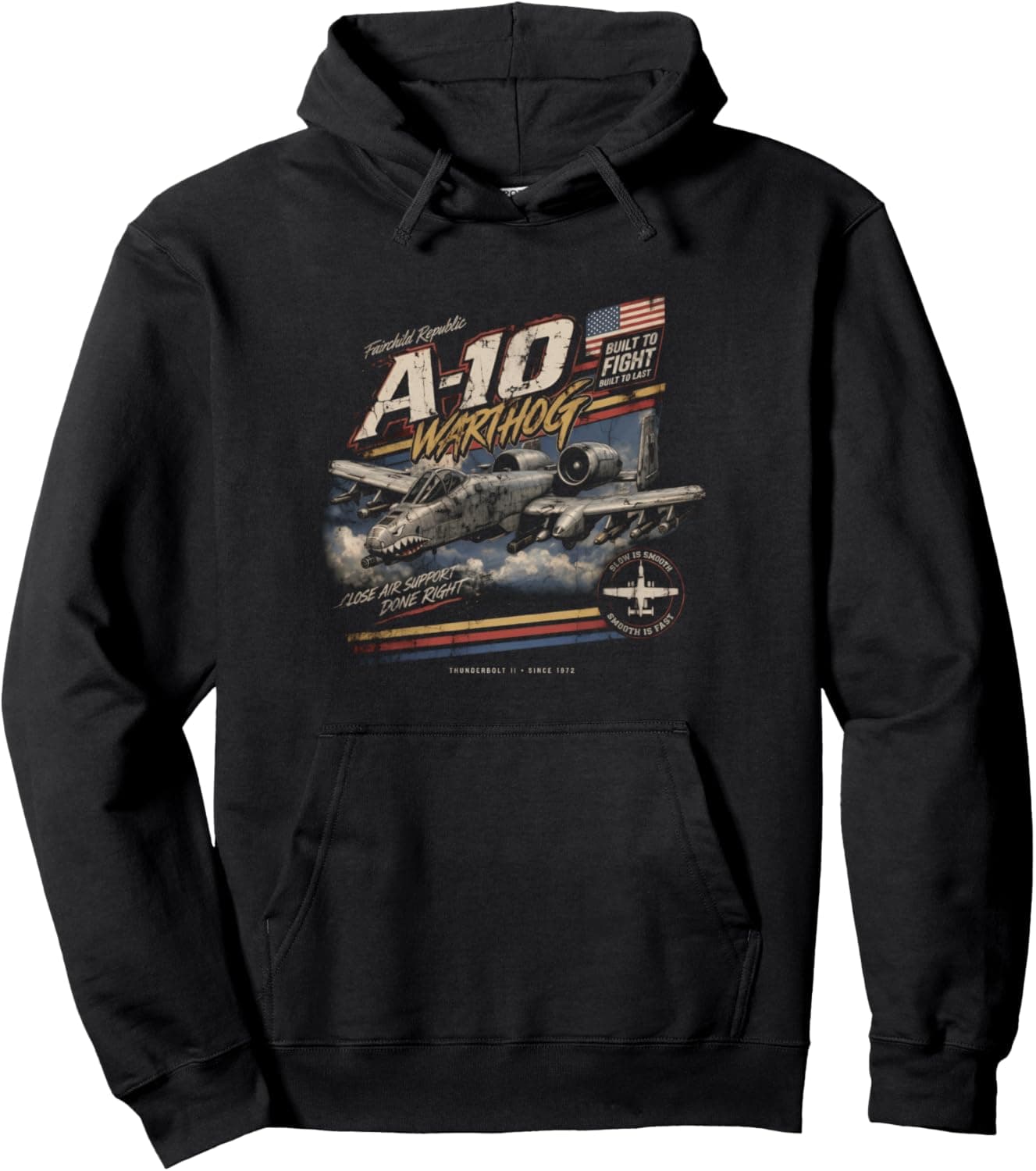
First, close air support is not just about dropping ordnance. It is about presence, communication, and judgment. An A-10 orbiting overhead at low altitude for two hours, in direct radio contact with a ground controller, responding to a fluid situation in real time: this provides something qualitatively different from an F-35 making a single pass at 25,000 feet. The GAO's 2016 assessment of close air support found that ground troops consistently report feeling more supported, more confident, and more willing to maneuver aggressively when a Warthog is overhead. Whether this "psychological effect" belongs in a Pentagon budget spreadsheet is debatable. Whether it affects combat outcomes is not.
Second, the Warthog's operating cost is a fraction of its potential replacements. Per Air Force cost-per-flight-hour data, the A-10 costs approximately $6,000 per flight hour. The F-35A runs roughly $35,000 per flight hour. Using a fifth-generation stealth fighter to perform a mission that a 1970s-era attack plane handles effectively is, by any accounting standard, an expensive way to fill a capability gap. For every hour of CAS coverage the A-10 provides, replacing it with an F-35 costs nearly six times more.
Third, not every future conflict will be against a peer adversary with advanced air defenses. The counterinsurgency and counterterrorism operations that dominated the post-9/11 era may not define the future, but they have not disappeared. As the Congressional Research Service reported in its assessment of close air support alternatives, the A-10 remains extraordinarily effective in permissive and semi-permissive environments, exactly the environments where close air support is most frequently needed.
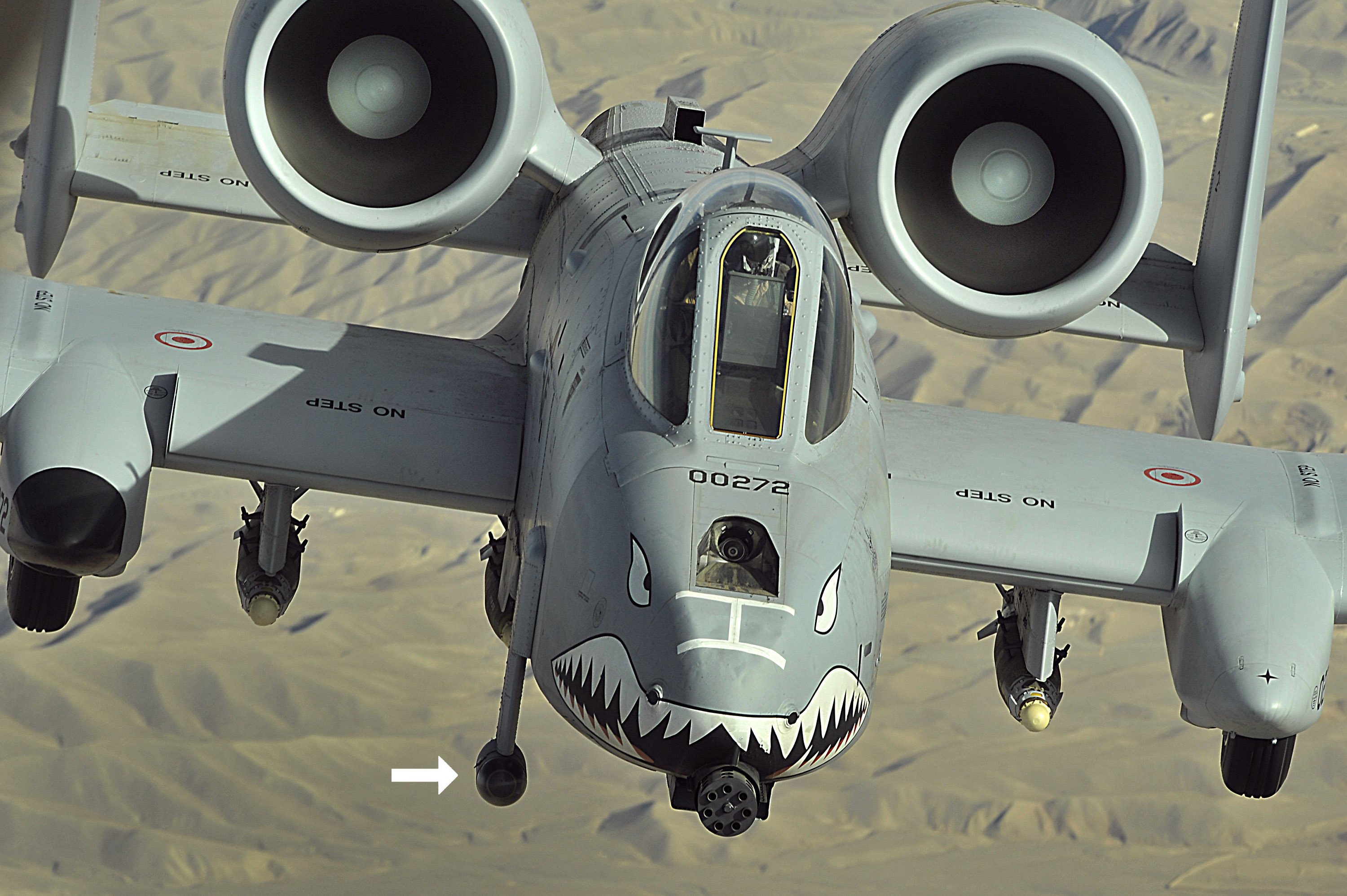
Fourth, the gun. Modern precision munitions are remarkable, but they require target coordinates, laser designation, or other external inputs. The GAU-8/A requires a pilot with eyes on the target. In situations where targets are moving, where the enemy is mixed with civilians, where coordinates are uncertain, or where the situation is changing faster than the targeting cycle can keep up, a pilot who can see what is happening and put rounds on target in seconds provides a capability that standoff weapons cannot replicate.
Congress Steps In, Again and Again
The political dimension of the A-10 story is as remarkable as the operational one. The U.S. Congress has intervened to block A-10 retirement multiple times, and the motivations are more complex than simple pork-barrel politics.
In 2014, the Air Force proposed retiring the entire A-10 fleet to save approximately $3.5 billion over five years, freeing funds and maintenance personnel for the F-35 ramp-up. Congress blocked the move. In 2015, the Air Force tried again, proposing a phased drawdown. Congress blocked it again, inserting language into the National Defense Authorization Act that specifically prohibited reducing the A-10 fleet below a certain number.
The congressional pushback was not primarily about jobs in A-10 basing districts, though that played a role. It was driven by testimony from ground combat veterans and active-duty Army and Marine officers who told lawmakers, bluntly, that no other aircraft provided the same level of close air support. When a sergeant who has been in a firefight tells a senator that the A-10 saved his life and nothing else in the sky could have done the same job, that testimony carries weight that cost-benefit analyses struggle to match.