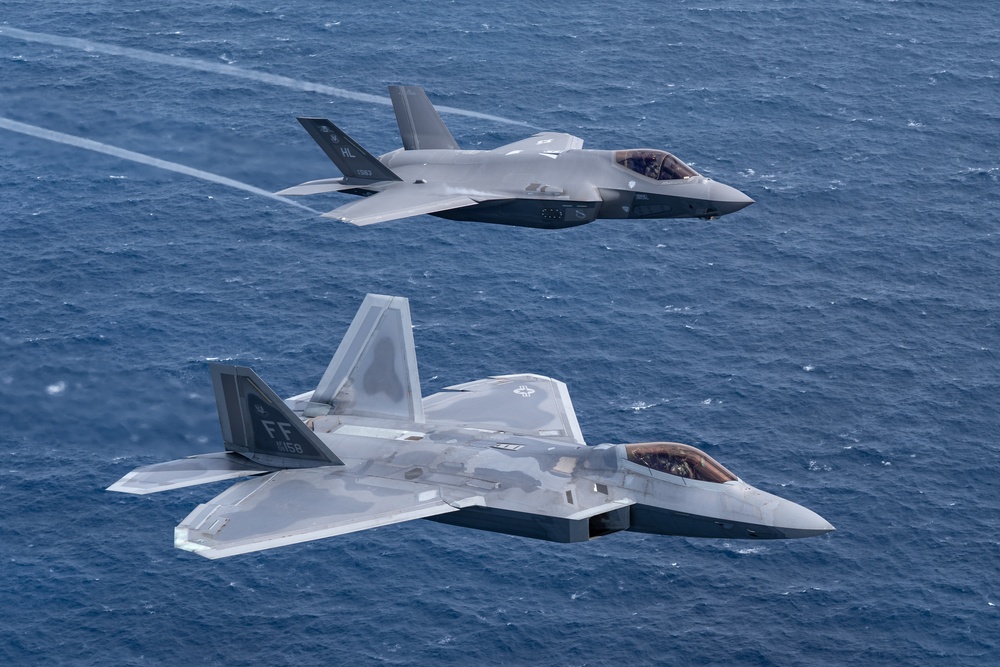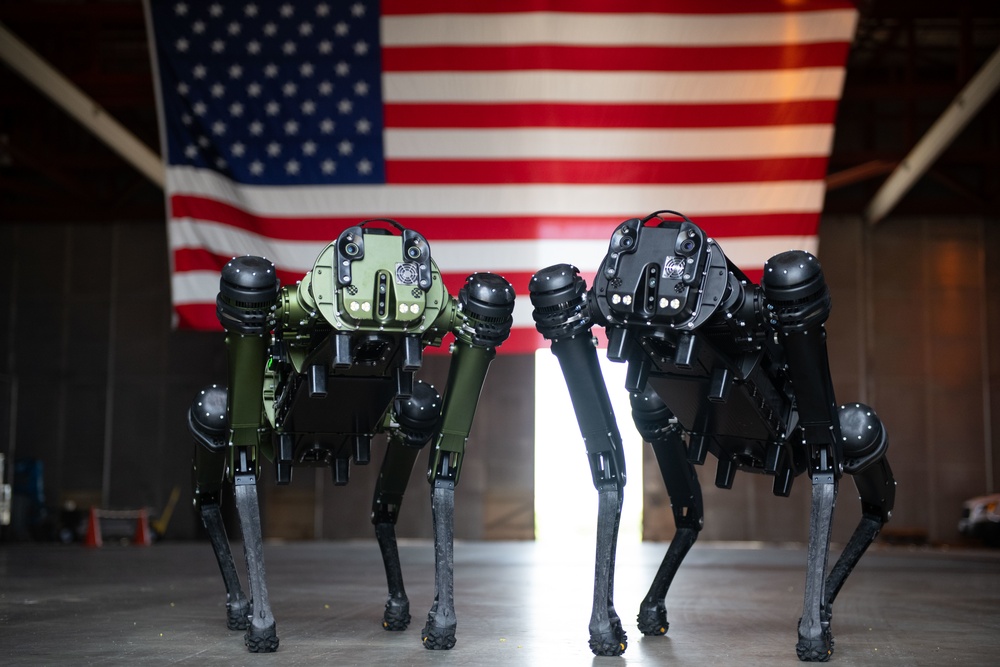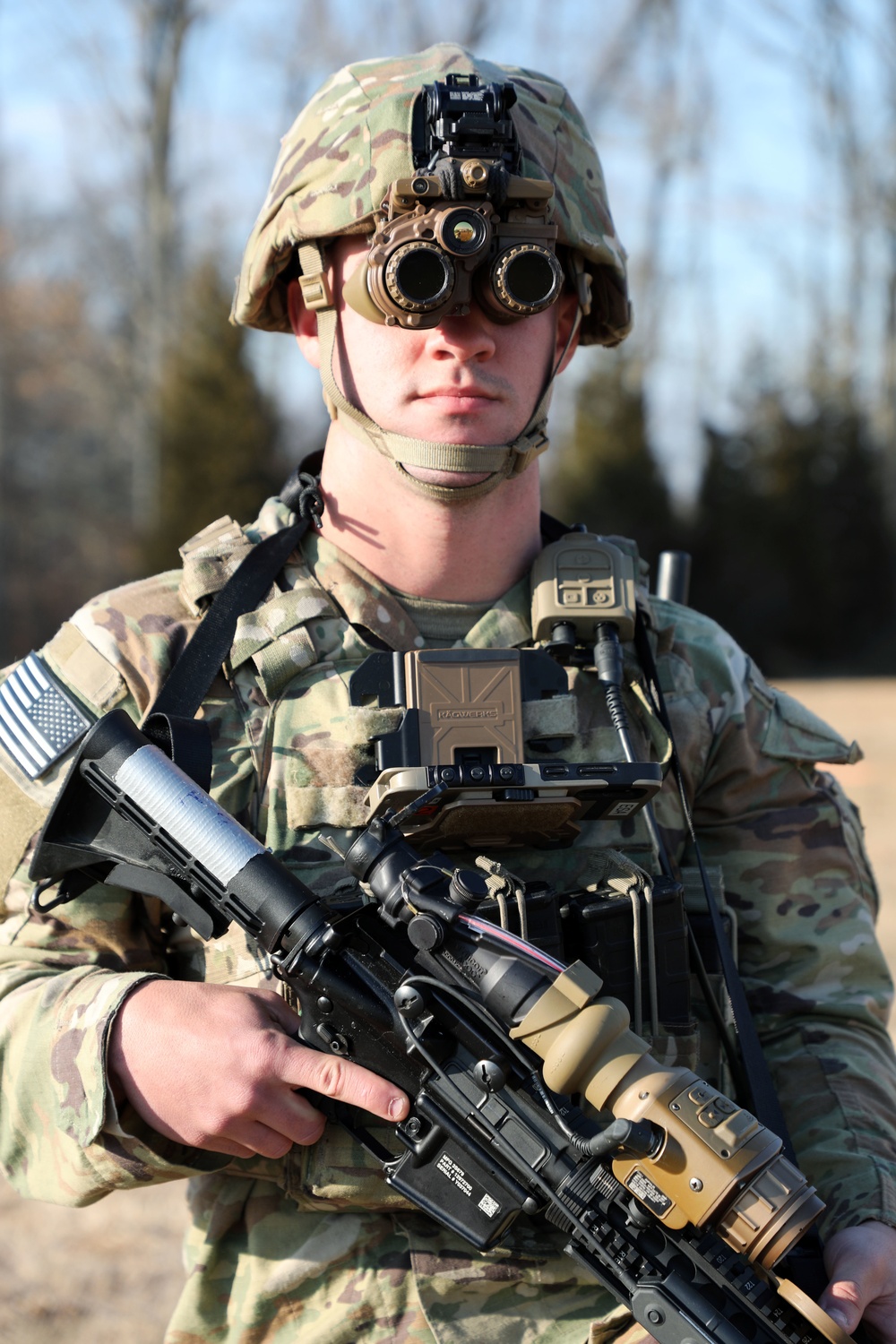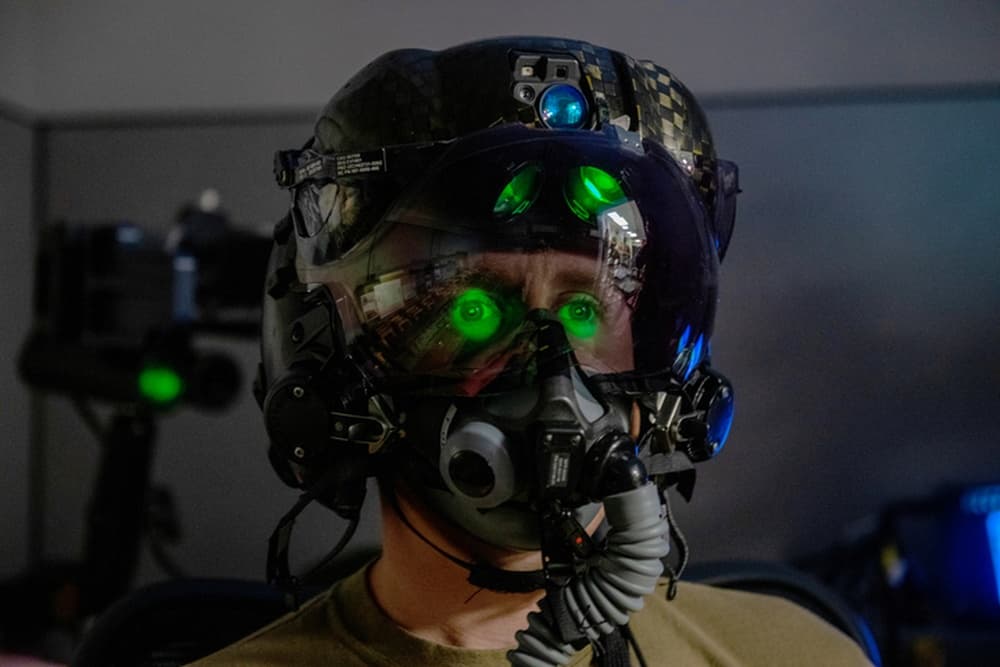

Science fiction has long shaped how we imagine future warfare: laser cannons burning through armor, pilots seeing through their aircraft, and autonomous machines patrolling perimeters. What many people don't realize is that several of these technologies have quietly transitioned from imagination to operational reality. They're not prototypes locked away in research labs or concepts awaiting funding approval - they're fielded systems, used routinely by military personnel who treat them as ordinary tools.
The gap between science fiction and military reality has narrowed dramatically over the past two decades. Technologies that seemed impossibly futuristic during the Gulf War are now standard equipment. The soldiers and sailors using them rarely pause to consider how remarkable these capabilities are - when something works every day, it stops feeling extraordinary. That normalization is itself significant: it suggests how quickly revolutionary technology becomes routine once it proves reliable.
This article examines seven military technologies that sound like they belong in a science fiction film but are already in operational use. For each, we'll explain what it is, where it's deployed, why it initially sounds fantastical, and why the people who use it every day consider it simply part of the job. The goal is not to marvel at technological progress but to understand how capabilities once considered impossible have become mundane - and what that transition reveals about military technology development.
1. Directed-Energy Weapons (Ship-Mounted Lasers)
What it is: A high-energy laser weapon mounted on a naval vessel, capable of engaging and destroying airborne targets, small boats, and drones using concentrated light rather than conventional ammunition.