#5 — Panther: The Best Medium Tank of World War II
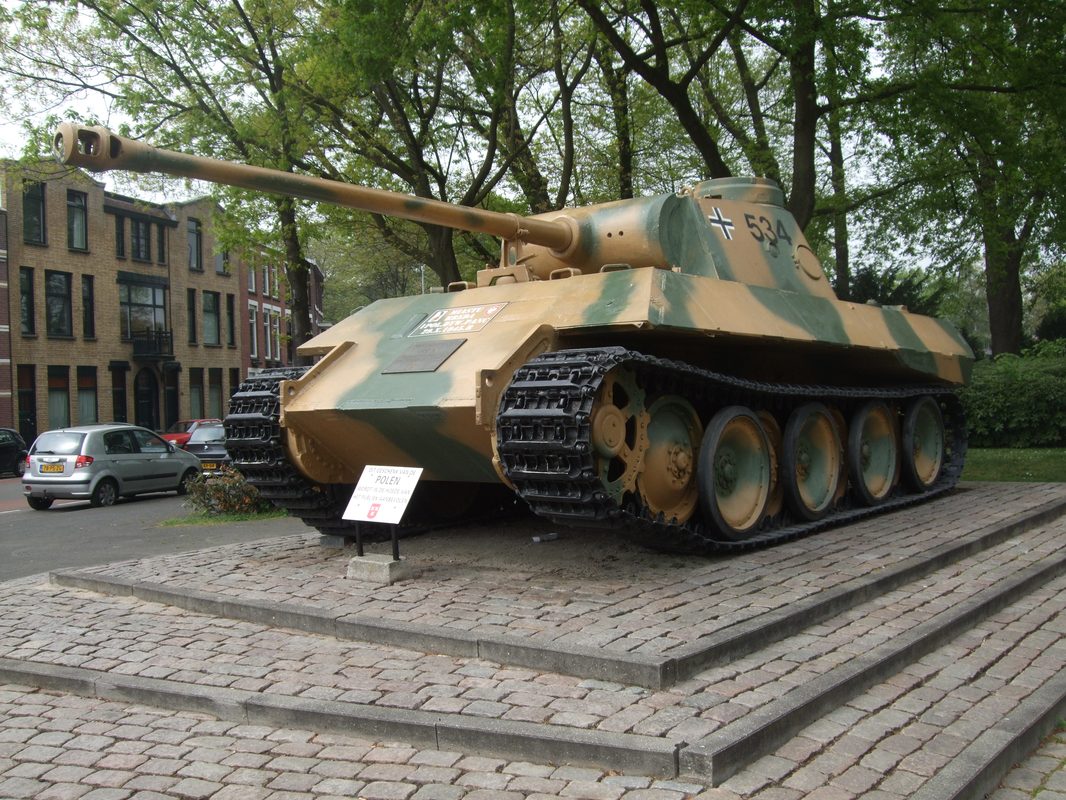
The Panther's 75mm KwK 42 L/70 gun could penetrate 124mm of armor at 1,000 meters — it outperformed the Tiger I's 88mm at long range despite being a smaller caliber. Its 80mm glacis, sloped at 55 degrees, provided an effective armor thickness of 140mm, making it virtually impervious to the Sherman's 75mm and the T-34's 76mm from the front.
Designed as a direct response to the T-34's shocking appearance on the Eastern Front, the Panther combined sloped armor, a high-velocity gun, wide tracks for low ground pressure, and a reliable suspension into a 45-ton package that many historians consider the best tank design of WWII. Over 6,000 were built from January 1943 to April 1945. At Kursk, Panthers of the Grossdeutschland Division engaged T-34s at ranges exceeding 2 kilometers. Post-war, the French Army operated captured Panthers (as the "Char Panther") until 1949, and both the Soviets and Americans extensively tested them. Early Panthers at Kursk suffered catastrophic mechanical failures — transmissions and final drives gave out at alarming rates. But by 1944, these issues were largely resolved. The Panther set the template for what a modern main battle tank should be — firepower, protection, and mobility in balance. Every post-war MBT carries its DNA in the philosophy of armored warfare.