
8 Amphibious Assaults That Succeeded Against Impossible Odds


MILITARY HISTORY EDITOR
Daniel Mercer writes about military history with a focus on the 20th century, including World War II, the Cold War, and Vietnam. His work looks at how decisions made decades ago still influence doctrine, planning, and assumptions today.
Attacking from the sea is the hardest operation in warfare. The defenders know you are coming. The beach is a kill zone with zero cover. Your forces arrive seasick, disorganized, and dependent on a logistics chain that stretches across open water. Every military textbook acknowledges that a contested amphibious landing requires a minimum 3-to-1 force ratio, and even then, success is not guaranteed. The history of amphibious warfare is littered with disasters. But some landings succeeded against odds that, by any rational calculation, should have been impossible. These eight assaults changed the course of their wars and, in several cases, the course of history.
1. D-Day: Normandy, June 6, 1944
The largest amphibious invasion in history remains the most consequential. On June 6, 1944, roughly 156,000 Allied troops crossed the English Channel and landed on five beaches along a 50-mile stretch of the Normandy coast. The operation involved 5,000 ships, 13,000 aircraft, and a deception campaign so elaborate that the German high command was still uncertain whether Normandy was the real invasion or a diversion for weeks after the landings.
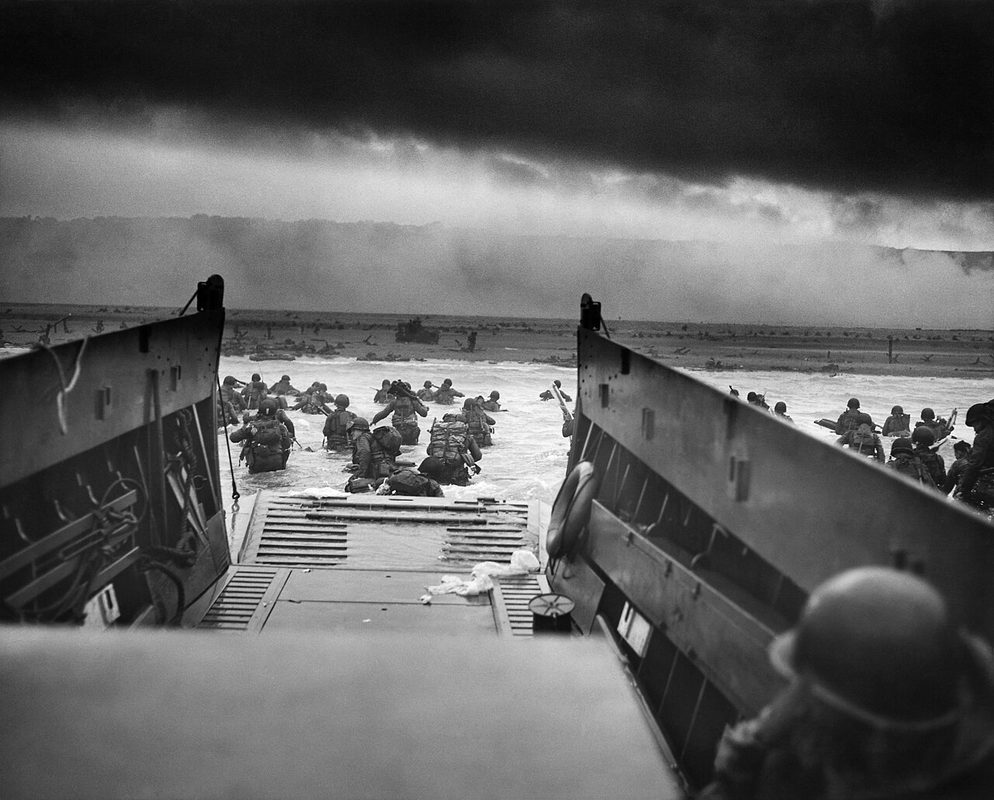
The landings were not uniformly successful. Omaha Beach was a near-disaster, the assault force faced a fortified bluff, accurate German fire, and tidal conditions that funneled troops into kill zones. Casualties on Omaha exceeded 2,000 on D-Day alone. But at Utah, Gold, Juno, and Sword, the combination of naval bombardment, air superiority, airborne operations behind the beaches, and sheer force of numbers overwhelmed the German defenses. By nightfall, the Allies held a continuous beachhead and the liberation of Western Europe had begun.
What made Normandy possible was not just military power but logistical innovation. The Mulberry artificial harbors, PLUTO (Pipeline Under the Ocean) fuel supply, and the relentless planning of Operation Overlord's logistics staff solved problems that had never been attempted at this scale. The Allies did not just assault a beach. They built a port on one.


2. Inchon, September 15, 1950
General Douglas MacArthur's landing at Inchon is the textbook example of operational audacity overcoming tactical disadvantage. In September 1950, North Korean forces had pushed the UN command into a desperate perimeter around Pusan in the southeast corner of the Korean Peninsula. MacArthur proposed landing at Inchon, the port city near Seoul, 150 miles behind enemy lines. His own staff thought he was insane.
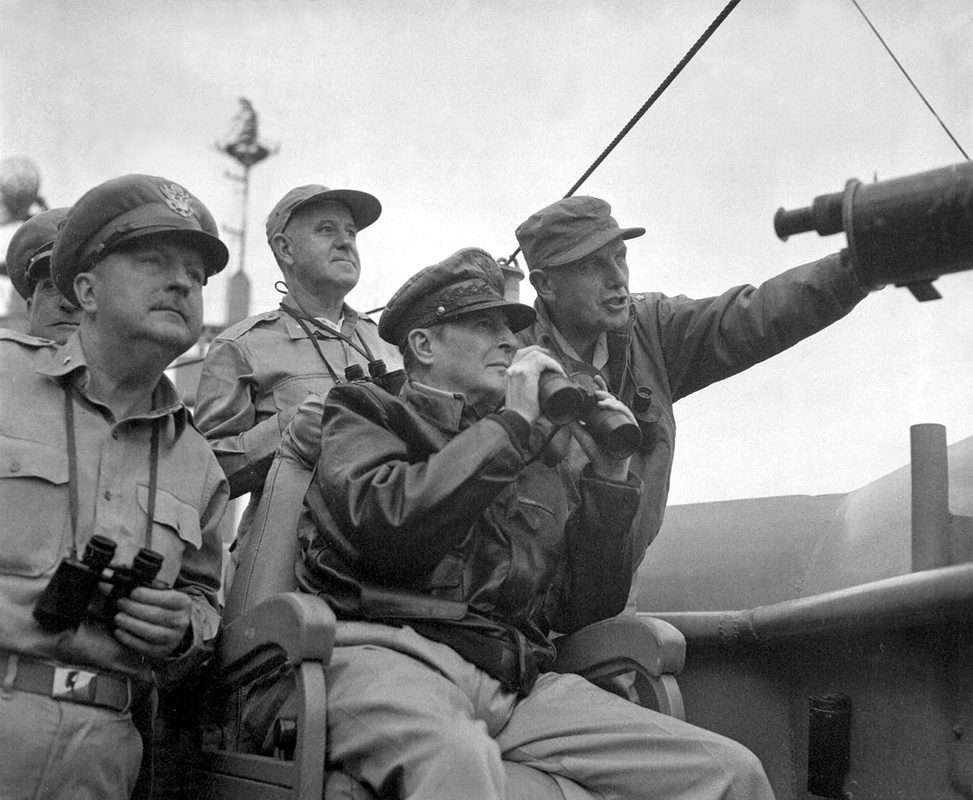
The obstacles were extraordinary. Inchon's tidal range was one of the largest in the world, over 30 feet. Landing craft could only approach during high tide and would be stranded on mudflats if the timing was wrong. The approach channel was narrow, winding, and easily mined. A fortified island, Wolmi-do, commanded the harbor entrance. The Navy and Marines told MacArthur the odds were 5,000 to one against success. He did it anyway.
The landing succeeded brilliantly. The 1st Marine Division and 7th Infantry Division came ashore against light resistance. The North Koreans had not fortified Inchon because they considered it impossible. Within two weeks, Seoul was recaptured and the North Korean army in the south was cut off from its supply lines. The Pusan perimeter broke out and the war's momentum reversed completely. Inchon was MacArthur's masterpiece, a triumph of operational vision over every rational objection.
3. Guadalcanal, August 7, 1942
The first major Allied offensive in the Pacific was also one of the most precarious. On August 7, 1942, the 1st Marine Division landed on Guadalcanal in the Solomon Islands to seize an airfield the Japanese were building. The Marines achieved tactical surprise. The Japanese garrison was small and the initial landings were largely unopposed. But what followed was six months of brutal fighting that came dangerously close to ending in American defeat.
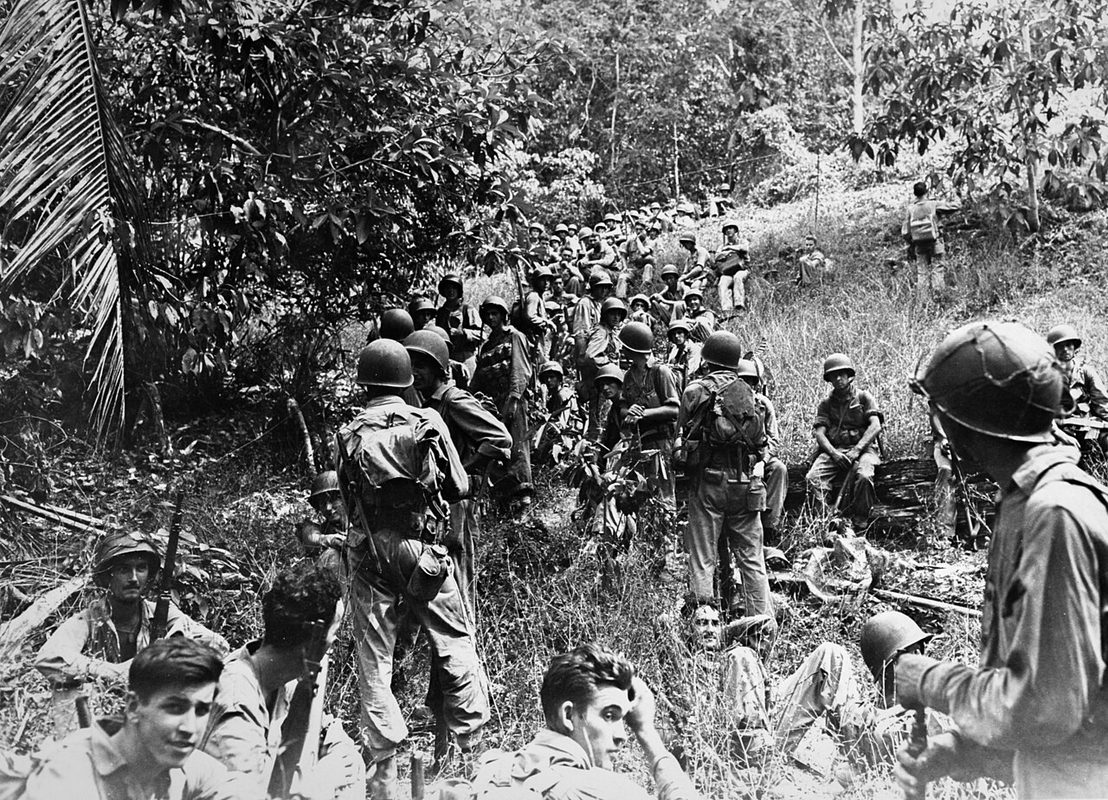
The Japanese Navy struck back immediately, destroying four Allied cruisers at the Battle of Savo Island just two days after the landings. The Navy withdrew its transport ships, stranding the Marines on Guadalcanal with only partial supplies unloaded. For weeks, the Marines held Henderson Field against repeated Japanese counterattacks while dependent on sporadic resupply runs by destroyers. The fighting was close-quarters, often hand-to-hand, in jungle terrain that negated American material advantages.
Guadalcanal succeeded because the Marines held the airfield. Control of Henderson Field gave the Americans local air superiority during daylight hours, which prevented the Japanese from landing reinforcements in strength. The Japanese could only resupply by destroyer at night, the "Tokyo Express," which was insufficient to sustain an offensive. By February 1943, Japan evacuated its surviving forces. The offensive tide in the Pacific had turned.
Affiliate links. We earn commissions
Vietnam: An Epic Tragedy by Max Hastings
$18 on Amazon

Hastings covers Vietnam from 1945 to 1975, drawing on Vietnamese, French, and American sources to build the most comprehensive single-volume account of the conflict available in English.
4. Iwo Jima, February 19, 1945
Iwo Jima was an amphibious assault where the defenders had every advantage and knew it. General Tadamichi Kuribayashi had spent months fortifying the eight-square-mile volcanic island with 11 miles of interconnected tunnels, 1,500 bunkers and pillboxes, and a defense-in-depth strategy designed to make every yard of advance cost American lives. He ordered his 21,000 troops not to waste themselves in banzai charges but to fight from their positions until killed. There would be no retreat and no surrender.
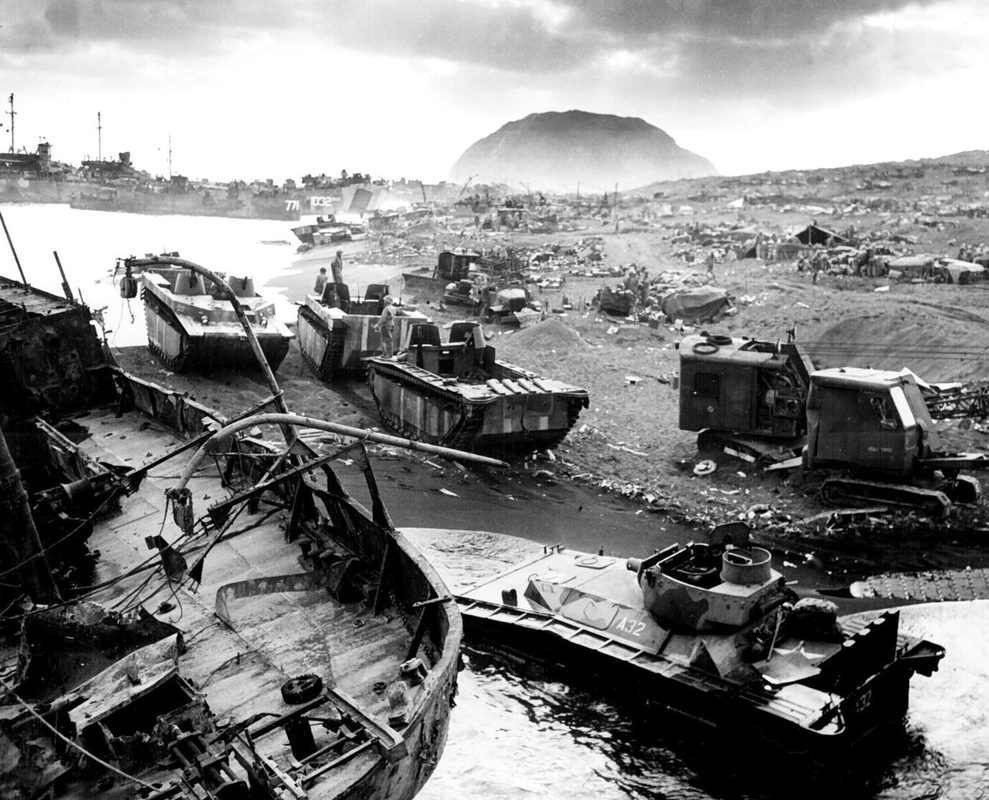
The 70,000 Marines who landed on Iwo Jima's black volcanic sand beaches on February 19 faced some of the most intense defensive fire of the entire Pacific war. The soft sand bogged down vehicles and made movement under fire agonizing. Kuribayashi's tunnels allowed the Japanese to shift forces underground and reoccupy positions that Marines thought they had cleared. The battle lasted 36 days. Nearly 7,000 Marines were killed and another 20,000 wounded. Of the 21,000 Japanese defenders, only 216 survived as prisoners.
The island was needed for its airfields, B-29 bombers flying from the Marianas to Japan could use Iwo Jima as an emergency landing site and a base for P-51 fighter escorts. By war's end, over 2,400 B-29 emergency landings had been made on Iwo Jima, saving an estimated 24,000 aircrew members. Whether the cost justified the objective remains one of the Pacific war's most debated questions.
5. Sicily (Operation Husky), July 10, 1943
The Allied invasion of Sicily was the largest amphibious operation of the war until Normandy, and in some ways it was the rehearsal that made D-Day possible. On July 10, 1943, approximately 160,000 British and American troops landed across 26 beaches on the south coast of Sicily. The invasion fleet comprised over 3,000 ships and landing craft, coordinated across a front spanning over 100 miles.
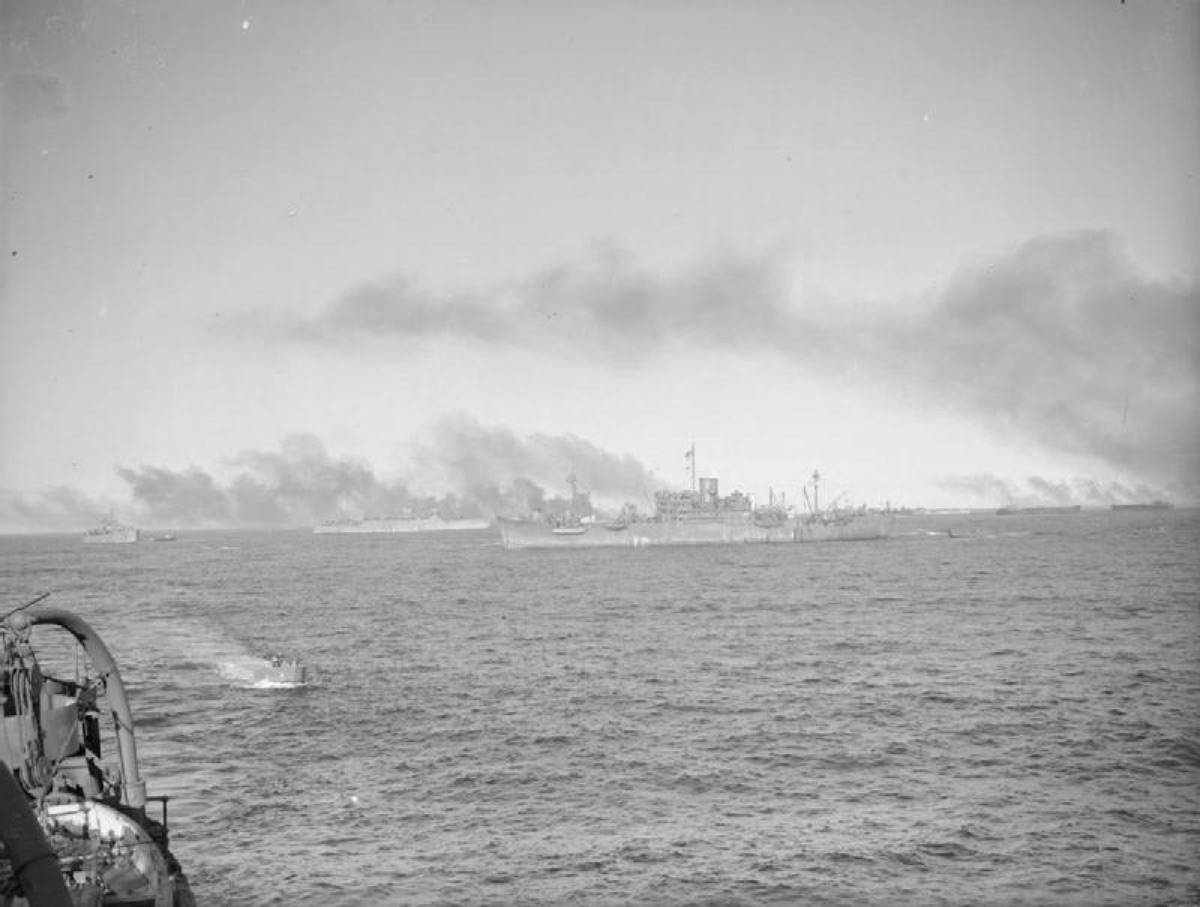
The initial landings were complicated by high winds and rough seas that scattered airborne forces and complicated beach approaches. Paratroopers of the 82nd Airborne Division were dropped widely off their targets, and friendly fire incidents during the airborne phase killed 23 aircraft and numerous paratroopers. But the beach landings themselves succeeded against Italian coastal divisions that offered uneven resistance, some fought hard, many surrendered quickly.
Sicily's importance was strategic. The successful invasion knocked Italy out of the war within two months, forcing Germany to divert forces to defend the Italian peninsula. It also provided the Allies with invaluable experience in combined amphibious operations, naval gunfire support, beach logistics, and airborne integration. The mistakes made in Sicily, particularly in airborne operations and naval coordination, were studied intensively and corrected for Normandy.
Affiliate links. We earn commissions
The Second World War by Antony Beevor
$19 on Amazon

A sweeping single-volume history of the entire war, covering every theater from the invasion of Poland to the atomic bombs. Beevor connects the European, Pacific, and North African campaigns into a single coherent narrative.
6. Okinawa, April 1, 1945
The invasion of Okinawa was the largest amphibious assault in the Pacific war, involving over 180,000 troops from the U.S. Army's Tenth Army and III Amphibious Corps (Marines). The invasion fleet was enormous, over 1,300 ships, the largest naval force ever assembled for a single operation. The objective was the last major island before Japan itself, and the Japanese treated it as a fight for national survival.
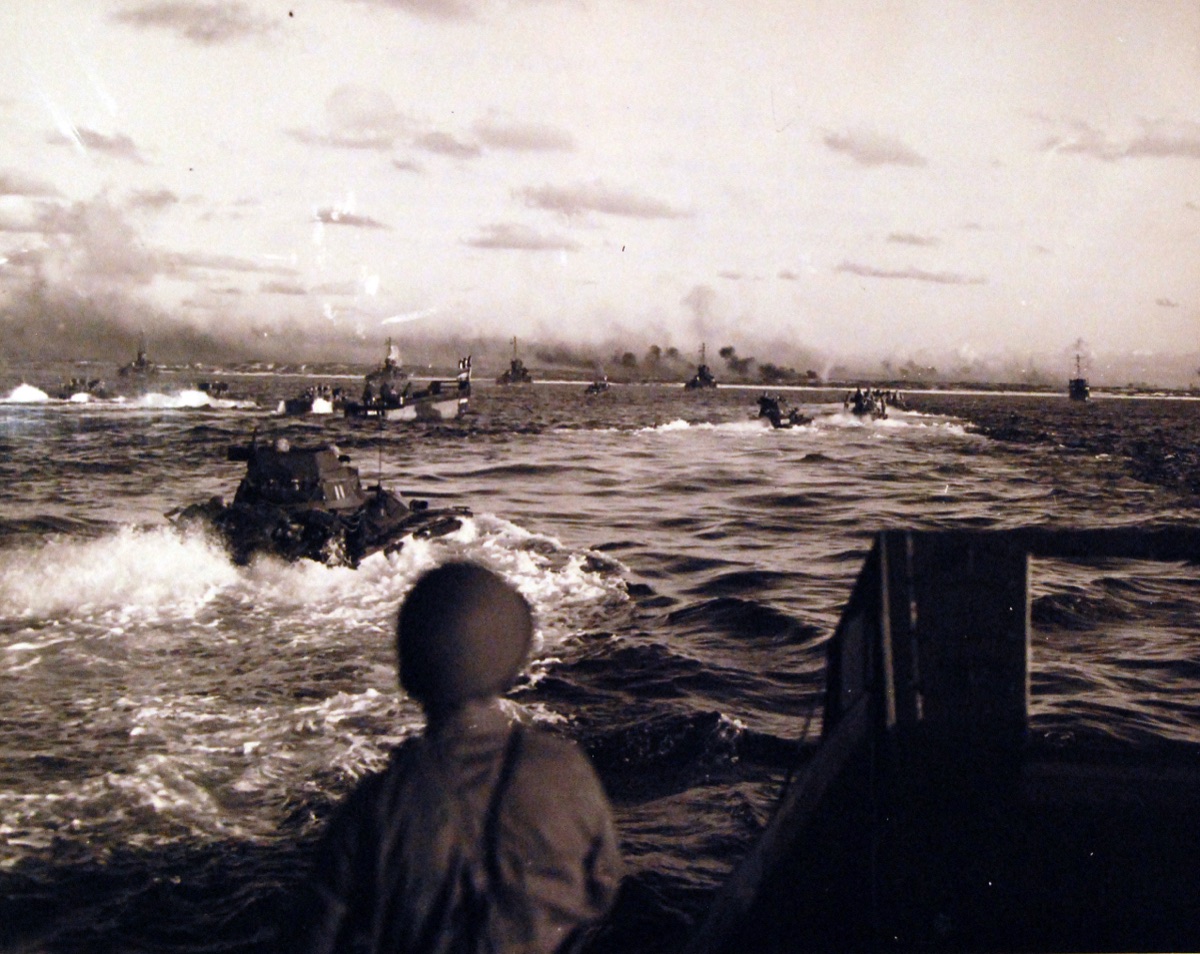
The initial landings on April 1, 1945, were eerily unopposed. The Japanese commander, Lieutenant General Mitsuru Ushijima, had withdrawn his 100,000-man garrison to fortified positions in the island's southern hills, choosing to fight a war of attrition rather than contest the beaches. The real battle began when American forces pushed south and hit the Shuri Line, a network of fortified ridgelines, caves, and tunnels that took nearly three months to reduce.
At sea, the invasion fleet endured the most sustained kamikaze campaign of the war. Over 1,900 kamikaze sorties sank 36 ships and damaged 368 more. The battle lasted 82 days and cost over 12,000 American dead and 36,000 wounded. Japanese military casualties exceeded 100,000 killed. The ferocity of Okinawa's defense was a primary factor in the decision to use atomic weapons against Japan rather than launch the planned invasion of the home islands.
7. Tarawa, November 20, 1943
Tarawa was where the United States learned, in blood, the true cost of opposed amphibious assault against a fortified island. The tiny atoll of Betio, barely a mile long, was defended by 4,800 Japanese marines in reinforced concrete bunkers connected by trenches and protected by coconut log barricades and coral reef obstacles. The defenders had been told to make the Americans pay for every inch.
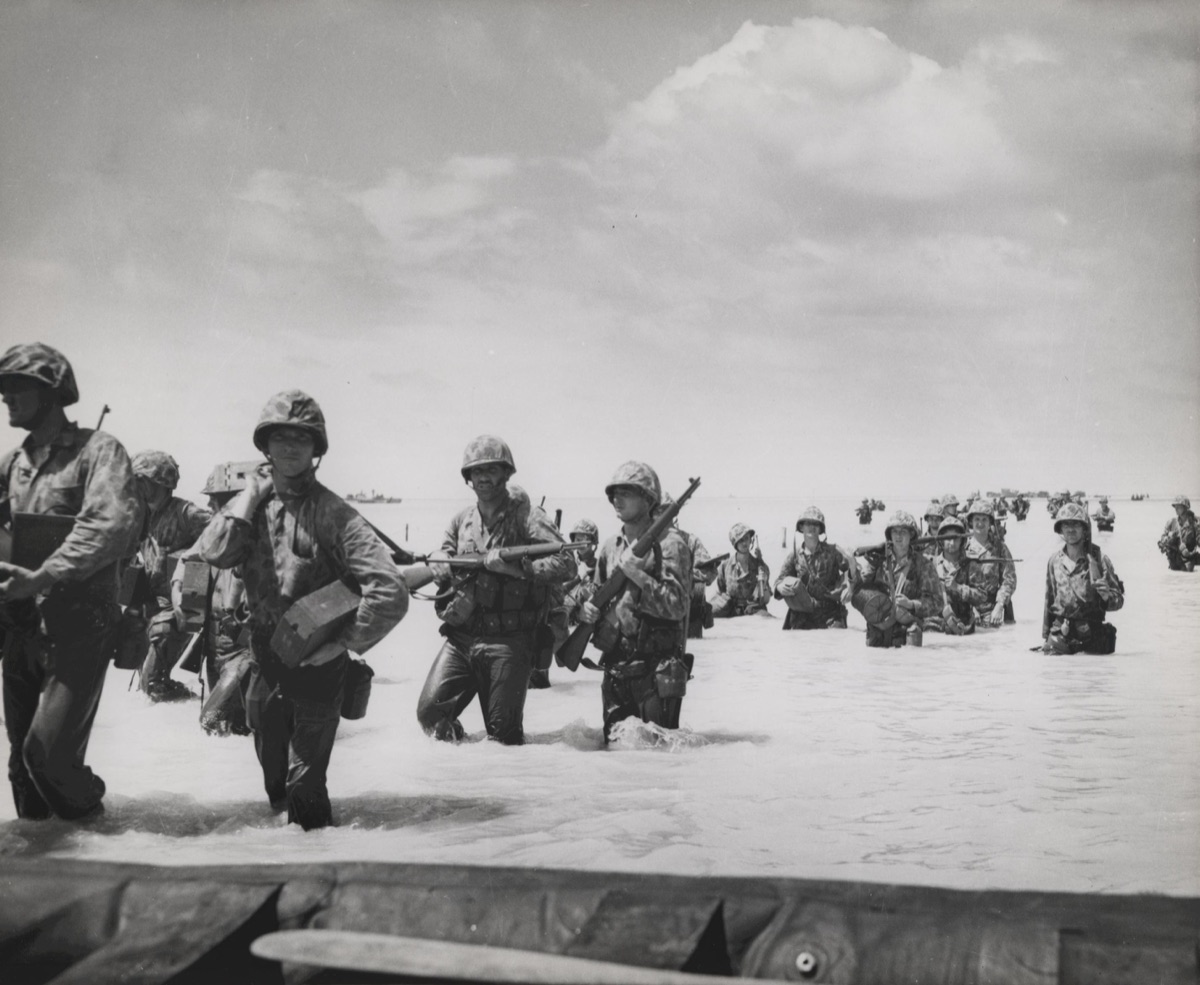
The landing nearly failed because of the tide. The Marines' Higgins boats needed four feet of water over the reef to reach the beach. On November 20, a neap tide left only three feet. Hundreds of boats grounded on the reef 500 yards from shore, and Marines had to wade across the exposed reef flat under direct machine gun fire. The casualties were appalling, over 1,000 Marines killed and 2,000 wounded in 76 hours of fighting. Nearly all 4,800 Japanese defenders died.
The American public was shocked by newsreel footage showing dead Marines floating in the lagoon and stacked on the beach. But Tarawa's brutal lessons, the need for better amphibious tractors that could cross reefs, improved naval gunfire support, underwater demolition teams to clear obstacles, and more accurate tidal predictions, were applied to every subsequent Pacific landing. The men who died at Tarawa made Iwo Jima, Okinawa, and every later assault less deadly than it would otherwise have been.
Affiliate links. We earn commissions
National Geographic Atlas of World War II by Neil Kagan
$35 on Amazon

National Geographic brings its cartographic expertise to WW2, with over 50 detailed campaign maps showing troop movements, supply lines, and terrain across every major theater. Supplemented with archival photographs, the atlas turns abstract strategic concepts into something you can see and trace with your finger.
8. Falklands (San Carlos Water), May 21, 1982
The British landing at San Carlos Water during the Falklands War was the last major opposed amphibious assault conducted by a Western military, and it demonstrated that the fundamentals of amphibious warfare had not changed despite forty years of technological advancement. Britain had to project an amphibious force 8,000 miles from home into the South Atlantic, land on islands defended by a larger Argentine garrison, and sustain operations with a logistics chain stretched to its absolute limit.
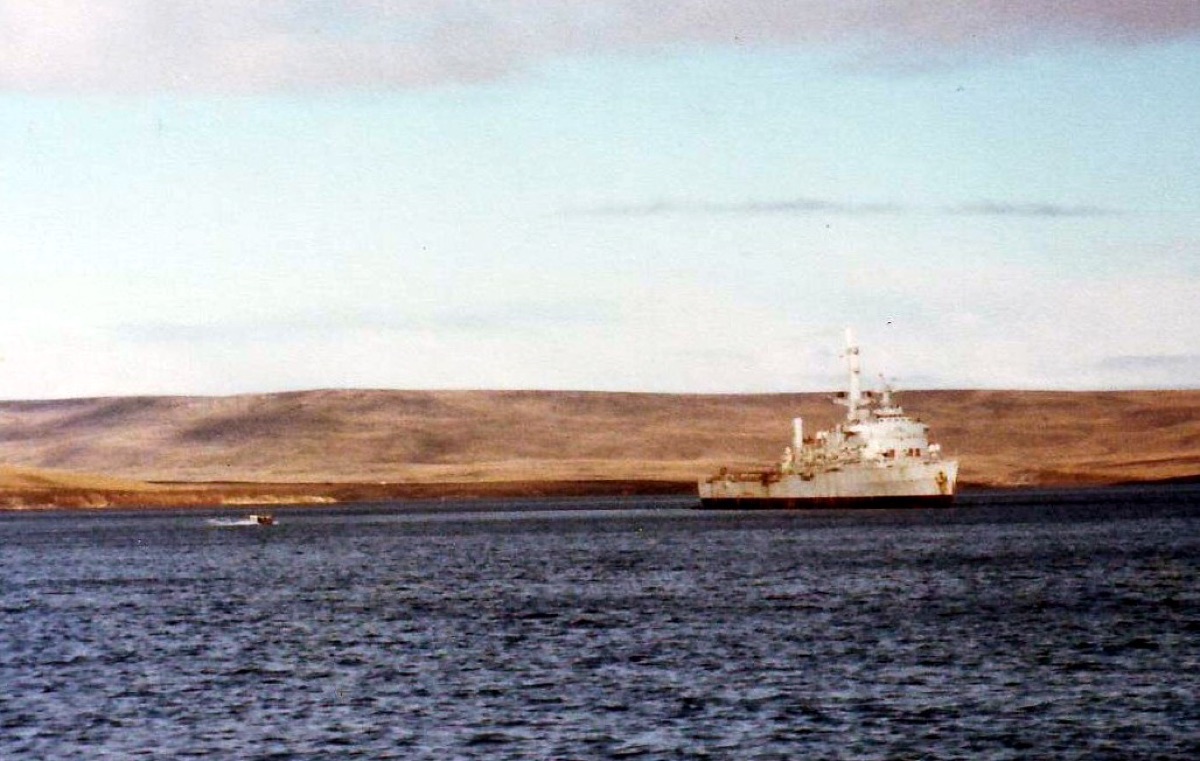
The landings at San Carlos on May 21 were themselves successful. The Argentine forces did not contest the beach. But the landing area, known as "Bomb Alley," was subjected to ferocious Argentine air attacks over the following days. The frigates HMS Ardent and HMS Antelope were sunk, the destroyer HMS Coventry was lost, and the container ship Atlantic Conveyor, carrying helicopters critical to the ground advance, was destroyed by an Exocet missile. The loss of helicopters on the Atlantic Conveyor forced the Royal Marines and Paras to march ("yomp") across East Falkland to Stanley, one of the most grueling infantry marches in modern military history.
The Falklands proved that in the missile age, amphibious forces are extraordinarily vulnerable during the landing phase. The British lost six ships and had many more damaged, losses that would be catastrophic in a longer conflict. The operation succeeded because Argentine ground forces did not counterattack the beachhead effectively and because British special forces and naval gunfire suppressed the most dangerous Argentine positions. It was a closer-run thing than the triumphant narrative often suggests.
The Common Thread
Every successful amphibious assault on this list shares a paradox: they worked because the attackers committed to a plan that, objectively, should have failed. MacArthur's staff was right that Inchon was a terrible place to land. The tides at Tarawa were genuinely unfavorable. The Japanese defenses at Iwo Jima were genuinely formidable. In each case, success required not just material superiority but a willingness to absorb devastating casualties in pursuit of an objective deemed worth the cost.
Modern military planners study these operations not as templates to replicate but as warnings about the cost of forced entry from the sea. In an era of precision-guided anti-ship missiles, satellite surveillance, and coastal defense systems that can engage targets 200 miles offshore, the amphibious assault has become harder, not easier, since 1945. Whether a large-scale opposed landing is even feasible in the 21st century is one of the most consequential unanswered questions in military planning.
Frequently Asked Questions
What was the largest amphibious assault in history?
D-Day at Normandy on June 6, 1944, was the largest amphibious assault in history, involving approximately 156,000 troops, 5,000 ships, and 13,000 aircraft. The invasion of Okinawa in April 1945 involved more troops overall (180,000+) but the initial landing force was smaller than Normandy's.
What was the last major amphibious assault?
The British landing at San Carlos Water in the Falkland Islands on May 21, 1982, was the last major opposed amphibious landing by a Western military. The U.S. Marines have conducted amphibious operations since then, but none involved a contested beach landing against a conventional military force.
Could a D-Day-style landing happen today?
Military experts are divided. Modern anti-ship missiles, satellite surveillance, coastal defense systems, and precision-guided weapons have made the approach to a hostile shore far more dangerous than in 1944. However, advances in electronic warfare, stealth, stand-off weapons, and over-the-horizon amphibious vehicles provide new capabilities. Most analysts believe a large-scale opposed landing would be extremely costly but not impossible with sufficient air and naval superiority.
From the Military Machine catalog
Gear We'd Buy on This Topic
Affiliate links: as an Amazon Associate, Military Machine earns from qualifying purchases at no extra cost to you. Details
 Best Display Solution
DecoWoodo Challenge Coin Display Case
Best Vietnam War BookVietnam: An Epic Tragedy by Max Hastings
Best Single-Volume WW2 HistoryThe Second World War by Antony Beevor
National Geographic Atlas of World War II by Neil Kagan

Aircraft Flag T-Shirt

Aircraft Flag Tumbler
RECOMMENDED


Ace of The Skies: Can You Identify These Military Aircraft Throughout The Years?
Can you identify these aircraft?
Take the QuizOn This Day in Military History
April 20
Robert E. Lee Resigns from the US Army (1861)
Colonel Robert E. Lee resigned his commission in the United States Army, two days after declining an offer to command the Union forces. He joined the Confederacy, becoming its most celebrated general. His decision split the Army's officer corps and prolonged the Civil War.
1861, Norfolk Navy Yard Destroyed
TEST YOUR KNOWLEDGE
