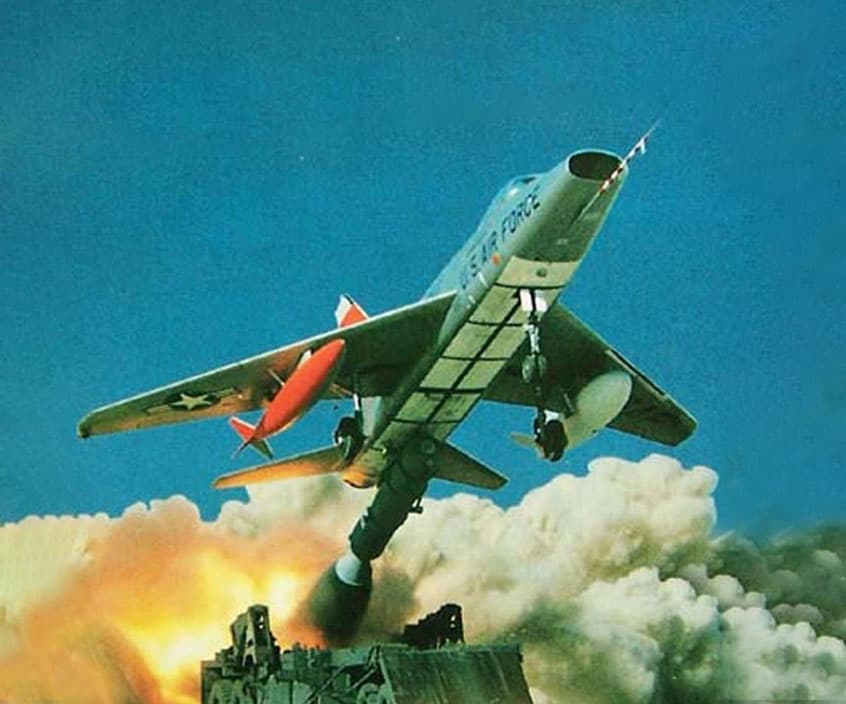

Hashima Island, Japan
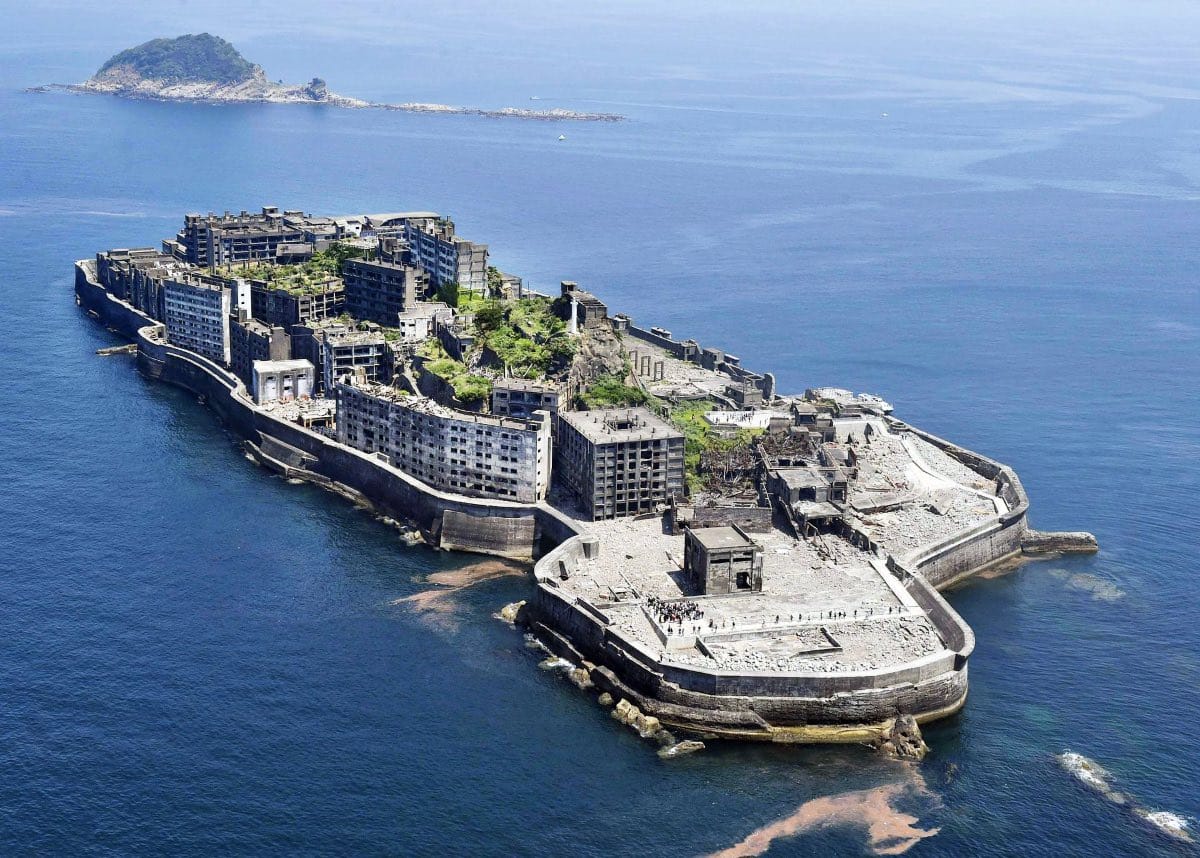
Formally known as Gunkanjima Island, this tiny piece of land has an incredible history. Believing there was a huge potential for coal deposits beneath the island, the Mitsubishi Company developed it in the early 1900s. Their prediction was correct and Gunkanjima became vital in Japan’s industrial revolution with its increasingly vast submarine coal mine. The mine required workers, so the tiny island built ten story tall buildings. It was known as “Midori nashi Shima”, or the island without green. Korean POWs were allegedly sent to Hashima and forced into slave labor in the mines during WWII. The less than one square kilometer island eventually had 6,000 residents, making it the most densely populated area in the world. The coal ran out in the early 1970s and the island was quickly abandoned. One of the coolest abandoned military bases in the world, the island remains exactly as it was left, although some green things have begun to grow.
Nekoma, North Dakota
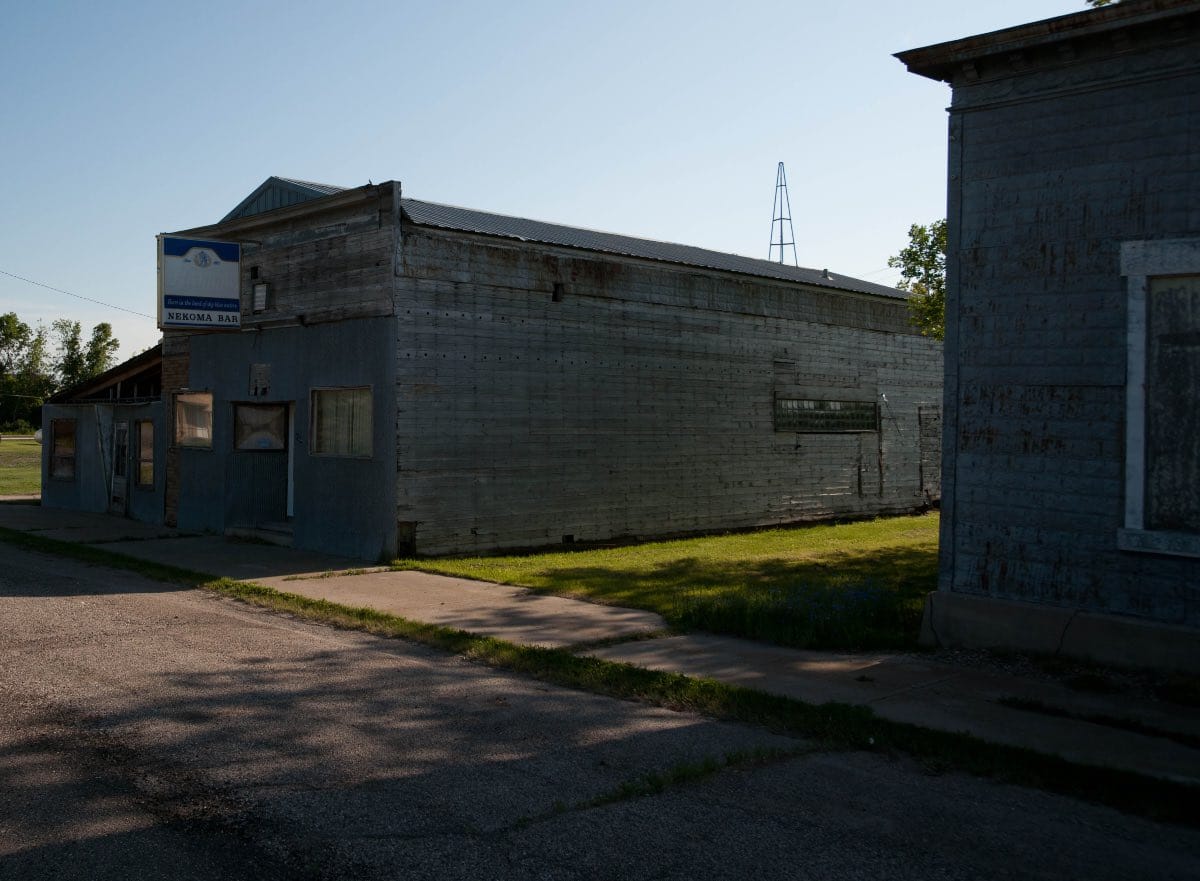
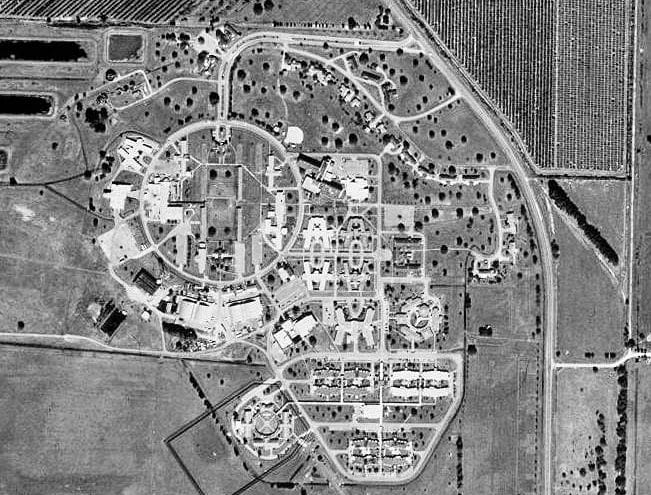
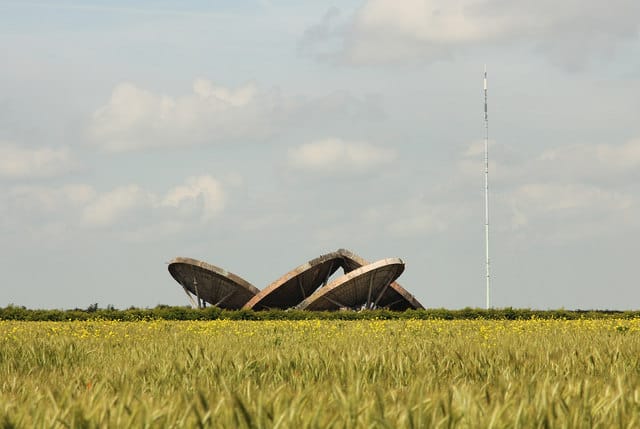
The 1950s were a time riddled with fear of nuclear demise in America. It was through that fear that the U.S> Army created the “Safeguard Program”. This program tracked incoming missiles from the enemy that was then shot down using US missiles from the ground. Located in Nekoma, North Dakota, the facility was situated so that any incoming missiles were shot down over Canada. The structure detected these threats via a massive pyramid with a squared off top. The structure contained radar dishes and a 360 degree view that could spot missiles from around 1,100 km away. The site also had a vast tunnel system which stretched over many miles. With a price tag of around six billion dollars, it was a massive failure when it was shut down and its tunnels flooded after just three days of operations. The risk of detonating nuclear warheads over our neighbor’s skies as well as general skepticism of its over-all effectiveness left Nekoma all but abandoned. It will go down as one of the most infamous abandoned military bases in history.
Titan 1 Missile Complex, Aurora, Colorado
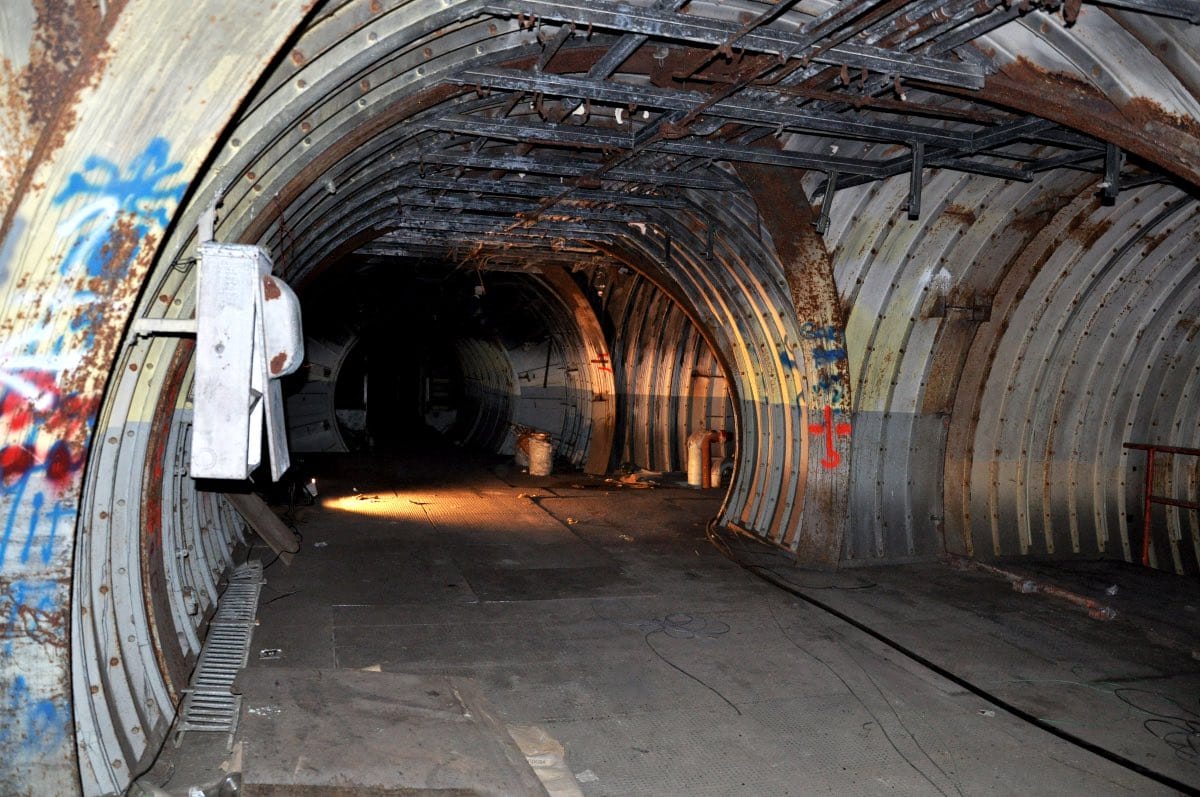
Located in the Denver, Co. area, there are six former Titan 1 Missile complexes that remain today. The Titan 1 Missile is one of the earliest intercontinental ballistic missiles (ICBM) developed by the US. It is part of a family of United States-produced rockets meant for both war and space exploration. The missiles were operational between 1962 and 1965, around 100 feet long and specifically designed to carry nuclear warheads. They were stored in these silos until the end of the Cold War and once the missiles themselves were removed, the military abandoned the complex. Surprisingly, security is relatively low at these complexes and thus have been trespassed and vandalized over the years. While you could probably make it into the complexes, the toxic contamination due to metal corrosion, waterproofing paint, and electrical equipment should be enough to deter most people from ever entering.
Zeljava Airbase, Croatia/Bosnia and Herzegovina
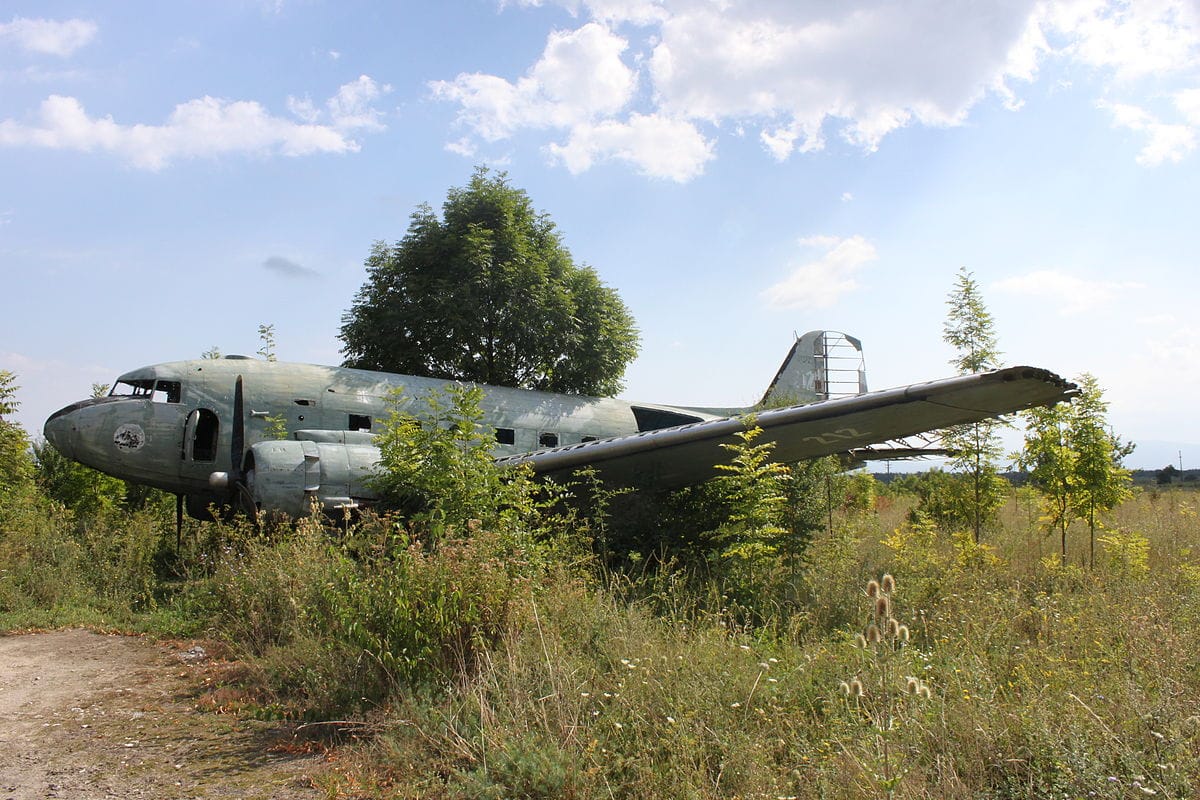
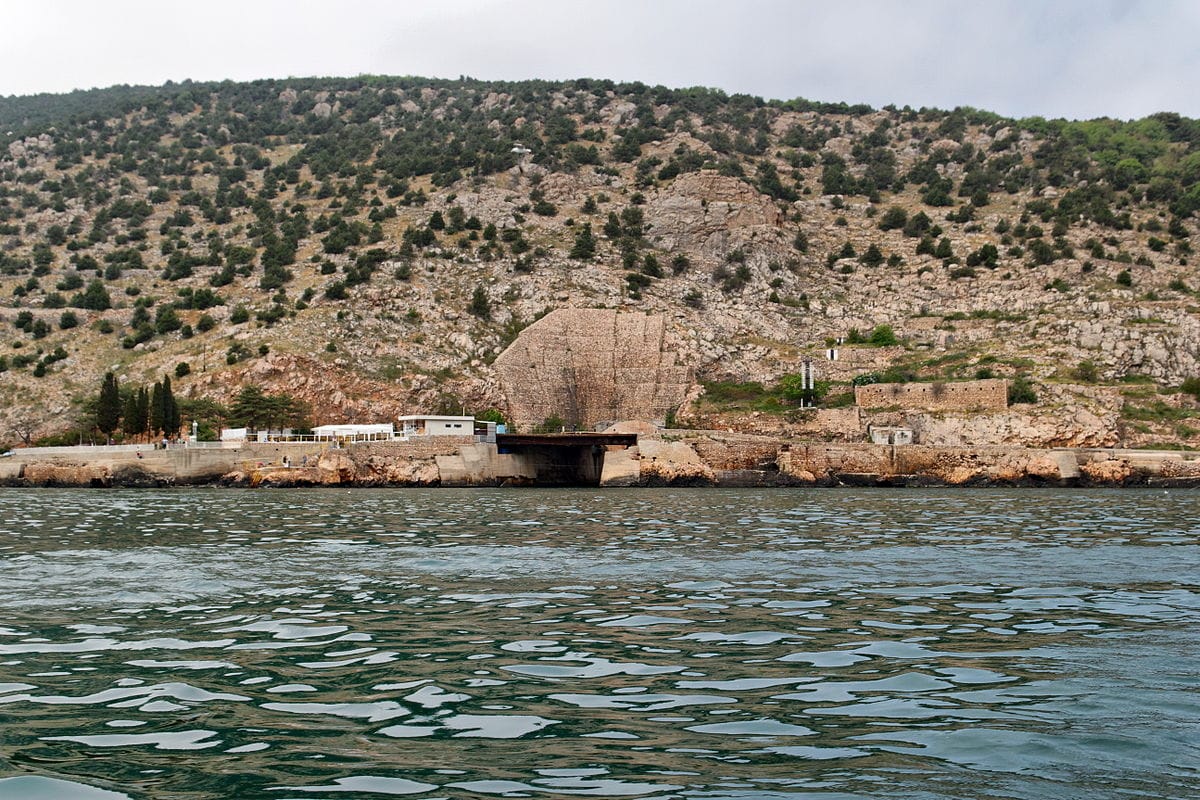
Officially known as Objekat 505, Zeljava Air Base borders Bosnia and Croatia and was Yugoslavia’s largest underground air base. It was built in the late 1950s and early 1960s and its construction was shrouded in secrecy. The underground base had four jet sized exits, could be hermetically sealed, and was designed to withstand a direct nuclear hit. Objekat 505 was meant to protect against foreign aggressors but failed to consider the possibility of issues at home. During the Yugoslavian civil war, the Yugoslavian army destroyed the base so as to disable its use by any of the factions involved in the war. The demolition was continued and completed a year later and over 50 tons of explosives were detonated. Presently, the Bosnian Federation police force use the site as a K-9 training facility for explosive retrieval due to the large amount of undetonated explosives left over from its heyday.