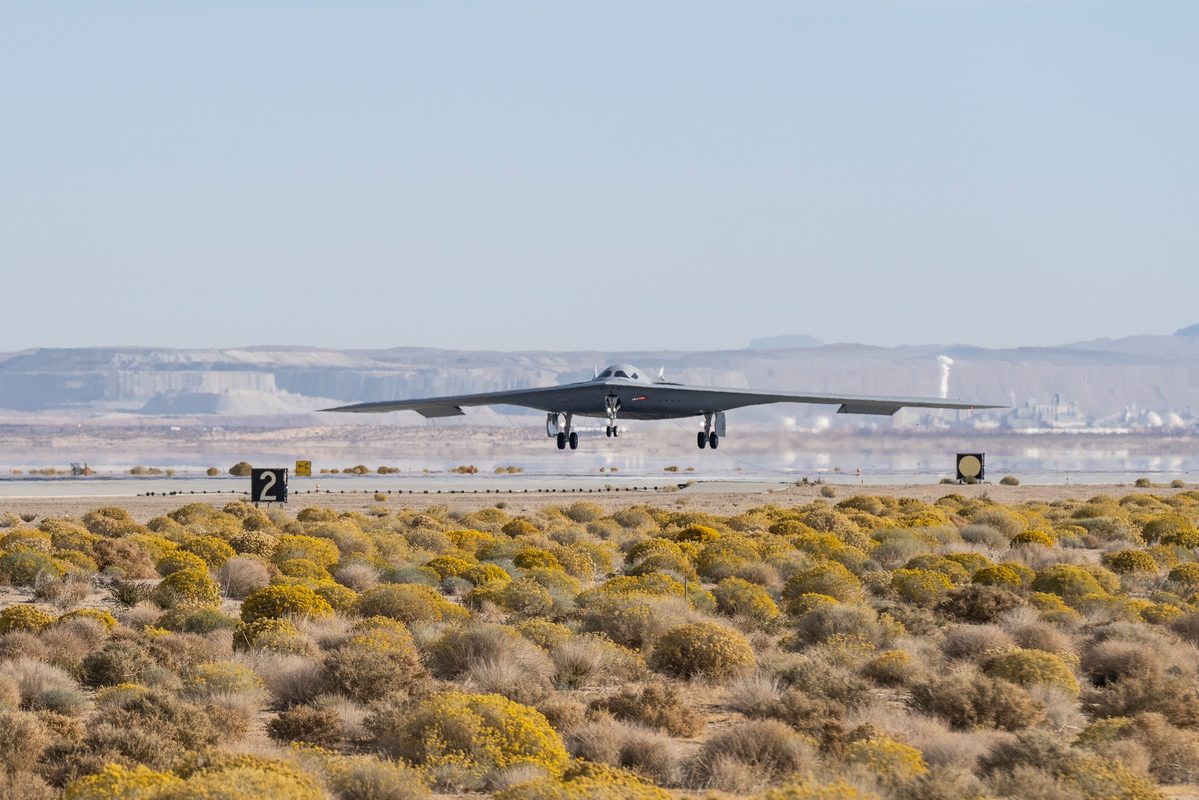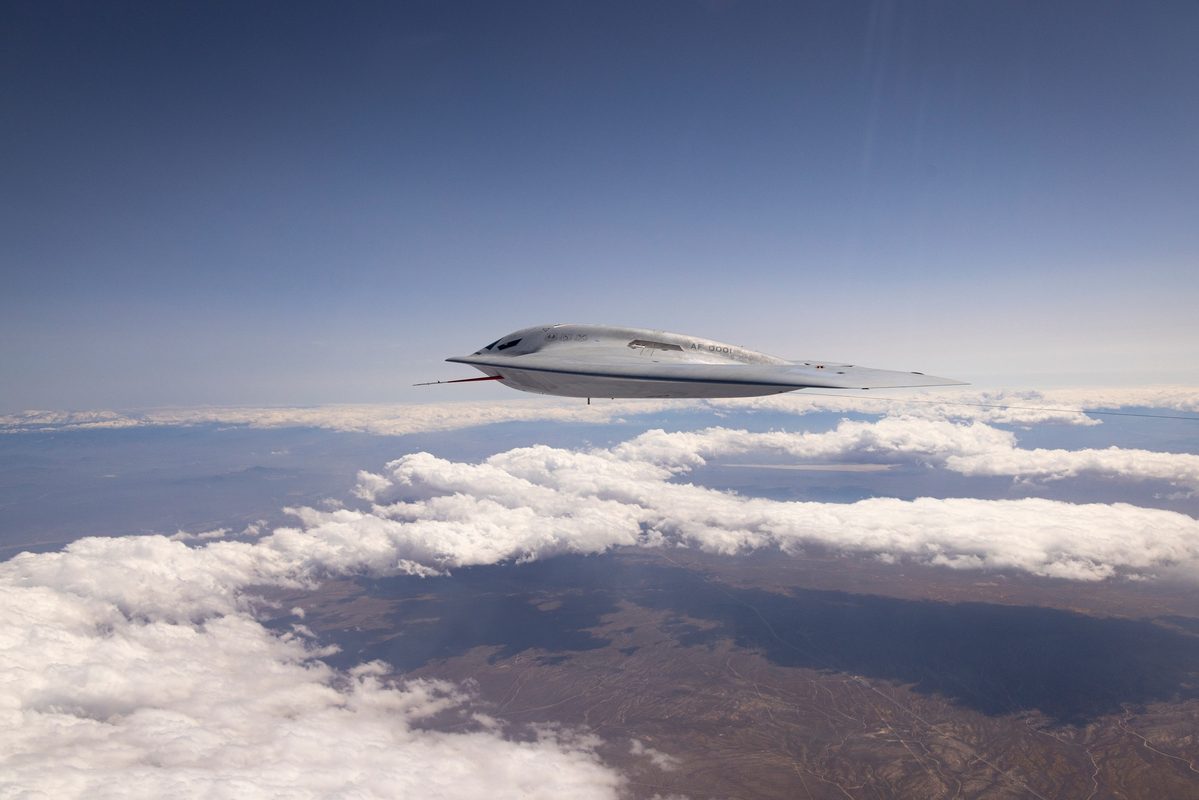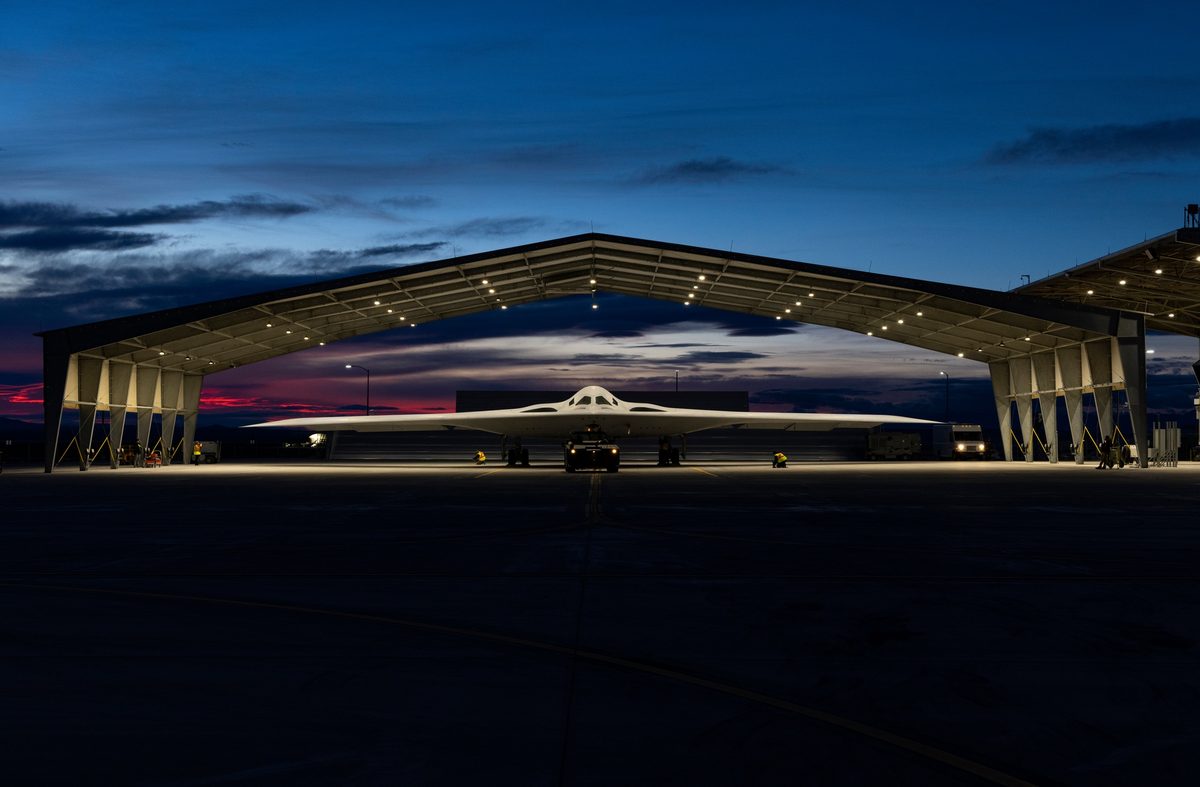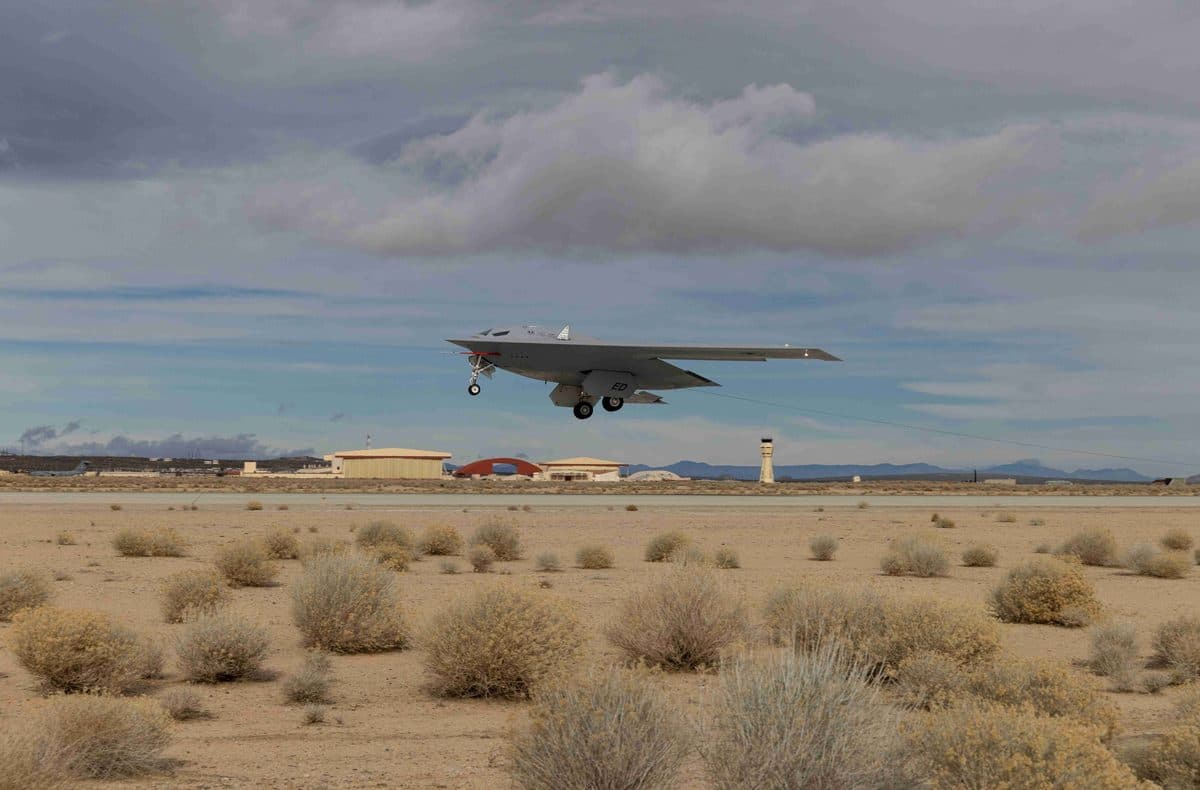

Only six pilots have ever sat in a B-21 Raider cockpit. Everything they saw is classified. Northrop Grumman's next-generation stealth bomber made its first flight on November 10, 2023, lifting off from Air Force Plant 42 in Palmdale, California, and landing at Edwards Air Force Base after a flight that lasted roughly 90 minutes. Since then, the aircraft has been in a flight test program that the Air Force has described as the most tightly controlled in modern aviation history. The Raider is not merely a new bomber. It is the platform the Air Force is building its entire future strike capability around, and the most expensive individual aircraft ever produced.
What the B-21 Is Designed to Do
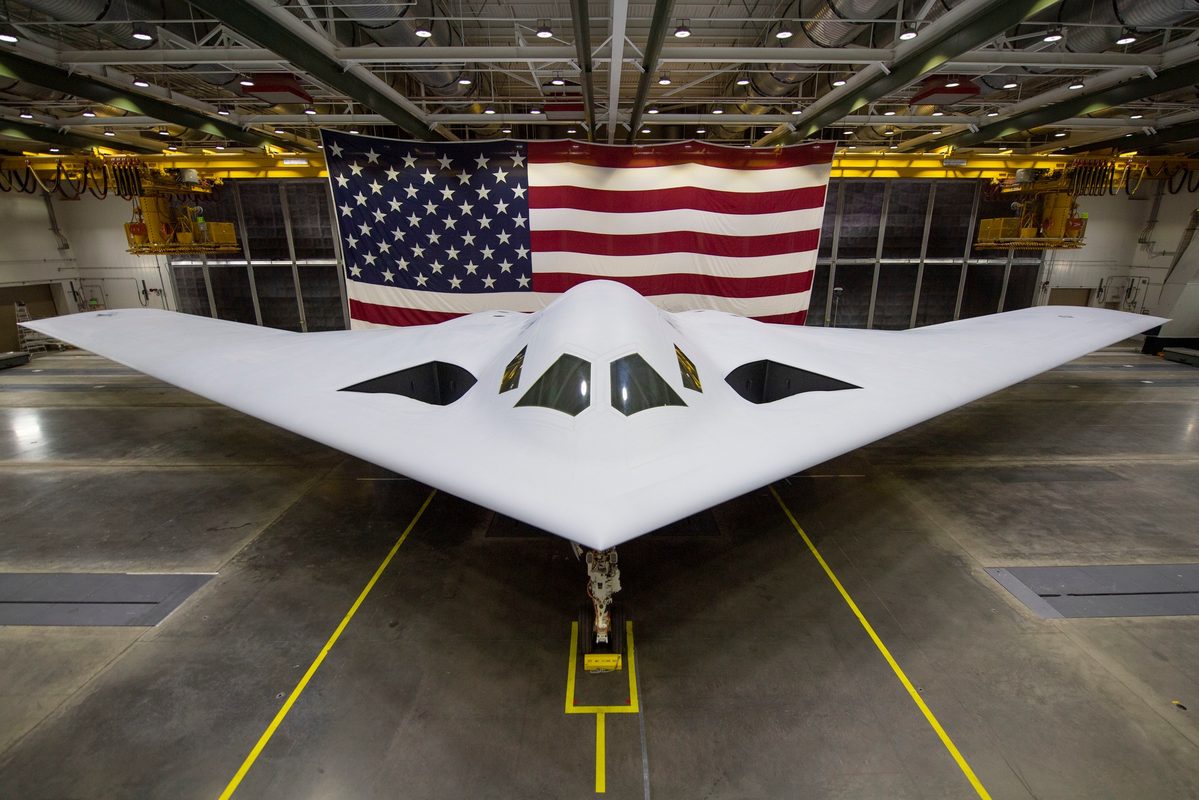
The B-21 Raider is a penetrating strike bomber, an aircraft designed to fly into the most heavily defended airspace on earth and deliver weapons to targets that no other platform can reach. Its mission profile differs fundamentally from the standoff strike approach used by most modern bombers, which launch cruise missiles from hundreds of miles outside enemy airspace. The Raider is built to fly through integrated air defense systems (layered networks of early warning radars, surface-to-air missiles, and fighter aircraft) and arrive directly over the target.
This requires a level of stealth that goes beyond anything previously fielded. The B-2 Spirit, which the B-21 will eventually replace, was designed in the 1980s to penetrate Soviet air defenses. Those defenses have since evolved dramatically. Modern Russian and Chinese integrated air defense systems, such as the S-400, S-500, and HQ-9, use networked radars operating across multiple frequency bands, including low-frequency systems that can detect some stealth aircraft at long range. The B-21 was designed from the outset to defeat these modern systems, incorporating stealth technologies that remain classified but are understood to represent a generational advance over the B-2.
First Flight and Testing
The B-21's first flight on November 10, 2023, was intentionally understated. Unlike previous bomber program milestones, there was no ceremony and no real-time media coverage. The Air Force released a brief statement and a single photograph showing the aircraft in flight over the Mojave Desert. The test flight was conducted by a two-person crew (a pilot and a mission systems operator) and covered the 25 miles between Palmdale and Edwards Air Force Base.