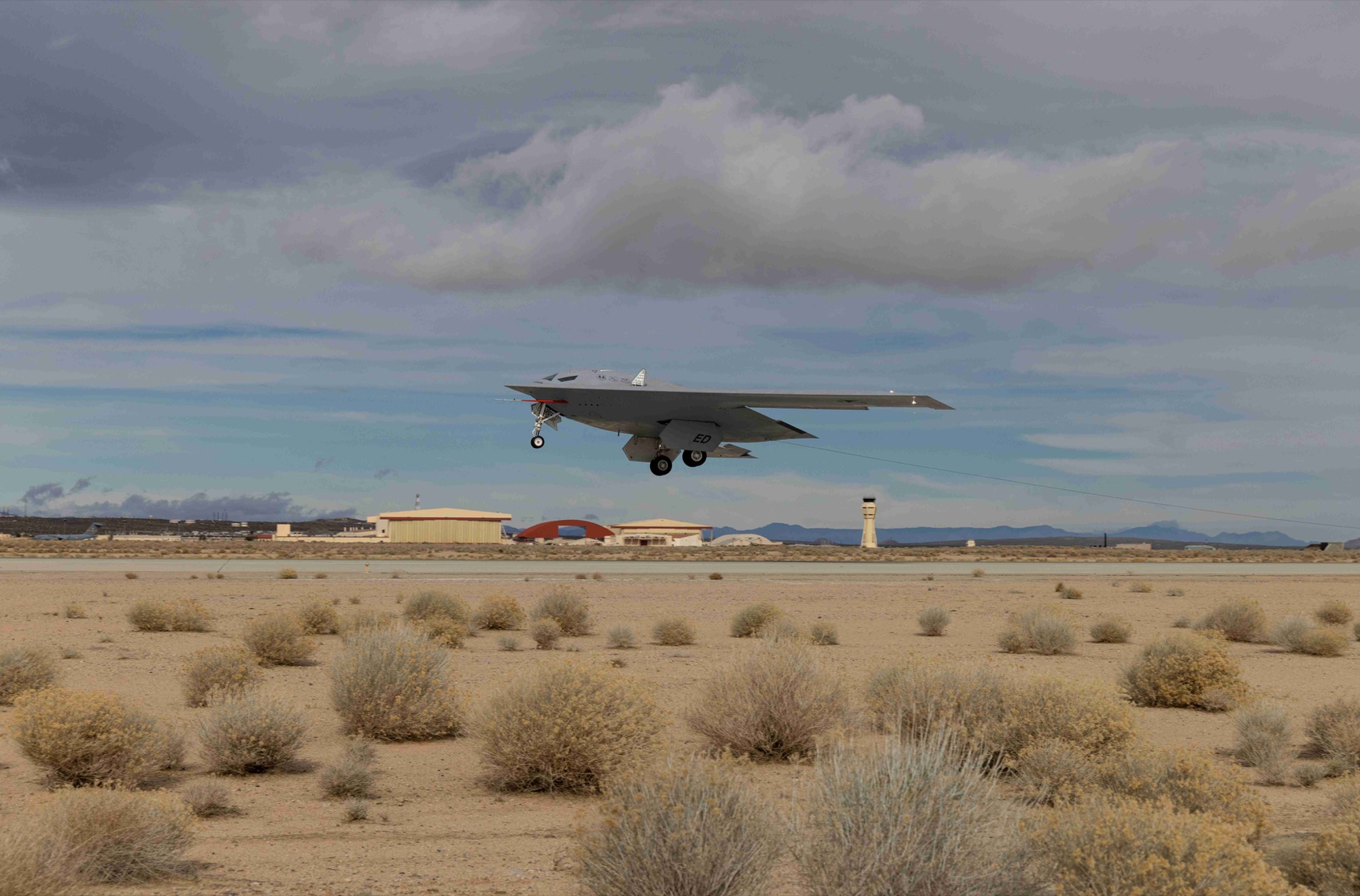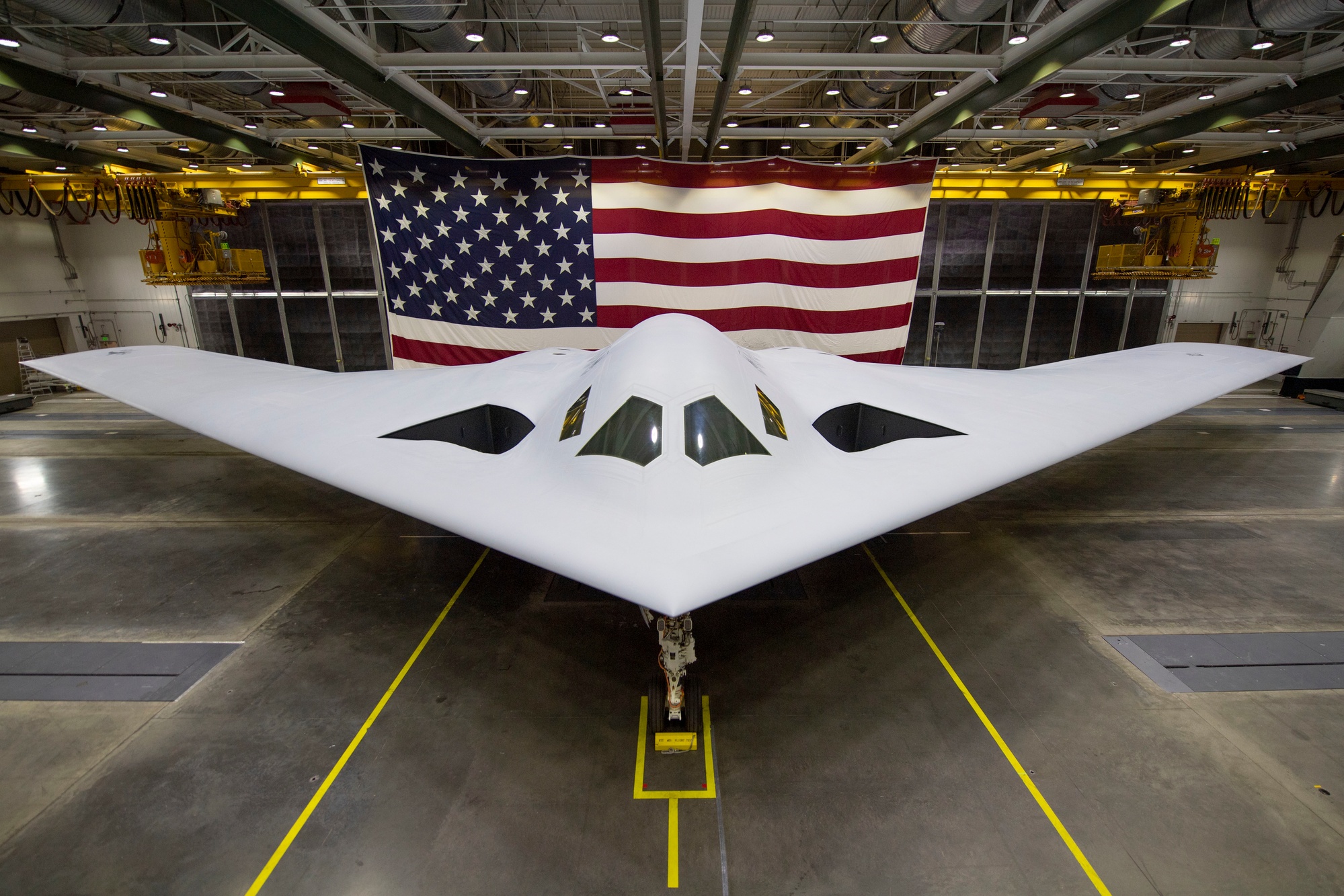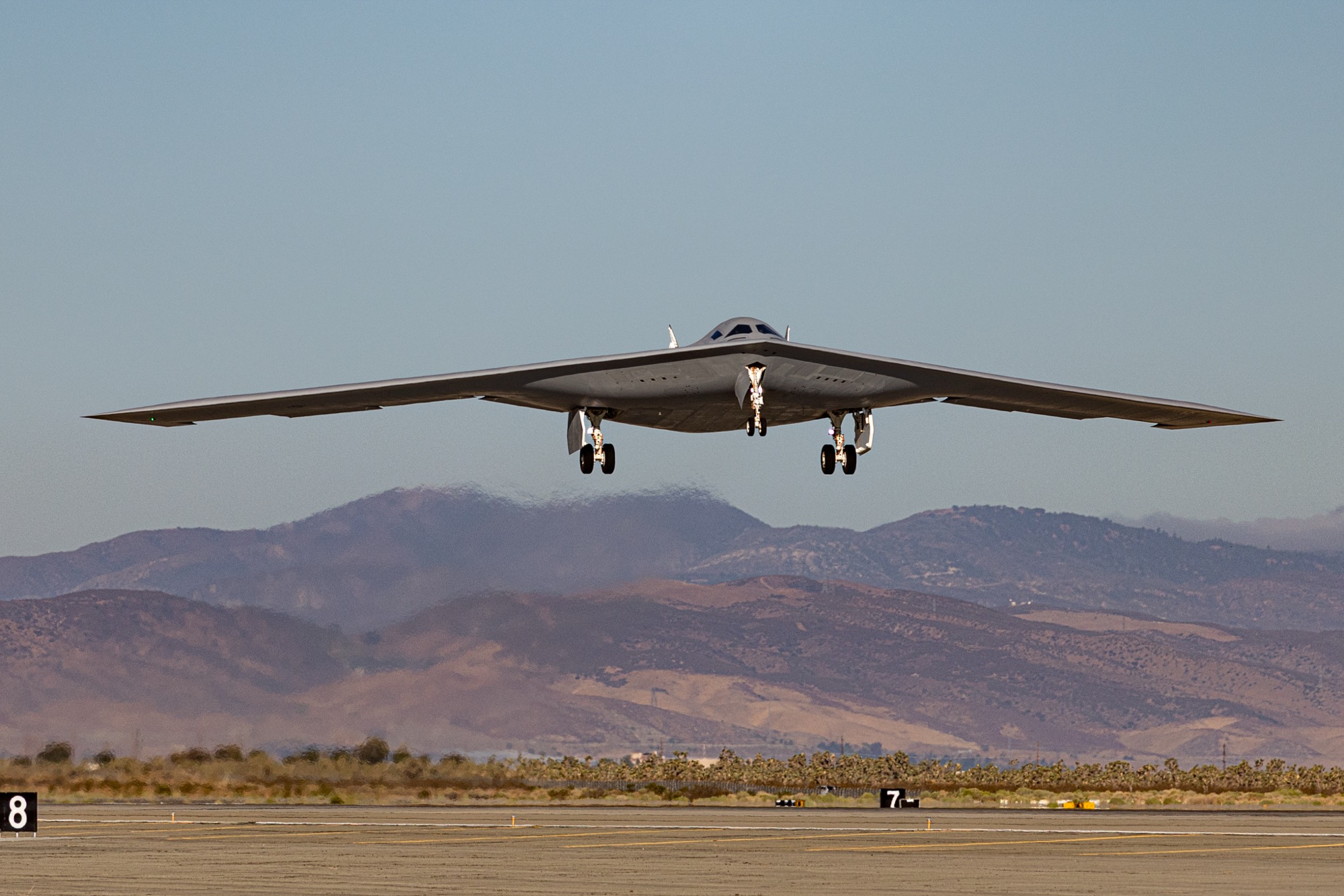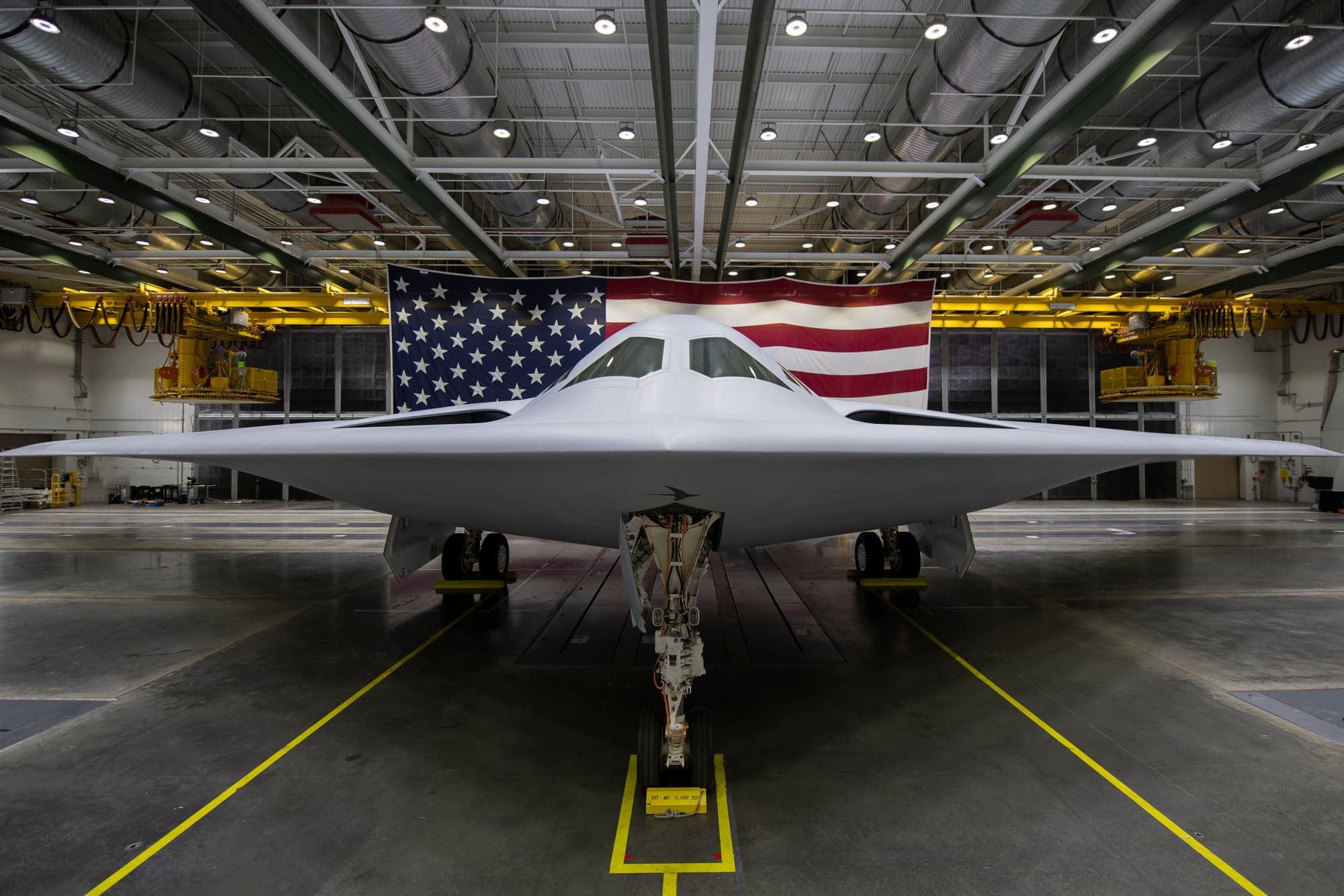

On November 10, 2023, a flying wing with smooth, clean lines lifted off from Northrop Grumman's Plant 42 facility in Palmdale, California, and turned northeast toward Edwards Air Force Base. The flight lasted roughly two hours. It was quiet, uneventful by aviation standards. But it marked the most significant moment in American bomber development since the B-2 Spirit flew for the first time in 1989. The B-21 Raider was finally airborne.
Since that maiden flight, the Raider has been accumulating test hours over the Mojave Desert while the Air Force carefully validates what Northrop Grumman has built. The early results, from what officials have been willing to share publicly, suggest the program is largely on track. But what exactly makes the B-21 different from the bomber it's replacing? And what have we actually learned since the aircraft left the ground?
From the LRS-B Program to First Flight
The B-21 traces its origins to the Long Range Strike Bomber (LRS-B) competition, which the Air Force formally launched in 2011. The service needed a replacement for the aging B-1B Lancer and B-2 Spirit, and it needed enough of them to actually matter. The B-2 program had been a technical marvel but a procurement disaster. According to Government Accountability Office analyses, only 21 aircraft were built out of a planned 132, and the per-unit cost ballooned to over $2 billion each (in then-year dollars) after development costs were factored in.
Northrop Grumman won the LRS-B contract in October 2015, beating a Lockheed Martin-Boeing team. According to the Pentagon's contract announcement, the award came with strict cost caps and a firm requirement: this bomber had to be affordable enough to build in quantity. The Air Force wasn't going to repeat the B-2 mistake of fielding a tiny fleet of exquisite aircraft.