
Airborne Operations
Military operations involving the delivery of combat forces and equipment by parachute or air-landing into an area of operations.
Airborne operations involve projecting military forces behind enemy lines or into contested areas using parachute drops or air-landing techniques. These operations allow a commander to bypass enemy defenses, seize key terrain, and establish a presence in areas that would be difficult or impossible to reach by ground movement alone.
The concept was proven in World War II with massive operations like D-Day's airborne assault on Normandy, Operation Market Garden in the Netherlands, and Operation Varsity across the Rhine. These operations demonstrated both the potential and the risks of airborne warfare, as lightly armed paratroopers often found themselves surrounded and outgunned until ground forces could link up.
Modern airborne forces have evolved beyond mass parachute drops. Today's operations emphasize air assault using helicopters and tiltrotor aircraft like the V-22 Osprey, precision parachute delivery of special operations teams, and rapid airfield seizure. The U.S. 82nd Airborne Division maintains the ability to deploy a brigade anywhere in the world within 18 hours, making airborne capability a cornerstone of rapid global response.
Related Terms
Amphibious Assault
A military operation in which naval and landing forces attack a hostile shore from the sea, combining air, naval, and ground power to establish a beachhead.
Force Projection
The ability of a nation to deploy and sustain military forces in regions distant from its homeland to respond to crises, deter adversaries, or conduct offensive operations.
Related Articles
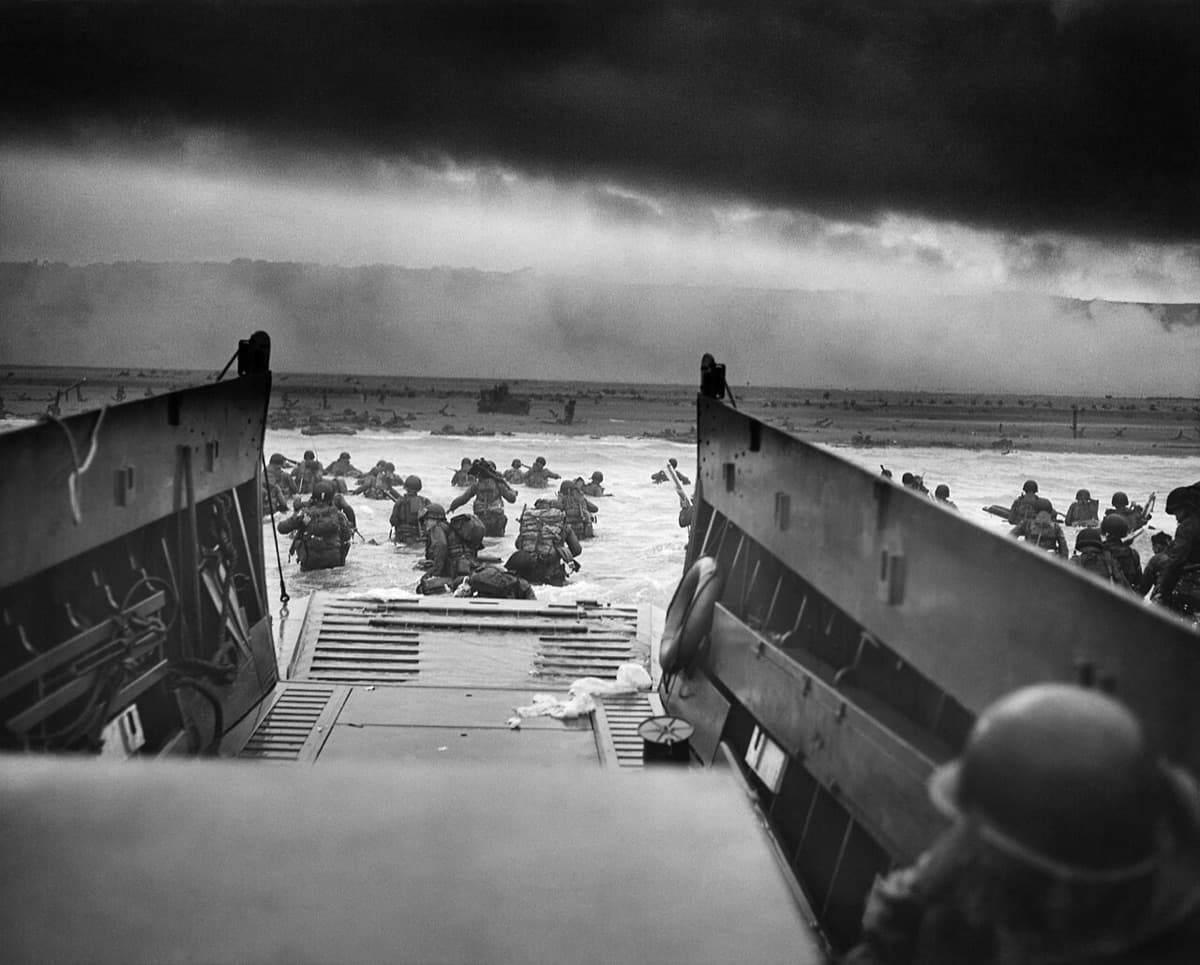
8 Amphibious Assaults That Succeeded Against Impossible Odds
Attacking from the sea is the hardest operation in warfare. The defenders know you're coming, the beach is a kill zone, and everything that can go wrong usually does. These 8 amphibious assaults succeeded anyway, and changed the course of history.