
Amphibious Assault
A military operation in which naval and landing forces attack a hostile shore from the sea, combining air, naval, and ground power to establish a beachhead.
An amphibious assault is among the most complex military operations, requiring the coordination of naval gunfire, air support, mine clearance, and the movement of troops and equipment from ship to shore under fire. The attacking force must cross open water, land on a defended beach, and fight inland to establish a secure beachhead before the defender can concentrate enough force to push them back into the sea.
The iconic example remains the D-Day landings at Normandy on June 6, 1944, which involved over 5,000 ships and 150,000 troops. Other notable amphibious operations include the Battle of Iwo Jima, the Inchon landing during the Korean War, and the Falklands War landings at San Carlos Water. Each demonstrated that amphibious operations, while risky, can achieve decisive strategic results.
Modern amphibious capability centers on ships like the Wasp-class and America-class amphibious assault ships, which carry Marine expeditionary units equipped with helicopters, tiltrotors, hovercraft, and armored vehicles. The threat of anti-ship missiles has pushed the Navy to develop concepts for dispersed landings over wider frontages rather than concentrated beach assaults.
Related Terms
Force Projection
The ability of a nation to deploy and sustain military forces in regions distant from its homeland to respond to crises, deter adversaries, or conduct offensive operations.
Carrier Strike Group
A naval formation centered on an aircraft carrier, typically including guided-missile cruisers, destroyers, a submarine, and a supply ship, capable of projecting power anywhere on the globe.
Airborne Operations
Military operations involving the delivery of combat forces and equipment by parachute or air-landing into an area of operations.
Related Articles
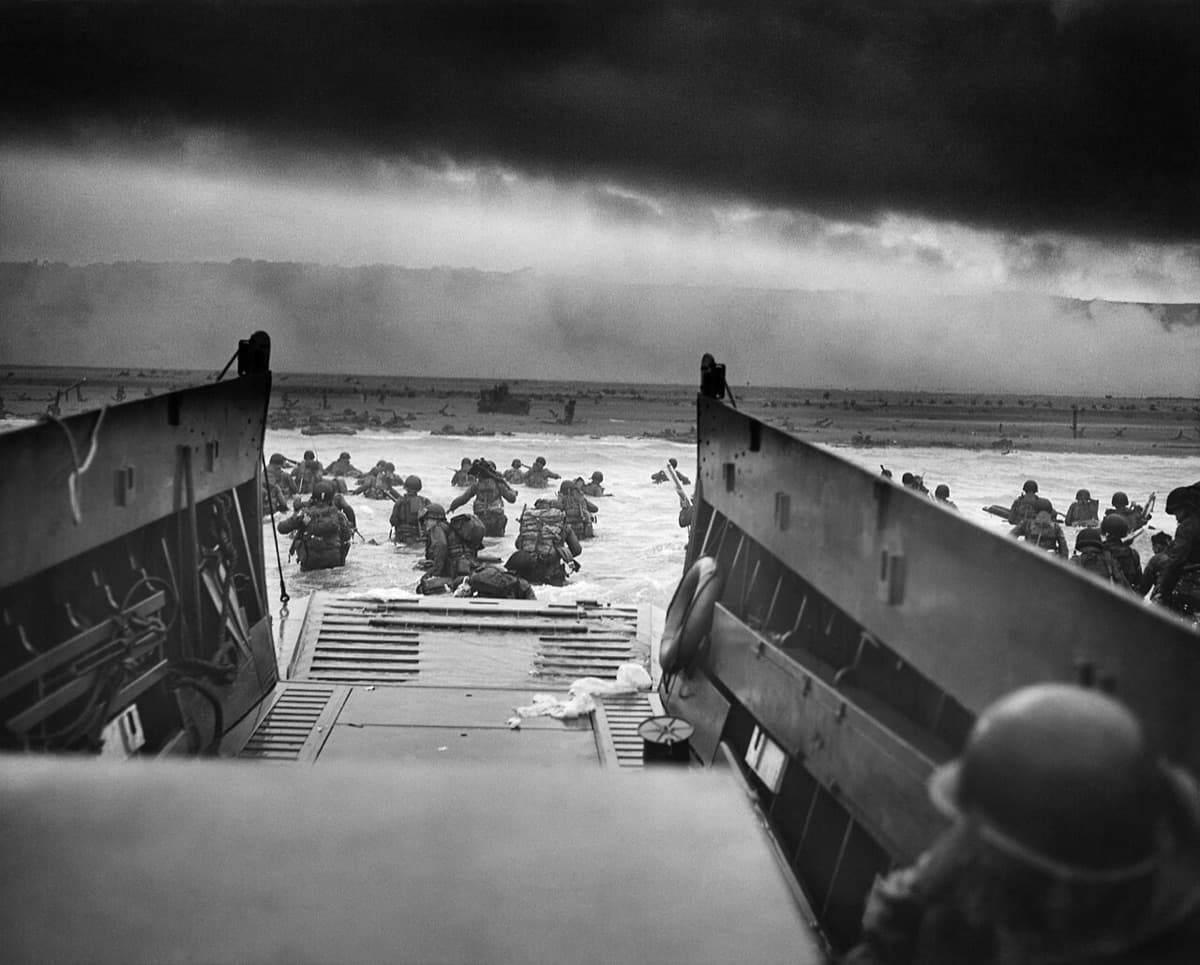
8 Amphibious Assaults That Succeeded Against Impossible Odds
Attacking from the sea is the hardest operation in warfare. The defenders know you're coming, the beach is a kill zone, and everything that can go wrong usually does. These 8 amphibious assaults succeeded anyway, and changed the course of history.
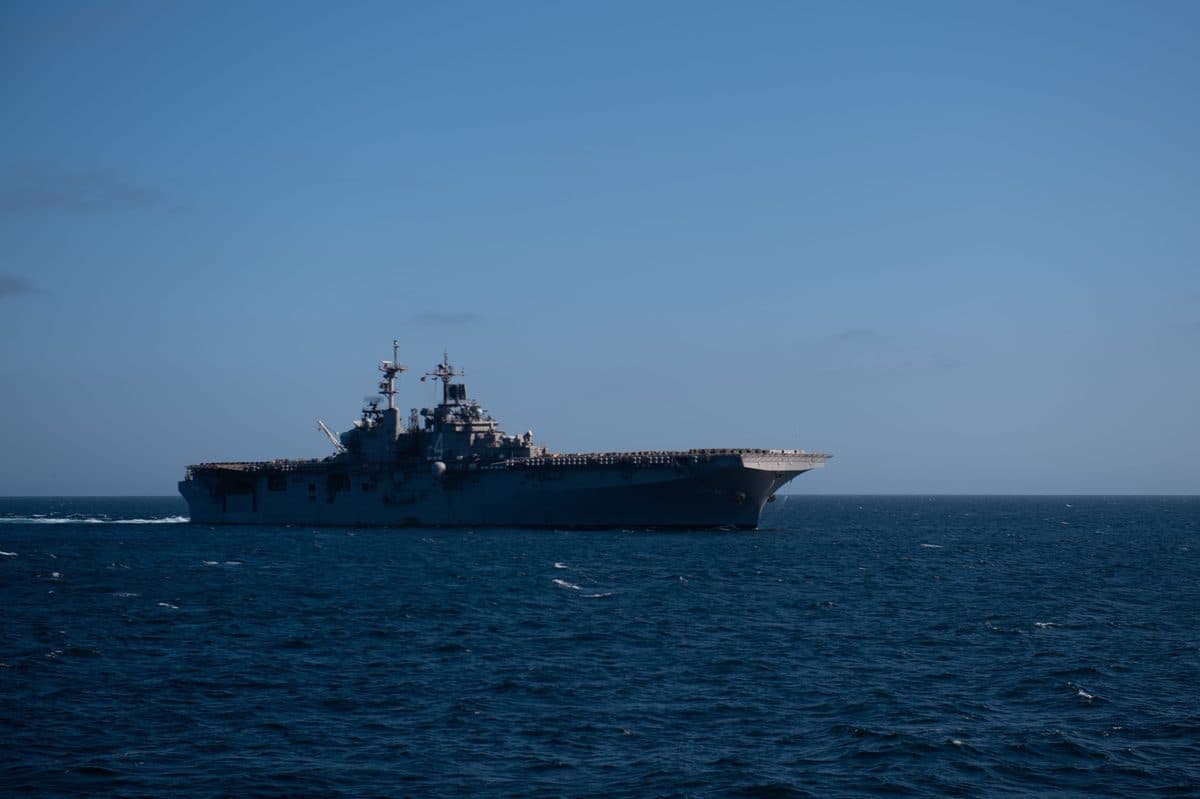
The Wasp-Class Amphibious Assault Ship
The Wasp-class is the ship that puts Marines ashore. At 40,500 tonnes, each Landing Helicopter Dock carries approximately 1,700 Marines, their vehicles, their aircraft, and their landing craft: everything needed to project power from sea to shore. The flight deck operates helicopters and F-35B stealth fighters. The well deck floods to launch hovercraft and amphibious vehicles. Eight ships form the backbone of America's amphibious capability, serving as small aircraft carriers when the mission demands it.