
Ballistic Missile
A missile that follows a high arching ballistic trajectory after its rocket motors burn out, traveling through the upper atmosphere or space before descending on its target.
Ballistic missiles are rocket-propelled weapons that are launched on a trajectory that carries them into the upper atmosphere or even into space before gravity pulls them back down toward their target. Unlike cruise missiles that fly like aircraft, ballistic missiles rely on enormous speed during their terminal phase, often exceeding Mach 20 for intercontinental variants, to reach their targets. This extreme velocity makes them exceptionally difficult to intercept.
Ballistic missiles are classified by range: short-range (under 1,000 km), medium-range (1,000–3,000 km), intermediate-range (3,000–5,500 km), and intercontinental (over 5,500 km). ICBMs like the American Minuteman III and Russian RS-28 Sarmat form the backbone of nuclear deterrence, while shorter-range tactical ballistic missiles are used for conventional strikes against military targets.
The development of ballistic missile defense systems, from the Patriot PAC-3 for short-range threats to THAAD for medium-range and the Ground-Based Midcourse Defense for ICBMs, has become a major area of military investment, though reliably intercepting a fast-moving ballistic warhead remains one of the hardest problems in military technology.
Related Terms
ICBM(Intercontinental Ballistic Missile)
An Intercontinental Ballistic Missile is a long-range nuclear delivery system with a range exceeding 5,500 kilometers, capable of striking targets on another continent within 30 minutes of launch.
SLBM(Submarine-Launched Ballistic Missile)
A Submarine-Launched Ballistic Missile is a nuclear-capable ballistic missile carried and launched from a submerged submarine, forming the most survivable leg of the nuclear triad.
Cruise Missile
A guided weapon that uses aerodynamic lift and a jet engine to fly at low altitude over long distances, navigating autonomously to its target with high precision.
Related Articles
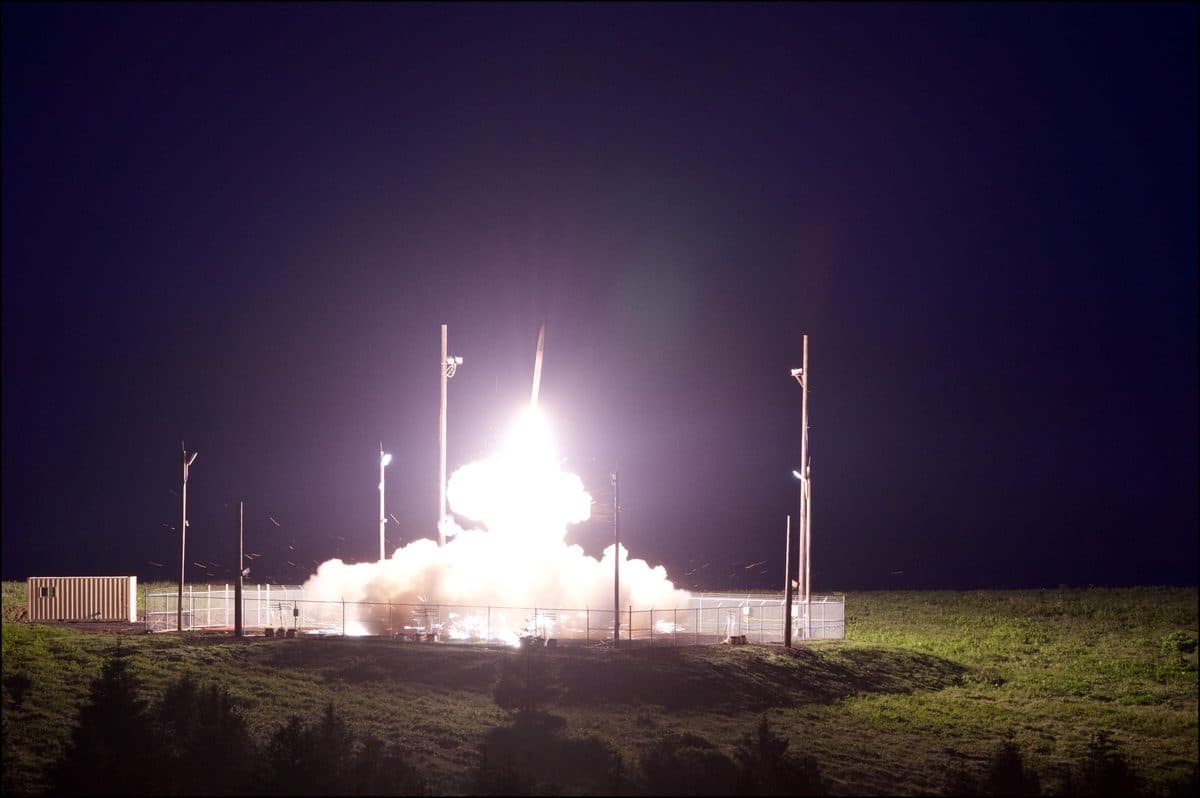
Hypersonic Weapons Explained: Which Countries Have Them and Why They Matter
The U.S. Dark Eagle missed its 2025 deadline. Russia's Kinzhal was intercepted by a Patriot. China's DF-27 is nearing operational status. Here's where every major hypersonic program actually stands in 2026, with no hype and just verified data.
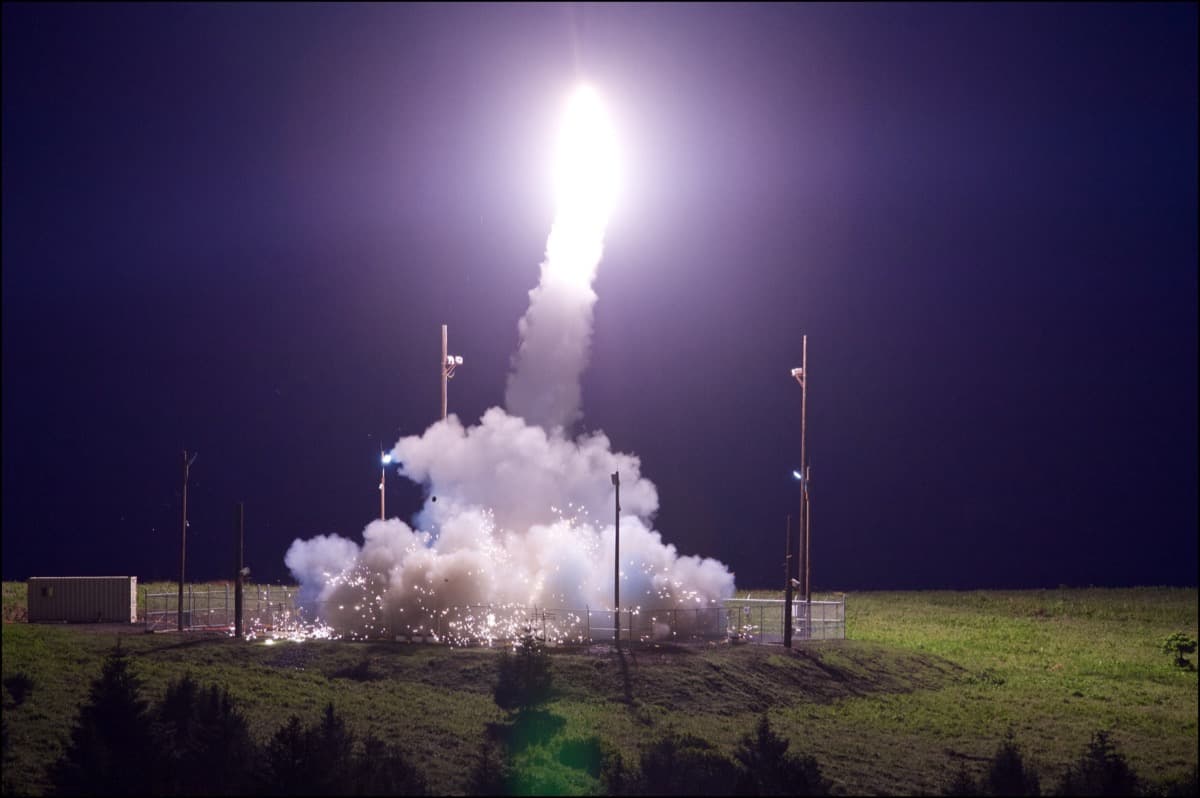
THAAD: The Only Missile Defense System That Intercepts Warheads Outside the Atmosphere
THAAD intercepts ballistic missile warheads at altitudes above 150 kilometers, outside the atmosphere, using kinetic energy alone. No explosive warhead. No fragmentation. A 900-kilogram interceptor traveling at Mach 8 meets an incoming warhead at combined closing speeds above 15,000 mph, and the collision itself is the kill mechanism. In 18 flight tests, THAAD has never failed to intercept a target that reached it. In December 2024, it made its combat debut over Israel, destroying a Houthi ballistic missile, the first exoatmospheric combat intercept in history.