
Composite Armor
Multi-layered armor that combines different materials such as steel, ceramics, and polymers to provide superior protection against both kinetic penetrators and shaped-charge warheads.
Composite armor uses layers of different materials, typically steel, ceramics, and sometimes depleted uranium, arranged to defeat a range of anti-armor threats more effectively than a single material could alone. The concept was pioneered by the British in the 1960s with Chobham armor, which combined ceramic tiles within a metal matrix to break up and dissipate the metallic jets produced by shaped-charge warheads.
Modern composite armor arrays are highly classified, but their basic principle is well understood. Ceramic layers are extremely hard and shatter incoming penetrators or disrupt shaped-charge jets. Steel layers provide structural strength and catch fragments. Polymer layers absorb energy and provide spacing between hard layers. Some designs incorporate depleted uranium mesh, which is both extremely dense and self-sharpening, providing exceptional resistance to kinetic energy penetrators.
The M1 Abrams, Challenger 2, Leopard 2, and Merkava all use composite armor arrays tailored to their expected threat environments. The specific composition and arrangement of layers is among the most closely guarded secrets in military technology, as knowing the exact composition would allow an adversary to develop optimized anti-armor weapons.
Related Terms
ERA(Explosive Reactive Armor)
Explosive Reactive Armor consists of tiles containing explosive material that detonate outward when struck, disrupting the penetration jet of shaped-charge warheads.
APS(Active Protection System)
Active Protection System is a defensive system mounted on armored vehicles that detects and intercepts incoming anti-tank missiles and rockets before they strike.
APFSDS(Armor-Piercing Fin-Stabilized Discarding Sabot)
Armor-Piercing Fin-Stabilized Discarding Sabot is a kinetic energy anti-tank round that uses a dense, dart-like penetrator fired at extreme velocity to defeat armored targets.
Related Articles
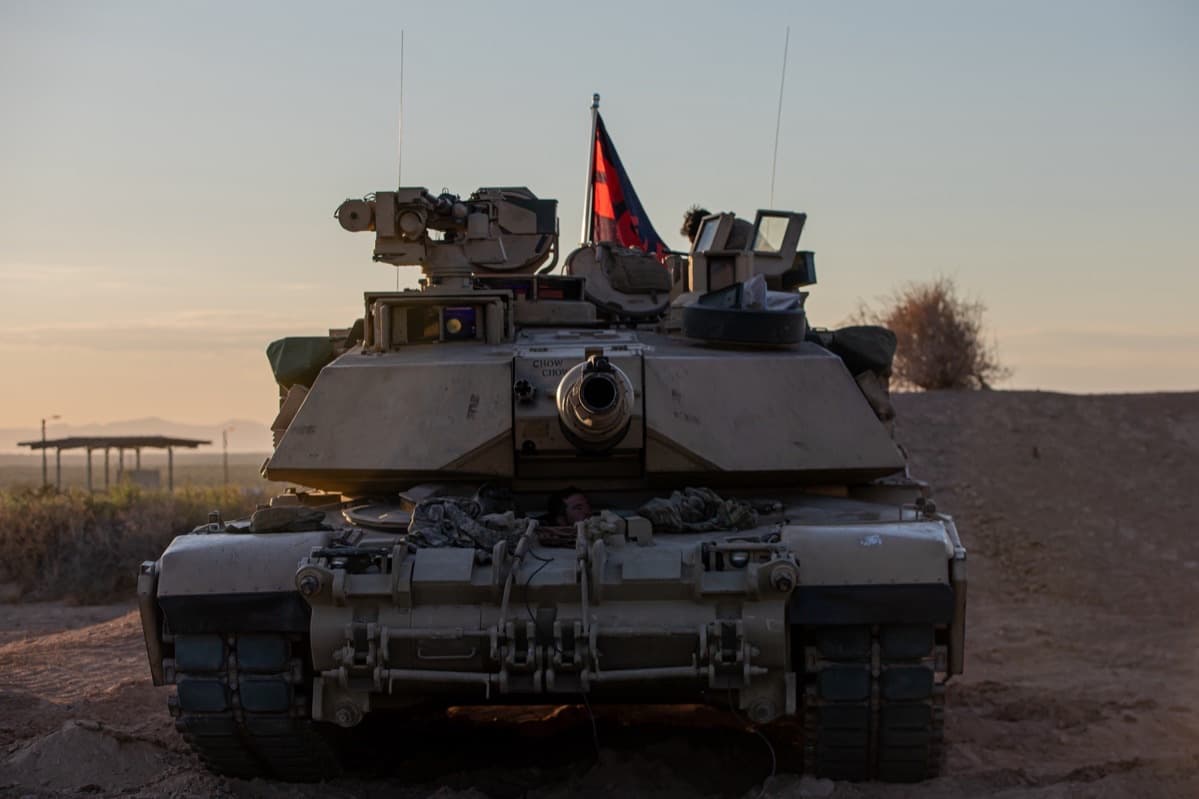
What Happens When an M1 Abrams Gets Hit: Breaking Down Real Armor Test Results
A Ukrainian crew took four to six direct hits inside their M1A1 Abrams. All walked away uninjured. The reason is a 1970s engineering decision involving depleted uranium, blow-out panels, and the difference between how American and Russian tanks store their ammunition.
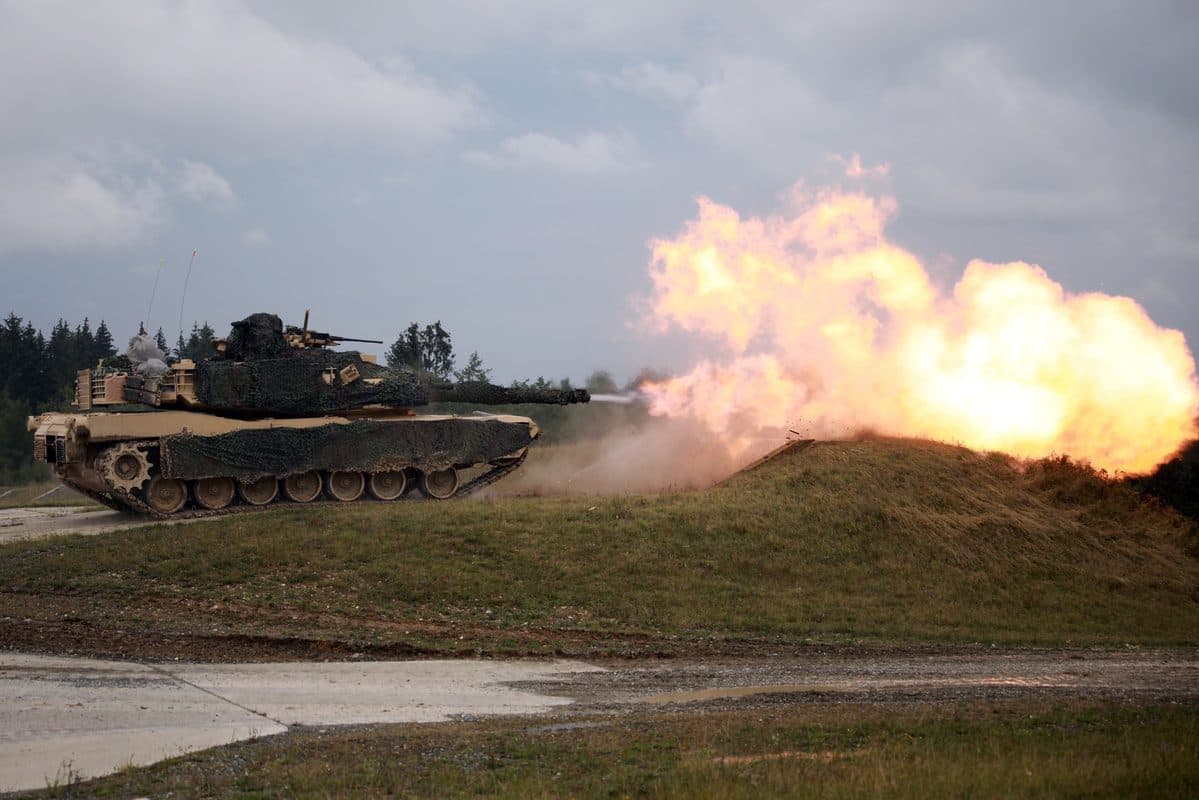
10 Best Tanks in the World (2026): Ranked After Real Combat Data from Ukraine
The Leopard 2A7 takes the top spot. The T-90M drops. The M1 Abrams gets a reality check from Ukraine. Three years of real combat data have reshuffled these rankings. Here's what changed and why.