
Hypersonic Glide Vehicle
A weapon that is boosted to high altitude by a rocket, then glides to its target at speeds exceeding Mach 5 while maneuvering to evade missile defenses.
A Hypersonic Glide Vehicle (HGV) is a warhead delivery system that combines the speed of a ballistic missile with the maneuverability of an aerodynamic vehicle. Unlike a traditional ballistic missile warhead that follows a predictable parabolic trajectory, an HGV is released from its booster at the edge of the atmosphere and then glides toward its target at speeds exceeding Mach 5, maneuvering unpredictably along the way. This combination of extreme speed and maneuverability makes it exceptionally difficult for existing missile defense systems to intercept.
China's DF-ZF and Russia's Avangard are the most advanced HGVs known to be in development or early deployment. The United States has pursued its own programs, including the Army's Long-Range Hypersonic Weapon (LRHW) and the Navy's Conventional Prompt Strike. These weapons are designed to provide the ability to strike high-value, time-sensitive targets anywhere in the world within minutes.
The development of HGVs has sparked concern about strategic stability because their speed and maneuverability compress decision-making time and challenge existing early warning and defense architectures. A nation targeted by an HGV may have only minutes to determine whether the weapon carries a nuclear or conventional warhead, creating pressure for hasty decisions during a crisis.
Related Terms
Ballistic Missile
A missile that follows a high arching ballistic trajectory after its rocket motors burn out, traveling through the upper atmosphere or space before descending on its target.
ICBM(Intercontinental Ballistic Missile)
An Intercontinental Ballistic Missile is a long-range nuclear delivery system with a range exceeding 5,500 kilometers, capable of striking targets on another continent within 30 minutes of launch.
Related Articles
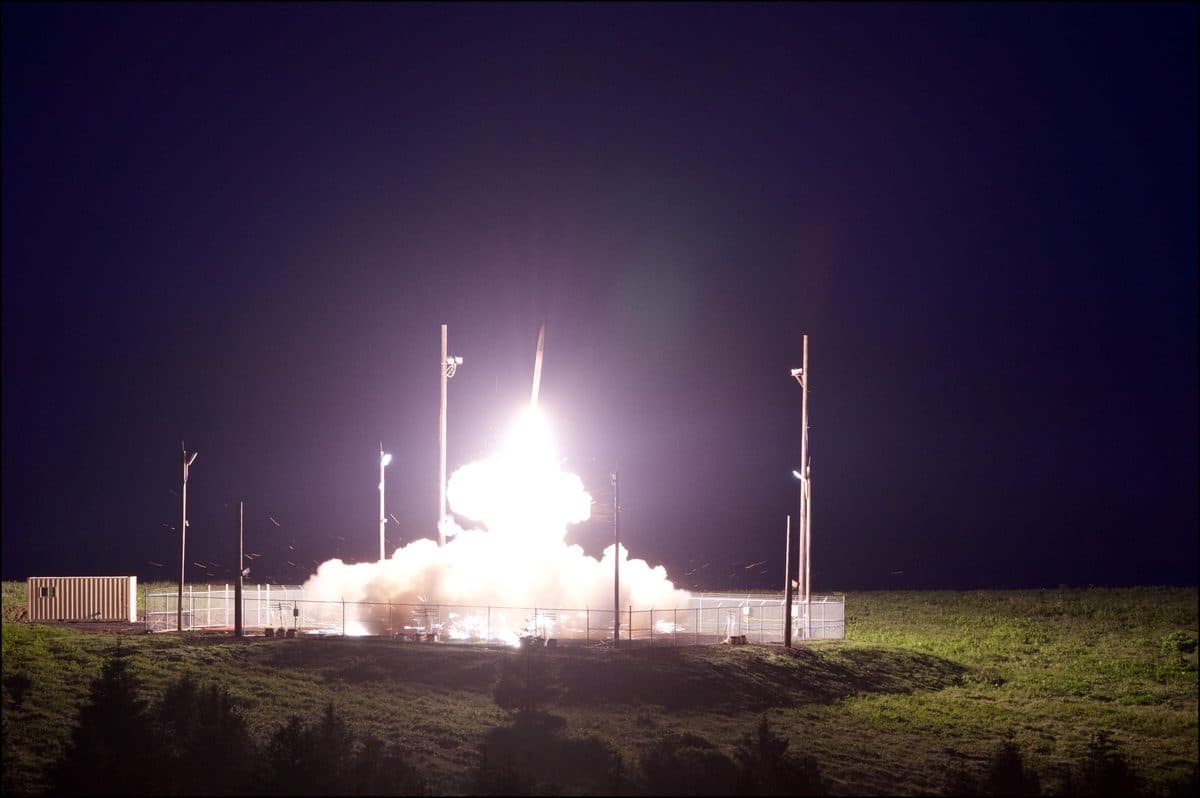
Hypersonic Weapons Explained: Which Countries Have Them and Why They Matter
The U.S. Dark Eagle missed its 2025 deadline. Russia's Kinzhal was intercepted by a Patriot. China's DF-27 is nearing operational status. Here's where every major hypersonic program actually stands in 2026, with no hype and just verified data.
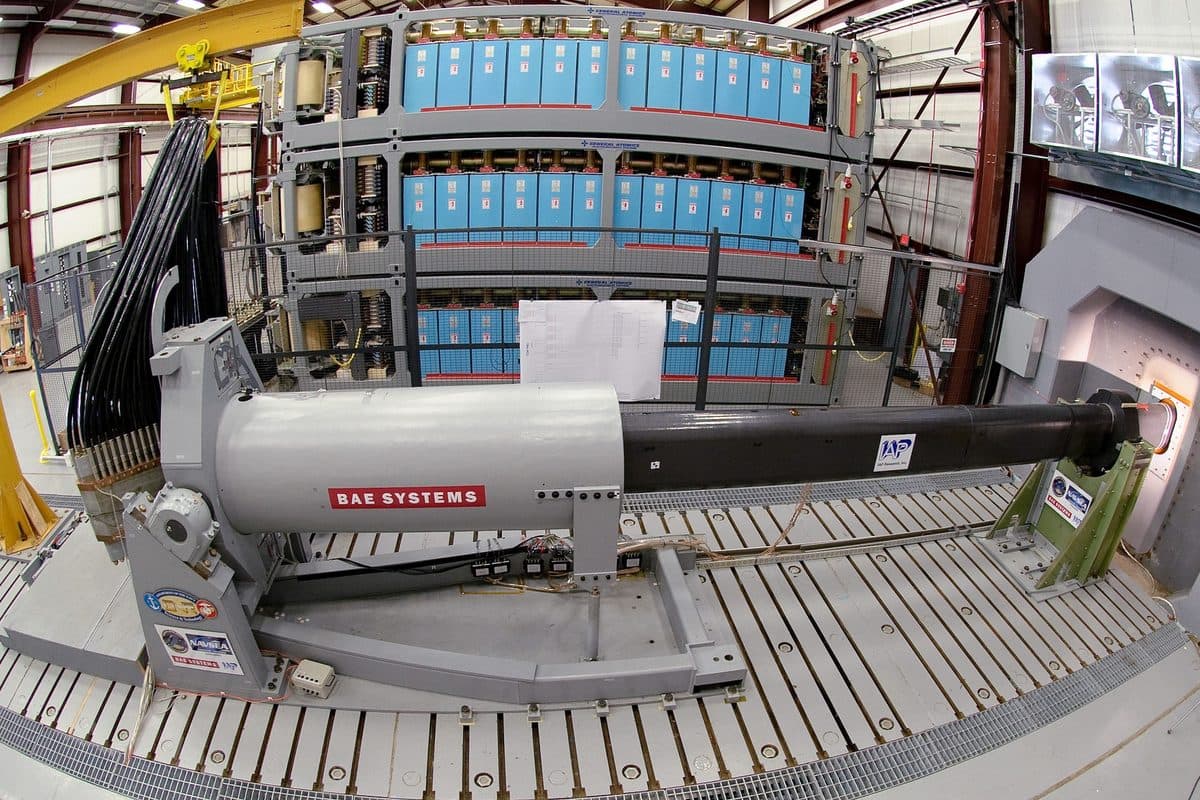
7 Next-Generation Weapons Already in Testing (2026): F-47, CCA, Hypersonics, and More
The F-47 sixth-gen fighter, AI-controlled CCA drone wingmen, hypersonic missiles, 60kW laser defenses, the M1E3 tank, Columbia-class sub, and FPV kamikaze drones. All in testing or combat now.