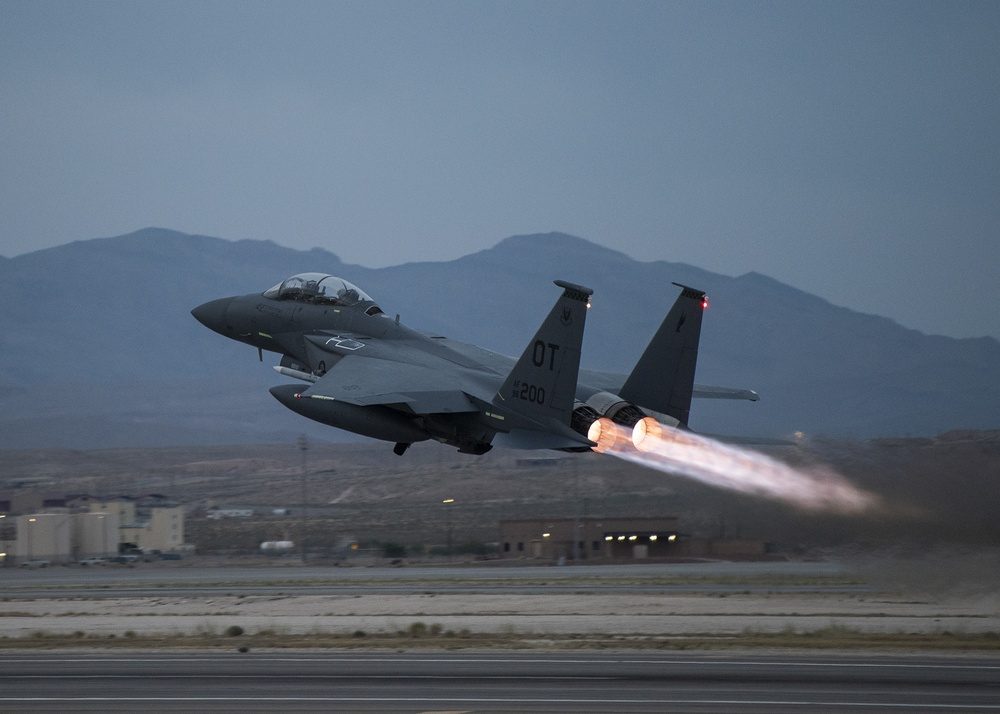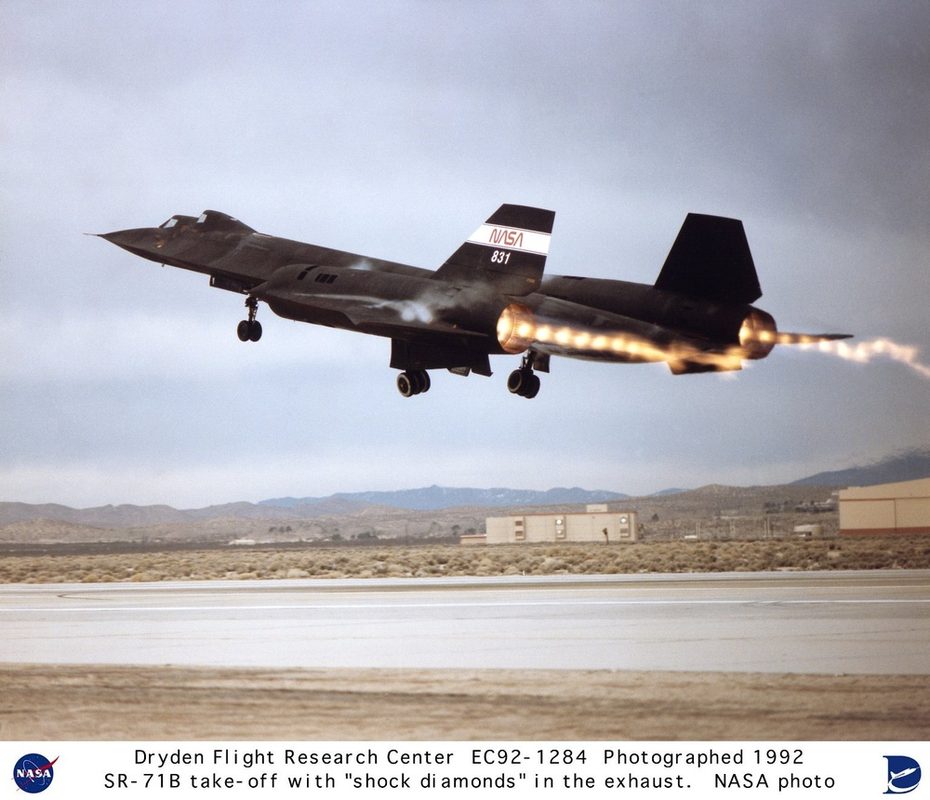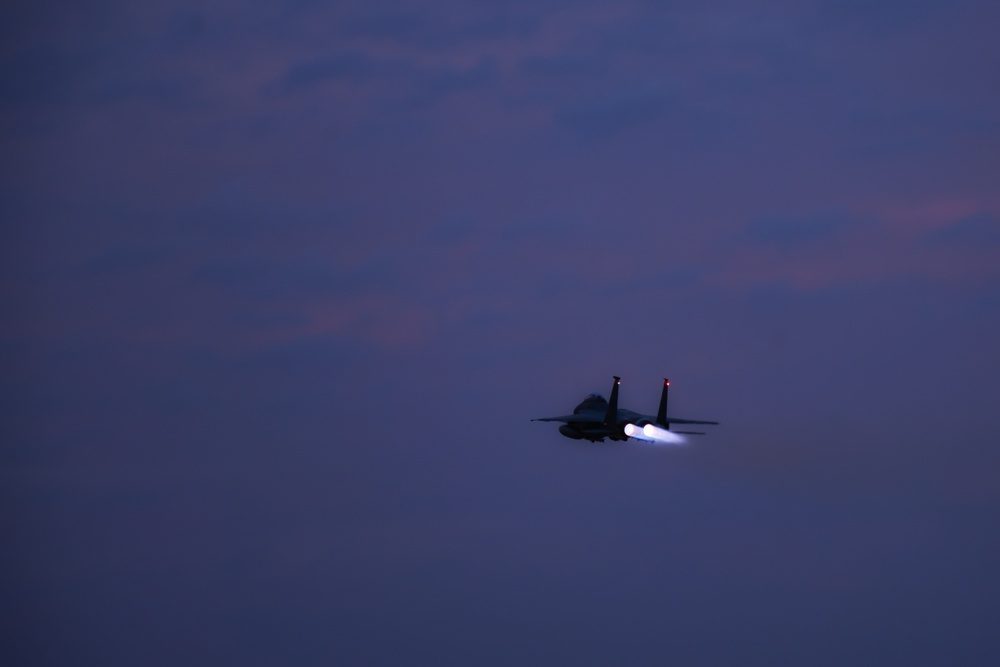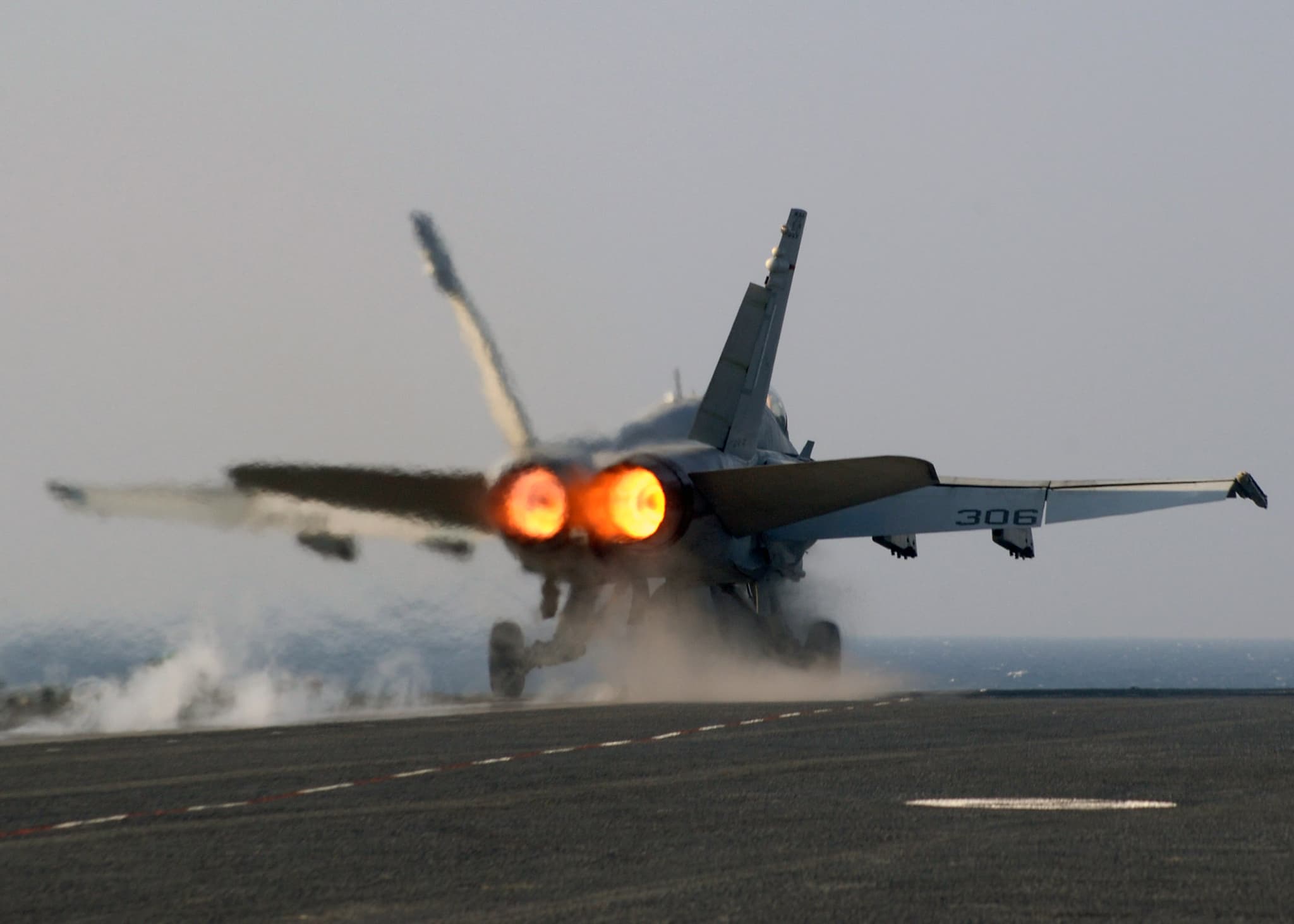

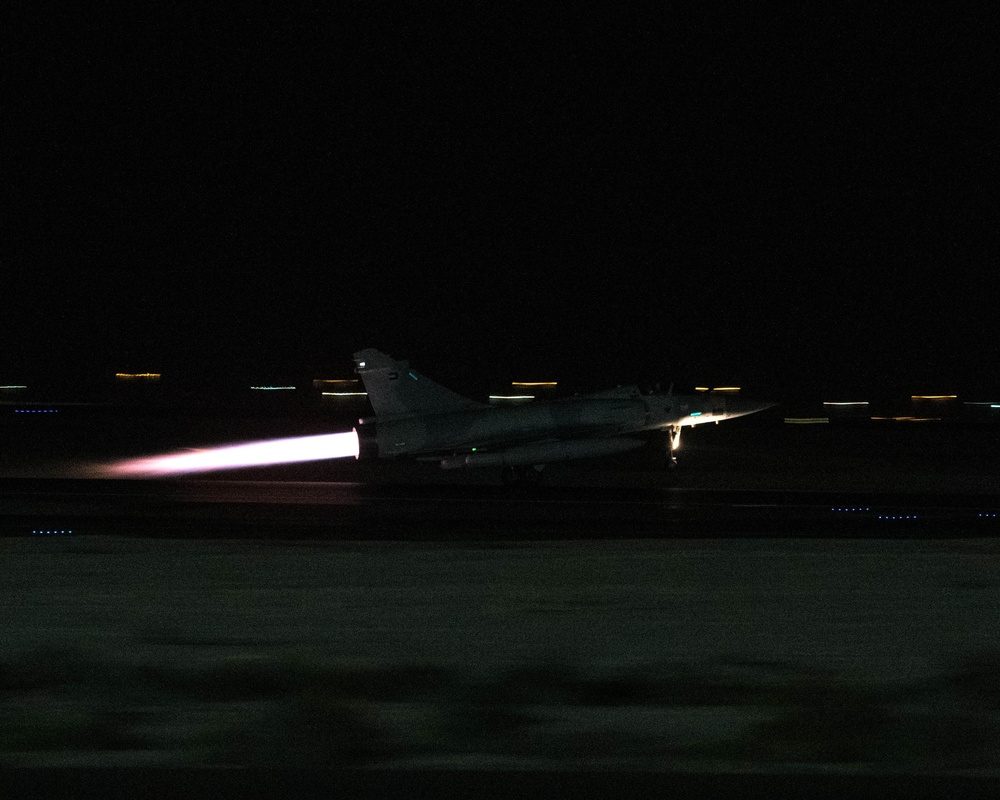
When a fighter pilot pushes the throttle past the military power detent and into the afterburner range, the aircraft transforms. The engines, already producing thousands of pounds of thrust, suddenly produce 50-70% more. The acceleration shoves the pilot back into the seat. The fuel flow rate, already substantial, triples or quadruples. A distinctive roar, louder and deeper than the engine's normal operating sound, fills the sky. And from the engine nozzles, a cone of blue-white flame extends several feet, visible even in daylight. The afterburner is the simplest concept in jet propulsion: take the exhaust, add more fuel, and burn it again. The engineering required to make this work reliably at thousands of degrees and tens of thousands of feet is anything but simple.
The Basic Principle
A jet engine works by compressing air, mixing it with fuel, burning the mixture, and expelling the resulting hot gases at high velocity through a nozzle. The thrust is generated by Newton's Third Law: the hot gases pushing backward create an equal and opposite force pushing the aircraft forward. The hotter and faster the exhaust gases, the more thrust the engine produces.
The key limitation is the turbine. The rotating turbine blades that extract energy from the combustion gases to drive the compressor are the hottest components in the engine, and they operate at the very edge of their material limits. Modern turbine blades are made from single-crystal nickel superalloys coated with thermal barrier ceramics, cooled internally by air bled from the compressor, and still operate at temperatures approaching their melting point. The combustion temperature in the main combustor is limited by what the turbine blades can survive.
But after the gases pass through the turbine, there is no longer a temperature limitation, because there are no more rotating components downstream. The gases exiting the turbine are still rich in oxygen (only about 25% of the oxygen in the intake air is consumed in the main combustor), and they are hot enough to ignite additional fuel without any external ignition source. The afterburner exploits this by injecting raw fuel into the exhaust stream between the turbine exit and the nozzle, creating a second combustion zone that raises the exhaust gas temperature from approximately 600-700°C to 1,700-2,000°C.