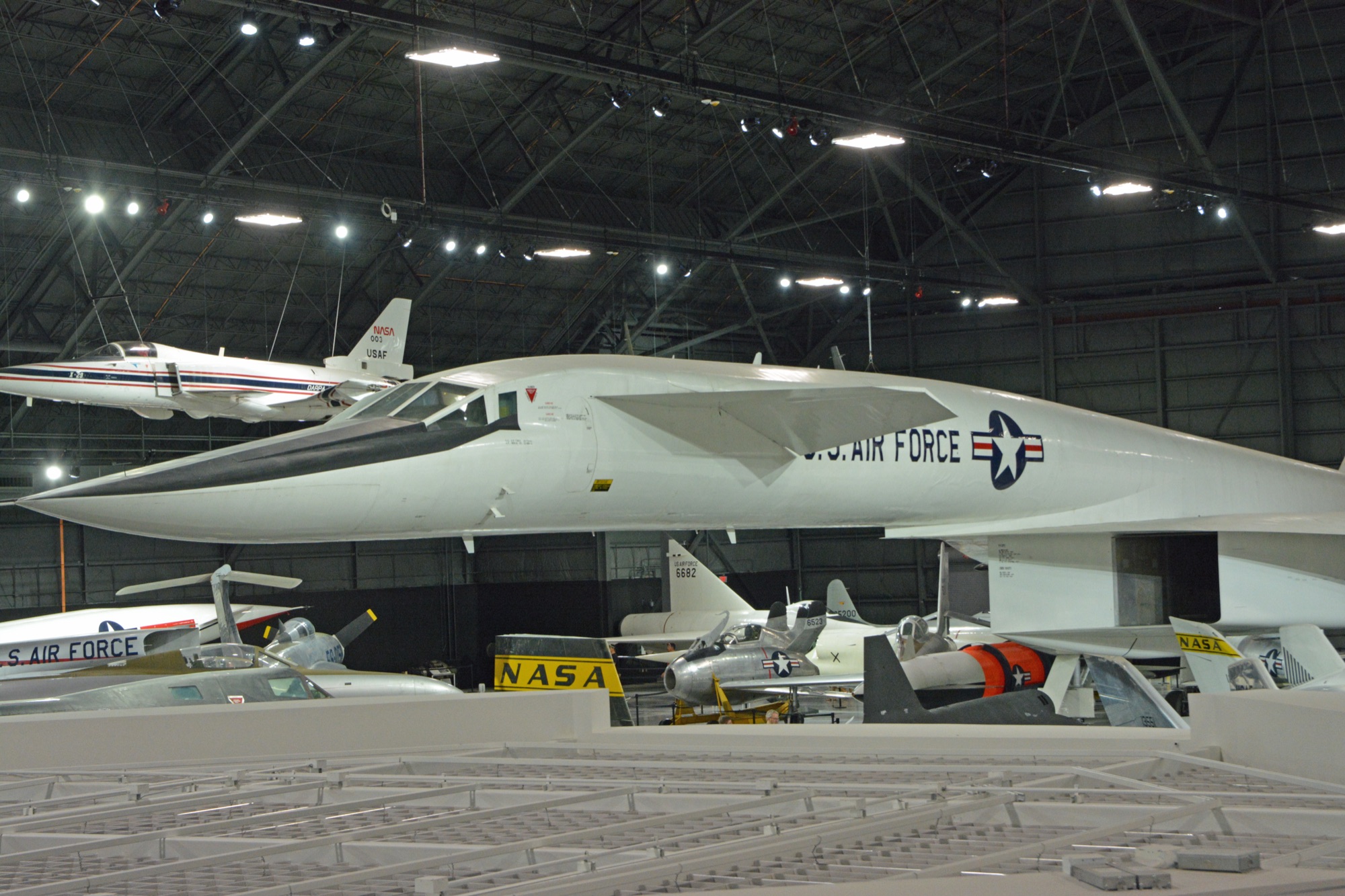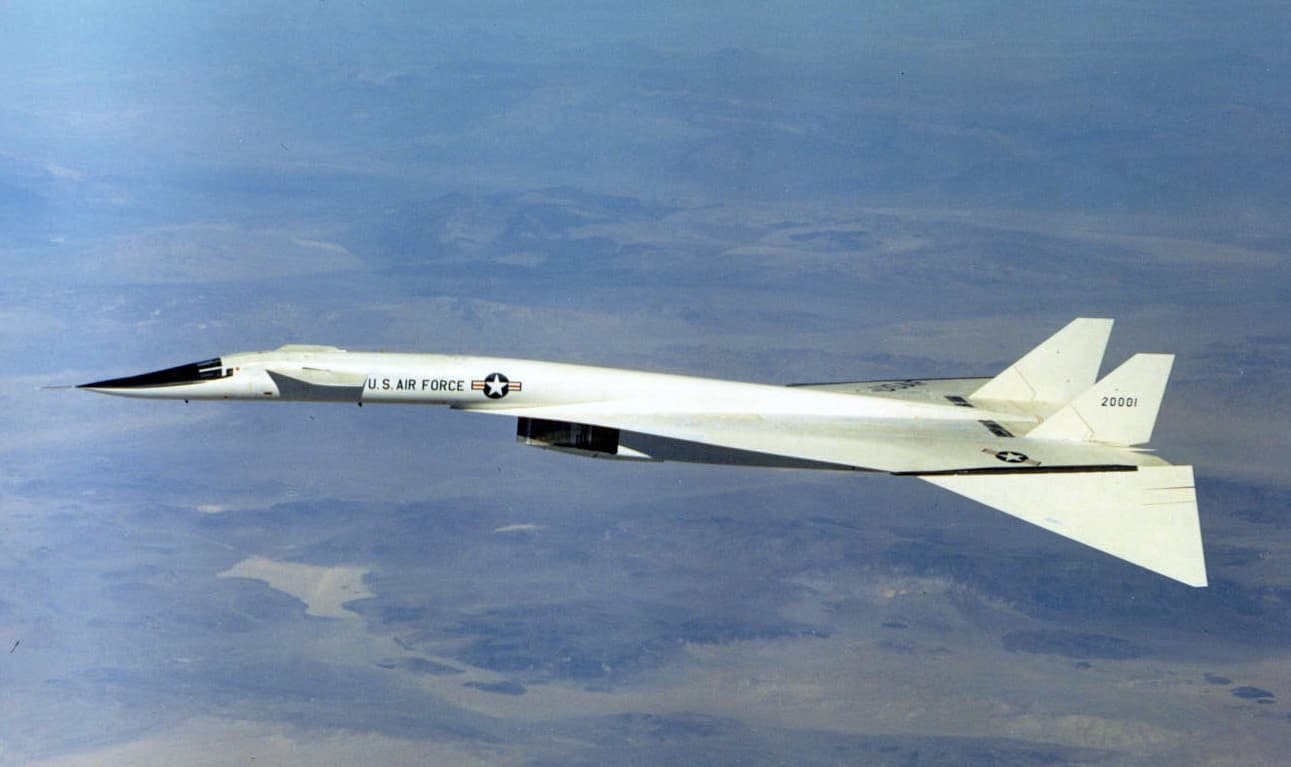

In the late 1950s, North American Aviation built a bomber that could outrun every fighter and every missile in the world. The XB-70 Valkyrie cruised at Mach 3, more than 2,000 miles per hour, at altitudes above 70,000 feet. It was 185 feet long, weighed over half a million pounds fully fueled, and used a phenomenon called compression lift to ride its own shockwave across the sky. It was, by any measure, the most extraordinary bomber ever conceived. And it never entered service, killed by a combination of Soviet missiles, intercontinental ballistic missiles, shifting defense strategy, and one of the most tragic accidents in aviation history.
The Requirement: Outrun Everything
The Valkyrie was born from a Strategic Air Command (SAC) requirement issued in 1954 for a bomber that could replace the B-52 Stratofortress. SAC's commander, General Curtis LeMay, wanted an aircraft that could deliver nuclear weapons deep into the Soviet Union at speeds and altitudes that would make interception impossible. The requirement called for a Mach 3 cruising speed, an operational ceiling above 70,000 feet, and intercontinental range without refueling.
The logic was straightforward: if the bomber flew fast enough and high enough, Soviet fighters could not reach it, and surface-to-air missiles could not catch it. At Mach 3 and 70,000 feet, the Valkyrie would be above most interceptors' service ceilings and faster than any missile's effective engagement envelope, or so the thinking went in 1954.
North American Aviation won the contract in 1957, and the company threw the full weight of its engineering talent into the B-70 program. The challenges were staggering. No aircraft had ever sustained Mach 3 flight for extended periods. The aerodynamic heating alone, with airframe temperatures exceeding 600°F at cruise speed, ruled out conventional aluminum construction. The entire aircraft would need to be built from stainless steel honeycomb panels brazed together, a manufacturing technique that had never been attempted at this scale.