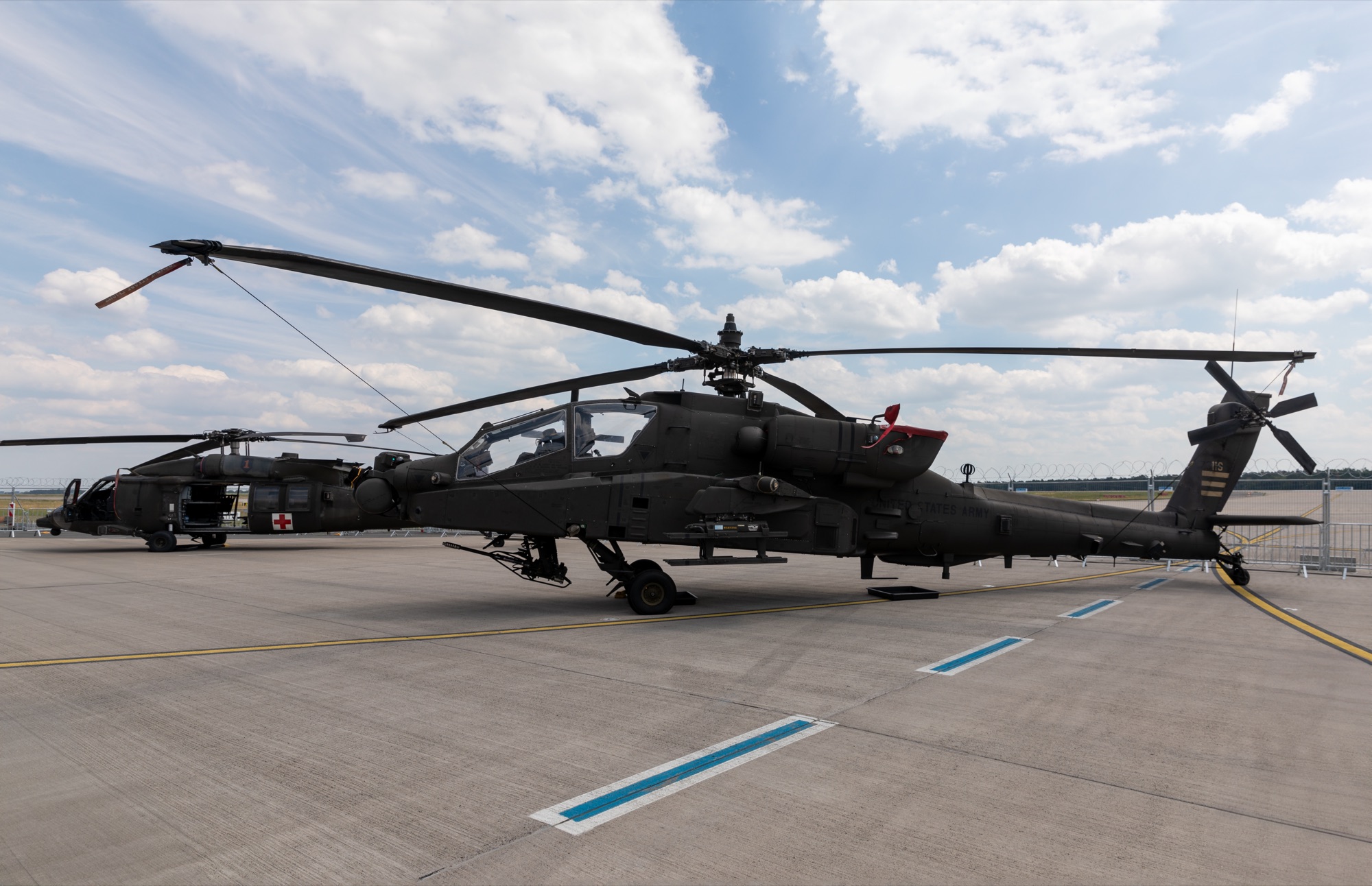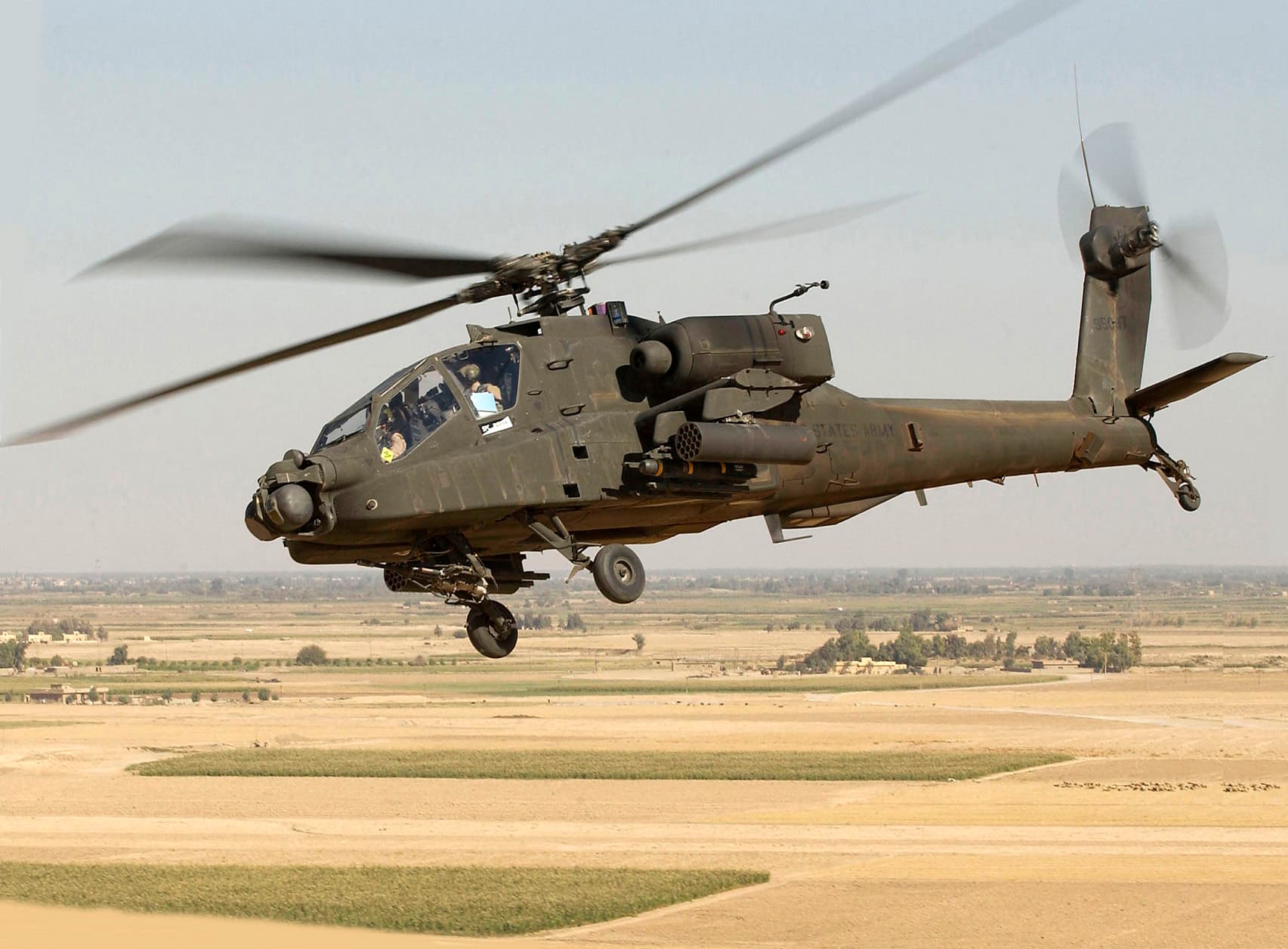

The AH-64 Apache and Ka-52 Alligator are the premier attack helicopters of their respective nations, and they could hardly be more different. The Apache, built by Boeing (originally Hughes/McDonnell Douglas), has been in service since 1986 and has fought in virtually every major American conflict since. The Ka-52, built by Russia's Kamov design bureau, entered service in 2011 and has seen extensive combat in Syria and Ukraine. Both are designed to destroy tanks, support ground troops, and dominate the low-altitude battlefield. But they approach these missions with radically different engineering philosophies, and their combat records tell very different stories.
Design Philosophy: Two Schools of Thought
The Apache follows the conventional Western attack helicopter template: tandem seating with the gunner in the front cockpit and the pilot in the raised rear seat, a conventional main rotor and tail rotor, retractable landing gear, and a chin-mounted gun turret. Every major Western attack helicopter since the AH-1 Cobra has followed this basic layout, and for good reason, it works. The narrow fuselage presents a small frontal profile to enemy fire, the tandem arrangement gives both crew members an excellent forward view, and the raised rear seat allows the pilot to see over the gunner's head.
The Ka-52 breaks nearly every one of these conventions. The two crew members sit side by side in a wide cockpit, giving the aircraft a substantially larger frontal area than the Apache. The main rotor system uses Kamov's signature coaxial contra-rotating design, two rotors spinning in opposite directions on the same shaft, eliminating the need for a tail rotor entirely. And most remarkably, both crew members have ejection seats, the only production attack helicopter in the world with this feature.
Each approach has engineering justifications. Kamov argues that side-by-side seating improves crew coordination, the pilot and weapons officer can point at each other's screens, share a physical map, and communicate with gestures rather than relying entirely on intercom. The coaxial rotor eliminates the tail rotor, which is both a mechanical vulnerability and a source of power loss (a conventional tail rotor consumes roughly 10-15% of the engine's power just to counteract torque). The ejection seats provide a crew escape option that no other helicopter offers, the rotor blades are blown off by explosive charges before the seats fire.