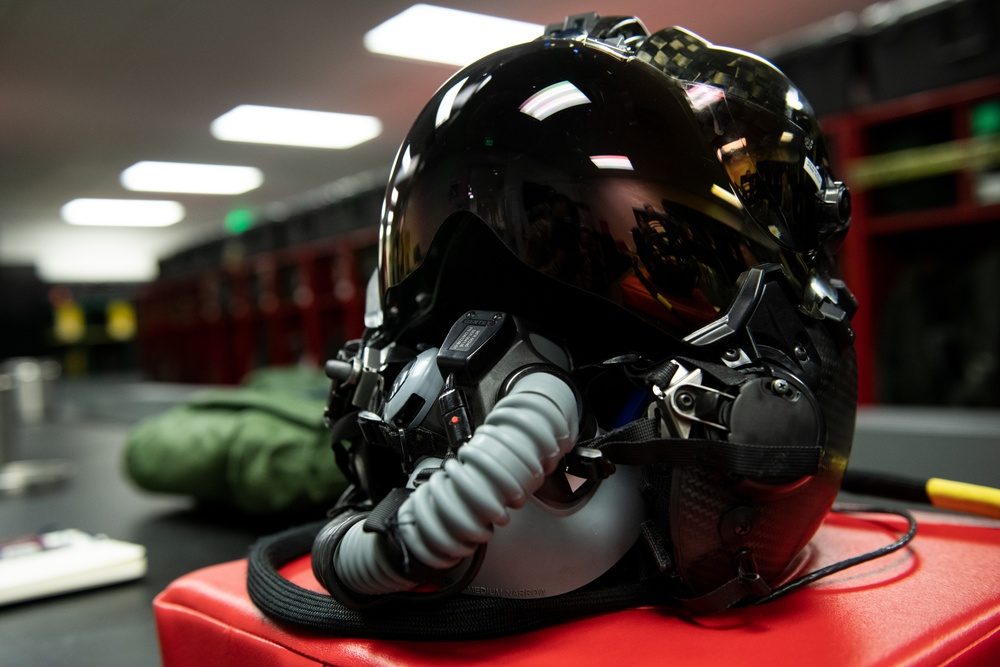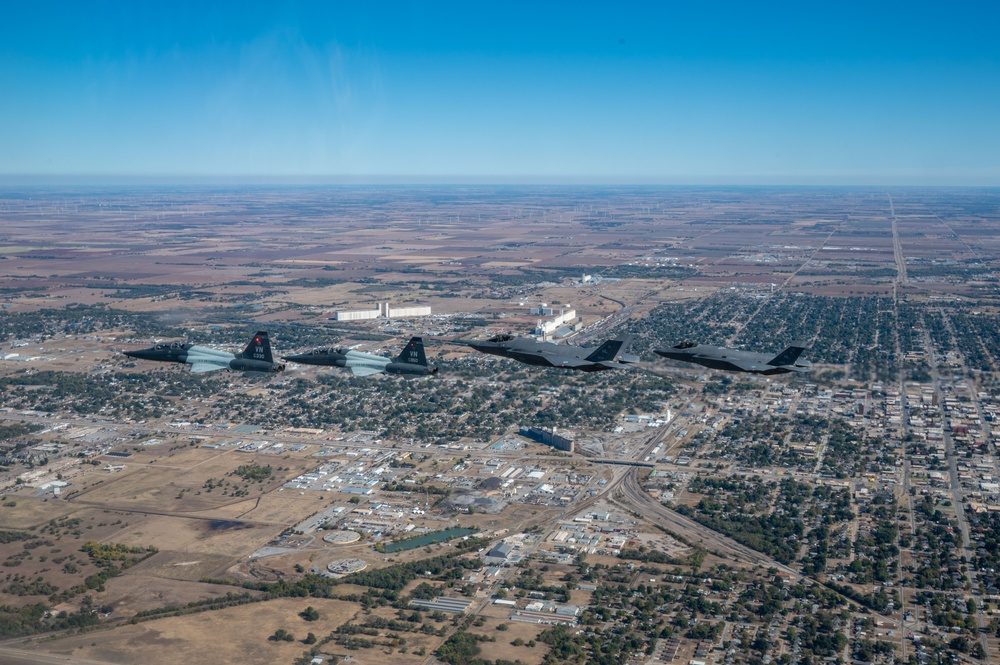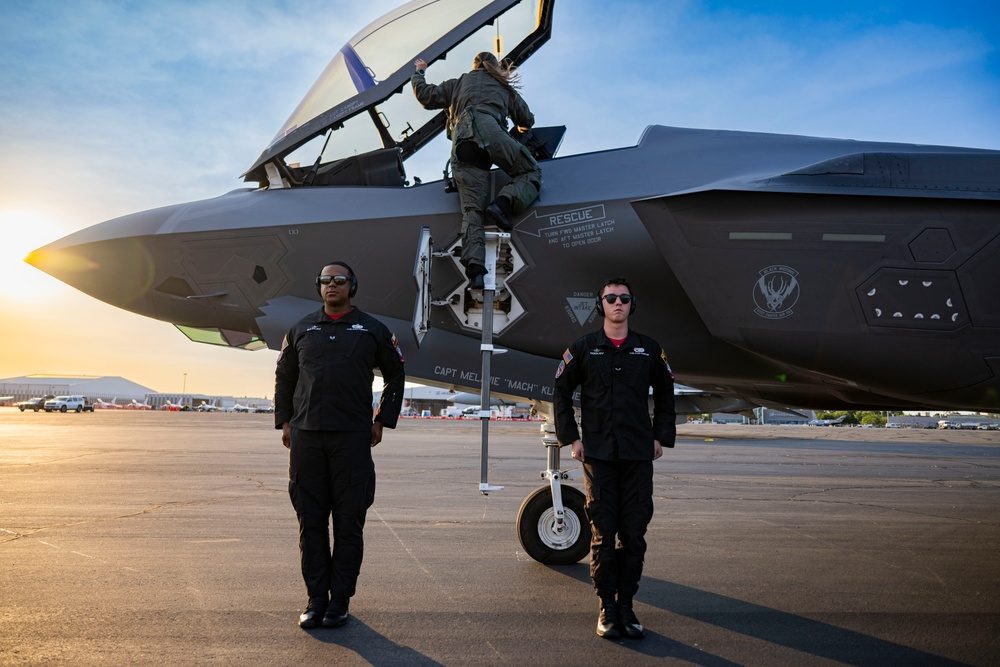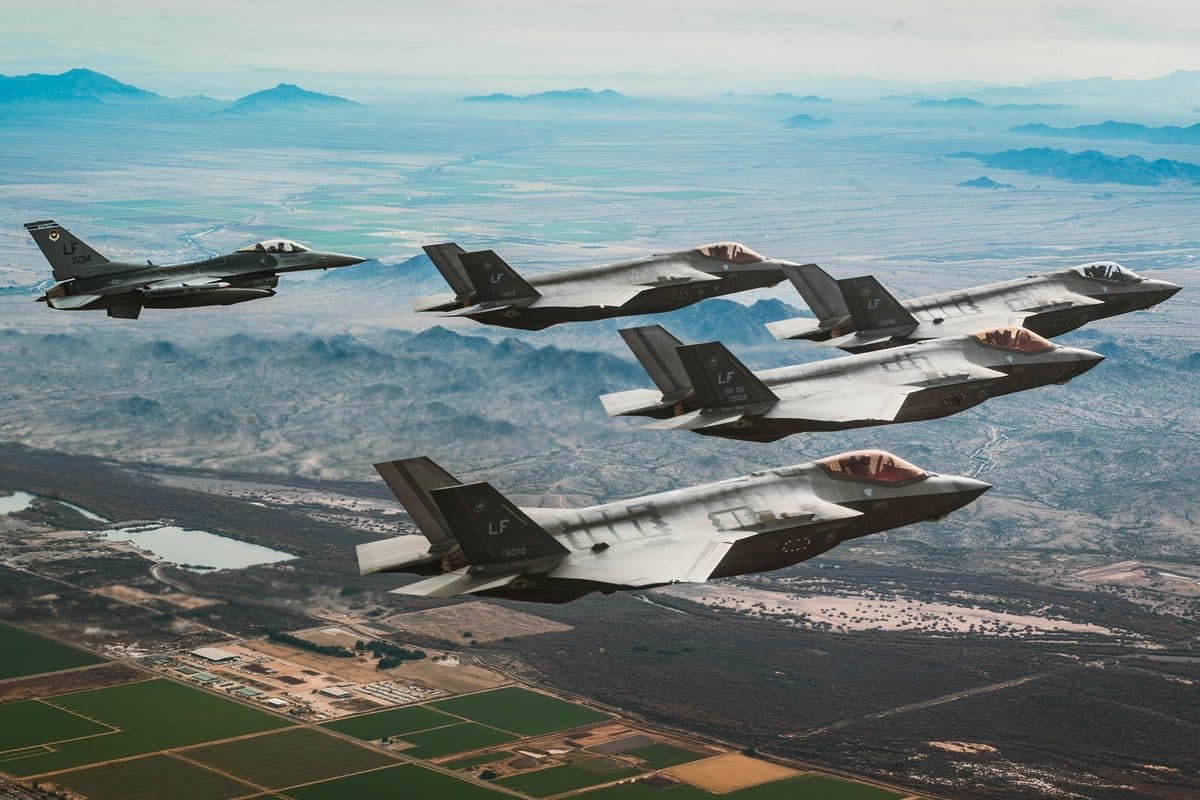

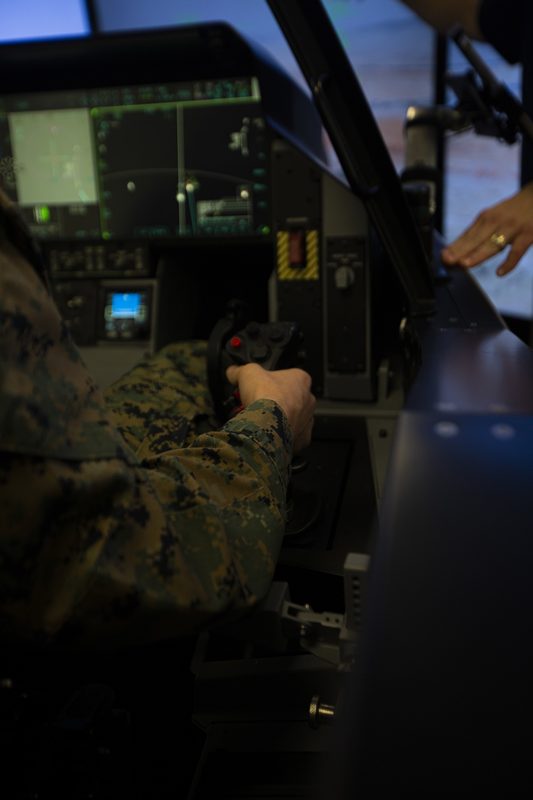
Ask an F-35 pilot what surprised them most about the aircraft and they almost never say stealth. They talk about information. About climbing into the cockpit for the first time and seeing, on a single panoramic display, everything, every radar contact, every infrared signature, every electronic emission, every datalinked target from every friendly platform in the battlespace, merged into one coherent picture. They talk about looking down through the floor of the aircraft and actually seeing the ground below, streamed live through their helmet visor. They talk about knowing things that pilots in legacy fighters simply cannot know. The F-35's sensor fusion isn't just a feature. It's the reason the aircraft exists.
The Problem Sensor Fusion Was Built to Solve
In a fourth-generation fighter like the F-16 or F/A-18, the pilot manages information from multiple sensors independently. The radar screen shows radar contacts. A separate display shows electronic warfare threats. Another system handles targeting. The pilot's job is to mentally integrate all of those data streams, cross-referencing what the radar sees with what the threat warning receiver says while simultaneously managing navigation, weapons, fuel, and communications. Under the stress of combat, that cognitive workload becomes the limiting factor. Pilots describe it as trying to watch four televisions simultaneously, each showing different content, while someone shoots at you.
The F-35 was designed from the ground up to eliminate that problem. Instead of presenting the pilot with raw data from individual sensors, the aircraft's central computer takes inputs from every sensor onboard, the AN/APG-81 AESA radar, the AN/AAQ-37 Distributed Aperture System, the AN/AAQ-40 Electro-Optical Targeting System, the AN/ASQ-239 electronic warfare suite, and the Multifunction Advanced Data Link, and fuses them into a single integrated picture. The pilot sees one display. One picture. One truth.
The AN/APG-81: The Radar That Sees Everything at Once
The AN/APG-81 is an active electronically scanned array radar built by Northrop Grumman. Unlike mechanically scanned radars that physically tilt an antenna, the APG-81 steers its beam electronically using over 1,000 transmit/receive modules. This allows it to simultaneously track air targets, map ground terrain, perform electronic attack, and support communications, tasks that would require separate radar modes in older fighters.