Skip to content
May 6:Fall of Corregidor: America's Last Philippine Stronghold Surrenders84yr ago

Patriot vs S-400: The World's Best Air Defense Systems Compared

Alex Carter · · 12 min read
Save
Share:
Split image comparing a Patriot missile battery with an S-400 Triumf launcher system showing both air defense platforms
Alex Carter
Alex Carter

Modern Warfare & Defense Technology Contributor

Alex Carter writes about modern warfare, emerging military technology, and how doctrine adapts to new tools. His work focuses on what changes in practice -- command, control, targeting, and risk -- when systems like drones and autonomous platforms become routine.

The MIM-104 Patriot and the S-400 Triumf are routinely compared as the Western and Russian answers to the same question: how do you defend against aircraft, cruise missiles, and ballistic missiles? The comparison is inevitable but imperfect. These systems were designed around different philosophies, optimized for different threats, and their combat records could not be more different. The Patriot has been tested in real wars against real weapons. The S-400 has been tested primarily in marketing brochures and export contracts. That gap between demonstrated performance and claimed capability defines the comparison.

Different Designs for Different Doctrines
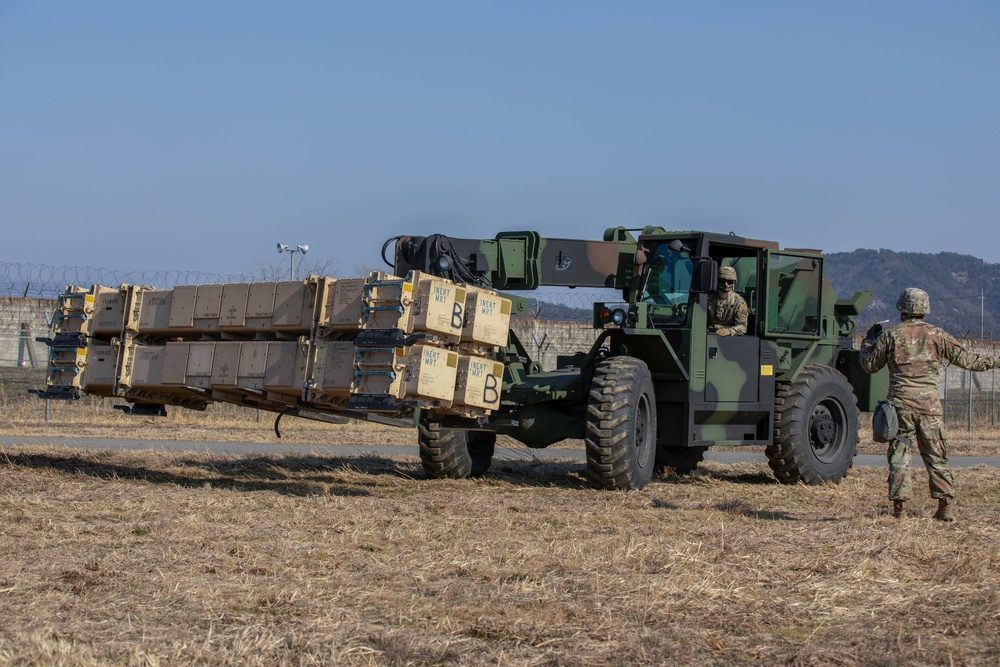
Patriot missile canisters being positioned by forklift at a firing battery
A Patriot missile battery being positioned at a firing site. (U.S. Army photo via DVIDS)

The Patriot is fundamentally a point defense system. It protects specific high-value locations, airfields, command posts, ports, population centers, from missile and aircraft attack. Its engagement range, while substantial (the PAC-3 MSE can engage targets at distances exceeding 100 miles), is optimized for defending a discrete area rather than denying airspace across a broad front. A Patriot battery is designed to destroy threats that are headed toward the asset it is protecting.
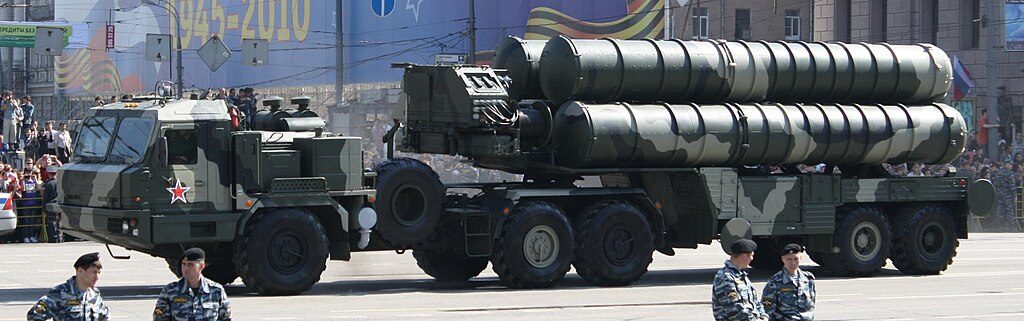
S-400 Triumf transporter-erector-launcher in camouflage during a Moscow Victory Day parade
An S-400 Triumf transporter-erector-launcher on display during a Moscow Victory Day parade. (Photo via Wikimedia Commons)

The S-400 is designed as an area defense system. Its longest-range missile, the 40N6E, can theoretically engage targets at 400 kilometers (250 miles), creating a vast bubble of denied airspace. The S-400's strategy is deterrence through range: forcing attacking aircraft to operate so far from their targets that they cannot be effective, or requiring them to fly under the radar horizon to avoid detection. A single S-400 battalion can threaten aircraft across tens of thousands of square miles.

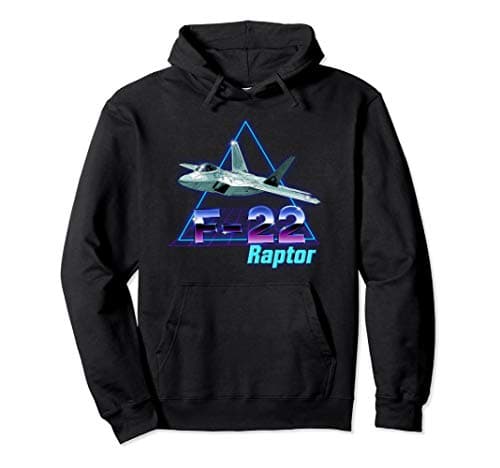
F-22 Raptor Hoodie

F-22 Raptor Hoodie

Air dominance fighter. Pullover hoodie, retro print.

This philosophical difference is not about which approach is better, it reflects the different strategic needs of the nations that designed them. The United States, with global air superiority provided by its fighter fleet and carrier aviation, needs air defense systems that protect specific assets from the missiles and aircraft that get through. Russia, which faces potential air attack across vast borders from technologically sophisticated adversaries, needs systems that deny large volumes of airspace to keep those adversaries at a distance.

Head to Head: The Specifications

Specification Patriot (PAC-3 MSE) S-400 Triumf
Manufacturer Raytheon / Lockheed Martin Almaz-Antey
In Service 1984 (PAC-3 MSE: 2015) 2007
Max Range ~160+ km (PAC-3 MSE) ~400 km (40N6E)
Max Altitude ~33 km ~30 km (48N6E3)
Kill Mechanism Hit-to-kill (kinetic) Blast-fragmentation warhead
Missiles per Launcher 16 (PAC-3) or 4 (PAC-2) 4 per TEL
Radar AN/MPQ-65 phased array 91N6E + 92N6E
Missile Types PAC-2 GEM-T, PAC-3, PAC-3 MSE 40N6E, 48N6E3, 9M96E/E2
Battery Cost ~$1 billion ~$500 million (est.)
Operators 18+ countries ~6 countries
Combat Record Extensive (Gulf War–Ukraine) Limited / unverified
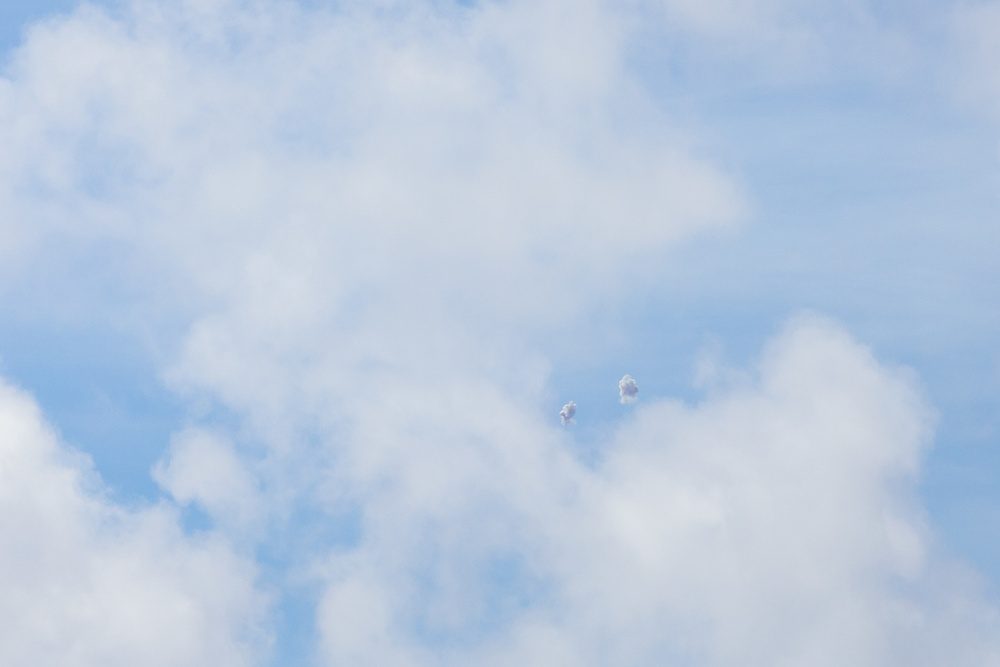
Two Patriot PAC-2 missiles intercepting a target with smoke trails visible in the sky
Patriot missiles launch during an intercept engagement. (U.S. Army photo via DVIDS)

The Combat Record Gap

This is where the comparison becomes decisive. The Patriot has been used in combat across multiple conflicts and against multiple threat types. Its record includes successes, failures, and lessons learned from both, which means its capabilities and limitations are well understood.

In Ukraine, Patriot batteries have intercepted Russian Kh-47M2 Kinzhal hypersonic missiles, weapons that Russia claimed were "unstoppable." They have shot down Iskander ballistic missiles, Kalibr cruise missiles, and manned Russian aircraft including Su-34 strike fighters and Su-35 air superiority fighters at extended ranges. The Patriot's performance in Ukraine has been its most demanding test, and it has performed well enough to generate a global surge in demand that exceeds production capacity.

The S-400's combat record is, by comparison, almost nonexistent against peer-level threats. S-400 batteries deployed in Syria have not prevented Israeli air strikes on Iranian and Hezbollah targets, though Russia has generally refrained from engaging Israeli aircraft for political reasons. S-400 batteries deployed within Russia itself have not prevented Ukrainian drone and cruise missile attacks from reaching targets deep inside Russian territory. While these attacks often involve lower-end threats rather than the most sophisticated Western weapons, the inability of Russian air defense, including S-400 units, to provide comprehensive protection has raised serious questions about the system's real-world effectiveness.

The S-400's defenders argue that the system has not been fully employed, that political constraints, rules of engagement, and the specific threat environment do not represent a fair test of its capabilities. This may be true. But the fact remains that the Patriot has demonstrated its performance under combat conditions, while the S-400's performance claims rest almost entirely on manufacturer specifications and controlled test results.

The Geopolitical Weapon

The S-400's greatest impact has arguably been political rather than military. Russia has used the system as a strategic instrument of foreign policy, offering it to countries whose purchase creates friction with the United States and NATO.

Turkey's purchase of the S-400 in 2017 triggered the most serious crisis within NATO in years. The United States removed Turkey from the F-35 program, arguing that the S-400's radar could collect data on the F-35's stealth characteristics, and imposed CAATSA sanctions. Turkey received the S-400 batteries but lost access to the most advanced Western fighter, a trade-off that continues to shape its defense policy.

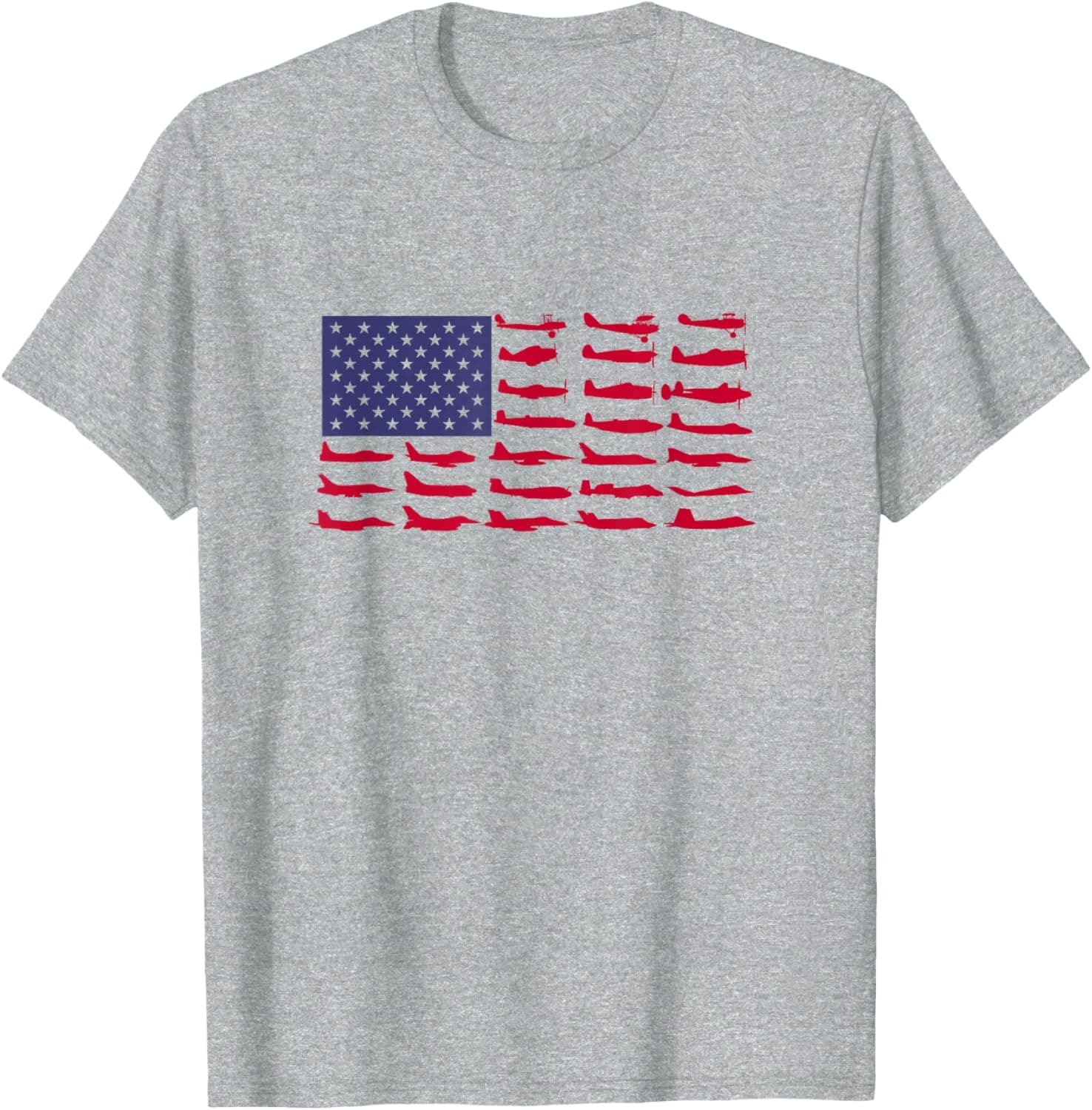
Aircraft Flag T-Shirt

$18.99 at MM Shop

Aircraft Flag T-Shirt

27 US military aircraft form the stripes of the American flag.

India signed a $5.4 billion contract for five S-400 battalions despite intense American pressure. The purchase tested the U.S.-India defense partnership, though Washington ultimately chose not to impose sanctions. China was the first export customer, receiving S-400 systems in 2018 to complement its own HQ-9 air defense.

The Patriot, by contrast, strengthens alliances rather than disrupting them. Every Patriot customer operates within the Western security framework, with interoperable systems, shared logistics, and compatible command structures. The Patriot is not just a weapon, it is a node in an integrated allied air defense network.

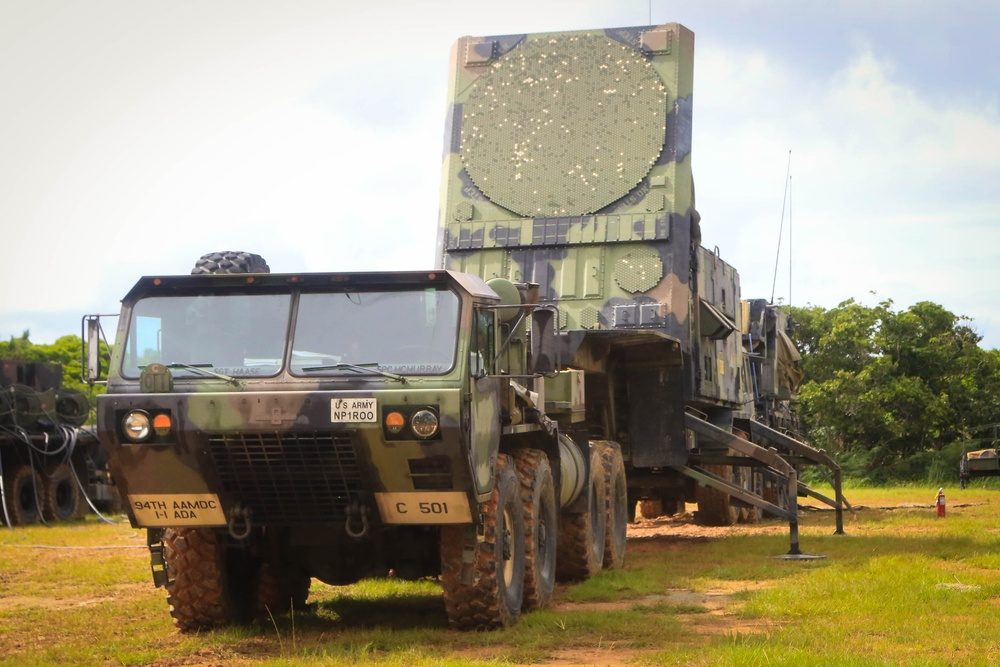
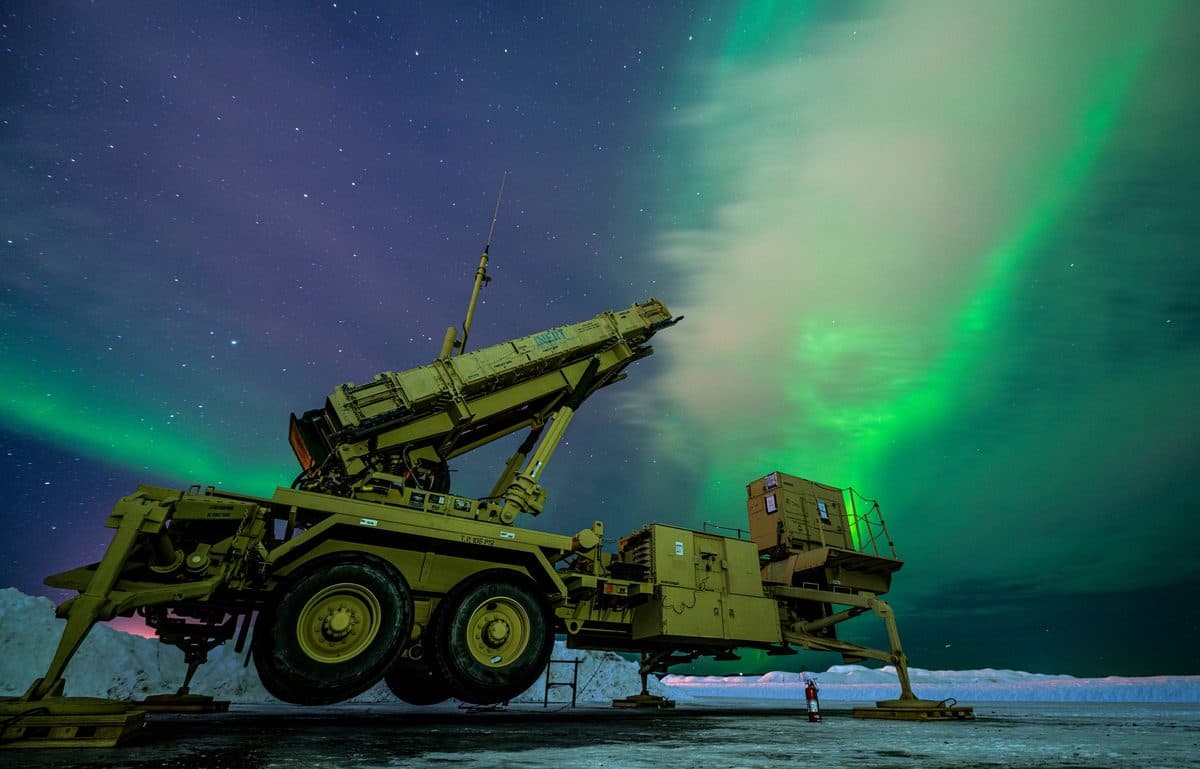
Patriot AN/MPQ-53 phased array radar mounted on a military vehicle
The Patriot AN/MPQ-53 phased array radar, the eyes of the system. (U.S. Army photo via DVIDS)

Hit-to-Kill vs Blast-Fragmentation

The Patriot's PAC-3 and PAC-3 MSE interceptors use hit-to-kill technology, the missile physically collides with the incoming target at closing speeds exceeding Mach 5. No explosive warhead is needed; the kinetic energy of the impact destroys the target. This approach requires extraordinary precision, the missile must hit an object that may be only a few feet in diameter, traveling at several thousand miles per hour. But when it works, destruction is complete and assured.

The S-400's missiles primarily use blast-fragmentation warheads, the missile detonates near the target, spraying it with high-velocity fragments. This approach is more forgiving of guidance errors (the missile only needs to get close, not achieve a direct hit) but less certain of complete destruction. A blast-fragmentation engagement may damage but not destroy a target, particularly a ballistic missile warhead, which is hardened and may continue on its trajectory despite fragment damage.

The Patriot's evolution from blast-fragmentation (PAC-2) to hit-to-kill (PAC-3) was driven directly by the Gulf War experience, where PAC-2 interceptors detonated near Scud warheads but often failed to destroy them completely. The hit-to-kill approach was the answer, and it has since proven its effectiveness in multiple combat engagements.

The Verdict: Proven vs Promised

The Patriot and S-400 may be the two most prominent air defense systems in the world, but they are not equally validated. The Patriot's capabilities, and its limitations, are understood because they have been tested in combat, analyzed by independent observers, and continuously improved based on real-world results. The S-400's capabilities remain largely theoretical, resting on Russian manufacturer claims that have not been independently verified in combat conditions.

This does not mean the S-400 is ineffective. It may well perform as advertised against some categories of threats. Its long range creates a deterrent effect that is real regardless of actual performance, air planners must respect the possibility that the S-400 can do what Russia claims, and plan accordingly. But in a direct comparison between a system with a proven combat record and a system with a marketing record, the Patriot's demonstrated performance gives it a credibility advantage that no specification sheet can overcome.

Share this article

Share:

From the Military Machine catalog

Gear We'd Buy on This Topic

Recommended

Ace of The Skies: Can You Identify These Military Aircraft Throughout The Years?
Test Yourself

Ace of The Skies: Can You Identify These Military Aircraft Throughout The Years?

Can you identify these aircraft?

Take the Quiz

On This Day in Military History

March 27

The Goliad Massacre (1836)

On Palm Sunday, between 425 and 445 Texian prisoners of war were executed by the Mexican Army at Goliad, Texas, on orders from General Santa Anna. Colonel Fannin had surrendered after the Battle of Coleto Creek under terms promising humane treatment, but Santa Anna invoked a decree classifying armed foreigners as pirates subject to execution. The massacre killed more Texians than the Alamo and became a catastrophic strategic blunder, "Remember Goliad!" joined "Remember the Alamo!" as the battle cry that drove Sam Houston's army to victory at San Jacinto less than a month later.

1794, Naval Act of 1794, Birth of the United States Navy

1814, Battle of Horseshoe Bend, Andrew Jackson Destroys the Red Sticks

1865, Lincoln, Grant, and Sherman Meet at City Point

See all 10 events on March 27

Test Your Knowledge