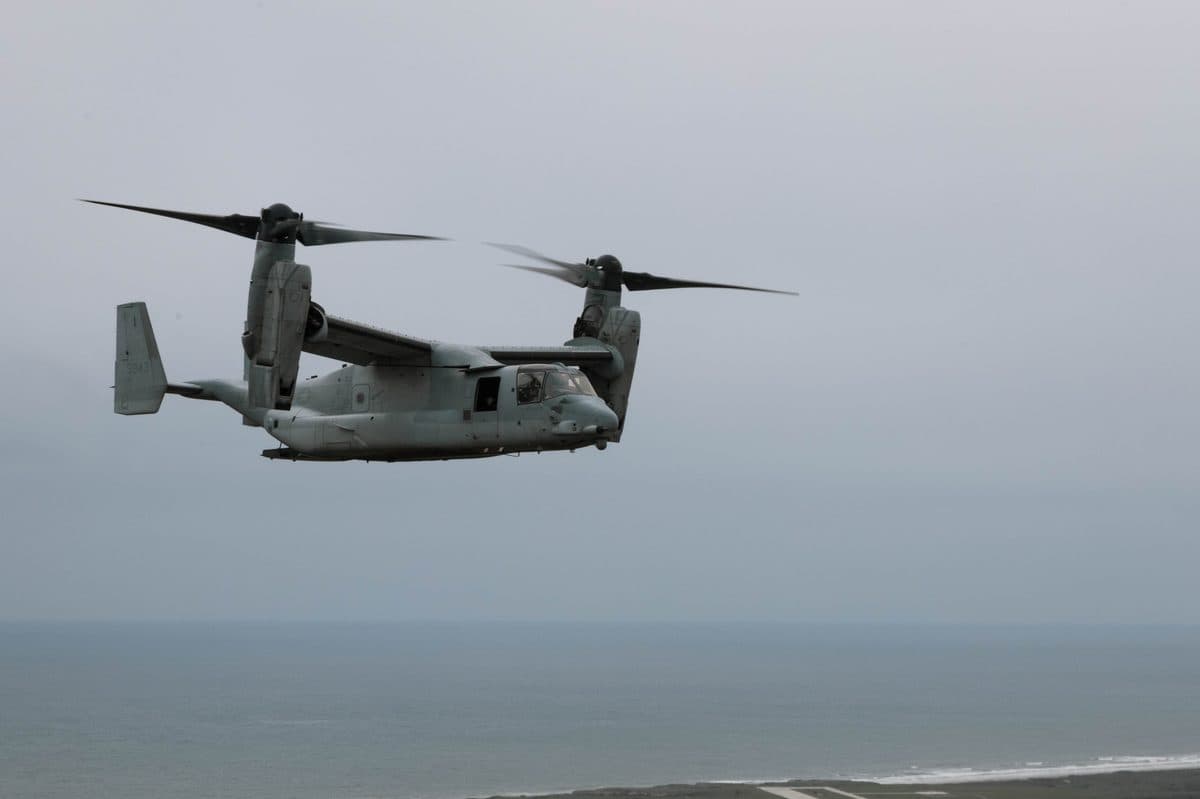

Sixty-two people have died in V-22 Osprey crashes since the aircraft first flew in 1989. The list includes Marines, airmen, and Navy personnel lost in training accidents, mechanical failures, and at least one crash that the Marine Corps initially blamed on pilot error before investigators found a catastrophic gearbox failure. The Marines refuse to give the Osprey up. Both positions, the safety critics and the service that keeps flying it, make complete sense when you understand what the V-22 can do that nothing else in the American inventory can match, and why tiltrotor flight is fundamentally harder than conventional helicopter or airplane operations.
What a Tiltrotor Actually Is
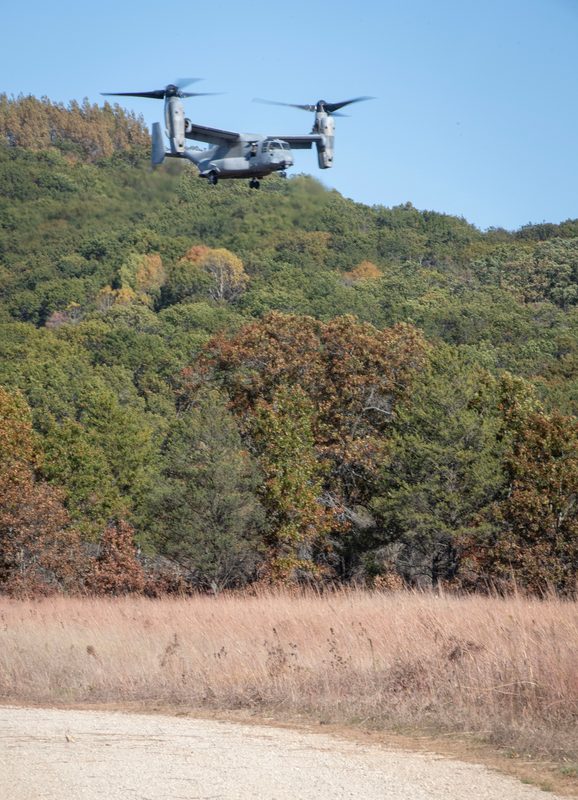
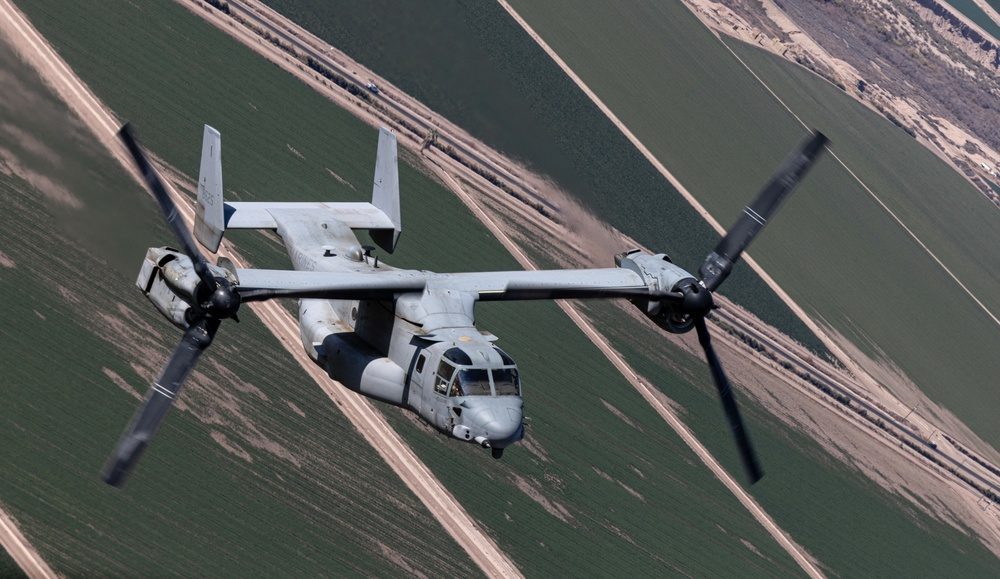
The V-22 Osprey is neither a helicopter nor an airplane. It is a tiltrotor, an aircraft with two massive 38-foot-diameter propellers mounted on nacelles at the wingtips that rotate 90 degrees between vertical and horizontal positions. With the nacelles pointing up, the Osprey takes off and lands like a helicopter. Once airborne, the nacelles tilt forward, and the aircraft flies like a turboprop airplane.
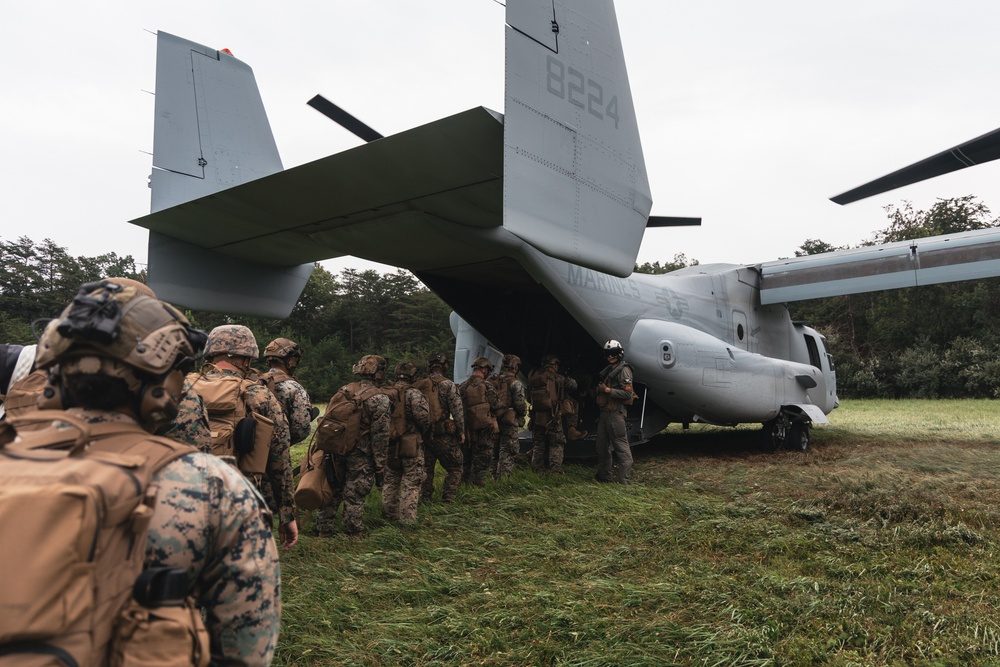
That transition, from helicopter mode to airplane mode and back, is where the V-22's extraordinary capability and its extraordinary danger both originate. In airplane mode, the Osprey cruises at 280 knots, twice the speed of the CH-46 Sea Knight helicopter it replaced. Its combat radius is 450 nautical miles, more than double what any comparable helicopter can achieve. It can carry 24 combat-equipped Marines or 20,000 pounds of cargo at speeds that fundamentally change the geometry of amphibious assault.
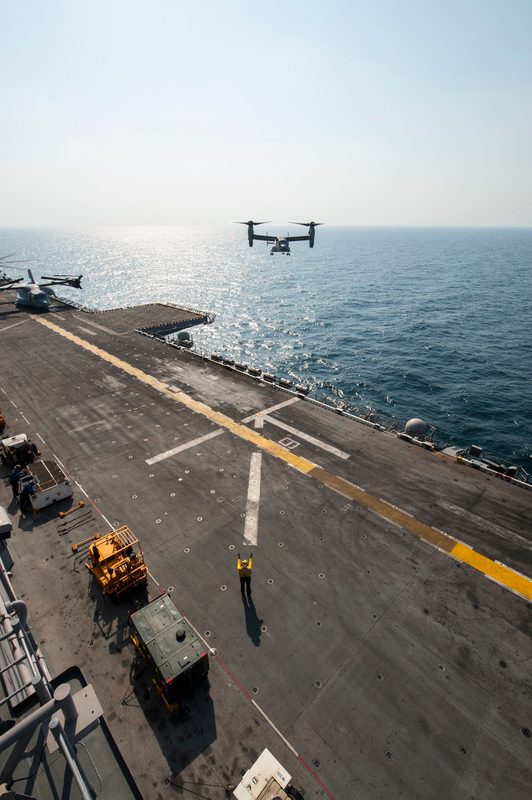
A Marine Expeditionary Unit aboard an amphibious assault ship with CH-46s could reach targets roughly 100 miles inland. The same MEU with MV-22 Ospreys can reach 200 miles inland at twice the speed. For an adversary planning coastal defenses, this means the defended zone expands from a narrow strip along the coast to a deep area stretching hundreds of miles in every direction from the fleet. The Osprey does not incrementally improve amphibious assault. It transforms the math entirely.