#26, Siege of Sevastopol: 250 Days of Bombardment That Leveled a Fortress City
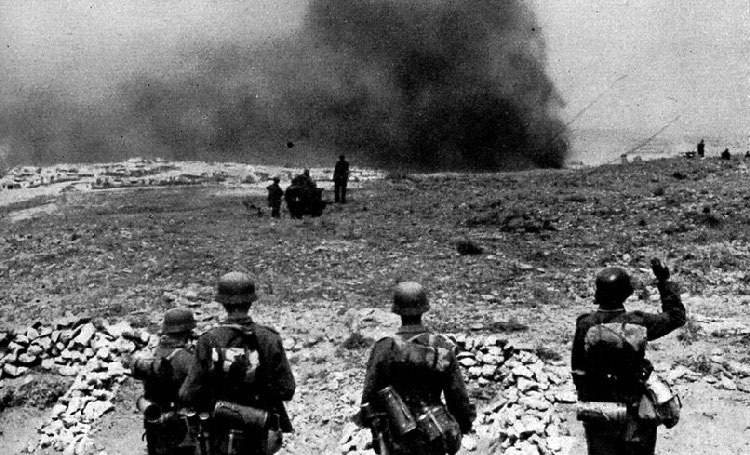
The Siege of Sevastopol from October 30, 1941, to July 4, 1942, produced approximately 230,000 total casualties, over 118,000 Soviet killed, captured, or evacuated wounded, and an estimated 75,000 German and Romanian casualties. The German 11th Army under Erich von Manstein spent 250 days reducing the Soviet Black Sea Fleet's main base, a fortress city defended by permanent fortifications, coastal batteries, and a garrison that fought with suicidal determination.
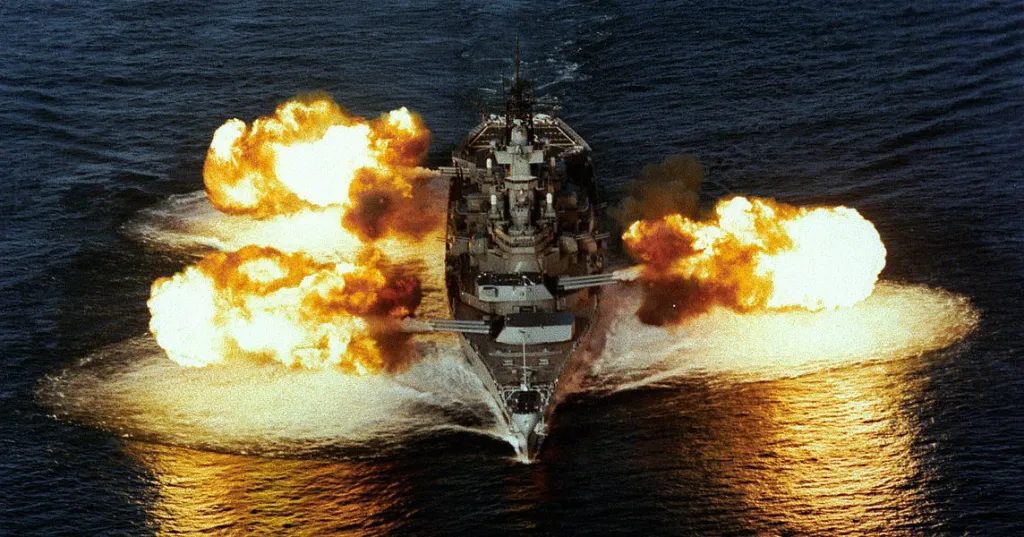
Manstein brought the heaviest artillery pieces ever deployed in warfare, including the 800mm Schwerer Gustav railway gun that fired 7-ton shells 30 miles. The 600mm Karl-Gerät siege mortars lobbed 2-ton concrete-piercing rounds into underground ammunition magazines. Soviet Marines launched counterattacks from the sea. Sailors manned fortress guns until the barrels melted. When the final assault came on June 7, 1942, German infantry had to clear every bunker, cave, and tunnel individually. The garrison's last defenders held out in the Inkerman Caves and 35th Battery until July 4, when organized resistance ended. Sevastopol's fall freed Manstein's 11th Army for the summer offensive toward Stalingrad, but the quarter-million casualties it cost Germany were troops the Eastern Front could never replace.