Caspian Sea Monster: The 550-Ton Ground-Effect Leviathan
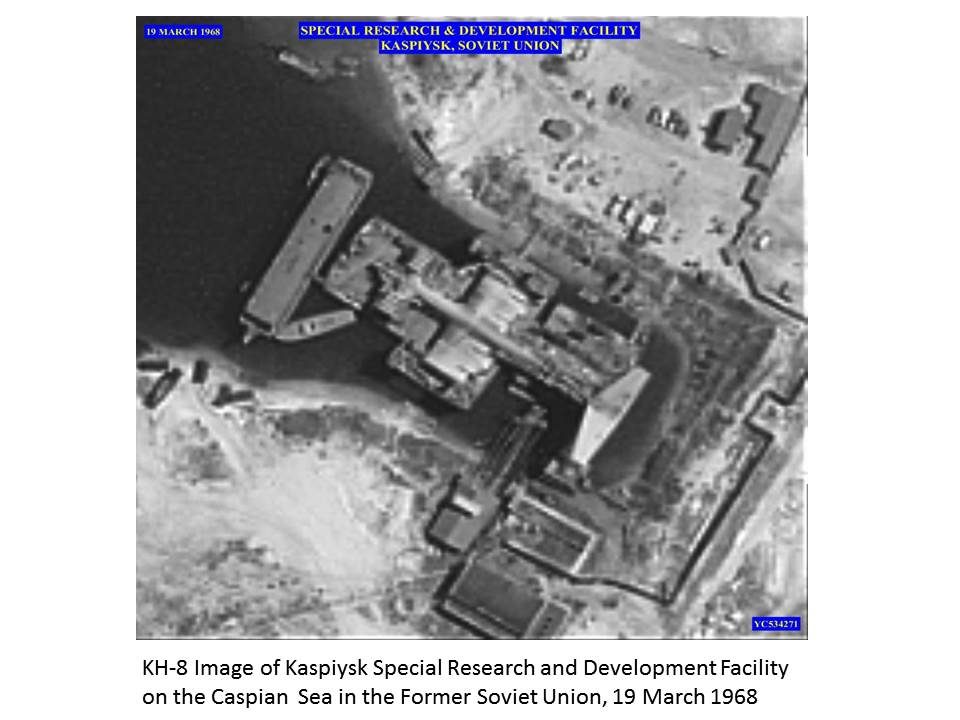
When American spy satellites first photographed this vehicle on the Caspian Sea in the 1960s, CIA analysts couldn't figure out what they were looking at. The KM (Korabl-Maket, or "prototype ship") was a 550-ton ground-effect vehicle (not quite a ship, not quite an aircraft) that skimmed just meters above the water surface at speeds exceeding 400 km/h. American intelligence dubbed it the "Caspian Sea Monster," and the name stuck.
Designed by Soviet engineer Rostislav Alexeyev, the KM exploited ground effect, the cushion of air trapped between a low-flying wing and the surface below, to achieve extraordinary lift efficiency. Its eight nose-mounted turbojet engines provided forward thrust while the massive wing generated lift from the compressed air beneath it. At 92 meters long, the KM was larger than any aircraft then in existence. It operated from 1966 to 1980, when a pilot error caused a crash during takeoff. The Soviets never fully recovered the vehicle, but the technology it proved would lead to armed military variants designed to streak across oceans at jet speed, skimming below radar coverage.