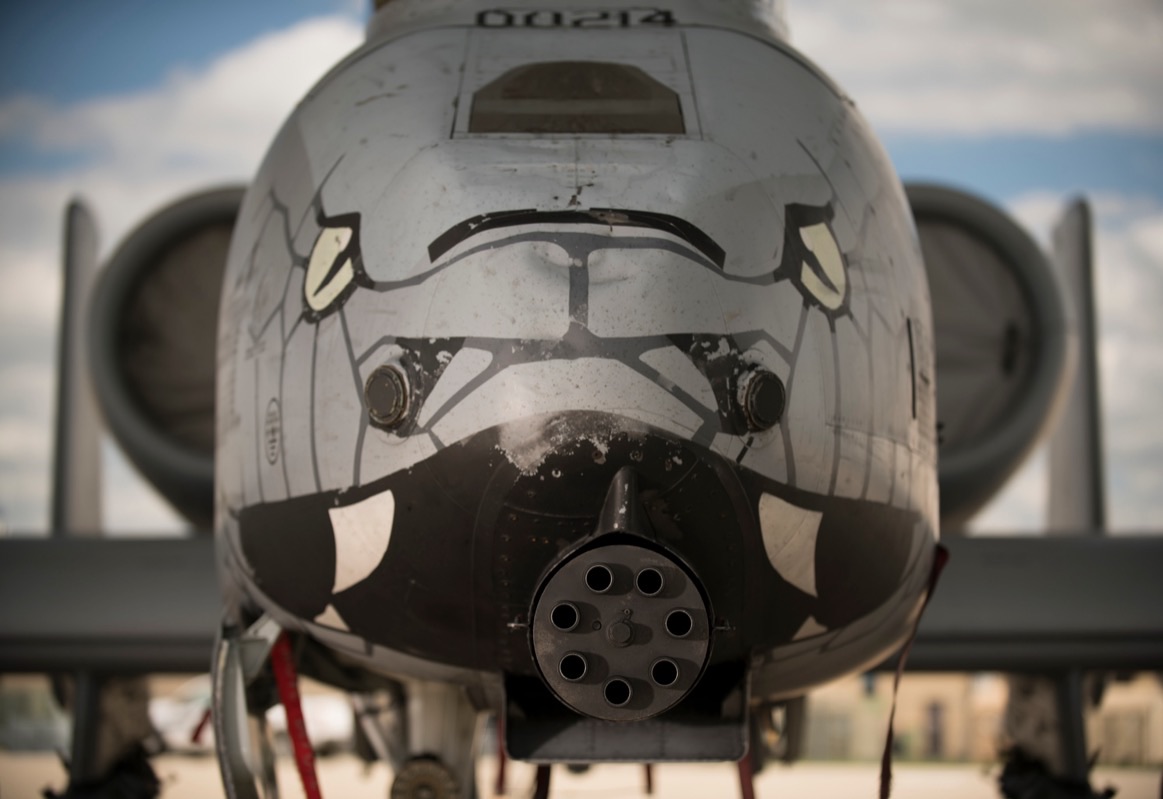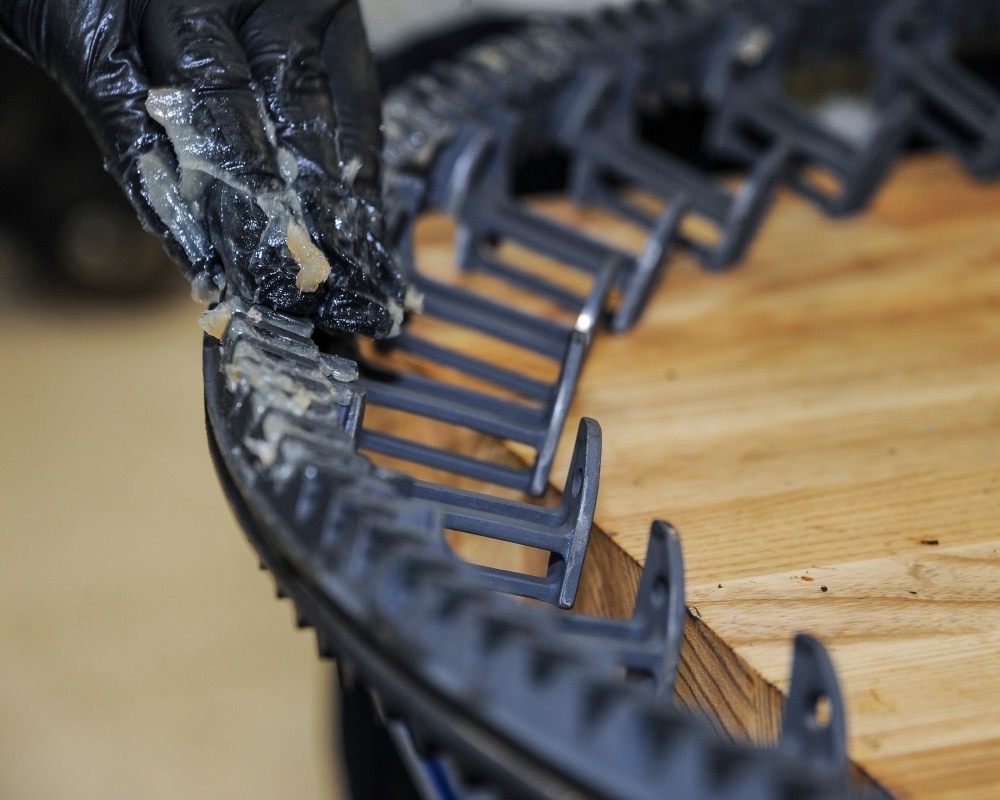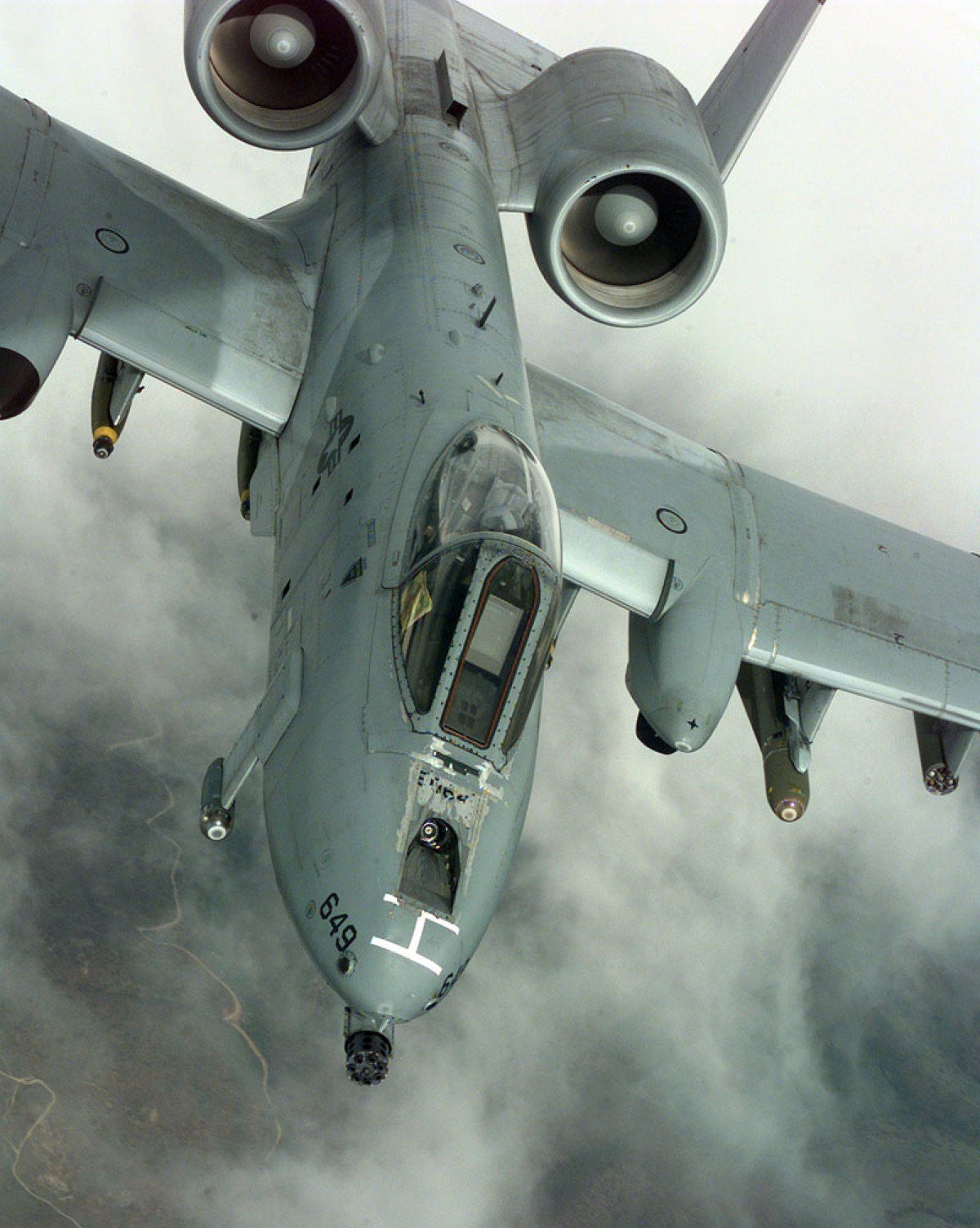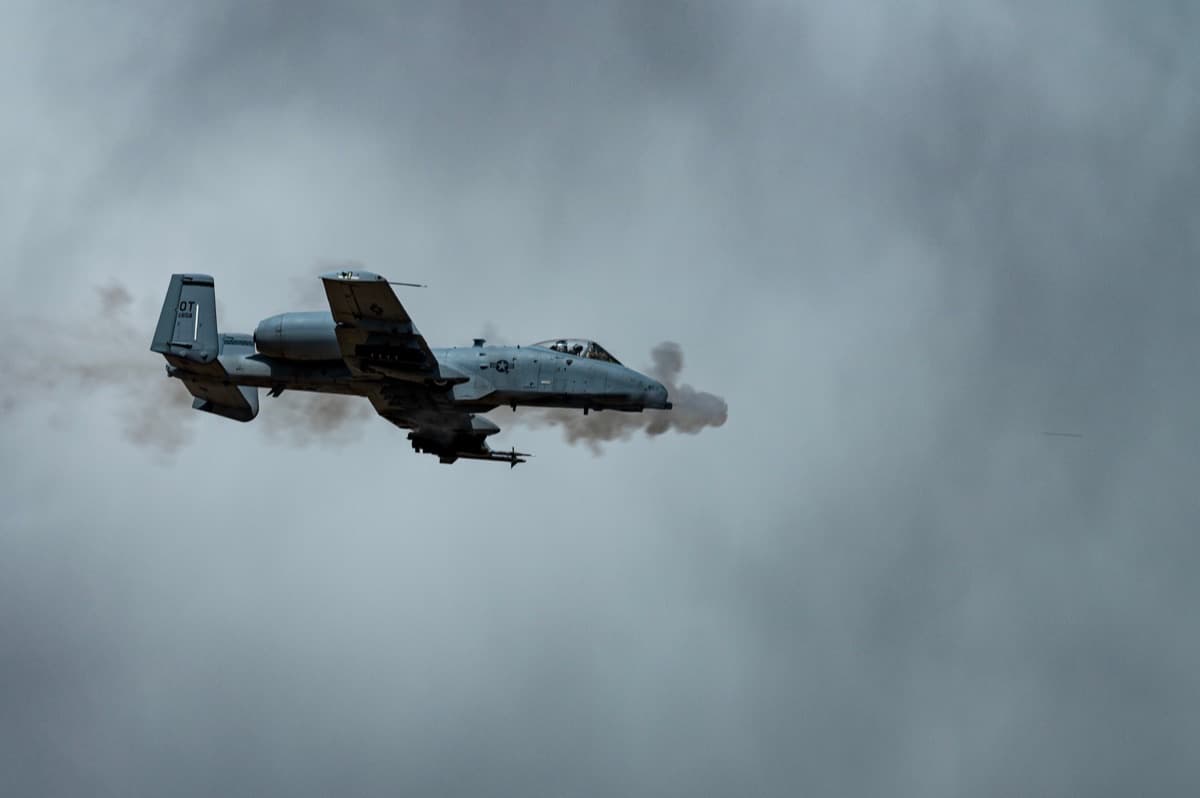

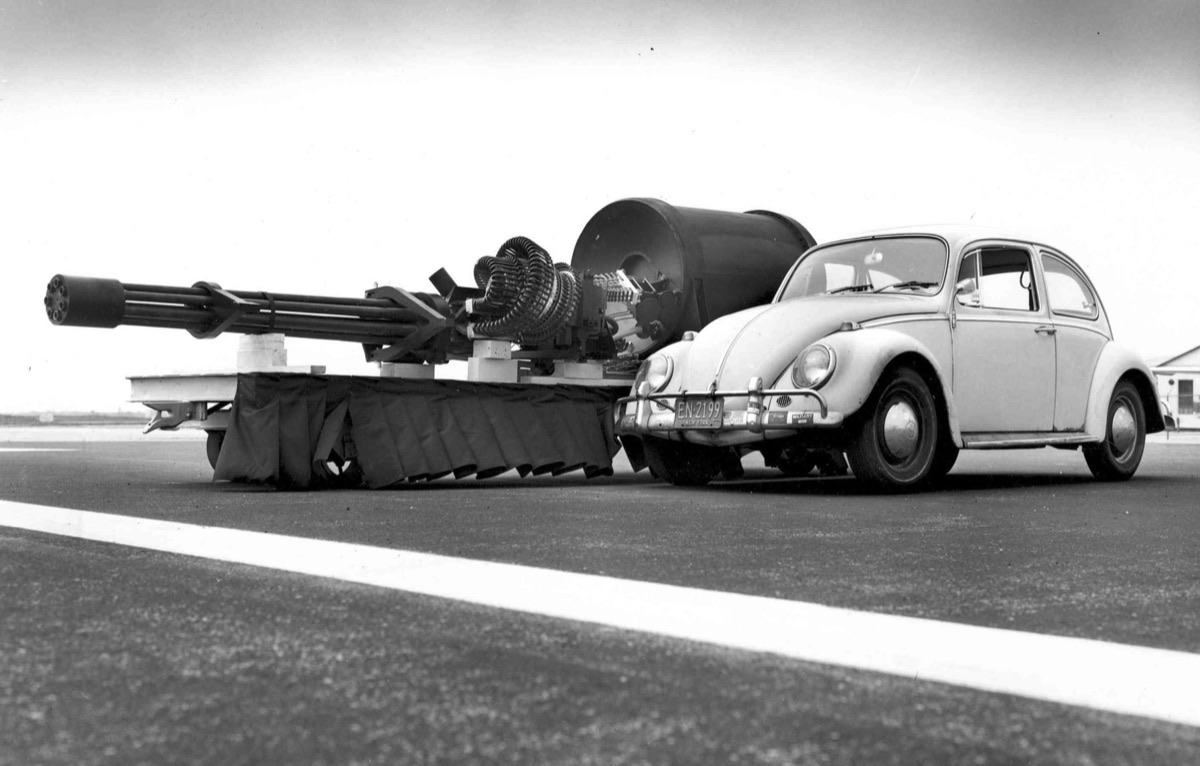
The GAU-8/A Avenger weighs 620 pounds empty. Loaded with a full combat load of 1,174 rounds of 30mm ammunition, the complete weapon system (gun, feed system, and ammunition drum) tips the scales at 4,029 pounds. That is roughly 16 percent of the A-10 Thunderbolt II's empty weight. No other modern combat aircraft dedicates anything close to that proportion of its airframe to a single weapon. The reason is simple: the Air Force did not design an airplane and then select a gun for it. They designed the gun first, and then built an airplane around it.
The Gun That Came First
In 1966, the Air Force began studying what would become the A-X program, a dedicated close air support aircraft that could survive in the low-altitude, high-threat environment over a European battlefield. The Vietnam War had exposed a critical gap: fast jets like the F-4 Phantom were poorly suited to supporting troops in contact. They were too fast to identify targets, too fragile to absorb ground fire, and too expensive to risk on repeated low-level passes over defended positions.
The solution required a gun, not a missile, not a bomb, but a gun that could destroy Soviet tanks in a single pass. In 1971, the Air Force issued the requirement for the GAU-8/A: a 30mm cannon capable of firing at rates up to 4,200 rounds per minute with sufficient muzzle velocity and projectile mass to penetrate the top and side armor of Soviet main battle tanks. General Electric won the contract over Philco-Ford and began engineering what would become the most destructive aircraft-mounted weapon in history.
Fairchild Republic, meanwhile, won the A-X airframe competition in 1973. From the earliest design phase, the company's engineers worked backward from the gun. The GAU-8's firing barrel sits precisely on the aircraft's centerline, positioned 2 degrees below the line of flight so that the pilot can aim simply by pointing the nose at the target. The nose landing gear, which would normally sit on centerline, is offset to the right, the only fighter-attack aircraft in the American inventory with an asymmetric landing gear arrangement. Without the gun installed, the A-10 is so nose-light that it tips backward onto its tail. Ground crews must mount a support stand under the rear fuselage whenever the gun is removed for maintenance.