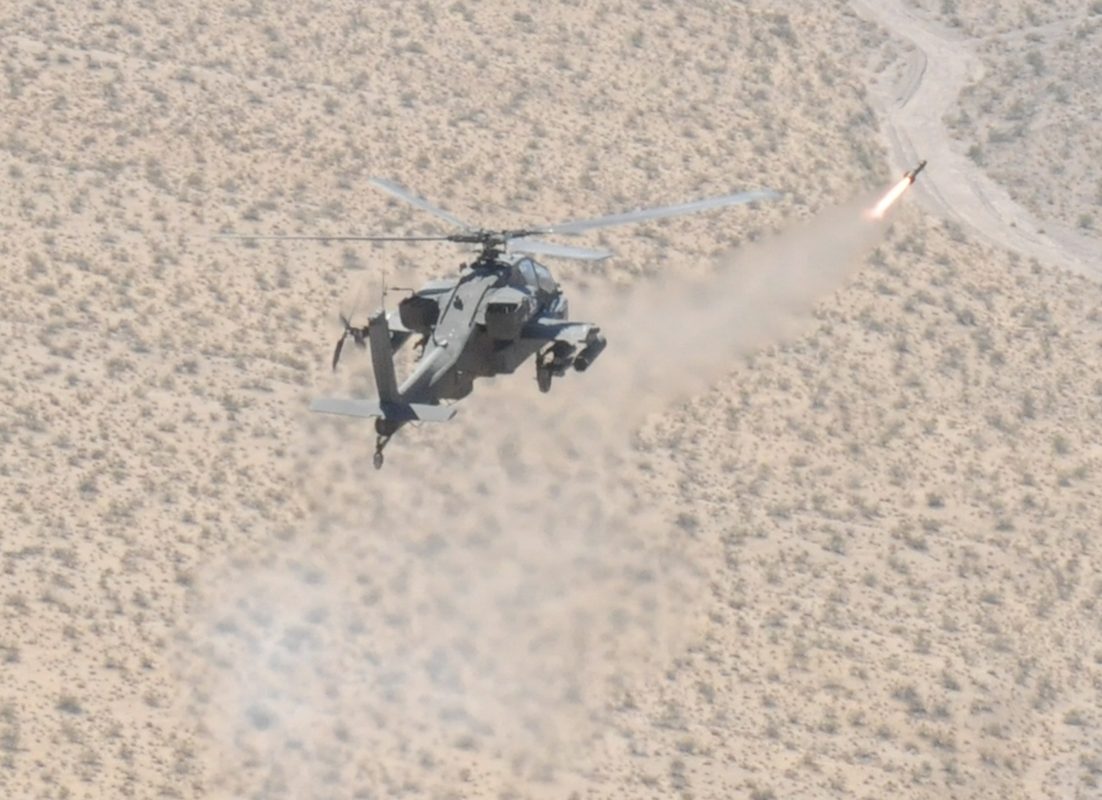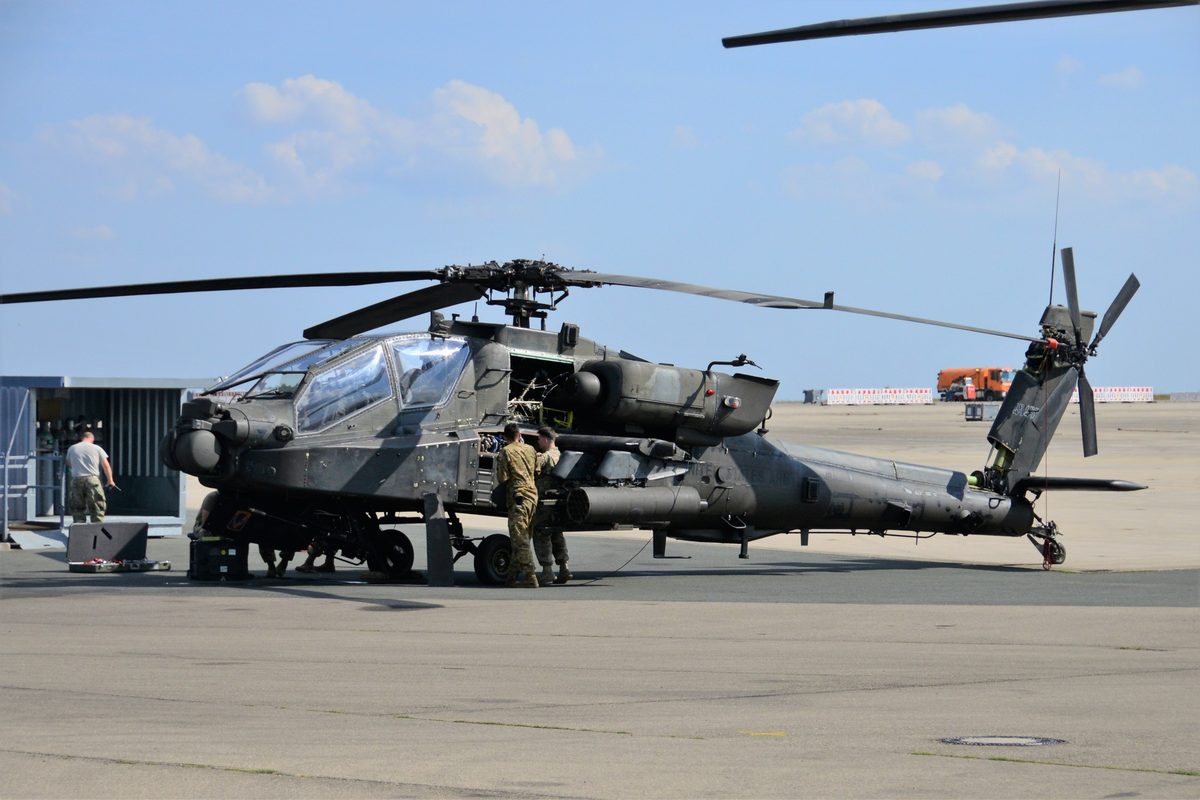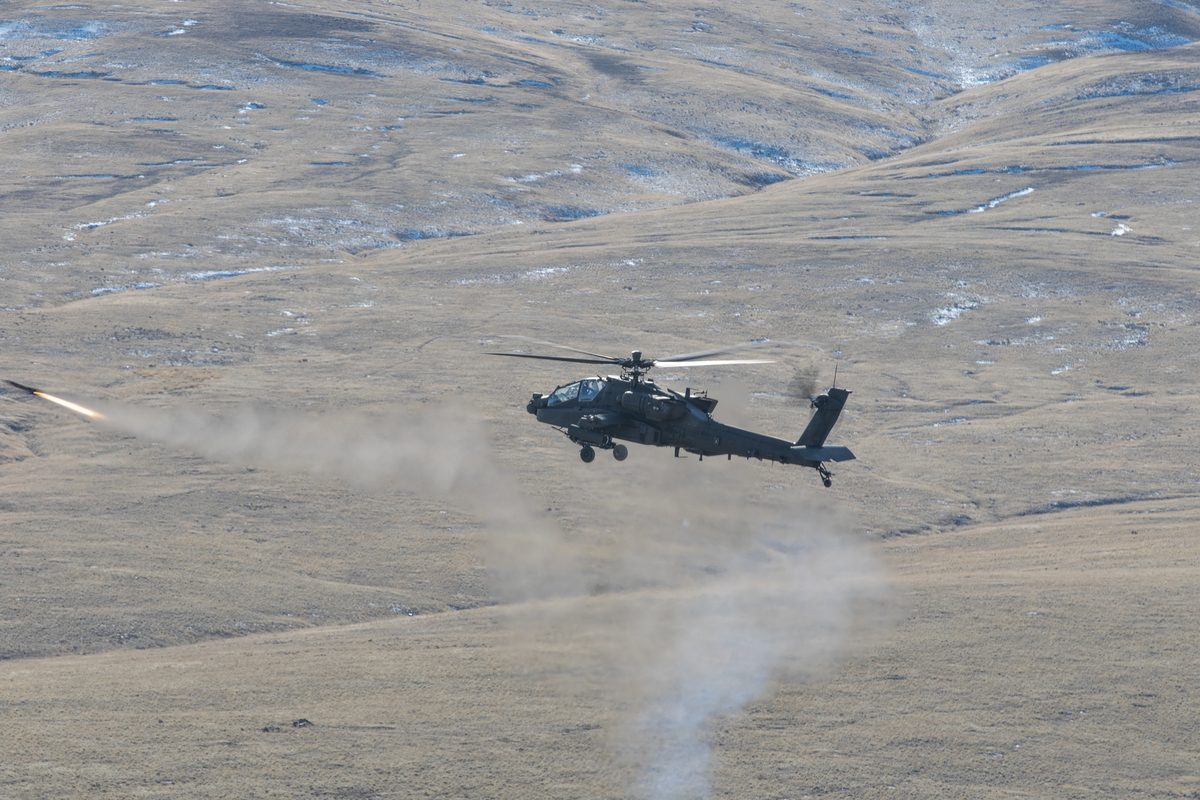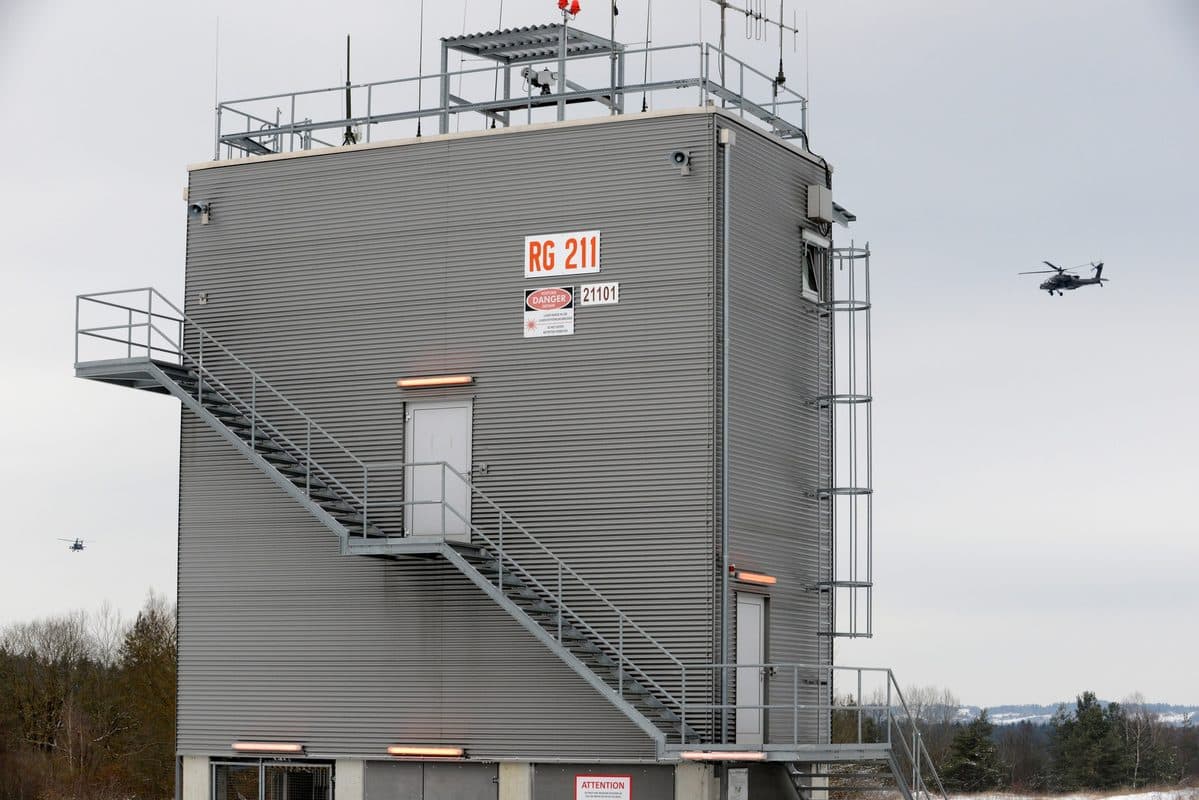

An AH-64D Apache Longbow rises above the treeline for exactly thirty seconds. In that half-minute, its mast-mounted radar scans a full 360 degrees, detects 128 vehicles on the battlefield below, classifies each one -- distinguishing tanks from trucks, air defense systems from supply vehicles, real threats from decoys -- and prioritizes the sixteen most dangerous targets. The pilot squeezes the trigger sixteen times, each press releasing an AGM-114L Longbow Hellfire missile that guides itself to its target with no further input from the crew. The Apache drops back below the trees. Thirty seconds later, sixteen armored vehicles are burning. None of them ever saw the helicopter that killed them.
This is not a theoretical capability. It is the design specification of the AN/APG-78 Longbow Fire Control Radar, the system that transformed the Apache from a formidable attack helicopter into something closer to an autonomous kill platform. The Longbow radar changed helicopter warfare doctrine from "shoot what you can see" to "shoot what the radar found" -- and in doing so, it made the Apache the single most lethal anti-armor weapon system in any military's inventory.
The Radar on Top of the Rotor
The AN/APG-78 is immediately recognizable: a gray dome roughly the size of a large dinner plate, mounted on a mast above the Apache's main rotor disc. The placement is the system's most important design feature. Because the radar sits above the rotor, the Apache can hover behind terrain -- a ridgeline, a building, a stand of trees -- with only the radar dome exposed. The helicopter's fuselage, crew, engines, and weapons remain completely hidden from the enemy. This technique, called "masking," allows the Apache to scan and engage targets while presenting virtually no targetable signature.
The radar operates in the millimeter-wave frequency band, specifically around 35 GHz. Millimeter-wave radar offers several advantages for battlefield targeting. It provides high resolution -- the ability to distinguish individual vehicles at ranges of several kilometers -- while maintaining adequate performance in rain, fog, dust, and smoke that would blind optical or infrared sensors. The radar can detect a tank-sized target at ranges exceeding 8 kilometers and classify it as a specific vehicle type, not just a radar return.