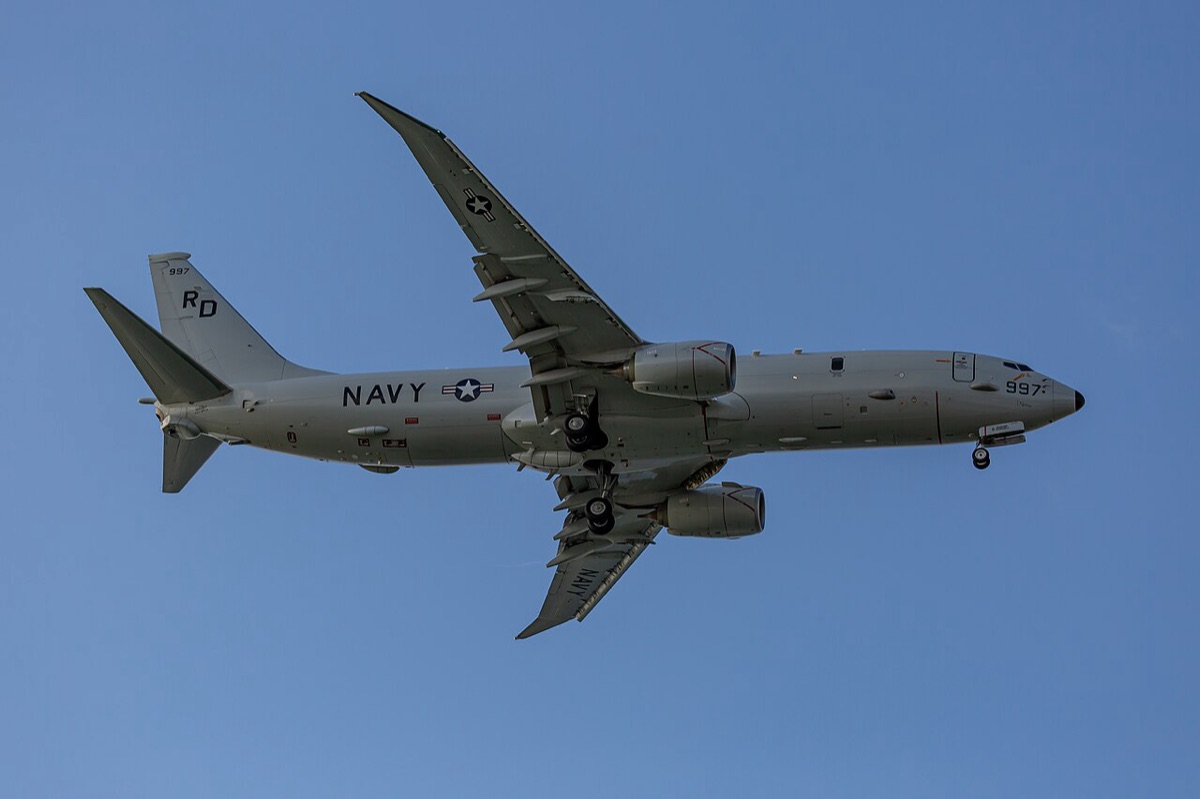
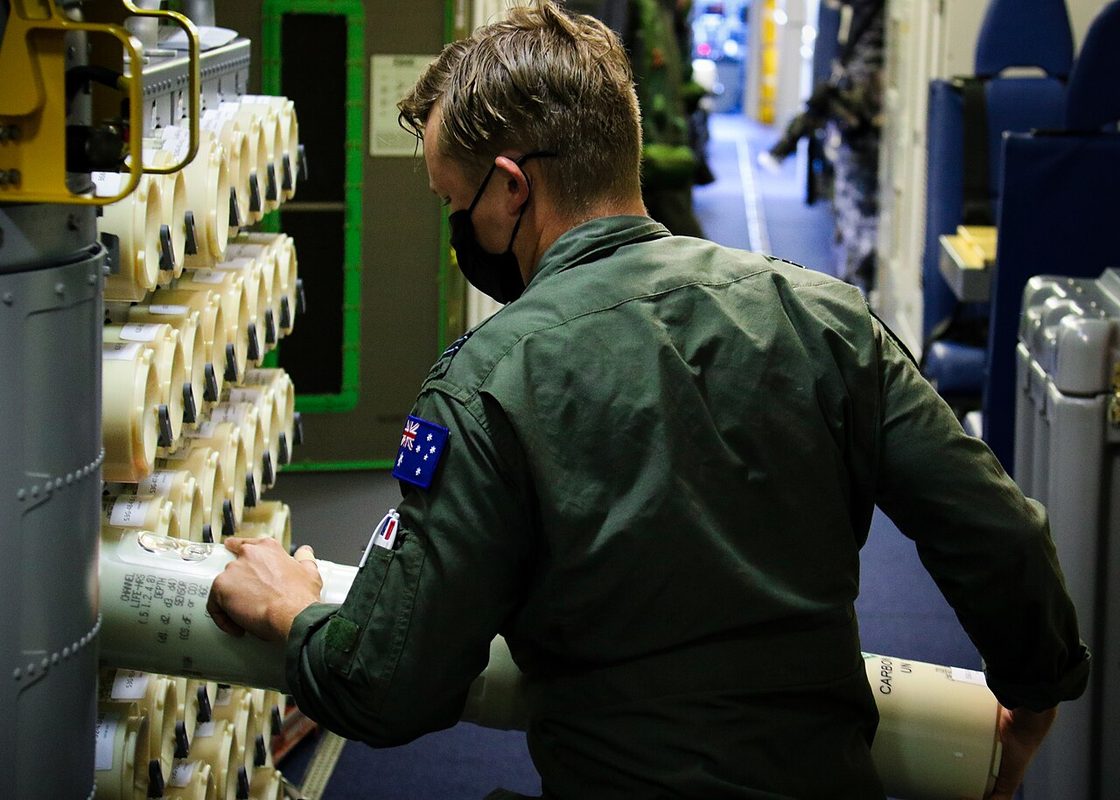
Hunting a submarine from 30,000 feet sounds impossible. The ocean is opaque to radar. Submarines are designed to be invisible, operating beneath hundreds of feet of water that blocks every sensor that works in air. And yet the P-8A Poseidon, a modified Boeing 737 commercial airliner, does this every day, in every ocean where the U.S. Navy operates, using a combination of sonobuoys, radar, magnetic anomaly detection, and classified sensor fusion technology that even the crew discusses only in general terms.
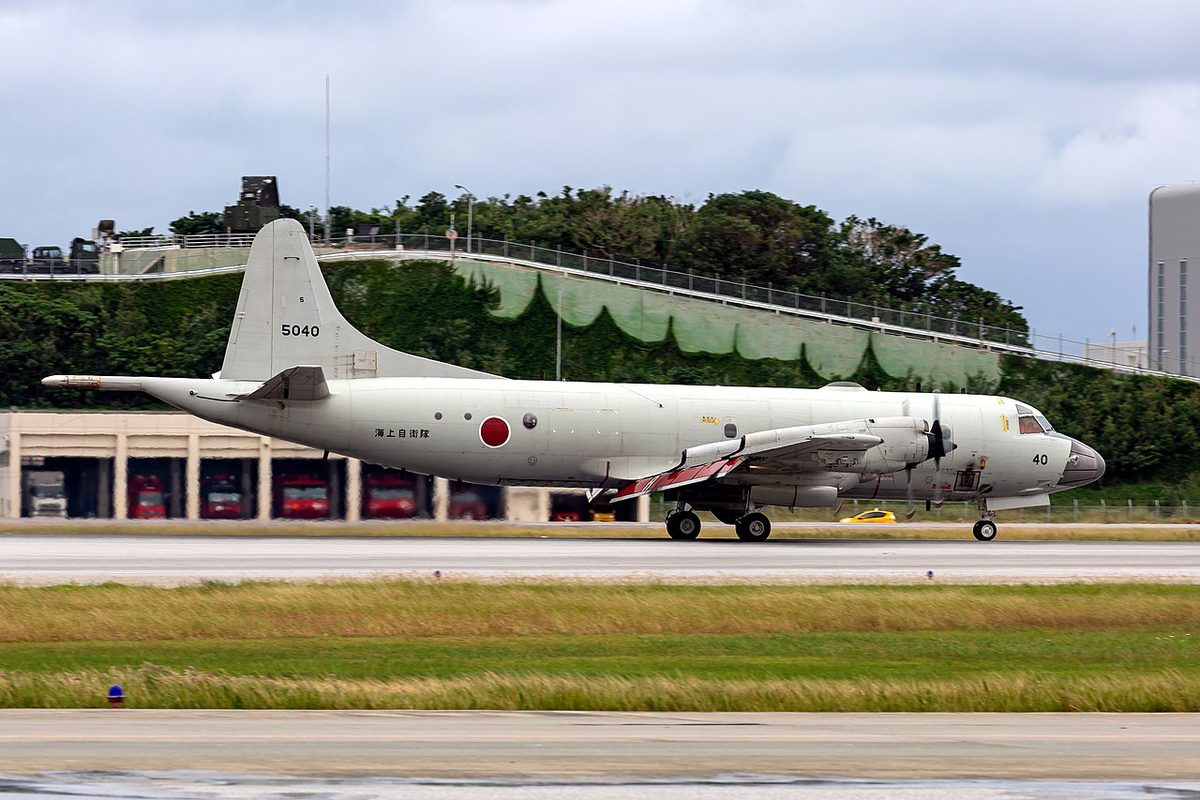
The P-8 represents a fundamental shift in how the Navy hunts submarines. Its predecessor, the P-3C Orion, flew low and slow, often at 200 feet above the waves, to drop sonobuoys and use its Magnetic Anomaly Detector to sense the metallic hull of a submarine beneath the surface. The P-3's low altitude gave it sensitivity but made it vulnerable. The P-8 operates at jet altitude, above most threats, and compensates for the distance with vastly more powerful sensors and processing systems.
More than 170 P-8A aircraft have been delivered to six nations. The aircraft has become the West's primary maritime patrol platform, replacing not just the P-3 but an entire generation of propeller-driven patrol aircraft that defined anti-submarine warfare for half a century.
From Airliner to Submarine Hunter
The P-8A is based on the Boeing 737-800ERX, a variant of the world's most widely produced commercial aircraft. This wasn't a compromise, it was a deliberate strategy. By using a commercial airframe, the Navy gained access to Boeing's massive 737 production line, its global network of spare parts, and decades of structural engineering data. A P-8 shares roughly 86% of its airframe with the commercial 737, which means many maintenance procedures and components are identical.