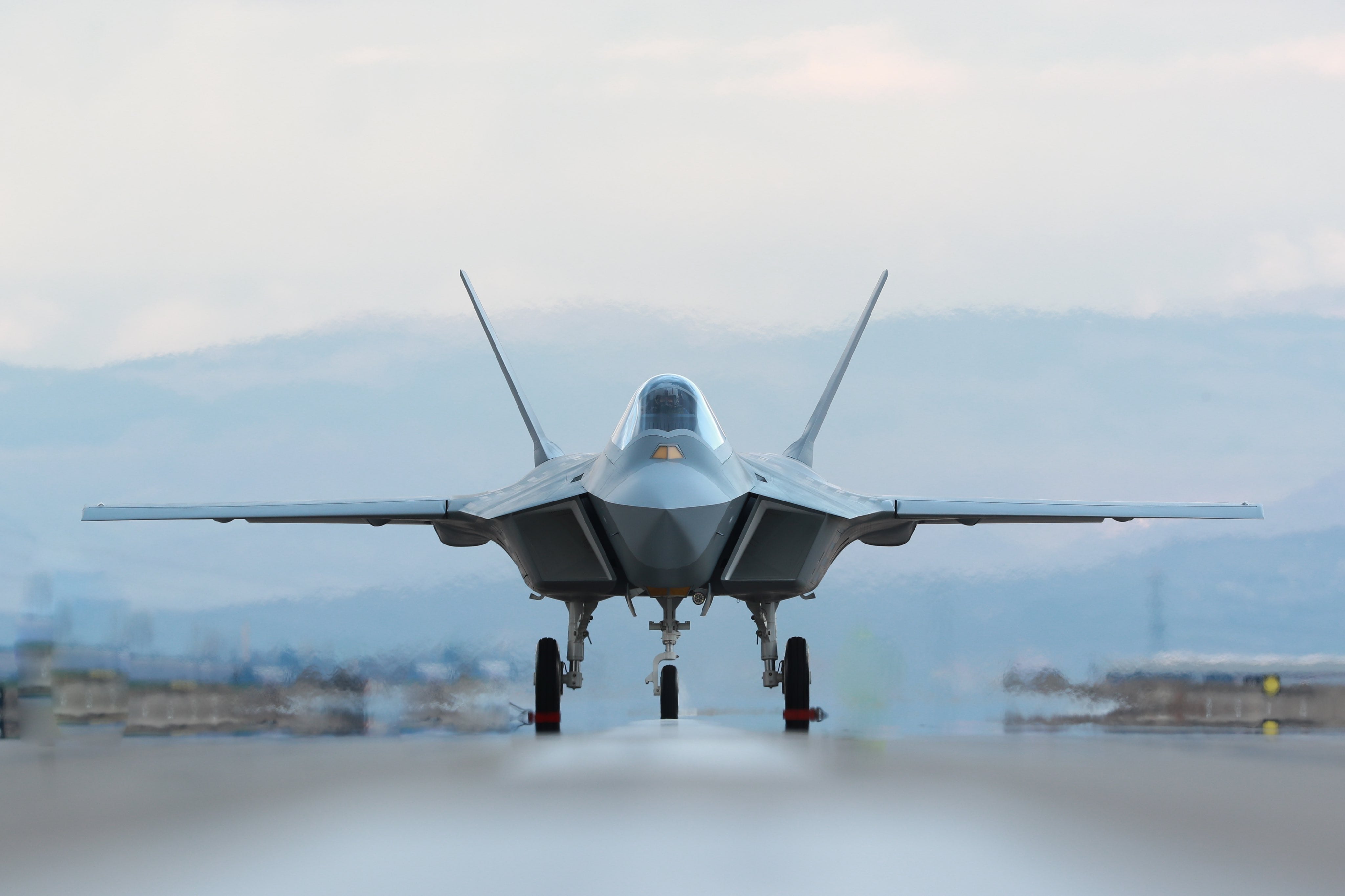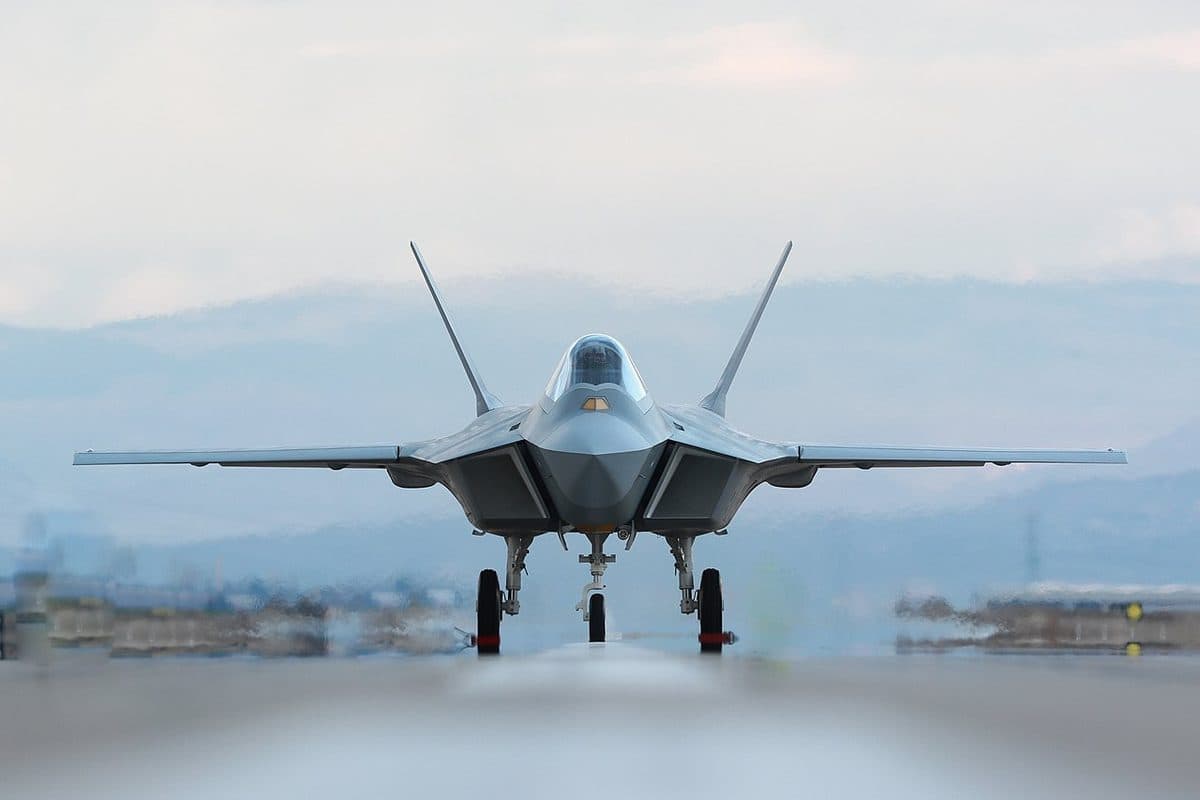

When Turkey's KAAN lifted off the runway at Mürted Air Base on February 21, 2024, it became one of only a handful of countries to fly an indigenous fifth-generation combat aircraft. The demonstrator prototype, designated P0, stayed aloft for thirteen minutes on that maiden flight. But the significance of those thirteen minutes extends far beyond a single test sortie. Turkey is attempting to break free from dependence on American fighter jets, and the KAAN is the machine that will determine whether that gamble succeeds.
The program has already secured a $10 billion export order from Indonesia for 48 aircraft, drawn serious interest from Saudi Arabia, Spain, and Pakistan, and triggered a confrontation with the U.S. Congress over engine export licenses. For a fighter that has not yet entered production, the KAAN is generating a remarkable amount of geopolitical turbulence.
Why Turkey Built Its Own Fighter
The roots of the KAAN trace back to Turkey's exclusion from the F-35 Lightning II program. In 2019, Turkey took delivery of Russian S-400 missile defense systems despite repeated American warnings. The United States responded by ejecting Turkey from the F-35 consortium and imposing sanctions under the Countering America's Adversaries Through Sanctions Act (CAATSA). Turkey had already paid for and was scheduled to receive over 100 F-35s. Overnight, that plan evaporated.
But the fighter ambition did not begin with the F-35 fallout. Turkish Aerospace Industries (TAI, formerly TUSAS) had been studying an indigenous combat aircraft since the early 2010s under the TF-X program. The F-35 ejection simply converted what had been a long-term aspiration into an urgent national priority. Turkey's air force still operates aging F-16s as its frontline fighters, and without the F-35, there was no clear replacement on the horizon, except the one Turkey would build itself.