The period following the Soviet collapse brought new challenges: regional conflicts, peacekeeping operations, and the rise of asymmetric warfare. Explore how military forces adapted to a unipolar world and the conflicts that redefined modern combat.
The post-Cold War era transformed military operations as armed forces shifted from preparing for large-scale conventional war against the Soviet Union to confronting regional conflicts, failed states, and asymmetric threats. The 1991 Gulf War demonstrated the devastating effectiveness of precision-guided munitions and coalition warfare, while subsequent operations in Somalia, the Balkans, and beyond exposed the complexities of modern intervention.
Our post-Cold War coverage examines how military technology and doctrine evolved during this transitional period. From the M1 Abrams tanks that swept through Iraq's Republican Guard to the Tomahawk cruise missiles that struck targets in Kosovo, we analyze the platforms and tactics that defined a new era of warfare. Explore the rise of stealth technology in combat, the growing role of special operations forces, the challenges of peacekeeping and nation-building, and the procurement decisions that shaped the force structure militaries field today.
From the Military Machine catalog
Top picks for Post-Cold War
Hand-picked from our gear guides, ranked for relevance to this topic.
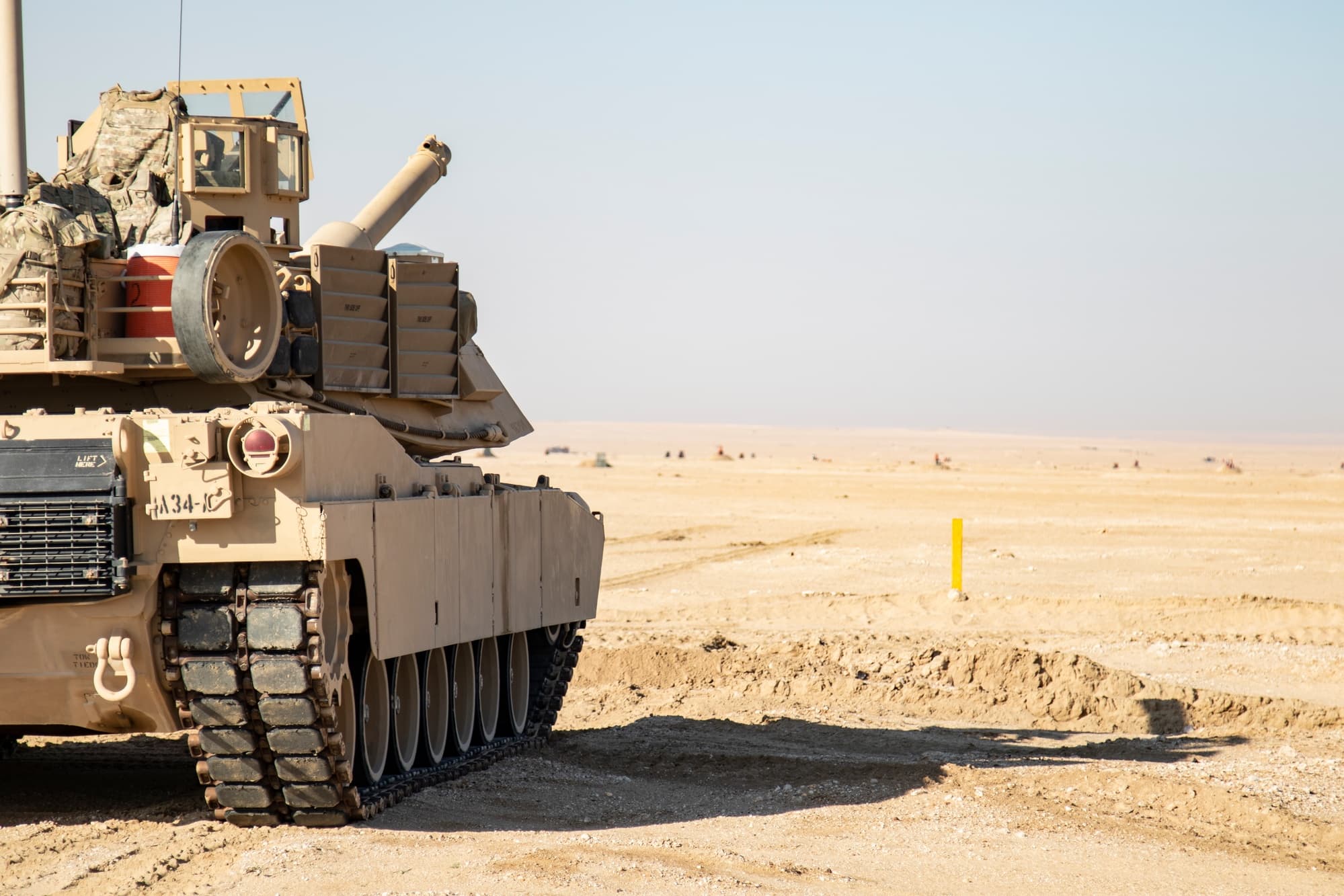
In 23 minutes at the Battle of 73 Easting, nine M1A1 Abrams tanks destroyed over 30 Iraqi tanks with zero losses. For three decades, no enemy tank ever confirmed a kill on an Abrams in direct combat. Then came Ukraine, and FPV drones changed the math entirely. Here is the complete combat record of America's main battle tank, war by war, loss by loss.
From Desert Storm's 8,100 sorties to the skies over Syria, the A-10 Thunderbolt II has answered every call. Yet the Air Force has tried to retire it for three decades. Here's why the ugliest plane in the inventory keeps surviving, both in combat and in Congress.
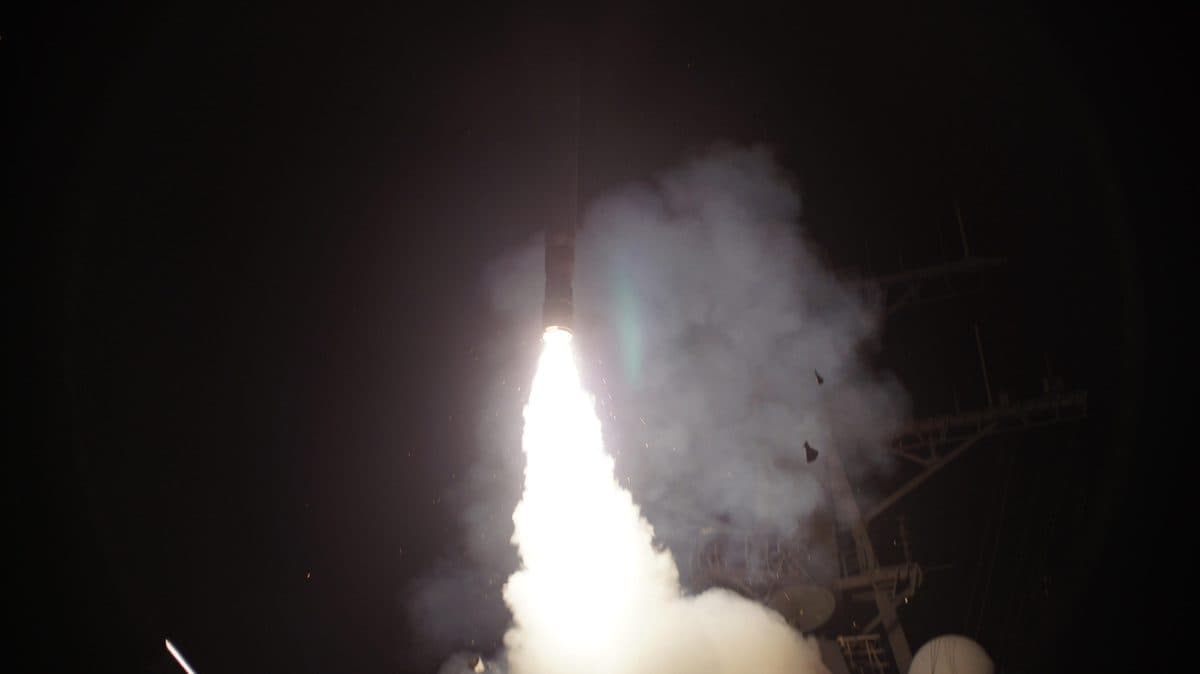
Since its combat debut in the 1991 Gulf War, the Tomahawk cruise missile has been the weapon that opens every American military campaign. It is launched from ships and submarines, flies at low altitude for over 1,000 miles, and strikes with GPS-guided precision, all without risking a pilot. Over 2,300 Tomahawks have been fired in combat across seven conflicts. The Block V variant adds a maritime strike capability that can hit moving ships at sea, transforming the Tomahawk from a land-attack weapon into a true multi-role missile.
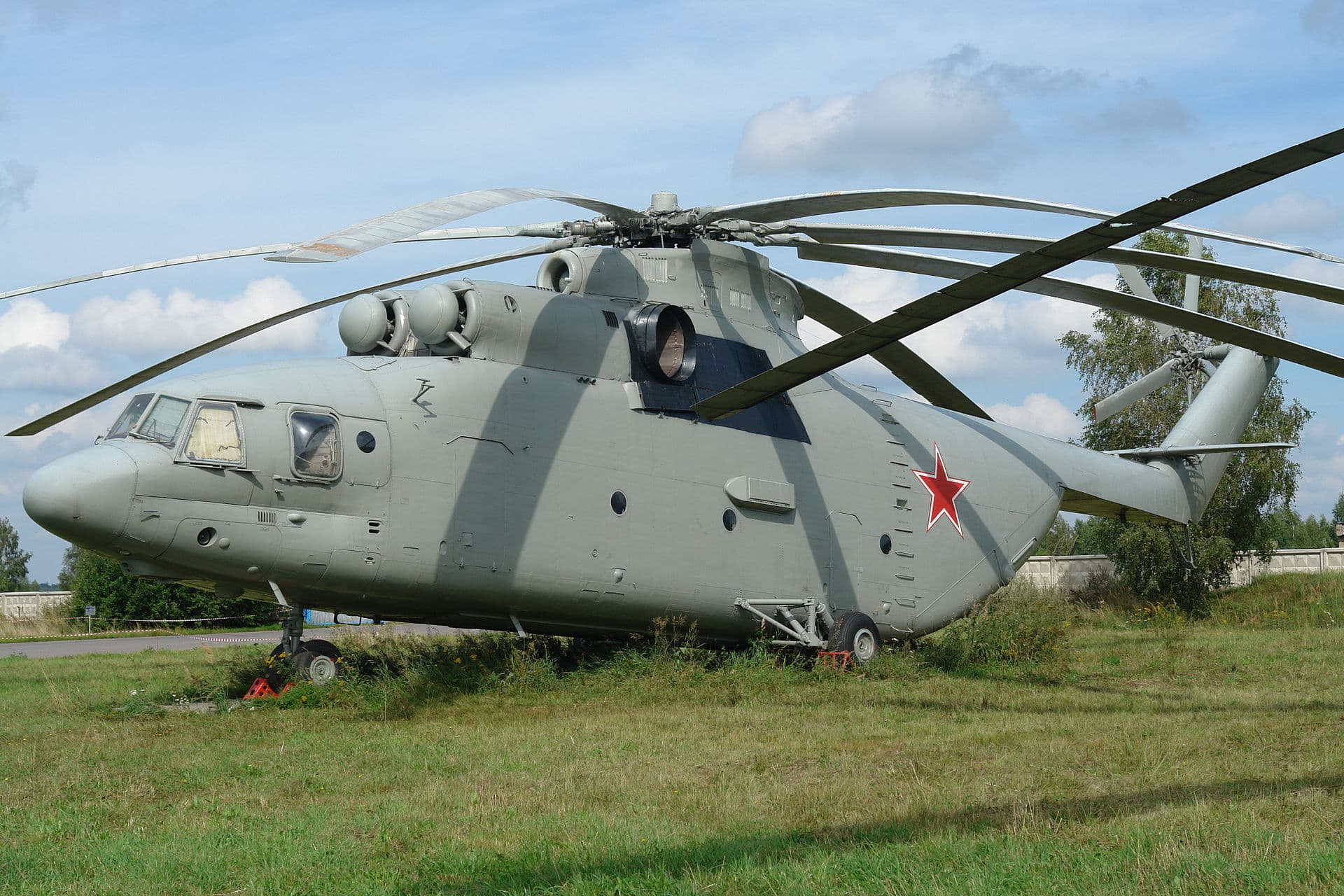
The Mil Mi-26 is the largest and most powerful helicopter ever to enter production. With a maximum takeoff weight exceeding 123,000 pounds and a cargo cabin the size of a C-130's hold, the Halo operates in a category of one. No Western nation has ever built anything comparable. It has airlifted other helicopters as slung loads, recovered downed aircraft, and hauled military hardware to places no road could reach.
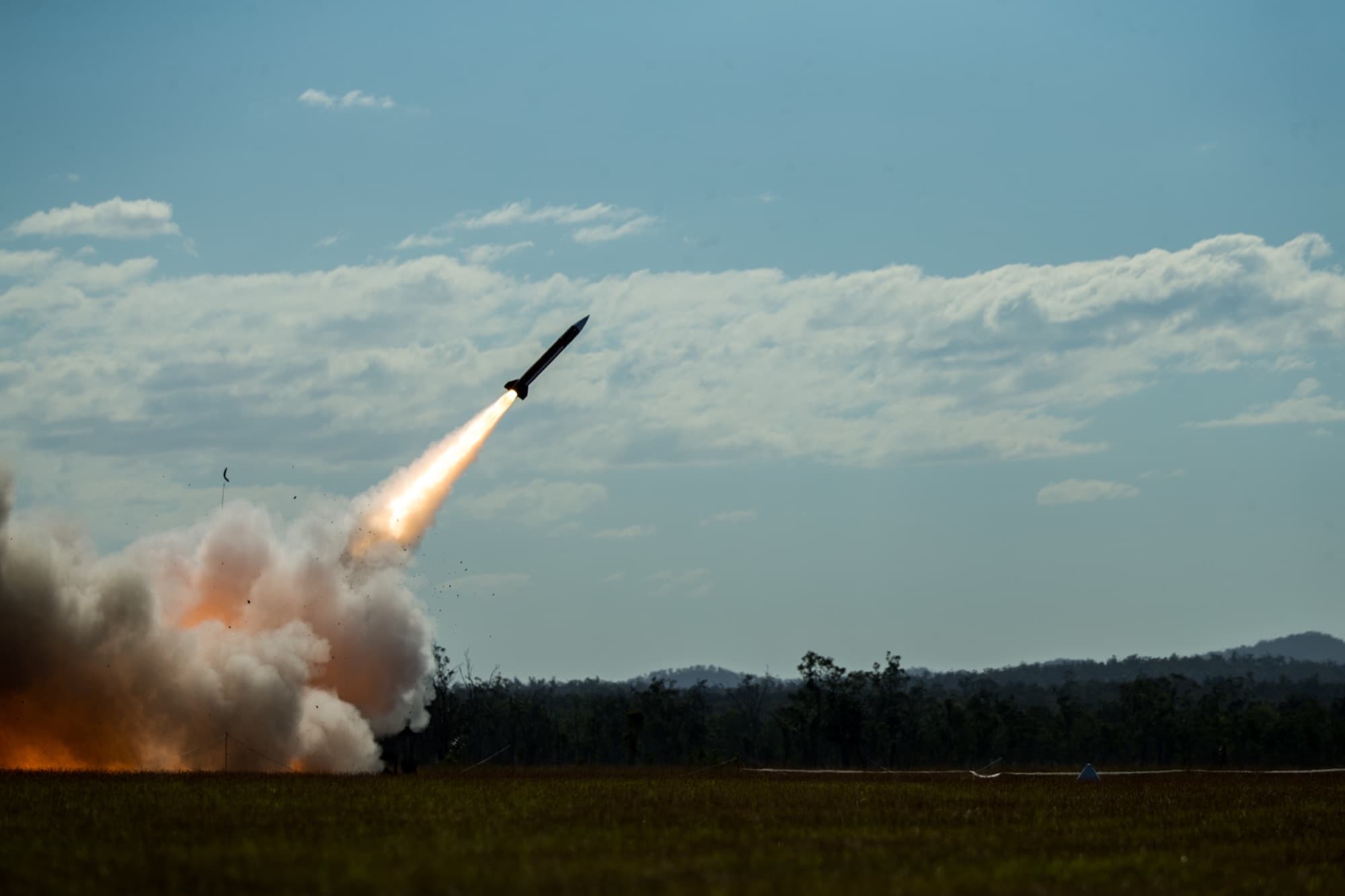
From its controversial debut against Iraqi Scuds in 1991 to shooting down Russian cruise missiles over Ukraine, the Patriot missile system has evolved from an anti-aircraft battery into the Western world's primary air and missile defense system. Here is how it works, how it has performed in combat, and why nations are lining up to buy it.
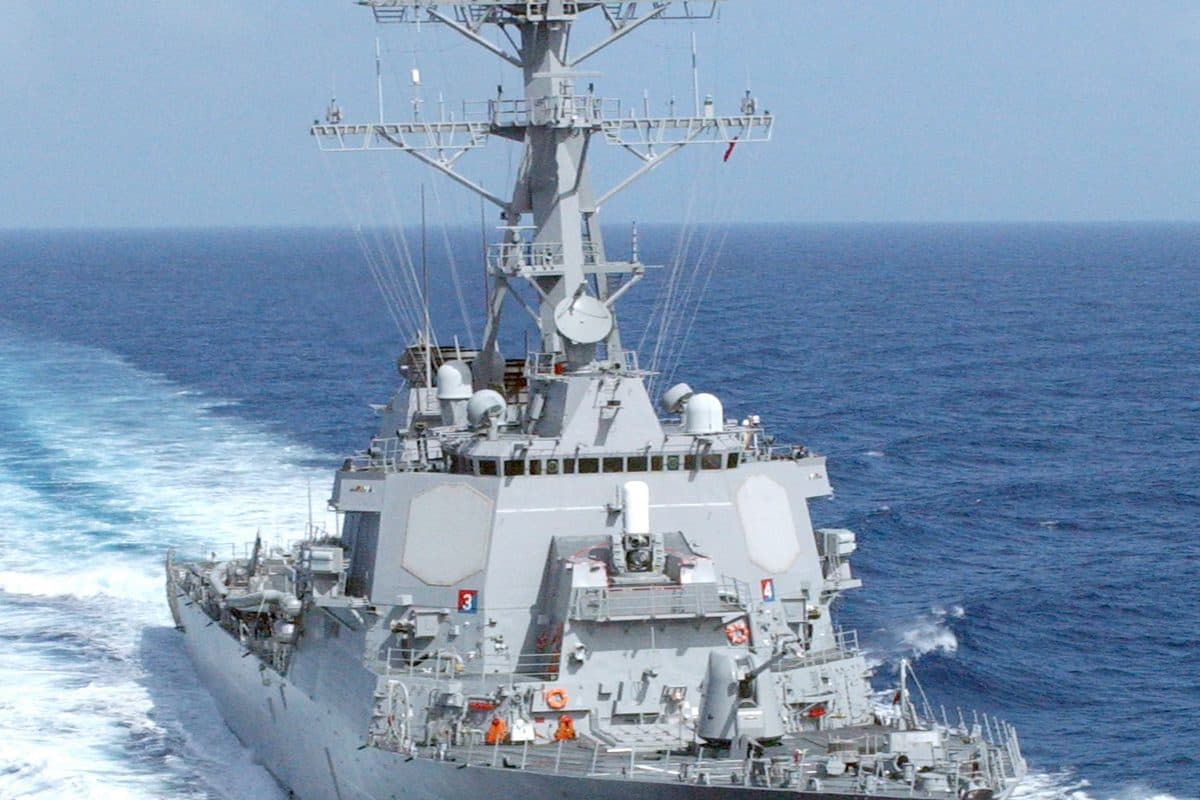
The Arleigh Burke-class is the most produced surface combatant in U.S. Navy history, with nearly 90 ships built or building across four decades of continuous production. Armed with the Aegis Combat System, Tomahawk cruise missiles, and ballistic missile defense interceptors, these destroyers form the backbone of every American carrier strike group and serve as the Navy's primary shield against air, surface, and missile threats.
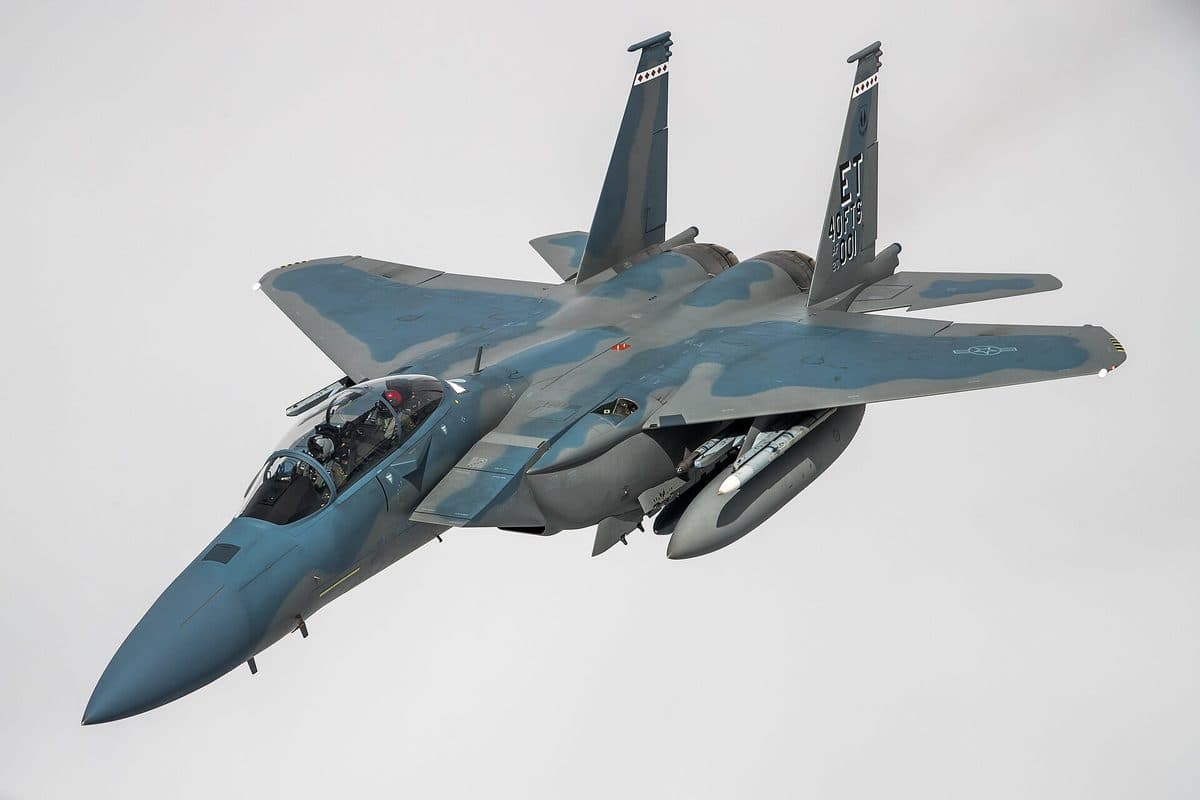
The F-15E Strike Eagle took the world's most dominant air superiority fighter and turned it into a long-range, all-weather strike platform without sacrificing its dogfighting pedigree. Here's how McDonnell Douglas pulled it off.
In February 1991, M1A1 Abrams tanks proved themselves in the deserts of Iraq and Kuwait during the 100-hour ground war of Operation Desert Storm. The Battle of 73 Easting became the defining engagement, where American armor destroyed an Iraqi Republican Guard division in under 23 minutes. Here is what the crews experienced and what the machine actually did.
The AH-64 Apache is an attack helicopter produced by Boeing Defense used in close air support operations. It operates through the use of a twin engine turboshaft identical to the…