




Why Bigger Militaries Don't Automatically Win Wars
Why military size doesn't guarantee victory in modern warfare.
james-holloway··32 min read

General George S. Patton Jr. died in his sleep at a military hospital in Heidelberg, Germany, twelve days after a car accident near Mannheim left him paralyzed from the neck down. A blood clot traveled to his heart, ending the life of one of the most aggressive and successful American battlefield commanders of World War II.
English settlers aboard the Mayflower came ashore at Plymouth, Massachusetts, establishing the colony that would become the foundation of New England and a precursor to the militia tradition that defined early American military culture.
Lakota, Cheyenne, and Arapaho warriors led by Red Cloud ambushed and killed all 81 soldiers under Captain William Fetterman near Fort Phil Kearny, Wyoming, the worst U.S. Army defeat on the Great Plains until the Battle of Little Bighorn a decade later.
Related articlePresident Theodore Roosevelt dispatched sixteen battleships of the U.S. Atlantic Fleet, painted white in peacetime colors, on a 43,000-mile circumnavigation of the globe, the most ambitious naval demonstration in American history. The fourteen-month voyage announced the United States as a world naval power.
Six days into the Ardennes Offensive, German forces reached their deepest penetration of Allied lines, with spearheads approaching the Meuse River crossings. Stubborn American resistance at key crossroads towns including Bastogne, St. Vith, and Elsenborn Ridge was slowing the offensive and buying time for counterattacks.
Related articleGeneral George S. Patton Jr. died in Heidelberg, Germany, twelve days after a car accident left him paralyzed, ending the life of the most feared Allied commander among German generals.
General George S. Patton, commander of the Third U.S. Army during the drive from Normandy to Germany and relief of Bastogne, died in Heidelberg, Germany, from injuries sustained in an automobile accident twelve days earlier. One of the most aggressive and successful American field commanders of World War II, Patton was 60 years old at his death.
Apollo 8, crewed by Air Force Colonel Frank Borman, Navy Captain Jim Lovell, and Air Force Major William Anders, launched from Kennedy Space Center on the first manned mission to orbit the Moon. All three astronauts were military officers who would make humanity's first voyage to another celestial body.
Apollo 8 launched from Kennedy Space Center with astronauts Frank Borman, Jim Lovell, and William Anders aboard for the first crewed mission to leave Earth orbit and travel to the Moon. The 147-hour mission, which included ten lunar orbits on Christmas Eve, proved the Saturn V and the Command and Service Module could support lunar operations and placed the United States decisively ahead in the Cold War space race.
Pan Am Flight 103 was destroyed by a terrorist bomb over Lockerbie, Scotland, killing all 259 aboard and 11 on the ground, prompting major changes to aviation security and international counterterrorism cooperation.
A Pan American Boeing 747-121 named Clipper Maid of the Seas exploded over the Scottish town of Lockerbie, killing all 259 passengers and crew aboard and 11 people on the ground. The bombing was attributed to Libyan intelligence operatives and led to United Nations sanctions against Libya and, eventually, the handover of two Libyan suspects for trial under Scottish law. The attack set precedents for aviation security, intelligence sharing, and state sponsorship of terrorism investigations.
NATO's Implementation Force (IFOR) began deploying 60,000 troops, including 20,000 Americans, to Bosnia-Herzegovina to enforce the Dayton Peace Agreement that ended the Bosnian War. It was the largest military operation in NATO's history and the alliance's first major ground deployment.

Captain
Burkinabè military officer and revolutionary who became president of Burkina Faso at age 33 through a 1983 military coup. Known as "Africa's Che Guevara," Sankara launched ambitious vaccination, anti-corruption, and reforestation programs before being assassinated in a 1987 coup led by his former ally Blaise Compaoré. His brief four-year presidency transformed Burkina Faso and made him an enduring symbol of anti-imperialism across Africa.

British Prime Minister who oversaw the expansion of the British Empire during the Victorian era, including the purchase of the Suez Canal and the declaration of Queen Victoria as Empress of India. Disraeli's foreign policy shaped British military commitments across the globe, and his rivalry with Gladstone defined an era of imperial strategy that would influence military affairs well into the twentieth century.

General
Iconic American commander who led the U.S. Seventh Army in Sicily and the Third Army across France, becoming the most feared Allied general among German commanders. Patton's bold armored thrusts and aggressive leadership defined modern mobile warfare, but his career was marked by controversy, including the soldier-slapping incidents that nearly ended it. He died from injuries sustained in a car accident near Mannheim, Germany, just months after V-E Day.
Wear the Timeline
12 military events occurred on December 21, spanning multiple centuries. Key events include: Death of General George S. Patton (1945), The Fetterman Fight (1866), Great White Fleet Departs on World Cruise (1907), Battle of the Bulge: German Advance Reaches Its Peak (1944), Apollo 8 Launches Toward the Moon (1968).
The most significant military event on December 21 is Death of General George S. Patton (1945). General George S. Patton Jr. died in his sleep at a military hospital in Heidelberg, Germany, twelve days after a car accident near Mannheim left him paralyzed from the neck down. A blood clot traveled to his heart, ending the life of one of the most aggressive and successful American battlefield commanders of World War II.
Notable military figures born on December 21 include Thomas Sankara (1949–1987), Benjamin Disraeli (1804–1881).
Events on December 21 span World War II, the Colonial & Revolutionary era, the Interwar Period, the Cold War, the Modern Era, the Civil War, covering 12 events across 3 centuries of military history.
Events on December 21 involve 5 branches of the U.S. and allied armed forces, reflecting the global scope of military operations throughout history.
Explore military history from the day you were born.
June 6
The Allied invasion of Normandy, the largest amphibious assault in history.
December 7
Japan attacks the U.S. Pacific Fleet, bringing America into World War II.
September 11
The deadliest terrorist attack in history transforms U.S. national security.
August 6
The first atomic bomb is dropped on a city, ushering in the nuclear age.
May 8
Nazi Germany surrenders unconditionally, ending World War II in Europe.
November 11
Armistice Day marks the end of World War I and honors all who served.
June 4
The turning point of the Pacific War as the U.S. Navy destroys four Japanese carriers.
July 4
The Declaration of Independence is adopted, sparking the American Revolution.
Why military size doesn't guarantee victory in modern warfare.
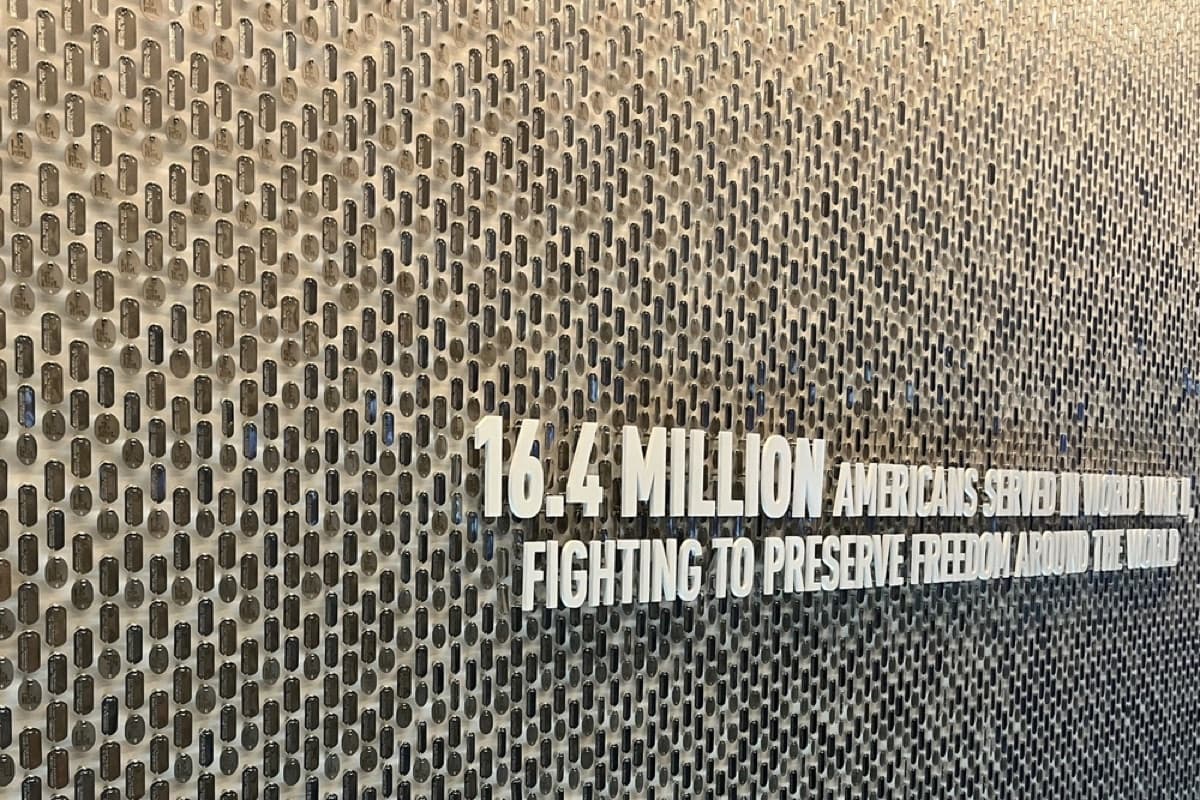
Calvin Graham Was Youngest Decorated US Soldier at 12 Pearl Harbor Visitors Bureau “Green Boys” was a term given to soldiers who…
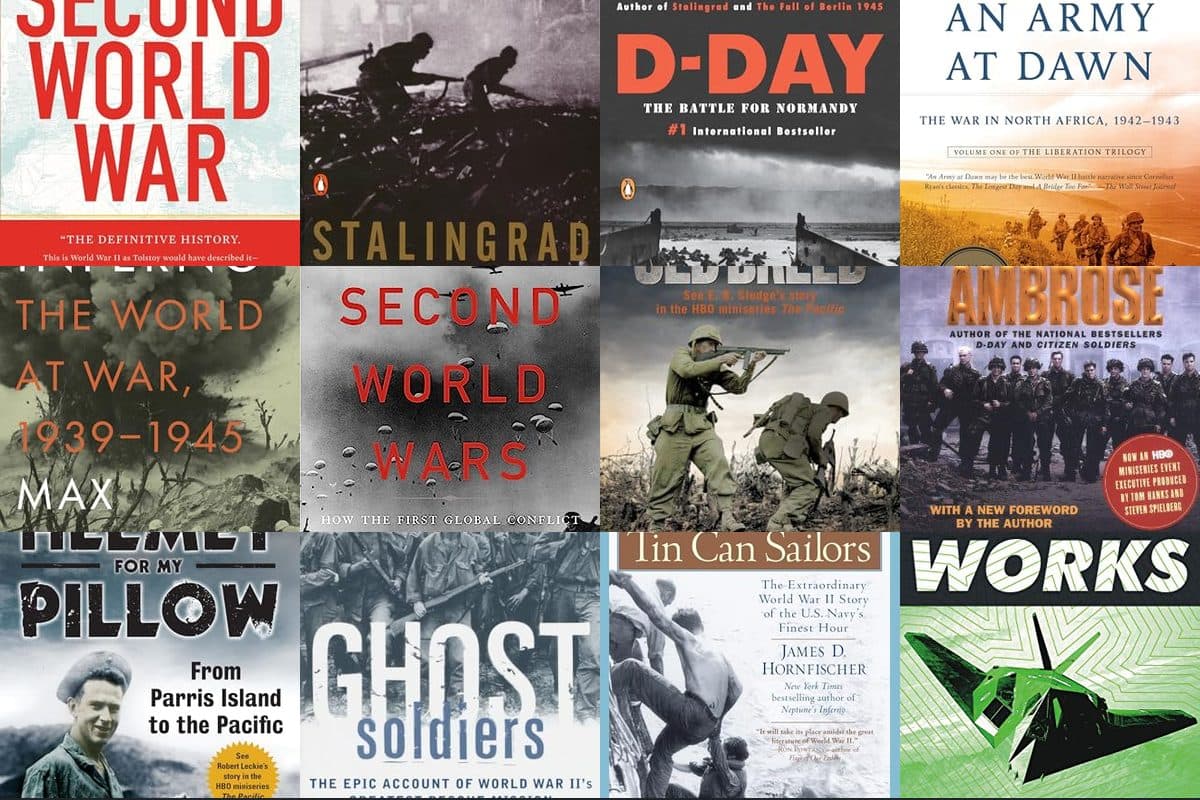
15 essential WW2 books covering every theater. Narrative histories, memoirs, and visual references ranked.
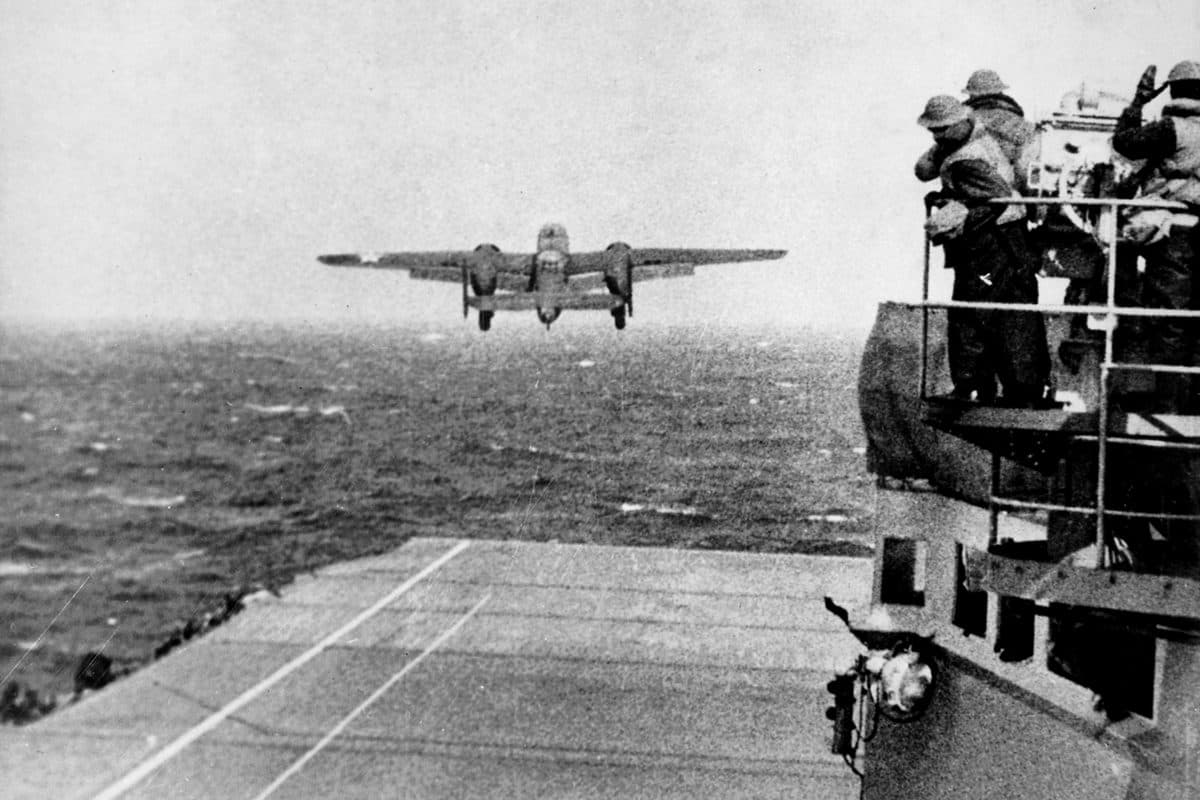
On April 18, 1942, sixteen B-25 Mitchell bombers did something no one thought possible: they launched from the deck of an aircraft carrier, flew 650 miles to Japan, and bombed Tokyo. Every aircraft was lost. The damage was negligible. The consequences changed the war.