

How the US Military Trains Special Forces
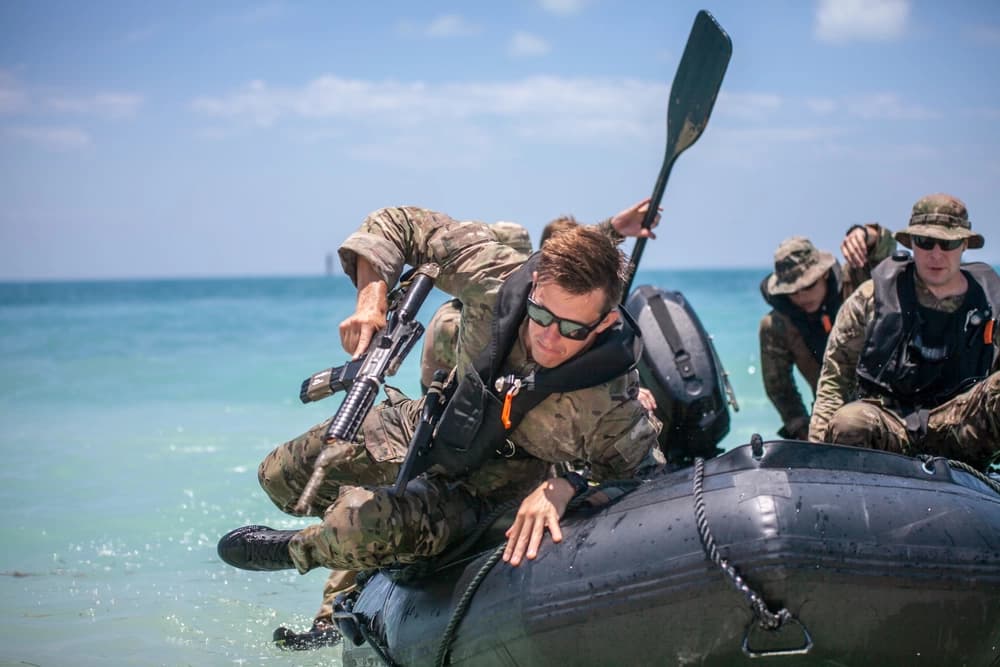
An in-depth look at the selection, qualification, and lifelong training that produces America's most capable special operations units.
daniel-mercer··28 min read

Northern Alliance forces, supported by U.S. Special Forces and devastating American air power, entered Kabul after Taliban forces abandoned the capital during the night. The fall of Kabul, barely five weeks after the start of Operation Enduring Freedom, demonstrated the revolutionary effectiveness of special operations forces directing precision air strikes in coordination with indigenous ground forces.
Brigadier General Richard Montgomery's Continental Army captured Montreal without opposition after British General Carleton abandoned the city. The bloodless capture marked the high point of the American invasion of Canada. Montgomery then marched toward Quebec City, where he was killed in a failed assault on December 31.
The legendary British carrier HMS Ark Royal sank 25 miles from Gibraltar, fourteen hours after being torpedoed by U-81. Remarkably, only one crew member perished. The Ark Royal's aircraft had crippled the battleship Bismarck with the torpedo hit that jammed her rudder, enabling the Royal Navy to bring Bismarck to battle.
Following the devastating night action, aircraft from Henderson Field and the carrier Enterprise attacked the crippled Japanese battleship Hiei throughout November 13. The 36,600-ton fast battleship was eventually scuttled, becoming the first Japanese battleship sunk in World War II.
The Supreme Court affirmed a lower-court ruling that Alabama bus segregation laws were unconstitutional, ending the Montgomery bus boycott. The decision accelerated military integration pressures already building in the armed forces since Truman's 1948 executive order and shaped the civil-rights record of the Cold War-era US military.
The 1st Cavalry Division (Airmobile) engaged elements of three North Vietnamese Army regiments in the Ia Drang Valley, launching the first major battle between regular US forces and the NVA. The engagement validated the helicopter air-assault concept and defined American tactical approach for the rest of the Vietnam War.
Palestine Liberation Organization chairman Yasser Arafat addressed the United Nations General Assembly wearing a holstered pistol, a speech that made the Palestinian question a permanent fixture of international diplomacy and shaped Israeli military doctrine for decades.
After a march by thousands of Vietnam veterans, the Vietnam Veterans Memorial, designed by 21-year-old Yale student Maya Lin, was dedicated in Washington. The V-shaped wall of black granite inscribed with 58,318 names was initially controversial but quickly became the most visited memorial in the capital, transforming how America mourned its war dead.
Famous VeteransThe Nevado del Ruiz volcano in Colombia erupted, triggering lahars that buried the town of Armero and killed over 23,000 people. The US military launched one of its largest Cold War humanitarian responses, deploying helicopters, medical teams, and search-and-rescue units from SOUTHCOM in the days that followed.
Northern Alliance forces supported by U.S. Special Forces entered Kabul after Taliban forces fled during the night, just 36 days after Operation Enduring Freedom began.
How the US Trains Special ForcesIn the deadliest attack on French soil since World War II, ISIS operatives carried out coordinated strikes across Paris, suicide bombings at the Stade de France, mass shootings at cafes, and a hostage siege at the Bataclan concert hall. The attacks killed 130 civilians and prompted France to invoke the EU's mutual defense clause for the first time in history.

One of medieval England's greatest warrior-kings who transformed his realm into Europe's foremost military power and launched the Hundred Years' War. His revolutionary use of dismounted men-at-arms supported by massed longbowmen produced devastating victories at Crécy in 1346 and his son's triumph at Poitiers. He founded the Order of the Garter, England's most prestigious military honor.

Major General
Union Civil War general who commanded the Army of the Potomac and earned the nickname "Fighting Joe" for his aggressive leadership at the Peninsula and Antietam. After his devastating defeat at Chancellorsville, he was relieved before Gettysburg but redeemed himself with the dramatic assault up Lookout Mountain at Chattanooga, the "Battle Above the Clouds."

Rear Admiral
U.S. Navy rear admiral killed on the bridge of his flagship USS San Francisco during the Naval Battle of Guadalcanal. Callaghan led 13 American ships against a superior Japanese force including two battleships in one of the most ferocious naval engagements of World War II. He received the Medal of Honor posthumously, one of only two admirals so honored during the war.
Wear the Timeline
10 military events occurred on November 13, spanning multiple centuries. Key events include: Fall of Kabul: Northern Alliance Captures the Afghan Capital (2001), Battleship Hiei Sunk Off Guadalcanal (1942), Continental Army Captures Montreal (1775), Aircraft Carrier HMS Ark Royal Sinks (1941), Vietnam Veterans Memorial Dedicated (1982).
The most significant military event on November 13 is Fall of Kabul: Northern Alliance Captures the Afghan Capital (2001). Northern Alliance forces, supported by U.S. Special Forces and devastating American air power, entered Kabul after Taliban forces abandoned the capital during the night. The fall of Kabul, barely five weeks after the start of Operation Enduring Freedom, demonstrated the revolutionary effectiveness of special operations forces directing precision air strikes in coordination with indigenous ground forces.
Notable military figures born on November 13 include Edward III of England (1312–1377), Joseph Hooker (1814–1879).
Events on November 13 span the Modern Era, World War II, the Colonial & Revolutionary era, the Vietnam War, the Cold War, covering 10 events across 3 centuries of military history.
Events on November 13 involve 5 branches of the U.S. and allied armed forces, reflecting the global scope of military operations throughout history.
Explore military history from the day you were born.
June 6
The Allied invasion of Normandy, the largest amphibious assault in history.
December 7
Japan attacks the U.S. Pacific Fleet, bringing America into World War II.
September 11
The deadliest terrorist attack in history transforms U.S. national security.
August 6
The first atomic bomb is dropped on a city, ushering in the nuclear age.
May 8
Nazi Germany surrenders unconditionally, ending World War II in Europe.
November 11
Armistice Day marks the end of World War I and honors all who served.
June 4
The turning point of the Pacific War as the U.S. Navy destroys four Japanese carriers.
July 4
The Declaration of Independence is adopted, sparking the American Revolution.
An in-depth look at the selection, qualification, and lifelong training that produces America's most capable special operations units.

George H.W. Bush (1924-2018) George Bush Presidential Library and Museum Born in Milton, Massachusetts, George H.W. Bush is one of the most…
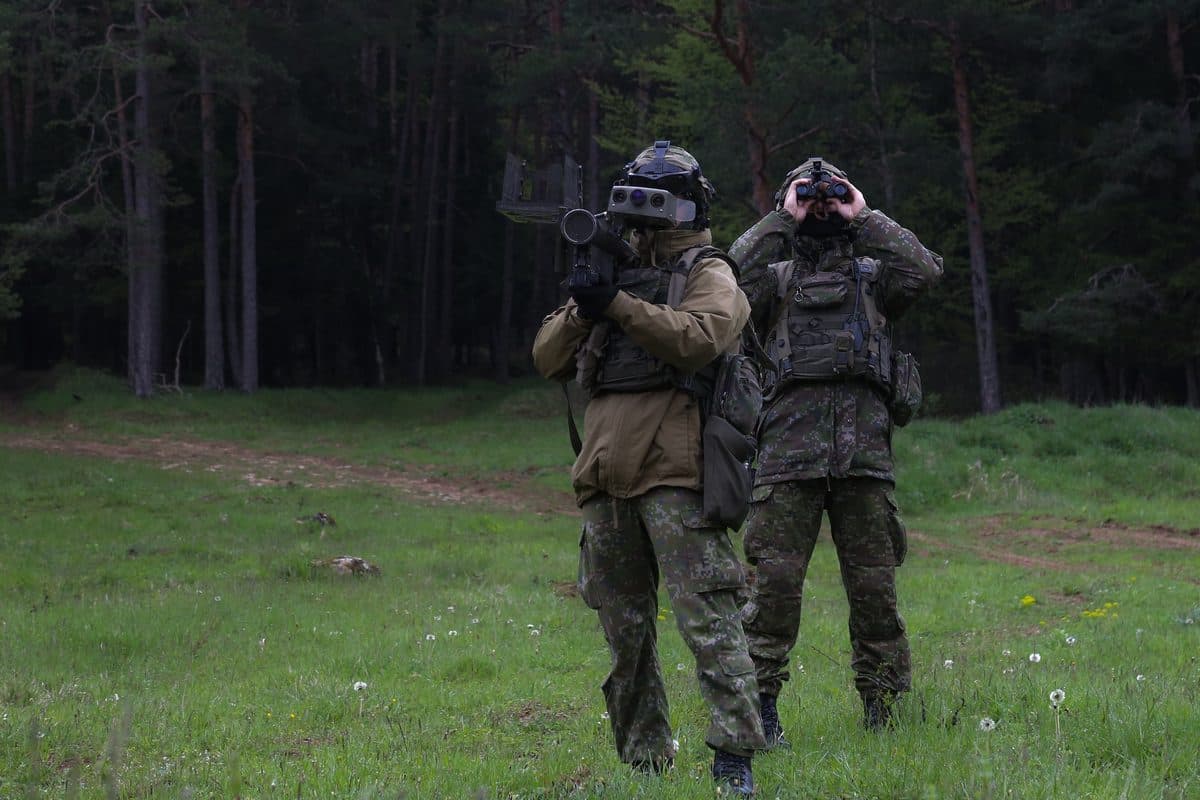
The FIM-92 Stinger helped win the Cold War by turning Afghan mujahideen into a credible anti-aircraft threat. By 2023, the United States almost ran out of them, because Raytheon stopped making them for 13 years, and the first 10 months of Ukraine support burned through the remaining stockpile.
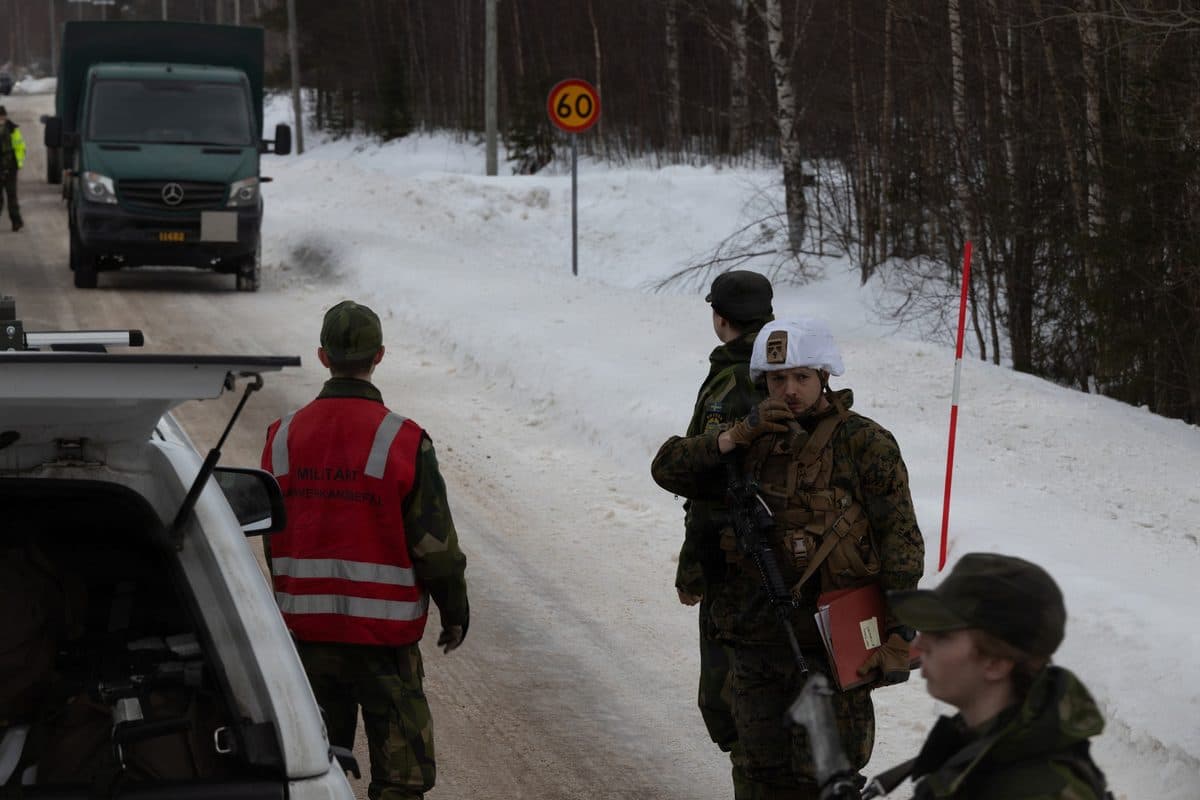
Amateurs study tactics. Professionals study logistics. The most quoted military truism is also the most ignored. From WWII's industrial avalanche to Russia's 40-mile traffic jam in Ukraine, every major conflict proves the same lesson, and the U.S. military's just-in-time supply model may not survive a real fight.