

How the US Military Trains Special Forces
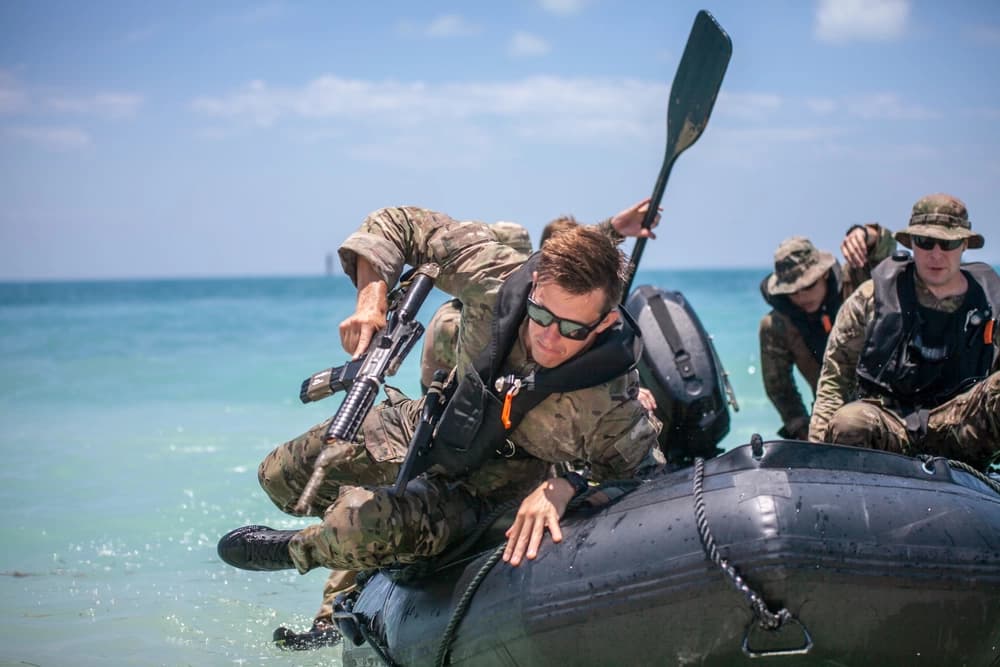
An in-depth look at the selection, qualification, and lifelong training that produces America's most capable special operations units.
daniel-mercer··28 min read

Approximately 500 Iranian students overran the U.S. Embassy in Tehran, seizing 66 American diplomats, Marine guards, and staff. Fifty-two hostages would be held for 444 days through failed diplomacy, a disastrous rescue attempt, and a presidential election. The crisis fundamentally reshaped U.S. military doctrine around special operations, hostage rescue, and force projection in the Middle East.
A confederacy of Miami, Shawnee, and Delaware warriors led by Little Turtle and Blue Jacket annihilated General Arthur St. Clair's army along the Wabash River in present-day Ohio. Of approximately 1,400 soldiers and 200 camp followers, 918 were killed and 276 wounded, proportionally the worst defeat in U.S. Army history, worse than Custer's Last Stand.
Why Bigger Militaries Don't Always WinConfederate Major General Nathan Bedford Forrest positioned artillery across the Tennessee River and shelled the Union supply depot at Johnsonville, Tennessee, destroying 28 boats and barges and over $2 million in supplies. The panicked Federal garrison set fire to their own steamboats, and wind spread the flames to supply warehouses, compounding the devastation.
The armistice took effect at 3:00 PM, ending fighting between Italy and Austria-Hungary after the decisive Battle of Vittorio Veneto. The Italian Army captured 300,000 prisoners and entered Trento and Trieste. The collapse of the Italian Front accelerated the complete disintegration of the Austro-Hungarian Empire one week before the general armistice.
Chilling Quotes from WWI TrenchesBritish archaeologist Howard Carter discovered the entrance to the tomb of Tutankhamun in the Valley of the Kings, a find that would shape colonial-era British military surveying in Egypt and inform later US and British intelligence operations in the Middle East during both world wars.
Field Marshal Rommel ordered the full retreat of the Afrika Korps from El Alamein, defying Hitler's "stand to the last man" order. Montgomery's Eighth Army had broken through after twelve days of fighting. Rommel chose to save his remaining forces rather than obey an impossible command, marking the turning point of the North African campaign.
British Eighth Army armor broke through the final Axis defensive belt at El Alamein during Operation Supercharge, forcing Rommel into a full withdrawal. The armored breakthrough committed over 600 tanks and demonstrated the maturing British combined-arms doctrine that had eluded the Eighth Army in earlier desert campaigns.
At 4:15 AM, 200,000 Soviet troops launched Operation Whirlwind, pouring into Budapest to crush Hungary's revolution. Hungarian freedom fighters, many teenagers armed with Molotov cocktails, fought Soviet T-54 tanks in the streets. Approximately 2,500 Hungarians and 700 Soviet soldiers were killed, and 200,000 Hungarians fled into exile.
Approximately 500 Iranian students overran the U.S. Embassy in Tehran, seizing 66 Americans. Fifty-two hostages would be held for 444 days, transforming U.S. military doctrine and birthing modern special operations.
How the US Military Trains Special ForcesIranian students stormed the US Embassy in Tehran and seized 66 American diplomats and staff, beginning a 444-day hostage crisis that defined the Carter presidency. The subsequent failed rescue attempt, Operation Eagle Claw, reshaped US special operations forces and led to creation of US Special Operations Command.
Barack Obama won the US presidential election, becoming the first African American elected commander-in-chief. As president he would expand the drone campaign, order the raid that killed Osama bin Laden, and preside over the withdrawal from Iraq and the surge in Afghanistan.

King and Captain-General
Stadtholder of the Dutch Republic and King of England, Scotland, and Ireland. In 1688, he invaded England with 14,000 troops and 463 ships in the Glorious Revolution, the last successful invasion of England, overthrowing James II and establishing Parliamentary supremacy. His military coalitions against Louis XIV's France set the template for European alliance warfare.

War Correspondent
"The most trusted man in America" and one of history's most consequential war correspondents. In World War II he flew bombing missions with the 8th Air Force, landed in a glider with the 101st Airborne during Market Garden, and covered the Battle of the Bulge. His 1968 editorial declaring Vietnam a stalemate after visiting Tet Offensive front lines prompted LBJ to reportedly say, "If I've lost Cronkite, I've lost middle America."

The greatest poet of World War I, killed by German machine gun fire while leading his company across the Sambre-Oise Canal near Ors, France, seven days before the Armistice. His mother received the telegram announcing his death on November 11, as church bells rang to celebrate peace. His poems "Dulce et Decorum Est" and "Anthem for Doomed Youth" became the defining literary expressions of the war.
Wear the Timeline
10 military events occurred on November 4, spanning multiple centuries. Key events include: Iranian Students Storm the U.S. Embassy in Tehran (1979), St. Clair's Defeat: Worst Loss in U.S. Army History (1791), Armistice of Villa Giusti Ends the Italian Front (1918), Rommel Retreats from El Alamein (1942), Soviet Tanks Crush the Hungarian Revolution (1956).
The most significant military event on November 4 is Iranian Students Storm the U.S. Embassy in Tehran (1979). Approximately 500 Iranian students overran the U.S. Embassy in Tehran, seizing 66 American diplomats, Marine guards, and staff. Fifty-two hostages would be held for 444 days through failed diplomacy, a disastrous rescue attempt, and a presidential election. The crisis fundamentally reshaped U.S. military doctrine around special operations, hostage rescue, and force projection in the Middle East.
Notable military figures born on November 4 include King William III of Orange (1650–1702), Walter Cronkite (1916–2009).
Events on November 4 span the Modern Era, the Colonial & Revolutionary era, World War I, World War II, the Cold War, the Civil War, the Interwar Period, covering 10 events across 4 centuries of military history.
Events on November 4 involve 4 branches of the U.S. and allied armed forces, reflecting the global scope of military operations throughout history.
Explore military history from the day you were born.
June 6
The Allied invasion of Normandy, the largest amphibious assault in history.
December 7
Japan attacks the U.S. Pacific Fleet, bringing America into World War II.
September 11
The deadliest terrorist attack in history transforms U.S. national security.
August 6
The first atomic bomb is dropped on a city, ushering in the nuclear age.
May 8
Nazi Germany surrenders unconditionally, ending World War II in Europe.
November 11
Armistice Day marks the end of World War I and honors all who served.
June 4
The turning point of the Pacific War as the U.S. Navy destroys four Japanese carriers.
July 4
The Declaration of Independence is adopted, sparking the American Revolution.
An in-depth look at the selection, qualification, and lifelong training that produces America's most capable special operations units.

Why military size doesn't guarantee victory in modern warfare.
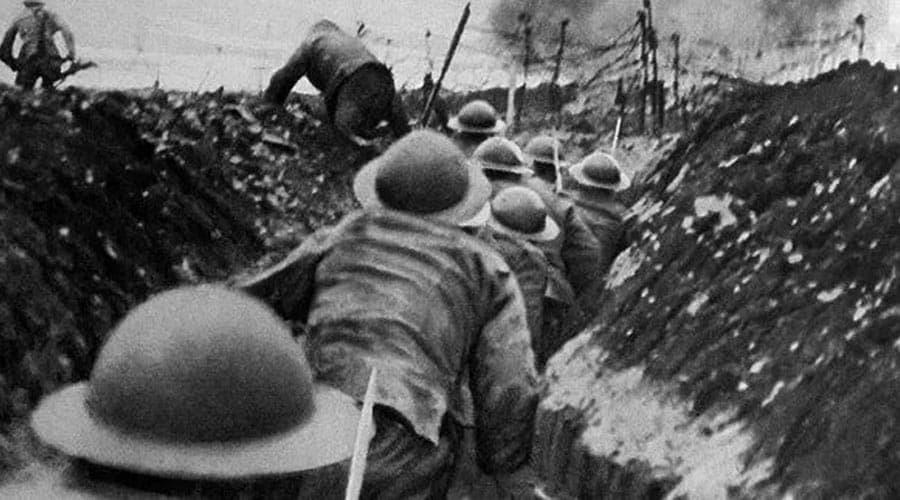
Harrowing first-person accounts from soldiers who endured the mud, gas, and constant shelling of World War I's Western Front.
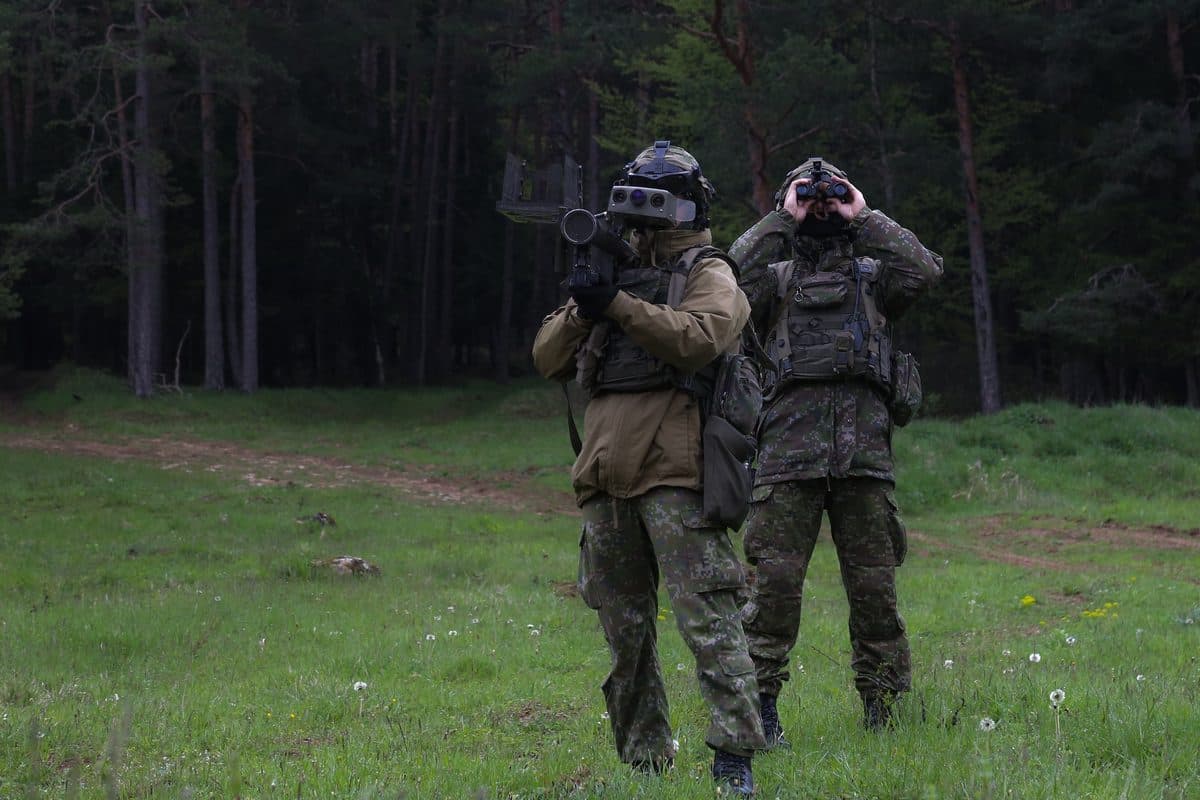
The FIM-92 Stinger helped win the Cold War by turning Afghan mujahideen into a credible anti-aircraft threat. By 2023, the United States almost ran out of them, because Raytheon stopped making them for 13 years, and the first 10 months of Ukraine support burned through the remaining stockpile.