


Why Bigger Militaries Don't Automatically Win Wars
Why military size doesn't guarantee victory in modern warfare.
james-holloway··32 min read

At dawn, approximately 35,000 Russian troops attacked outnumbered British positions on the heights above Sevastopol during the Crimean War. Thick fog made coordinated command impossible, and the battle devolved into desperate hand-to-hand combat where individual soldiers fought on their own initiative, earning it the name "The Soldiers' Battle." British casualties were 2,573; Russian losses approached 12,000.
English authorities arrested Guy Fawkes in a cellar beneath the House of Lords, uncovering 36 barrels of gunpowder intended to destroy Parliament and King James I. The foiled plot reshaped English internal security, drove centuries of anti-Catholic policy, and established precedents for the treatment of political explosives that informed later military doctrine.
Frederick the Great, outnumbered nearly two to one, destroyed a combined French and Holy Roman Empire army at Rossbach in just 90 minutes. Cavalry commander Seydlitz delivered a devastating flank charge that shattered Allied columns before they could deploy. Prussian casualties were approximately 700 against 10,000 Allied killed, wounded, and 5,000 captured.
Why Bigger Militaries Don't Always WinApproximately 35,000 Russian troops attacked outnumbered British positions above Sevastopol in thick fog. The battle devolved into hand-to-hand combat, earning the name "The Soldiers' Battle." British and French forces held, inflicting nearly 12,000 Russian casualties.
President Lincoln removed Major General George B. McClellan from command of the Army of the Potomac, exasperated by McClellan's chronic failure to pursue Lee after Antietam. McClellan had taken six weeks and endless prodding to begin crossing the Potomac. Lincoln replaced him with Major General Ambrose Burnside, who would lead the army to disaster at Fredericksburg.
Suffragist Susan B. Anthony was arrested in Rochester, New York, for casting a ballot in the presidential election. Her case energized the movement that would eventually produce the 19th Amendment in 1920 and military women's suffrage that enabled the WAC, WAVES, and modern gender-integrated armed forces.
British and Empire forces captured the ruined village of Passchendaele, ending a 103-day offensive that cost roughly 275,000 Allied and 220,000 German casualties. The campaign became synonymous with the tactical exhaustion and mud-bound horror of trench warfare and reshaped British doctrine on offensive operations.
Armed merchant cruiser HMS Jervis Bay, sole escort for 37-ship Convoy HX 84, turned to engage the pocket battleship Admiral Scheer. Captain Edward Fegen steered directly at the warship, fighting for two hours until Jervis Bay sank with 190 crew including Fegen. The sacrifice allowed 32 of 37 merchant ships to escape. Fegen received a posthumous Victoria Cross.
The Atlanta-class anti-aircraft cruiser USS Reno was struck by a torpedo from submarine I-41 east of the Philippines. Reno survived through intensive damage control and a 1,500-mile tow to Ulithi, illustrating the resilience of late-war US cruiser design and the logistical reach of the Pacific Fleet service force.
British paratroopers of 3 PARA seized El Gamil airfield while French paratroopers took Port Fuad during the Suez Crisis, the first combat parachute operation since World War II. Though militarily successful, the invasion drew furious condemnation from the U.S. and Soviet Union, forcing a humiliating withdrawal that marked the end of Britain and France as independent global military powers.
Army Major Nidal Hasan opened fire in the Soldier Readiness Center at Fort Hood, Texas, killing 13 and wounding 32 in the deadliest shooting at a U.S. military installation. Victims included soldiers preparing for deployment to Afghanistan. Hasan, who had been in contact with al-Qaeda-linked cleric Anwar al-Awlaki, was convicted at court-martial and sentenced to death.

Brigadier General
A Marblehead, Massachusetts fisherman whose regiment of sailors proved indispensable to American independence. Glover's men rowed Washington's army across the Delaware on Christmas night 1776 for the surprise attack on Trenton, and earlier evacuated the Continental Army from Long Island, saving the revolution. His regiment was one of the few racially integrated units in the Continental Army.

American labor leader and five-time presidential candidate who was imprisoned under the Espionage Act for opposing U.S. involvement in World War I. His 1918 Canton, Ohio speech against military conscription led to a ten-year sentence. He ran for president from prison in 1920, receiving nearly a million votes, and became a symbol of the tension between civil liberties and wartime security.

Lieutenant General
Senior British officer killed leading a counterattack at the Battle of Inkerman on this date. A veteran of the Napoleonic Wars who had served as aide-de-camp to the Duke of Wellington, Cathcart led a handful of men in a desperate charge against overwhelming Russian numbers in the fog. His death exemplified the chaos of the battle where generals fought and died like common soldiers.
Wear the Timeline
10 military events occurred on November 5, spanning multiple centuries. Key events include: The Battle of Inkerman: "The Soldiers' Battle" (1854), Battle of Rossbach: Frederick the Great's Masterpiece (1757), Lincoln Relieves McClellan from Command (1862), HMS Jervis Bay's Heroic Sacrifice (1940), Anglo-French Paratroopers Land in Egypt (1956).
The most significant military event on November 5 is The Battle of Inkerman: "The Soldiers' Battle" (1854). At dawn, approximately 35,000 Russian troops attacked outnumbered British positions on the heights above Sevastopol during the Crimean War. Thick fog made coordinated command impossible, and the battle devolved into desperate hand-to-hand combat where individual soldiers fought on their own initiative, earning it the name "The Soldiers' Battle." British casualties were 2,573; Russian losses approached 12,000.
Notable military figures born on November 5 include John Glover (1732–1797), Eugene V. Debs (1855–1926).
Events on November 5 span the Interwar Period, the Colonial & Revolutionary era, the Civil War, World War II, the Cold War, the Modern Era, World War I, covering 10 events across 5 centuries of military history.
Events on November 5 involve 2 branches of the U.S. and allied armed forces, reflecting the global scope of military operations throughout history.
Explore military history from the day you were born.
January 10
1920
January 11
1879
January 22
1879
January 29
1856
June 6
The Allied invasion of Normandy, the largest amphibious assault in history.
December 7
Japan attacks the U.S. Pacific Fleet, bringing America into World War II.
September 11
The deadliest terrorist attack in history transforms U.S. national security.
August 6
The first atomic bomb is dropped on a city, ushering in the nuclear age.
May 8
Nazi Germany surrenders unconditionally, ending World War II in Europe.
November 11
Armistice Day marks the end of World War I and honors all who served.
June 4
The turning point of the Pacific War as the U.S. Navy destroys four Japanese carriers.
July 4
The Declaration of Independence is adopted, sparking the American Revolution.
Why military size doesn't guarantee victory in modern warfare.
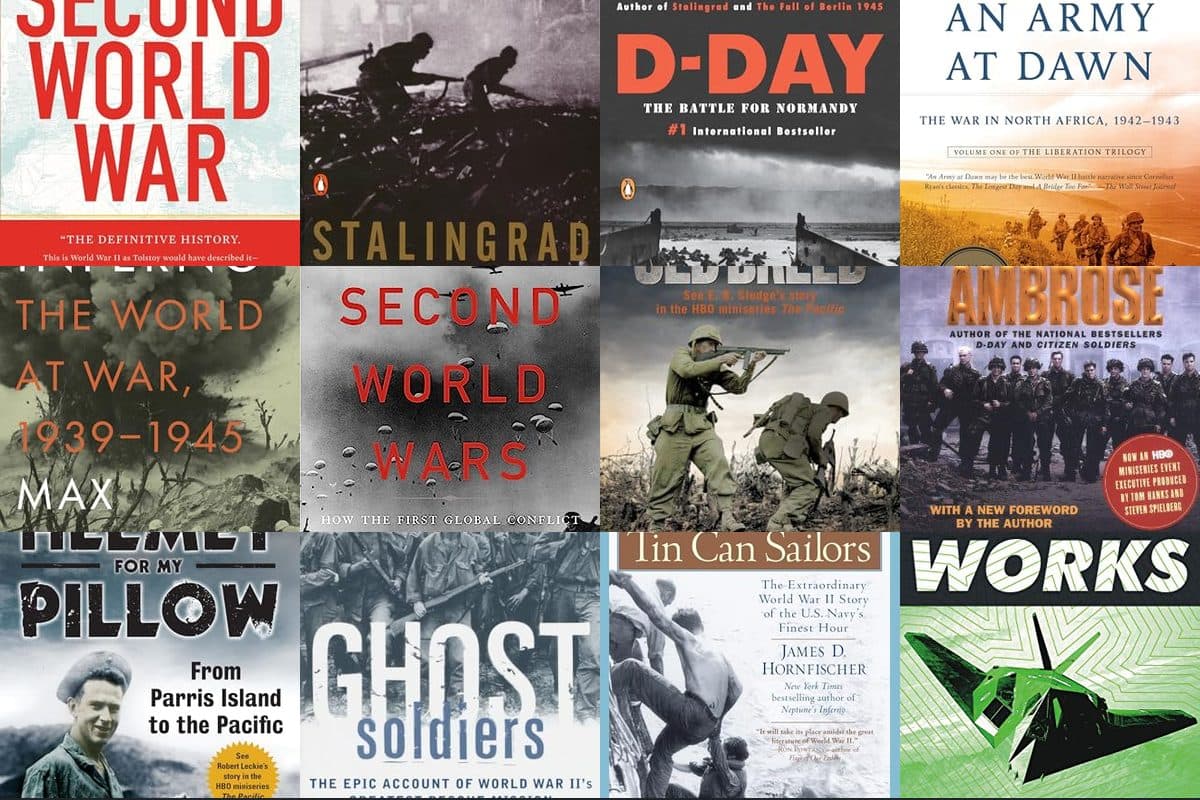
15 essential WW2 books covering every theater. Narrative histories, memoirs, and visual references ranked.
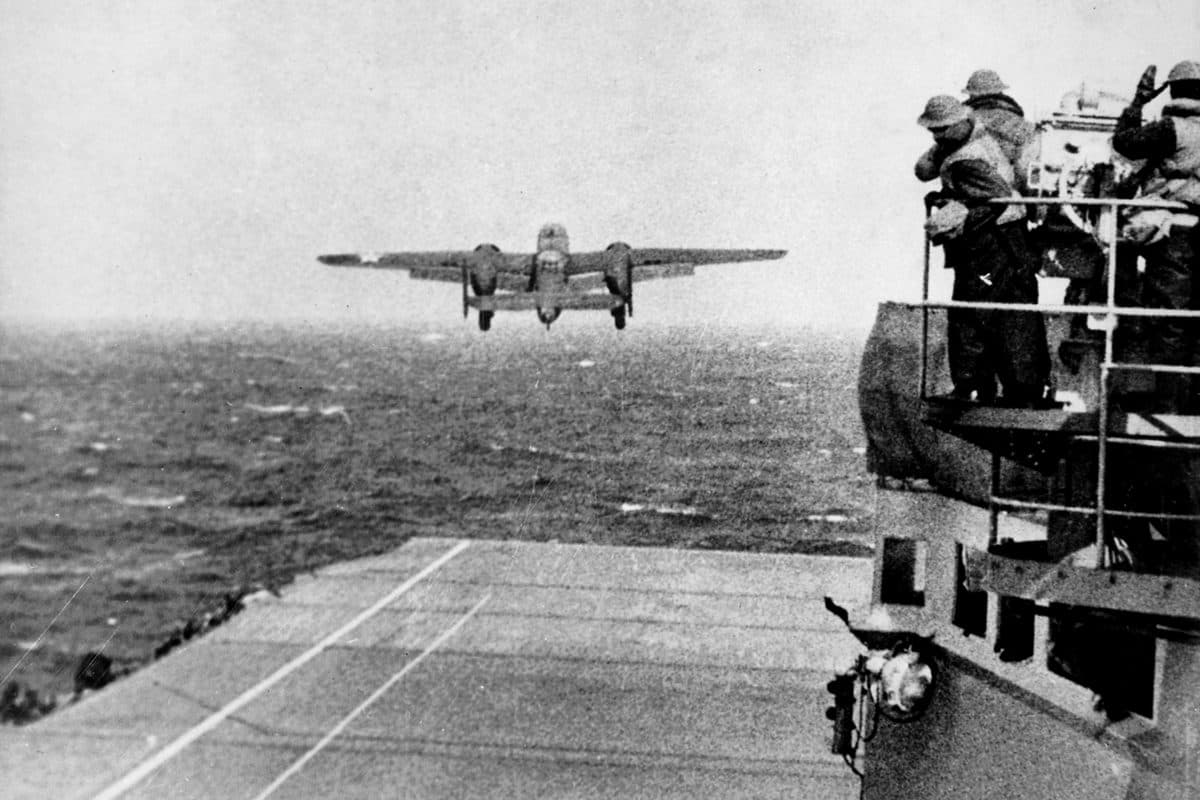
On April 18, 1942, sixteen B-25 Mitchell bombers did something no one thought possible: they launched from the deck of an aircraft carrier, flew 650 miles to Japan, and bombed Tokyo. Every aircraft was lost. The damage was negligible. The consequences changed the war.
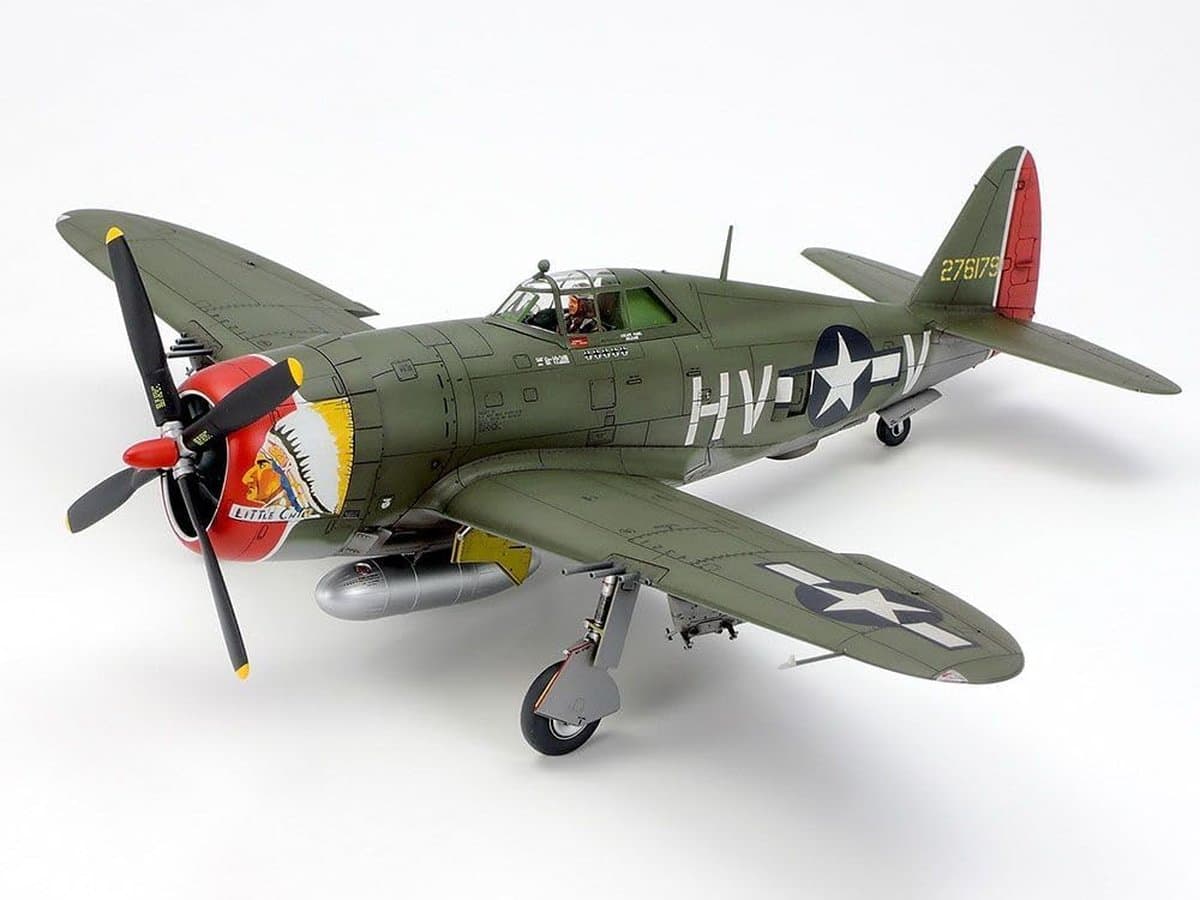
Compare 85+ WW2 scale model kits across aircraft, tanks, and ships. Beginner builds from $9 to museum-grade showpieces at $580. Covers Tamiya, Eduard, HK Models, Trumpeter, and more with honest reviews, trade-offs, and pricing.