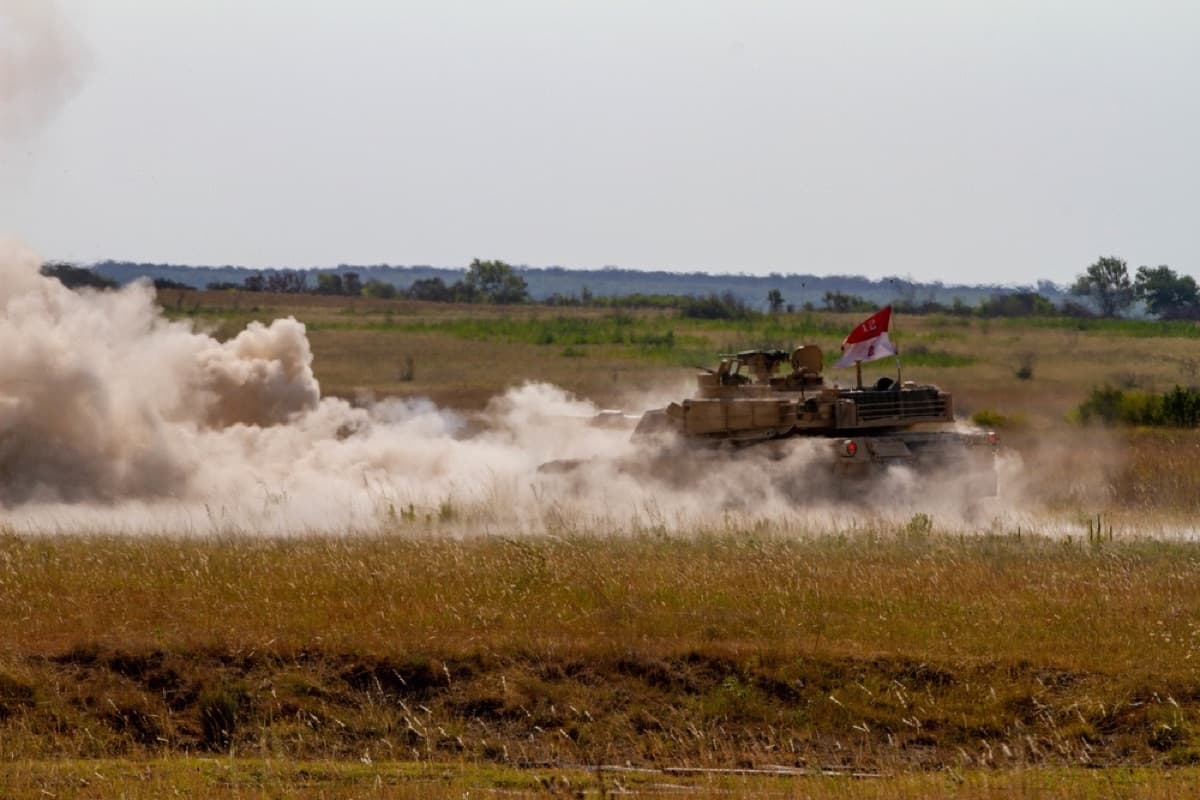
Beyond tanks, armored vehicles of all types play critical roles in ground combat. From infantry fighting vehicles to mine-resistant platforms, explore the full spectrum of armored warfare and the protection technologies that keep crews alive.
Armored vehicles extend far beyond main battle tanks, encompassing the infantry fighting vehicles, armored personnel carriers, mine-resistant platforms, and self-propelled artillery systems that form the backbone of mechanized ground forces. Platforms like the Bradley IFV, the Namer APC, and the Stryker family of vehicles each fill critical roles that tanks alone cannot, moving infantry under fire, providing suppressive firepower, and surviving IED-laden environments.
Our armor coverage examines the full spectrum of armored warfare technology, from composite and reactive armor systems to the active protection suites that are transforming vehicle survivability. Explore how the Israeli Namer became the world's most heavily protected APC, why NATO is investing billions in next-generation infantry fighting vehicles, and how mine-resistant ambush-protected vehicles changed the calculus of counterinsurgency operations. We analyze armor thickness, protection ratings, and real-world combat performance, the hard data that determines whether crews survive contact with the enemy.
From the Military Machine catalog
Top picks for Armor
Hand-picked from our gear guides, ranked for relevance to this topic.
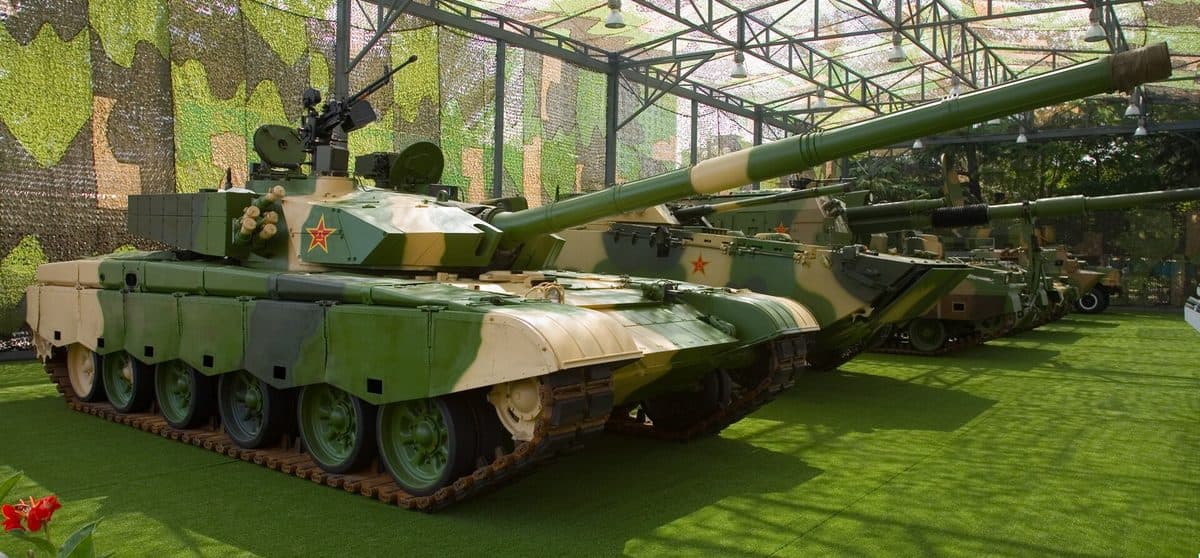
The Type 99A is the most advanced tank China has ever built, a 58-tonne machine armed with a 125mm gun, protected by composite armor and explosive reactive armor, and equipped with an active protection system and a laser dazzler that can blind enemy optics. It has never been exported, never been used in combat, and never been independently tested. What China claims about the Type 99A and what the tank can actually do may be two very different things.
The infantry fighting vehicle is the most dangerous thing on a battlefield that isn't a tank. It is a tracked armored vehicle that carries a squad of infantry, protects them from everything short of a main battle tank round, and fights alongside them with autocannons, anti-tank missiles, and increasingly sophisticated active protection systems. These are the 10 best in the world.
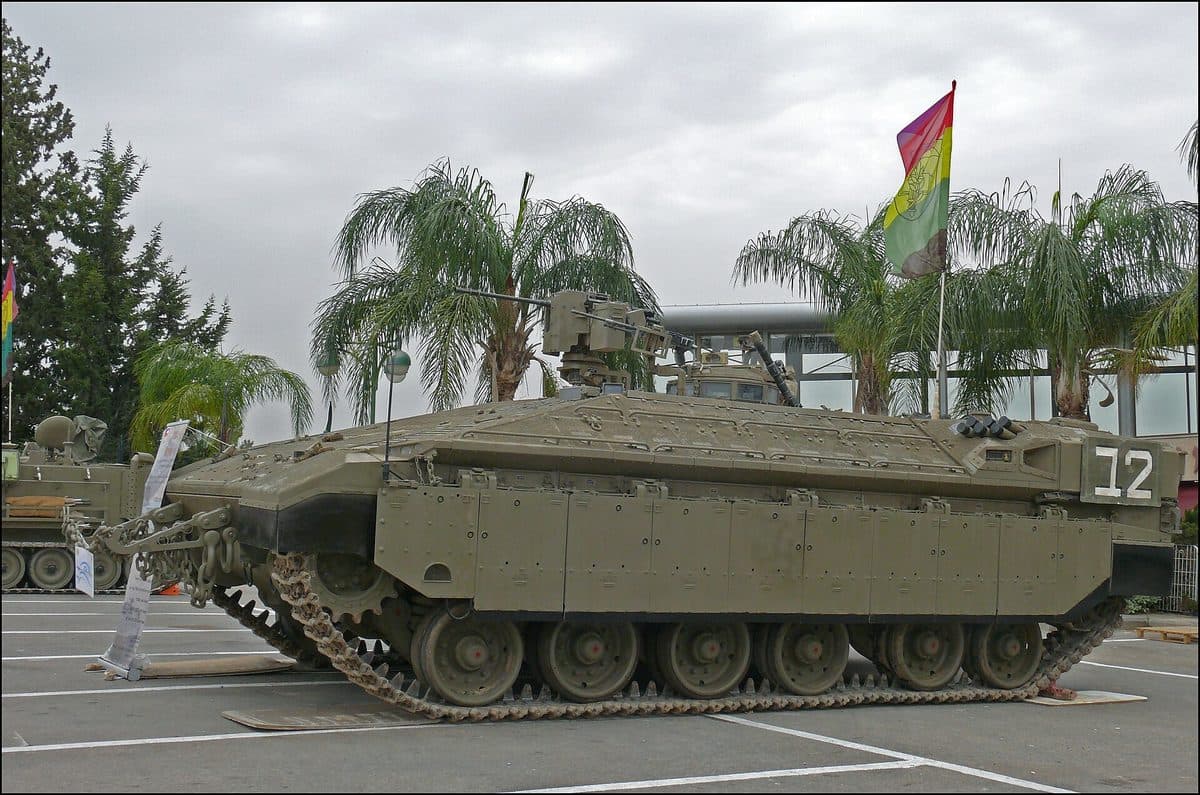
The Namer is the heaviest armored personnel carrier in the world, a 60-tonne machine built on the Merkava Mk 4 tank hull with the same front-mounted engine, the same Trophy active protection system, and the same philosophy that has defined Israeli armored vehicle design for fifty years: bring the crew home alive. While other nations design APCs to be light and fast, Israel builds them to survive the kill zones of urban combat. The Namer is the most extreme expression of that philosophy.
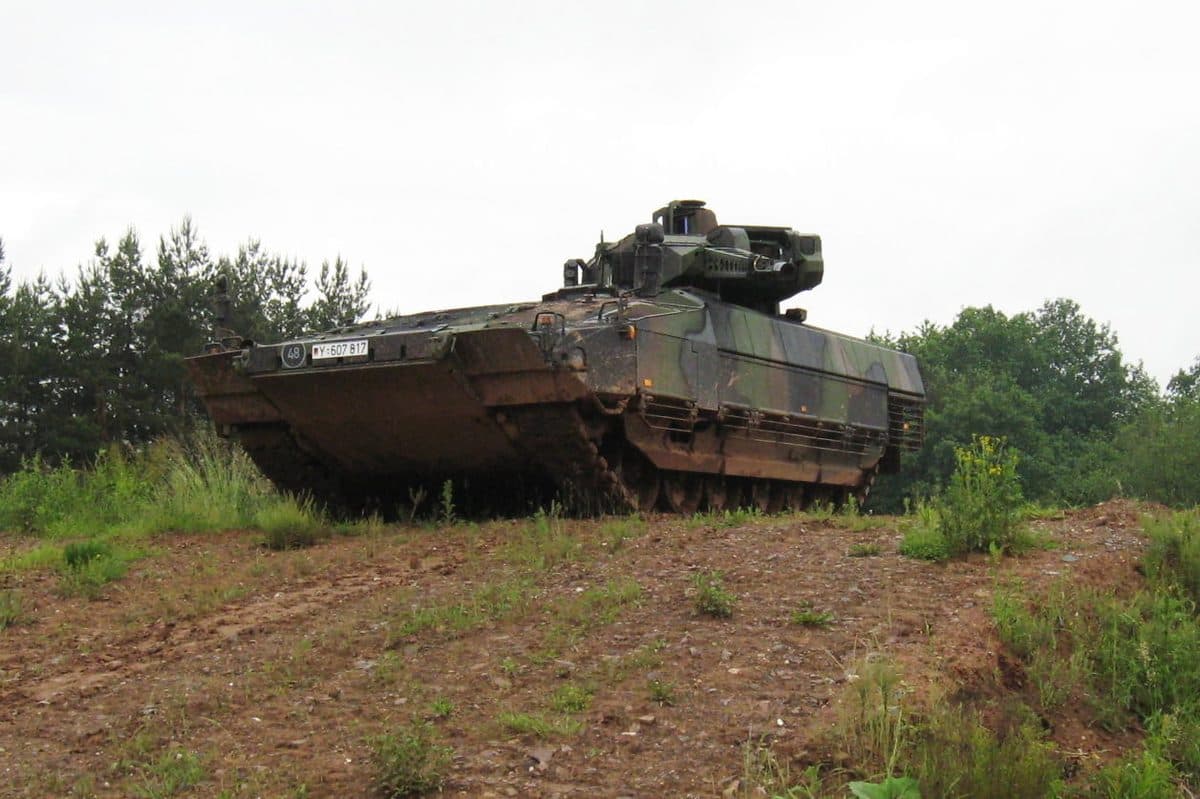
The Puma is the most heavily protected and technologically advanced infantry fighting vehicle in NATO, a 43-ton armored vehicle that weighs more than many main battle tanks of the previous generation. Its modular armor system can be configured from Level A (air-transportable) to Level C (protection against 30mm kinetic energy rounds and medium anti-tank weapons), making it one of the few IFVs that can genuinely survive on a modern battlefield alongside main battle tanks.
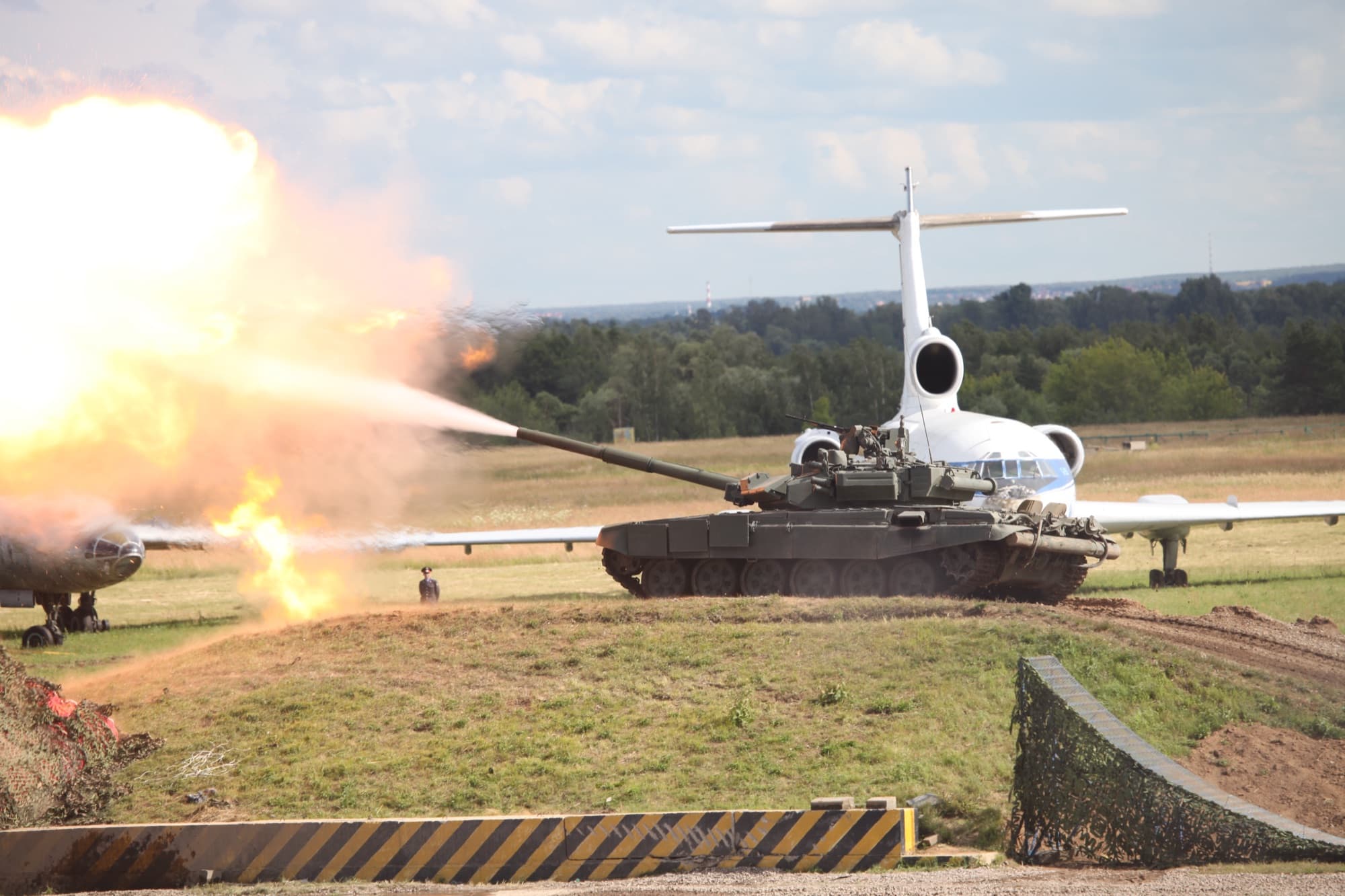
The T-90M Proryv is Russia's most advanced operational tank, a heavily upgraded descendant of the T-72, armed with a 125mm gun that can fire anti-tank missiles, protected by third-generation Relikt explosive reactive armor, and equipped with the Arena-M hard-kill active protection system. It was supposed to be the best tank Russia had ever fielded. Then it went to Ukraine.
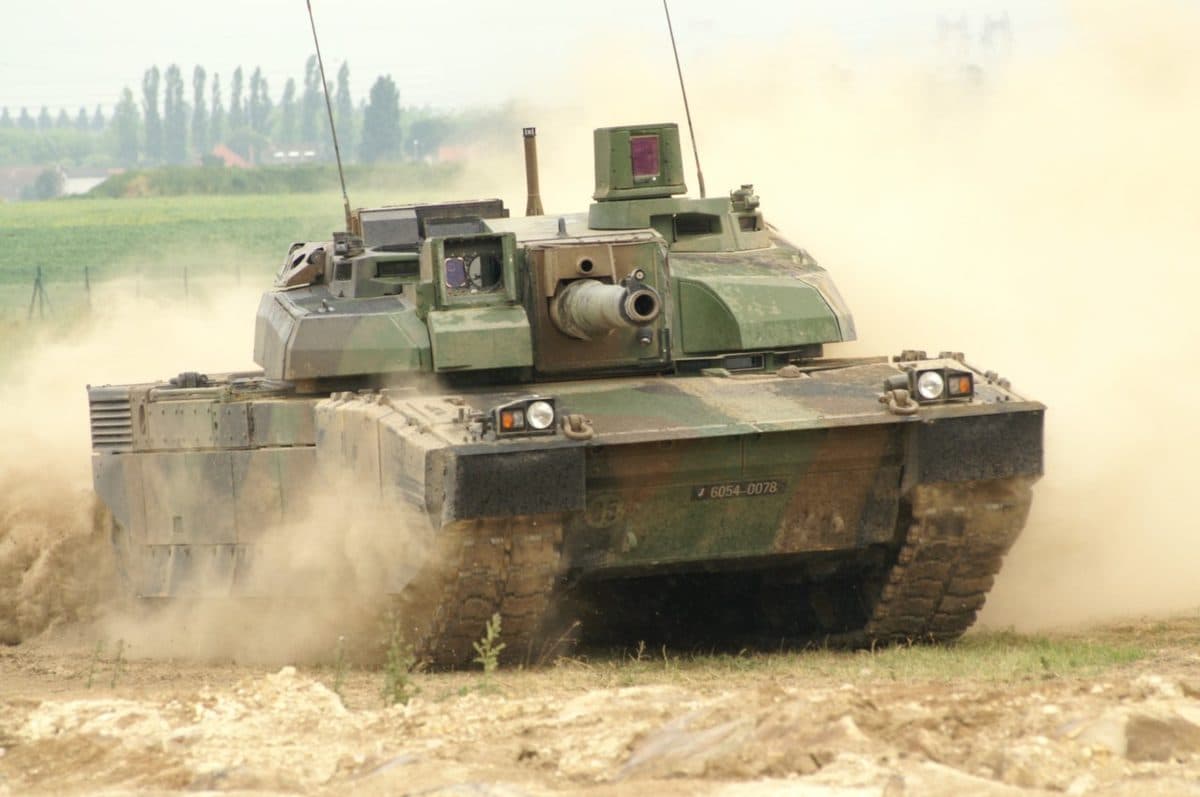
At 57 tonnes, the Leclerc is the lightest main battle tank in Western service, nearly 15 tons lighter than an M1A2 Abrams. But light doesn't mean weak. The Leclerc carries a 120mm smoothbore gun with an autoloader that gives it the fastest rate of fire of any Western MBT, composite armor that has proven itself in combat, and a fire control system that can engage targets while moving at full speed. France built a tank for a different kind of war, and it works.
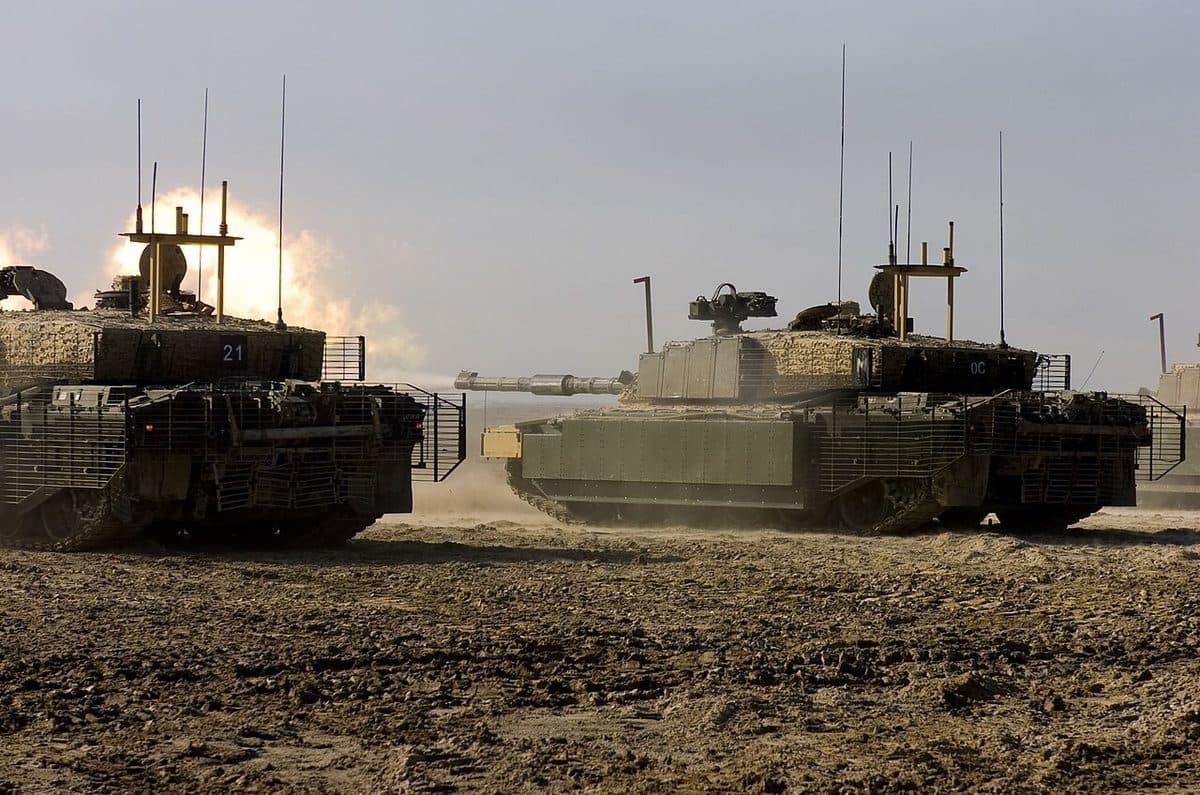
The Challenger 2 is the only Western main battle tank that uses a rifled gun, and it has never lost a crewmember to enemy fire in combat. Built around Chobham armor so effective it remains classified, the Challenger 2 is Britain's armored fist and one of the most heavily protected tanks ever built. But age and export failure have left it facing an uncertain future.
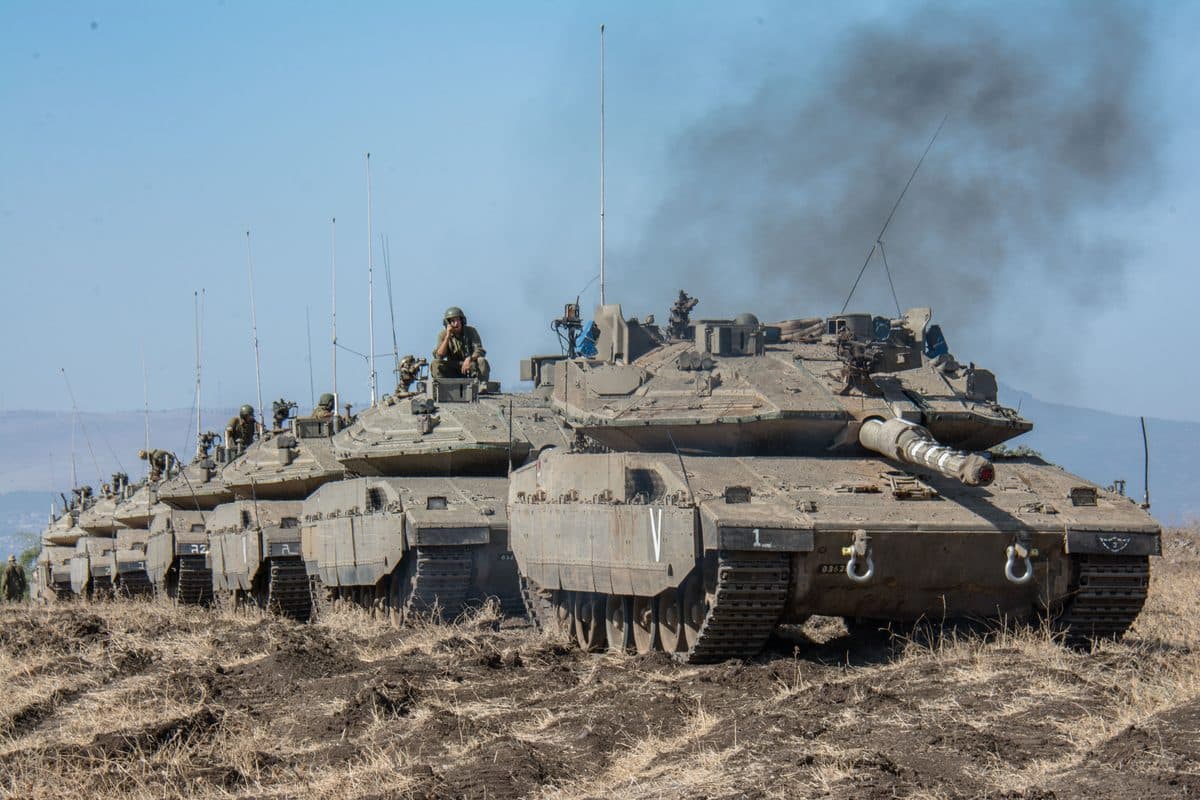
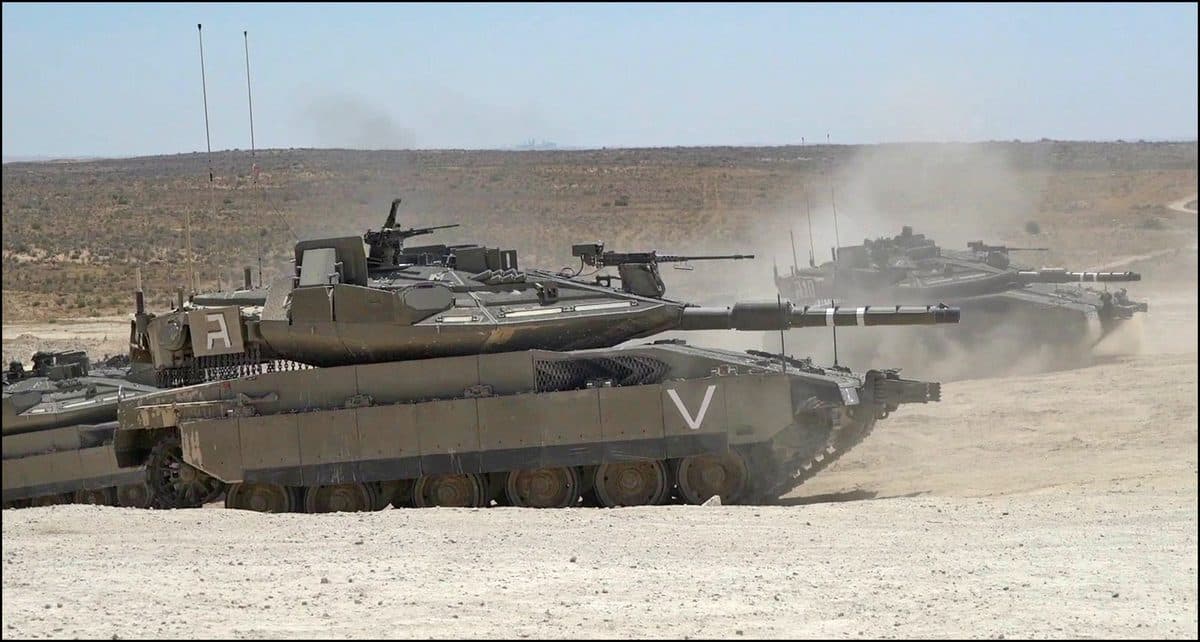
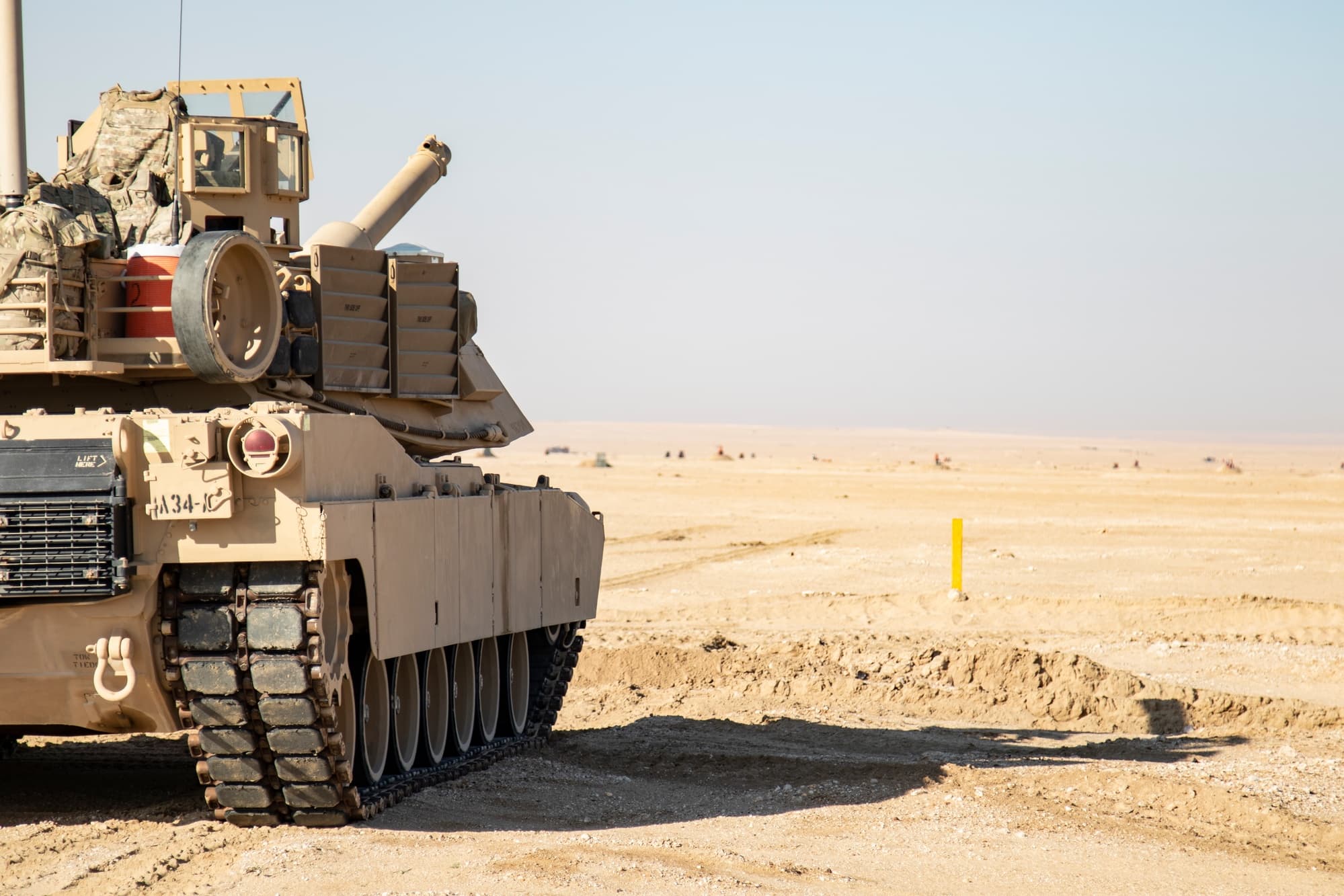
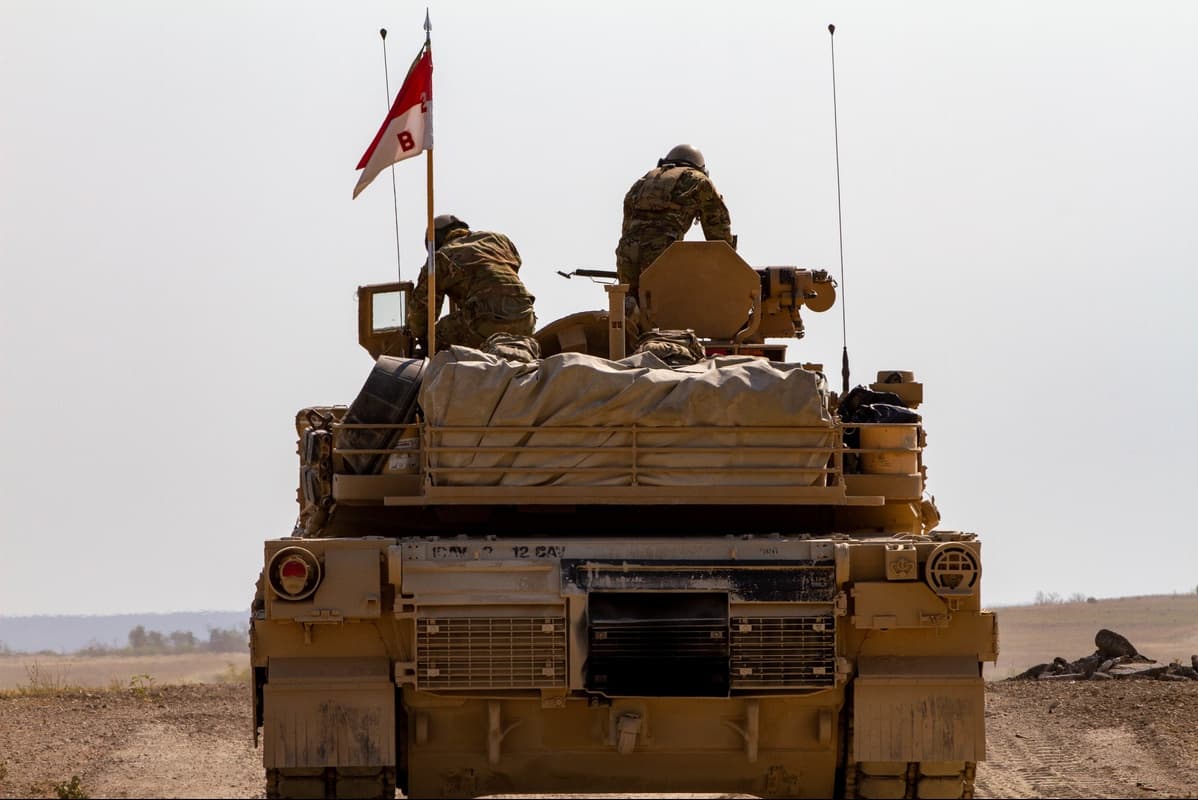
The M1 Abrams and Merkava Mk 4 are both among the world's finest main battle tanks, but they were designed around fundamentally different priorities. The Abrams was built for speed and firepower on the open plains of Europe. The Merkava was built to bring its crew home alive from the close-quarters battles of the Middle East. Their differences reveal how geography, doctrine, and national experience shape the machines nations build.
The Merkava puts its engine in the front, its troops in the back, and its crew's survival above everything else. Born from Israel's refusal to accept tank crew casualties, it is the only main battle tank in the world that can carry infantry, evacuate wounded, and shoot down incoming missiles mid-flight.
In February 1991, M1A1 Abrams tanks proved themselves in the deserts of Iraq and Kuwait during the 100-hour ground war of Operation Desert Storm. The Battle of 73 Easting became the defining engagement, where American armor destroyed an Iraqi Republican Guard division in under 23 minutes. Here is what the crews experienced and what the machine actually did.
The M1 Abrams runs on a 1,500 HP gas turbine; the Leopard 2 uses a diesel. One dominates exports; the other has an undefeated combat record. Full specs, armor, firepower, and mobility compared.
The Evolution of Modern Armor: How Tanks Changed Warfare from World War I to Today For more than a century, the tank has been one of the most powerful…