Coverage of the defining military conflict of the 20th century. From the Blitzkrieg across Europe to the island-hopping campaigns of the Pacific, explore the strategies, technologies, and decisions that shaped the outcome of World War II and the modern world order.
World War II remains the largest and most consequential military conflict in human history, a global war that mobilized over 100 million personnel and reshaped the political, technological, and strategic landscape of the modern world. From the fall of France in 1940 to the atomic bombings of Hiroshima and Nagasaki in 1945, every theater of this war produced lessons that military planners still study today.
Our World War II coverage examines the machines, strategies, and turning points that decided the outcome. Explore the engineering behind iconic platforms like the P-51 Mustang, the Sherman tank, and the aircraft carriers that dominated the Pacific. We break down pivotal battles from Stalingrad to Midway, analyze the logistics that sustained Allied operations across two oceans, and investigate the technological breakthroughs, radar, code-breaking, jet propulsion, that gave one side the edge over the other.
Whether you are studying the Eastern Front's massive armored clashes or the strategic bombing campaigns over Germany and Japan, this section delivers detailed, authoritative analysis of the war that defined the 20th century.
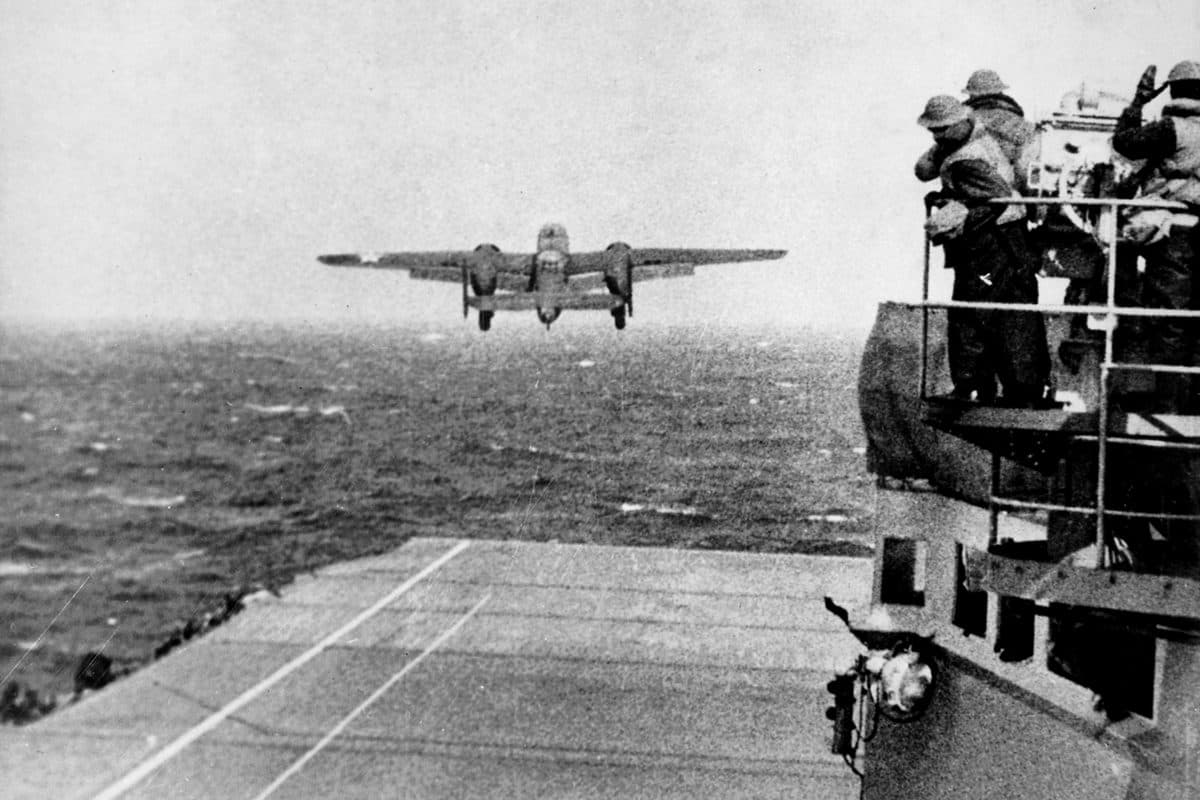
On April 18, 1942, sixteen B-25 Mitchell bombers did something no one thought possible: they launched from the deck of an aircraft carrier, flew 650 miles to Japan, and bombed Tokyo. Every aircraft was lost. The damage was negligible. The consequences changed the war.
Compare 85+ WW2 scale model kits across aircraft, tanks, and ships. Beginner builds from $9 to museum-grade showpieces at $580. Covers Tamiya, Eduard, HK Models, Trumpeter, and more with honest reviews, trade-offs, and pricing.
On April 7, 1945, the Imperial Japanese Navy sent the largest battleship ever built on a one-way suicide mission to Okinawa. She never arrived. 386 American aircraft found her first, and sank her in under two hours.
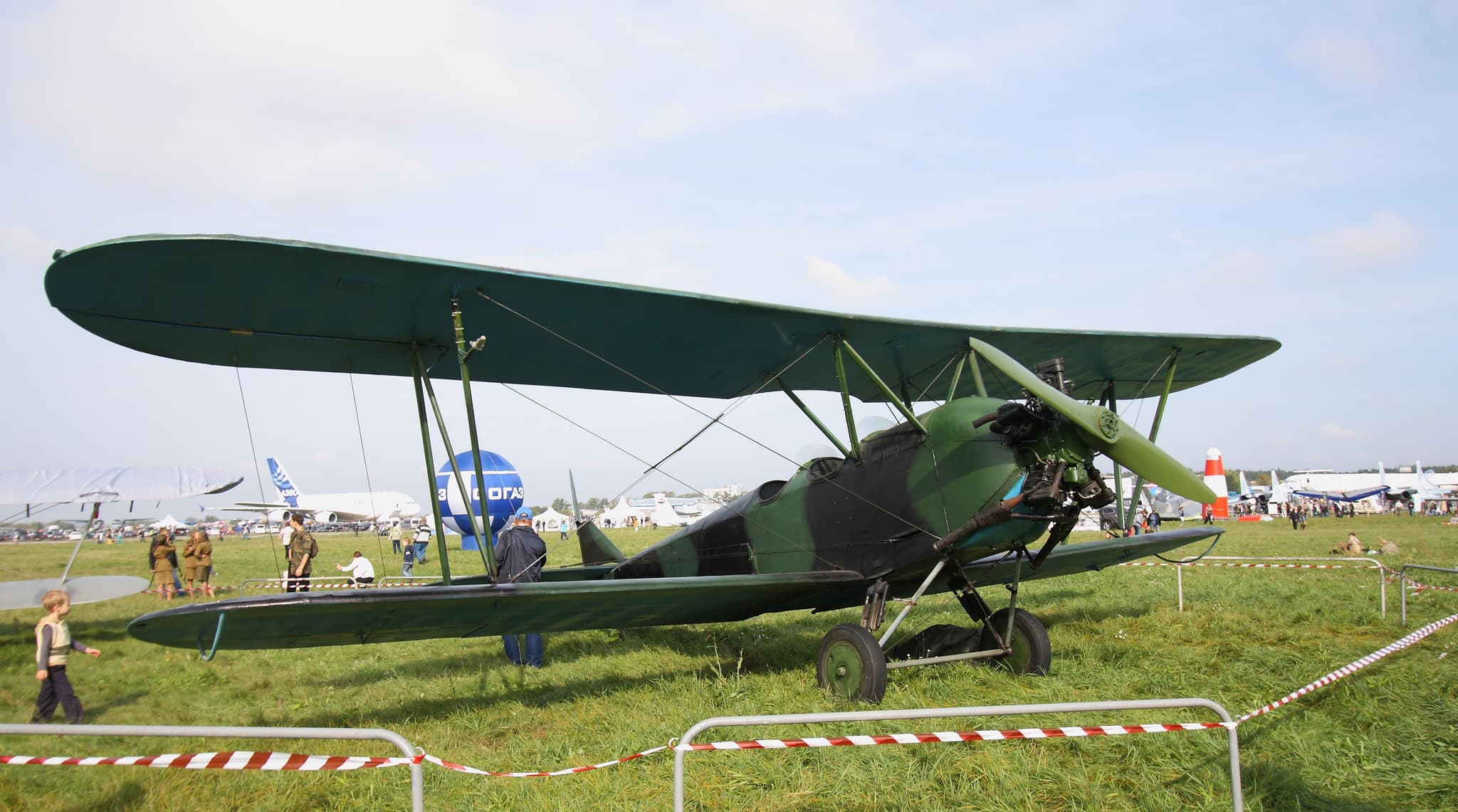
The 588th Night Bomber Regiment flew Polikarpov Po-2 biplanes, canvas-and-wood training aircraft designed in 1928 with a top speed of 94 mph. They flew them at night, in open cockpits, through anti-aircraft fire and searchlights, cutting their engines to glide silently over German positions before dropping bombs by hand. The all-female regiment flew 23,672 combat sorties over three years. The Germans called them the Nachthexen, the Night Witches, and came to fear the sound of wind through biplane struts in the darkness.
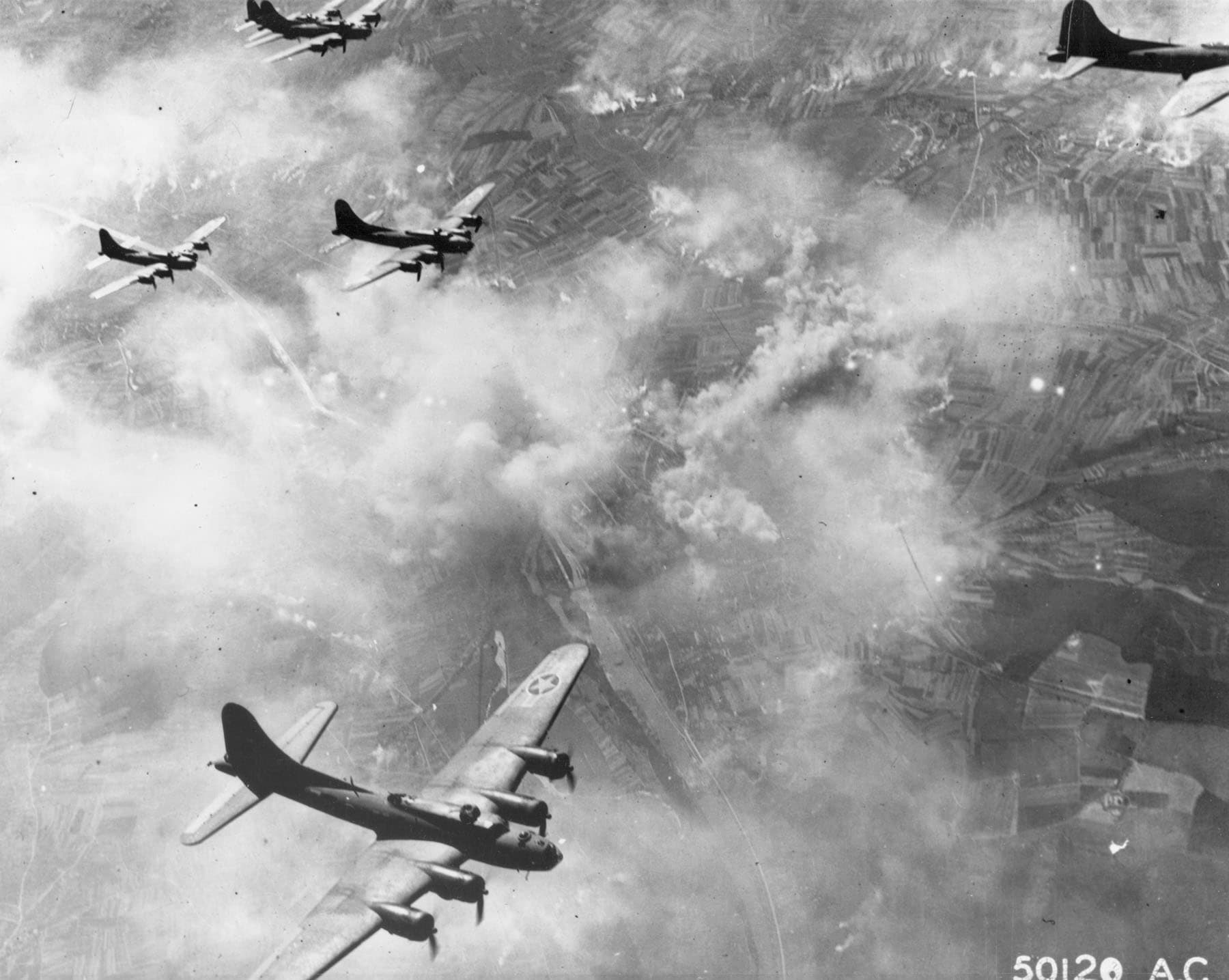
The Boeing B-17 Flying Fortress was not the biggest, fastest, or longest-ranged heavy bomber of World War II. What it was, beyond any dispute, was the toughest. B-17s returned from missions with tails nearly severed, engines shot away, fuselages opened by flak, and flight controls destroyed, damage that would have killed any other aircraft. It became the symbol of the American daylight bombing campaign and the most iconic bomber of the war.
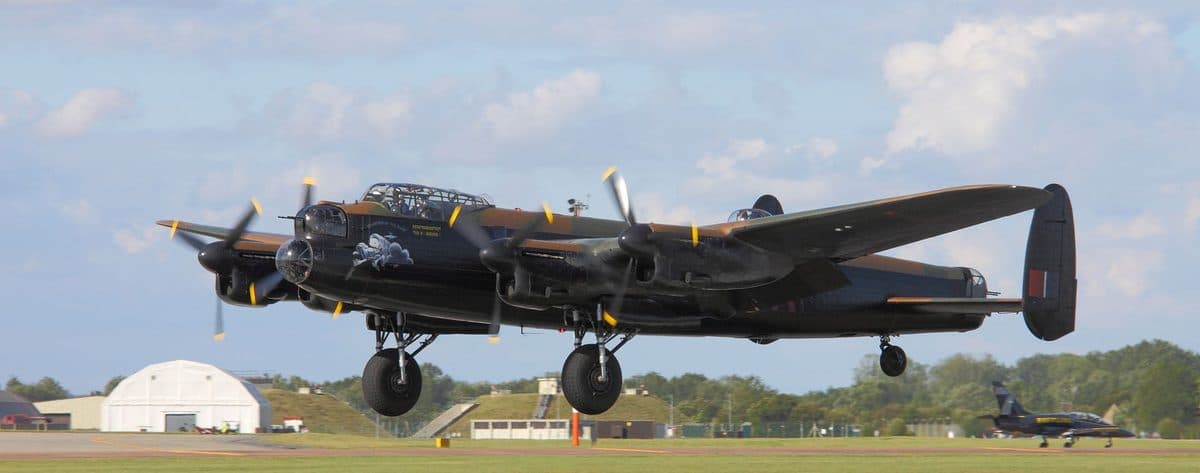
The Avro Lancaster carried more bombs, farther, than any other Allied heavy bomber of World War II. Its cavernous bomb bay swallowed the 12,000-pound Tallboy and the 22,000-pound Grand Slam, weapons no other aircraft could carry. It sank the Tirpitz, breached the Ruhr dams, and dropped two-thirds of all bombs delivered by RAF Bomber Command. It was also a coffin, fewer than half the men who flew Lancasters survived their tours.
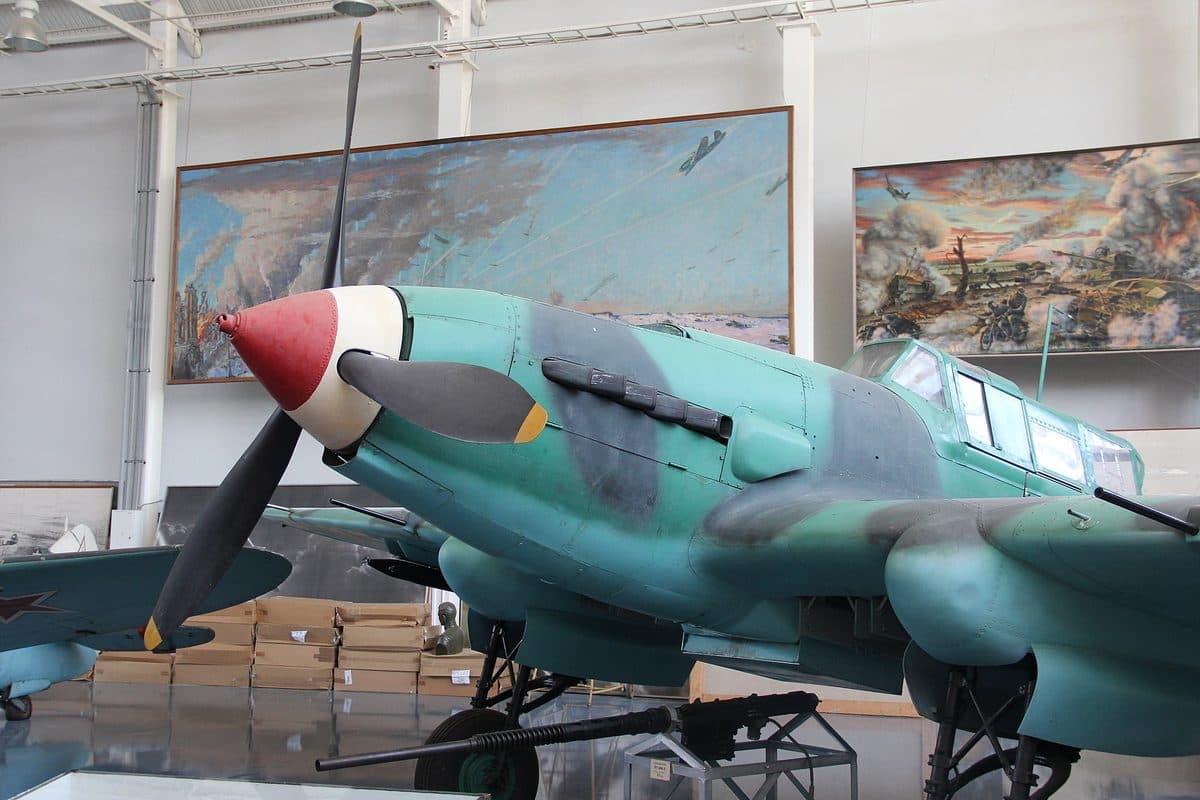
More than 36,000 IL-2 Sturmoviks rolled off Soviet assembly lines during World War II, more than any other military aircraft in history. Stalin called the IL-2 as essential to the Red Army as bread and air. Armored like a flying tank and armed to destroy Panzer columns, the Sturmovik became the defining ground-attack aircraft of the Eastern Front.
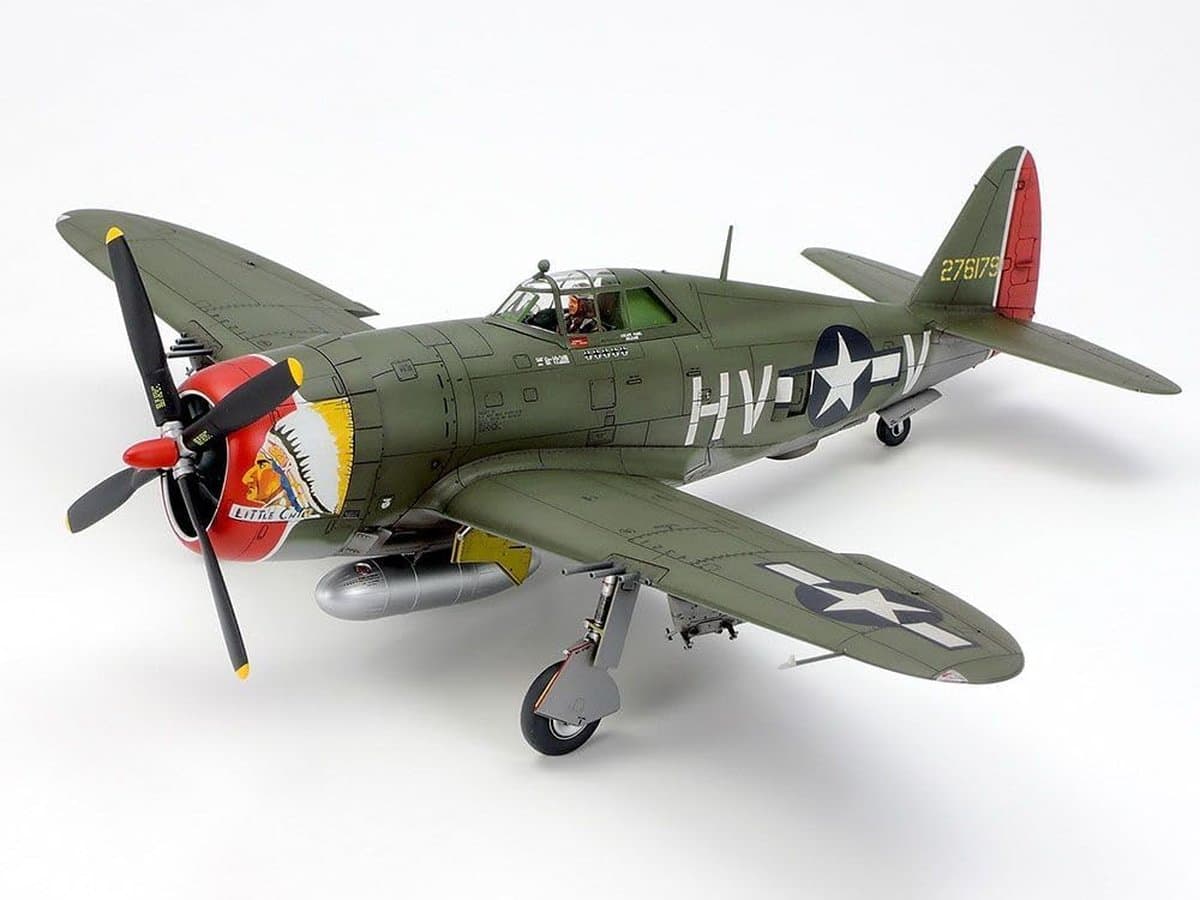
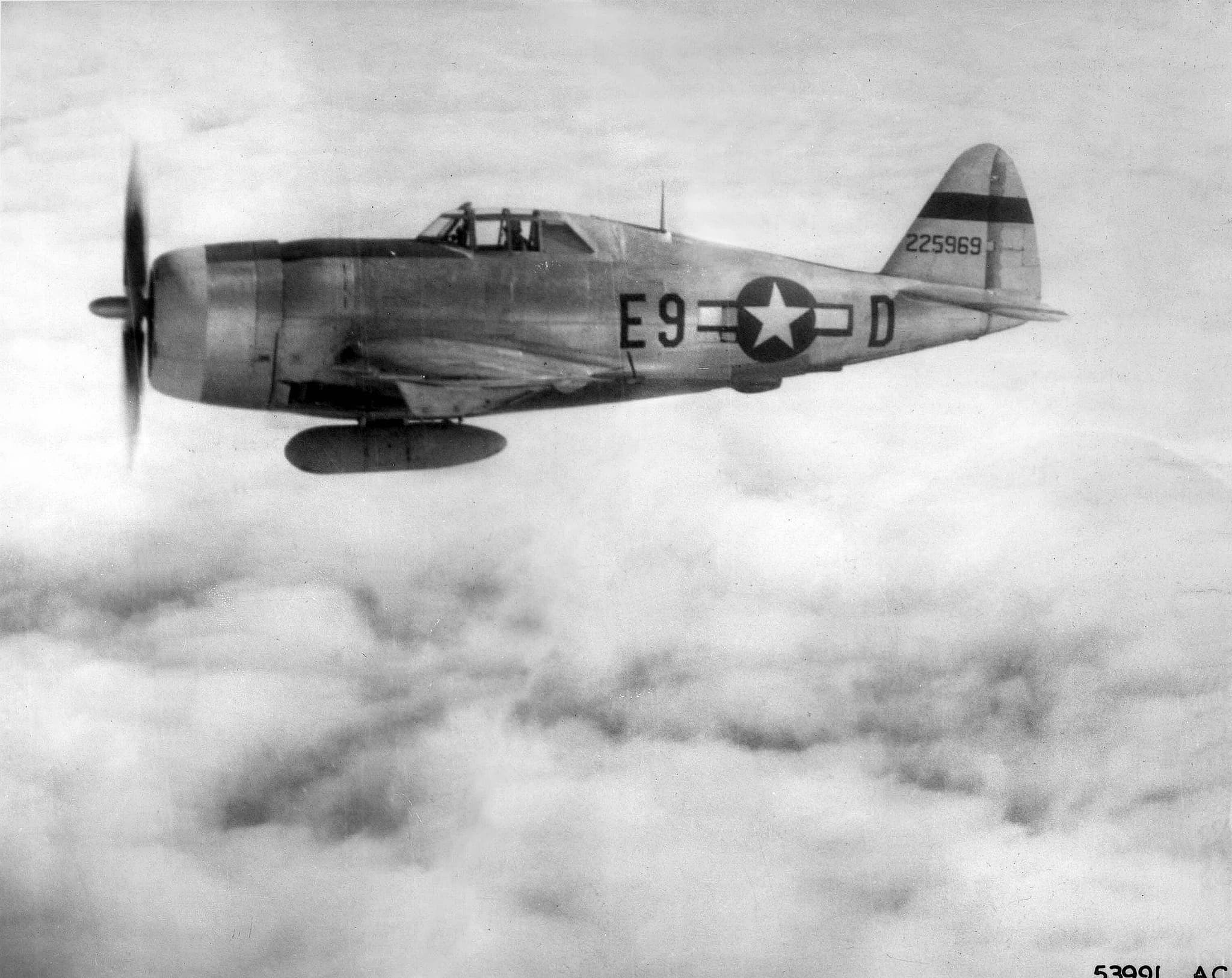
The P-47 Thunderbolt was the heaviest single-engine fighter of World War II, a 17,500-pound brute powered by a 2,000-horsepower radial engine and armed with eight .50-caliber machine guns. It was too heavy to out-turn most opponents, so instead it overwhelmed them with speed, firepower, and an ability to absorb battle damage that bordered on supernatural. Pilots called it the Jug, and they trusted it with their lives.
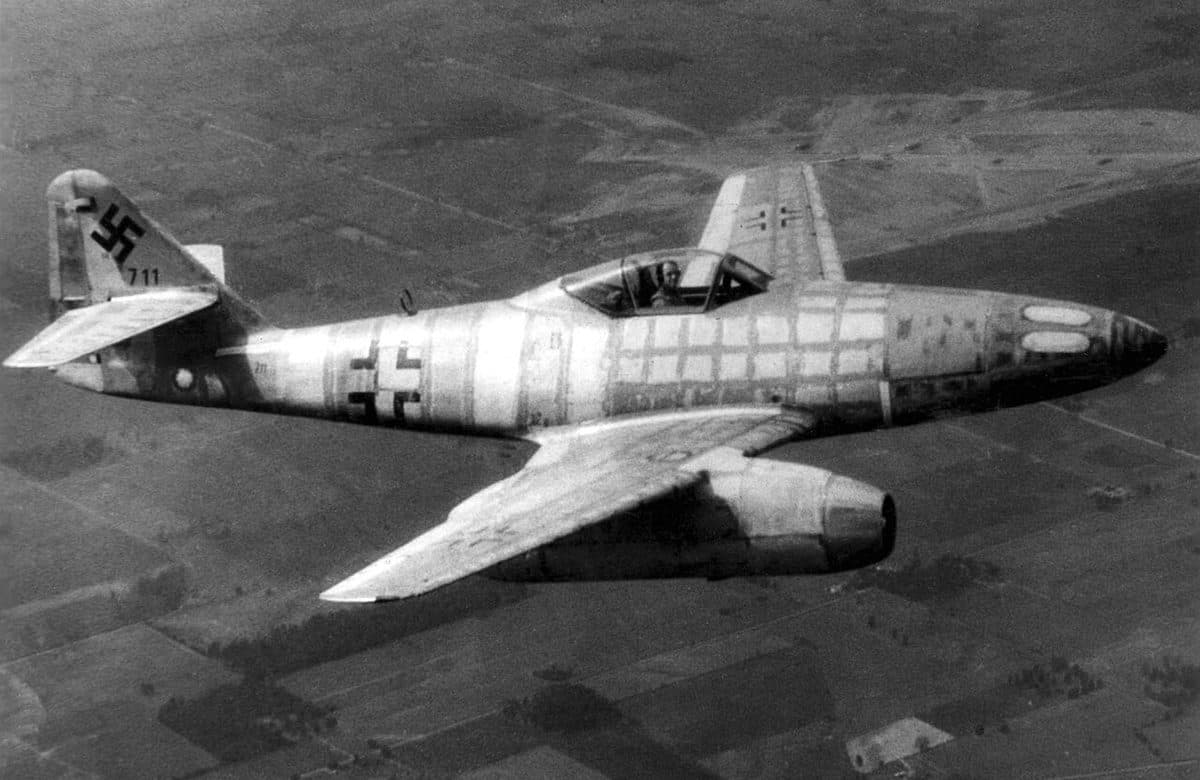
The Messerschmitt Me 262 was 100 mph faster than any Allied fighter, a revolutionary aircraft that could have transformed the air war over Europe. Instead, engine failures, fuel shortages, Hitler's insistence on using it as a bomber, and the sheer momentum of Allied air power ensured that the world's first operational jet fighter arrived too late and in too few numbers to change the outcome.
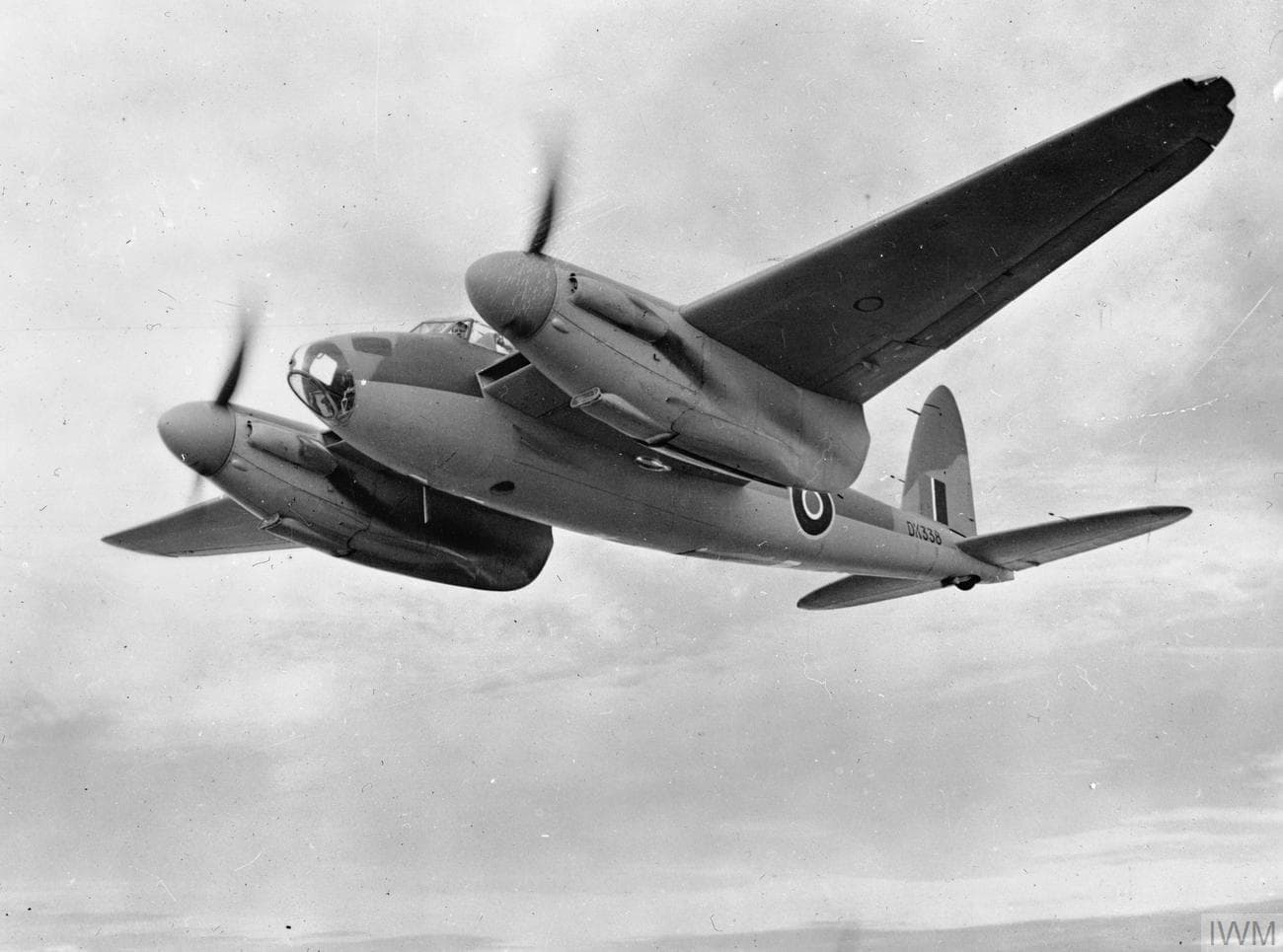
Built from plywood and balsa wood by furniture makers and piano companies, the de Havilland Mosquito was faster than most fighters, could carry the same bomb load as heavy bombers four times its size, and served in more roles than any other aircraft of World War II. The Air Ministry thought it was a bad idea. It turned out to be one of the best aircraft ever built.
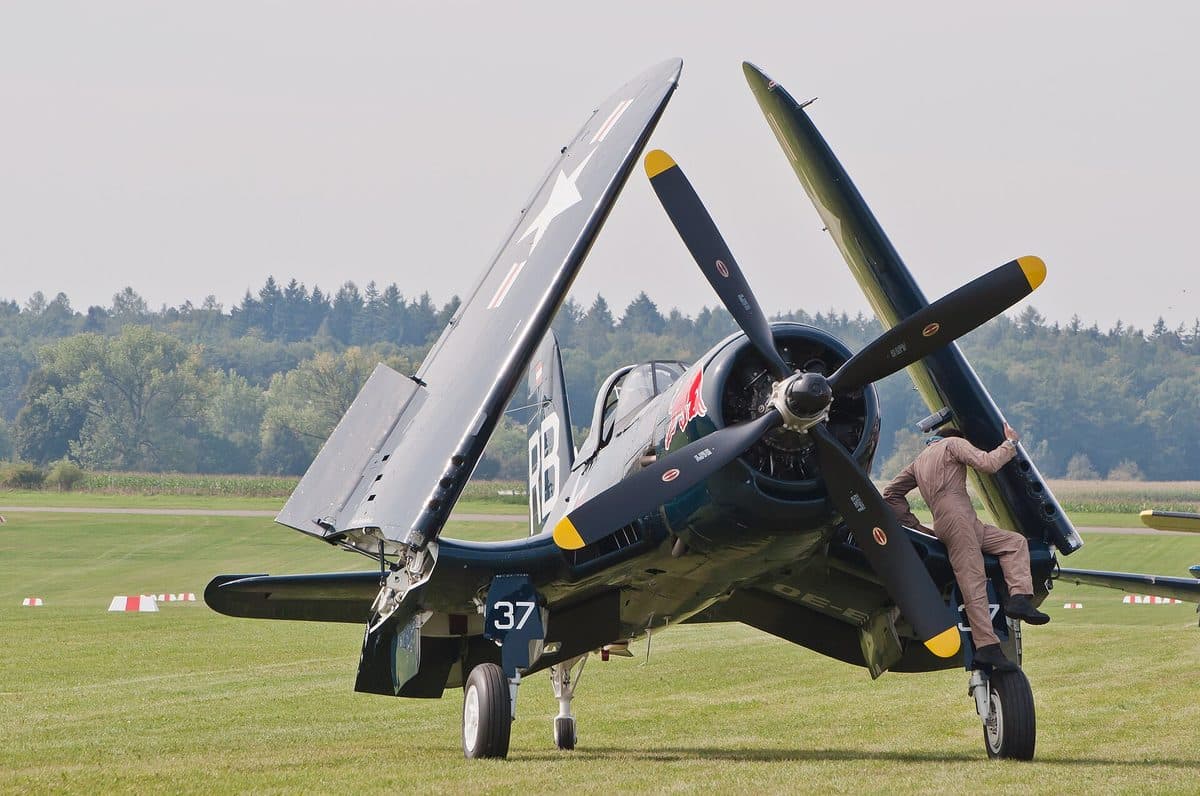
The F4U Corsair was the fastest fighter in the world when it first flew in 1940. Its inverted gull wing, massive engine, and devastating firepower made it the most feared American fighter in the Pacific, and it was still fighting in Korea a decade later. The Japanese called it "Whistling Death."
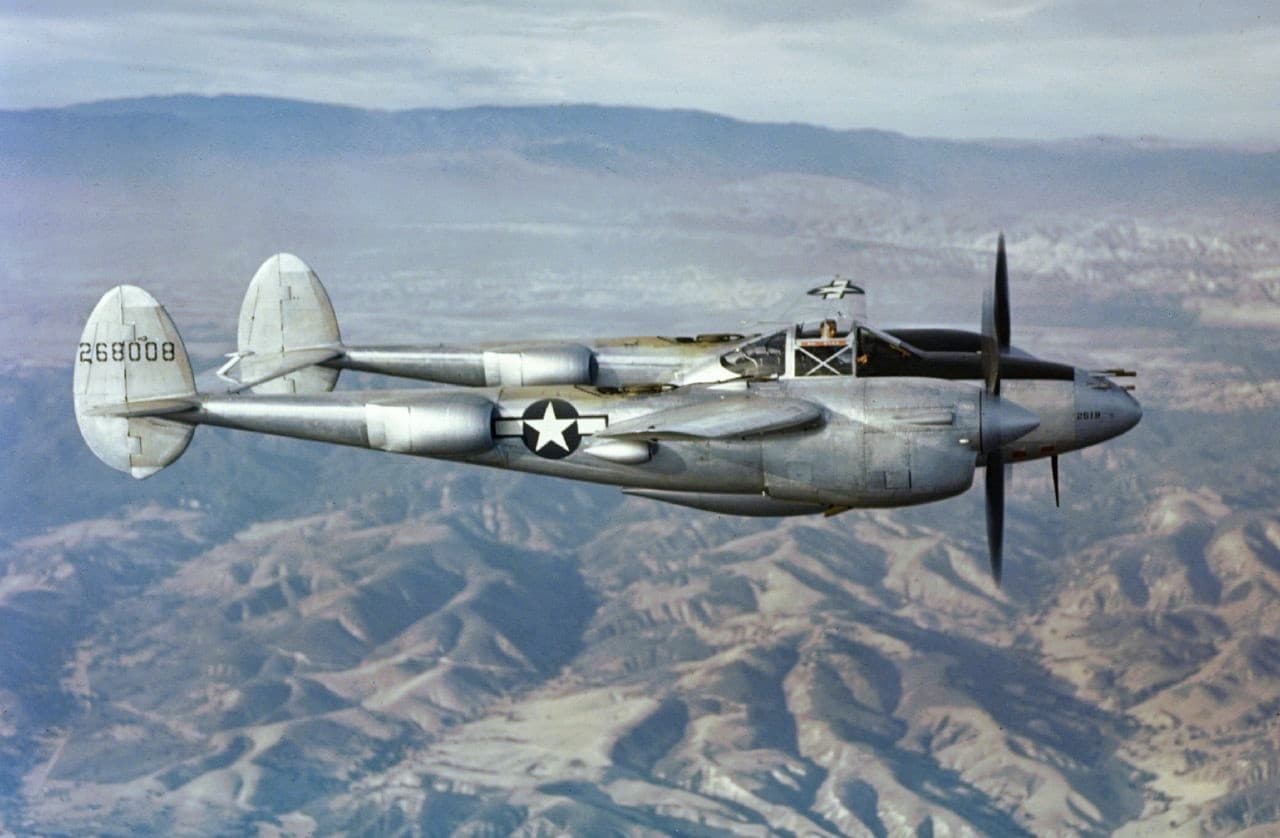
The Luftwaffe called it der Gabelschwanz-Teufel, the Fork-Tailed Devil. The P-38 Lightning was one of the most distinctive and versatile fighters of World War II, with a radical twin-boom design that gave it range, speed, and firepower no single-engine fighter could match. America's two highest-scoring aces both flew it in the Pacific, and it carried out the war's most famous aerial assassination.