


23 Military Rules That Exist Only Because Something Went Wrong Once
Every regulation has a backstory. These 23 rules trace directly to specific incidents.
ryan-caldwell··24 min read
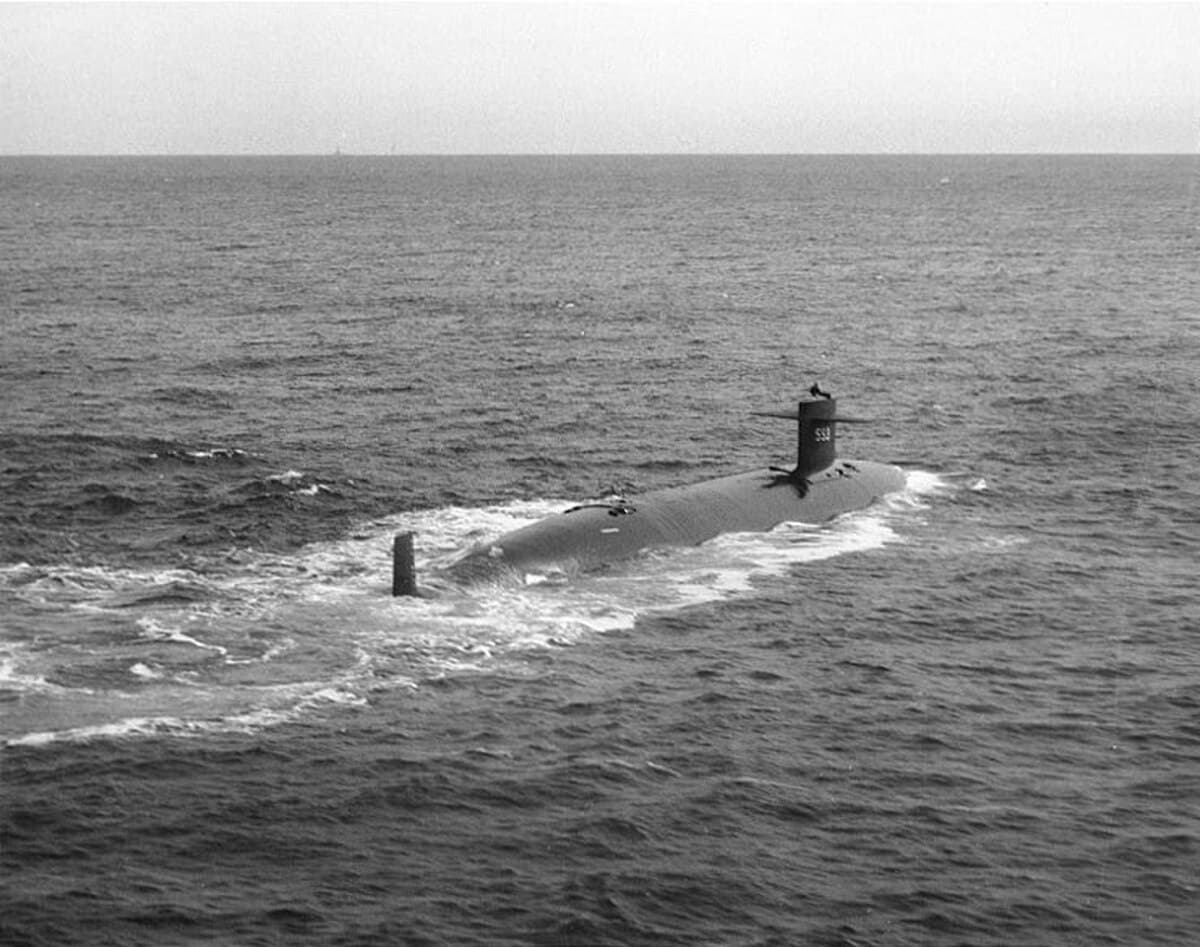
The nuclear-powered submarine USS Thresher sank during deep-diving tests 220 miles east of Cape Cod, killing all 129 crew and shipyard personnel aboard. A leak in a silver-brazed pipe joint caused cascading system failures. The disaster led to the creation of the SUBSAFE program, the most rigorous submarine safety protocol in history.
The Duke of Wellington's Anglo-Allied army attacked Marshal Soult's French defenders at Toulouse in one of the final battles of the Napoleonic Wars. Tragically, news that Napoleon had abdicated four days earlier had not yet reached southern France.
Union forces began a 30-hour bombardment of Confederate-held Fort Pulaski using experimental rifled cannon at ranges thought impossible. The massive masonry walls were breached within hours, proving rifled artillery had made all existing coastal fortifications obsolete.
Captain Bernard Warburton-Lee's five Royal Navy H-class destroyers forced their way up Ofotfjord in heavy snow and attacked the ten Kriegsmarine destroyers that had landed troops at Narvik the previous day. The raid sank two German destroyers and crippled others but cost Warburton-Lee his ship and his life, winning him the war's first Victoria Cross.
President Roosevelt declared Greenland part of the Western Hemisphere under the Monroe Doctrine. American troops and Coast Guard deployed to establish bases and patrol against German U-boats, months before Pearl Harbor brought the U.S. into the war.
The 3rd Ukrainian Front under General Rodion Malinovsky captured the Black Sea port of Odessa from German and Romanian occupiers, completing an advance of more than 200 miles in three weeks. The fall of Odessa secured Soviet control of the northwestern Black Sea littoral and trapped German forces in Crimea.
Patton's Third Army advanced toward the Buchenwald concentration camp near Weimar, Germany. SS guards began evacuating prisoners on forced death marches. The camp would be liberated the following day.
The U.S. Ninth Army's 84th Infantry Division captured the German industrial city of Hanover after a two-day urban assault that included house-to-house fighting through heavily damaged neighborhoods. The fall of the city cut off major rail and highway arteries leading north to Bremen and Hamburg and accelerated the collapse of Army Group H.
The nuclear submarine USS Thresher sank during deep-diving tests, killing all 129 aboard. The disaster led to the SUBSAFE program that has prevented any further losses.
Related articleThe United States, Soviet Union, and United Kingdom simultaneously signed the Biological Weapons Convention, the first multilateral treaty to ban an entire category of weapons of mass destruction.
North Vietnamese forces encircled the South Vietnamese provincial capital of An Loc, 60 miles north of Saigon, opening a 66-day siege that featured mass PAVN armor assaults repulsed by ARVN infantry with American TOW missiles delivered by UH-1 Huey helicopters. The defense of An Loc prevented a PAVN breakthrough to Saigon during the Easter Offensive.
A Polish Air Force Tu-154M carrying President Lech Kaczynski and most of Poland's senior military and political leadership crashed on approach to Smolensk-North in Russia, killing all 96 aboard. The delegation had been traveling to a Katyn massacre commemoration, and the loss included the Chief of the General Staff and the commanders of every service branch.

Commodore, U.S. Navy
Opened Japan to Western trade through the Convention of Kanagawa in 1854, ending over 200 years of Japanese isolation. Known as "The Father of the Steam Navy," he championed the modernization from sail to steam power.

Major General, U.S. Army
Union general who fought at Fort Donelson, Shiloh, and the Battle of Monocacy, where his delaying action likely saved Washington, D.C. He served on the Lincoln assassination tribunal and wrote the novel Ben-Hur.
Wear the Timeline
11 military events occurred on April 10, spanning multiple centuries. Key events include: Loss of USS Thresher (1963), Siege of Fort Pulaski: Rifled Artillery Revolution (1862).
The most significant military event on April 10 is Loss of USS Thresher (1963). The nuclear-powered submarine USS Thresher sank during deep-diving tests 220 miles east of Cape Cod, killing all 129 crew and shipyard personnel aboard. A leak in a silver-brazed pipe joint caused cascading system failures. The disaster led to the creation of the SUBSAFE program, the most rigorous submarine safety protocol in history.
Notable military figures born on April 10 include Matthew C. Perry (1794–1858), Lew Wallace (1827–1905).
Events on April 10 span the Cold War, the Civil War, the Colonial & Revolutionary era, World War II, the Modern Era, the Vietnam War, covering 11 events across 3 centuries of military history.
Events on April 10 involve 4 branches of the U.S. and allied armed forces, reflecting the global scope of military operations throughout history.
Explore military history from the day you were born.
June 6
The Allied invasion of Normandy, the largest amphibious assault in history.
December 7
Japan attacks the U.S. Pacific Fleet, bringing America into World War II.
September 11
The deadliest terrorist attack in history transforms U.S. national security.
August 6
The first atomic bomb is dropped on a city, ushering in the nuclear age.
May 8
Nazi Germany surrenders unconditionally, ending World War II in Europe.
November 11
Armistice Day marks the end of World War I and honors all who served.
June 4
The turning point of the Pacific War as the U.S. Navy destroys four Japanese carriers.
July 4
The Declaration of Independence is adopted, sparking the American Revolution.
Every regulation has a backstory. These 23 rules trace directly to specific incidents.
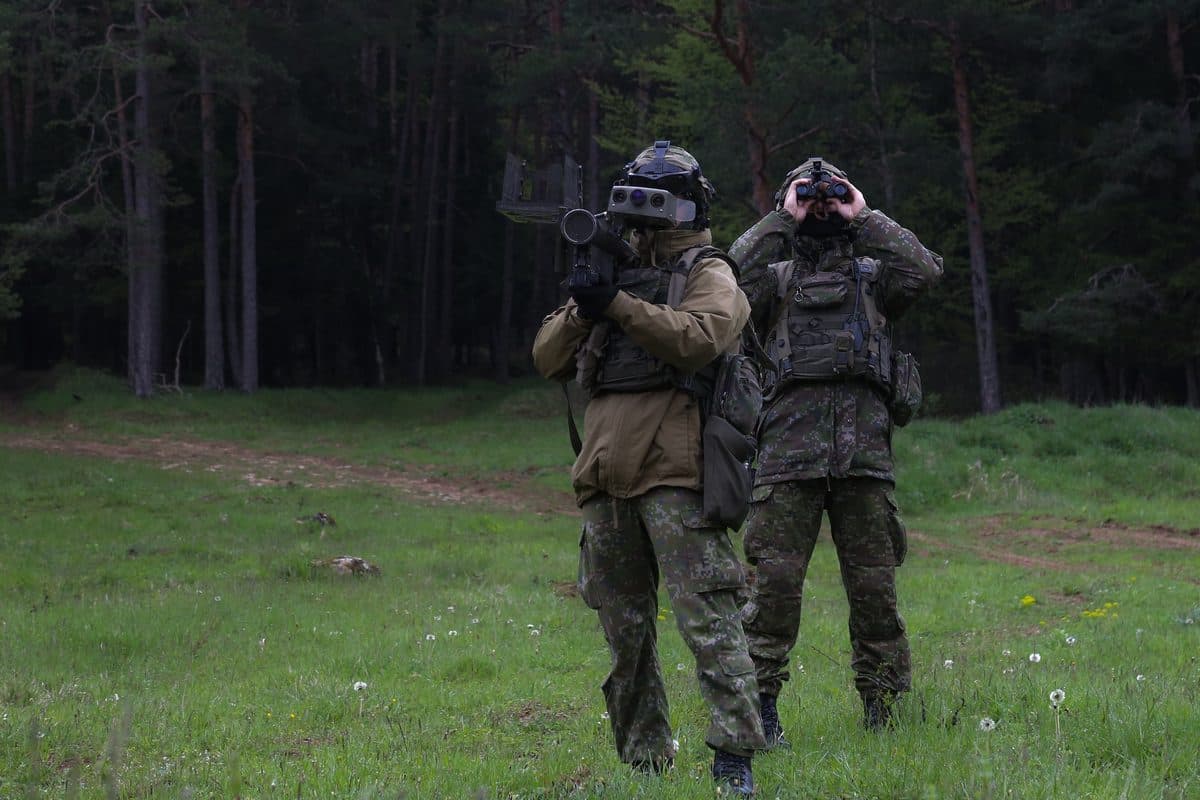
The FIM-92 Stinger helped win the Cold War by turning Afghan mujahideen into a credible anti-aircraft threat. By 2023, the United States almost ran out of them, because Raytheon stopped making them for 13 years, and the first 10 months of Ukraine support burned through the remaining stockpile.
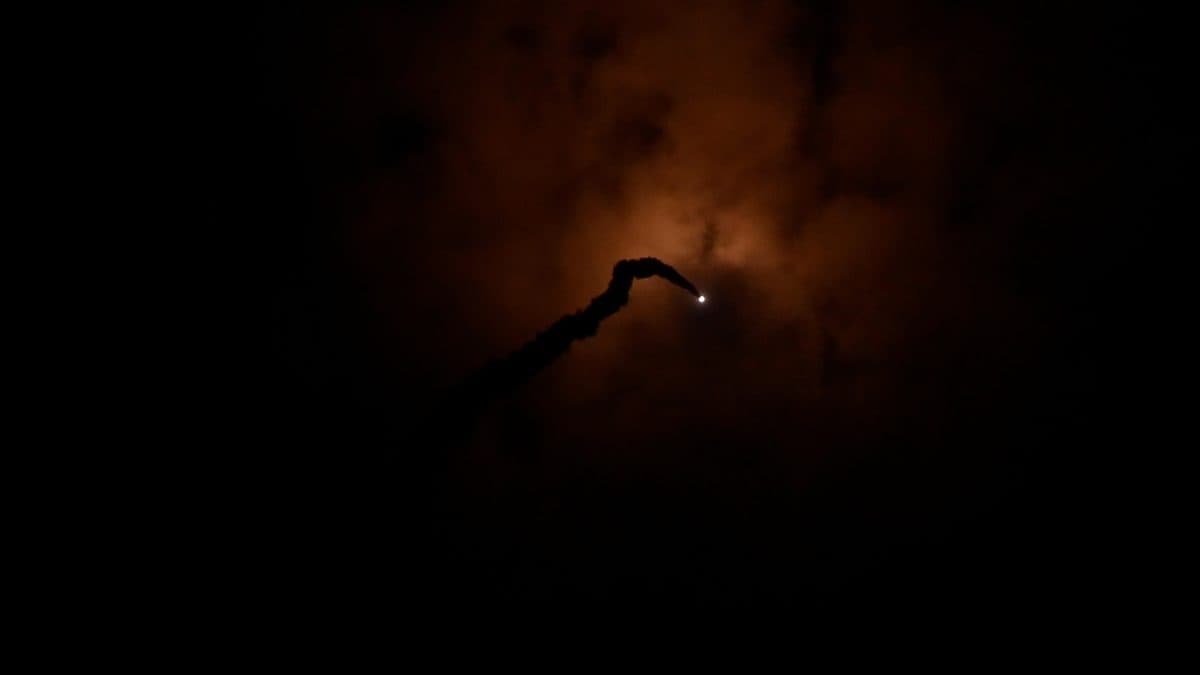
These weapons were built to fight a war that everyone prayed would never happen. The Minuteman III has been on alert since 1970. The Typhoon-class carried enough nuclear warheads to destroy a continent. The Davy Crockett could be fired by three soldiers. Most of them have been waiting for 40 years. Here are 10 Cold War weapons built exclusively for World War III.
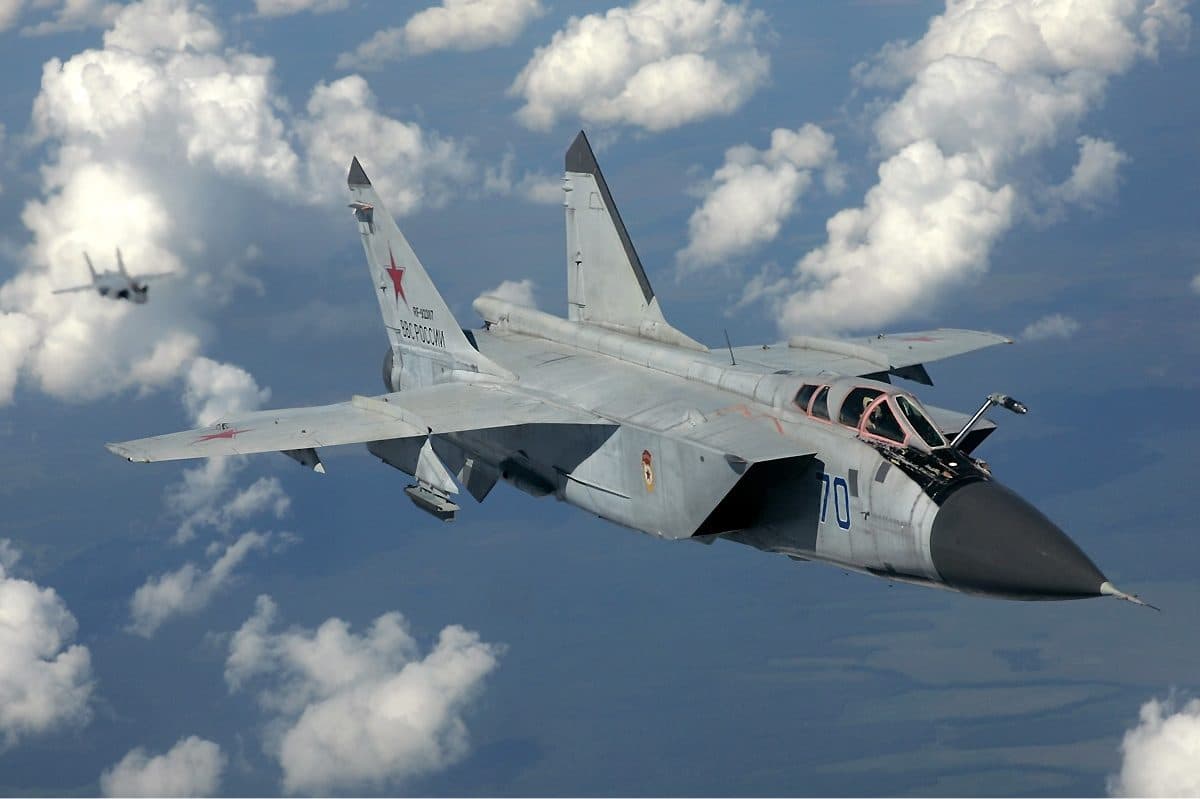
The MiG-31 was designed to catch the SR-71 Blackbird. It is still the fastest fighter in any air force. The Foxhound's Zaslon phased-array radar, the first ever installed in a fighter, can track 10 targets and engage 4 simultaneously at ranges exceeding 200 miles. Here is why Russia still flies a 1980s interceptor, and why the MiG-31BM carrying a Kinzhal hypersonic missile has changed what the aircraft means to modern warfare.