

15 Best World War II Books for History Enthusiasts (2026)
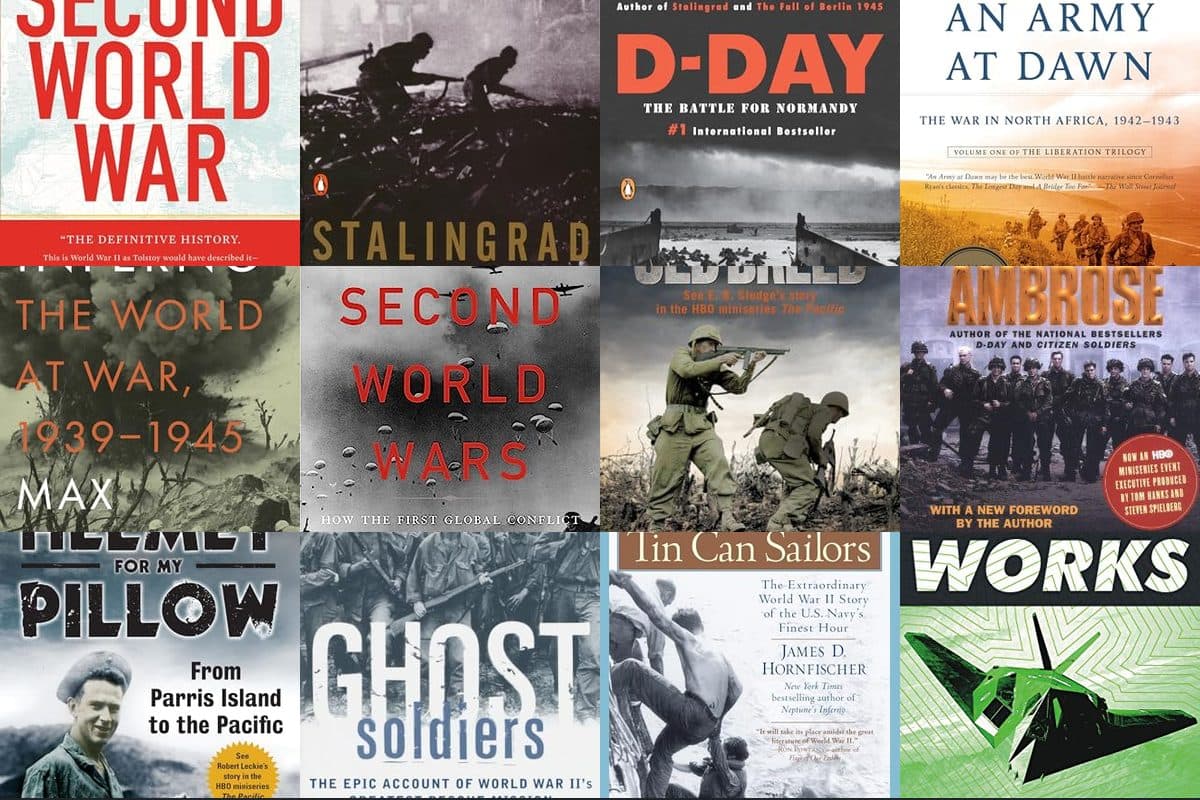
15 essential WW2 books covering every theater. Narrative histories, memoirs, and visual references ranked.
daniel-mercer··21 min read
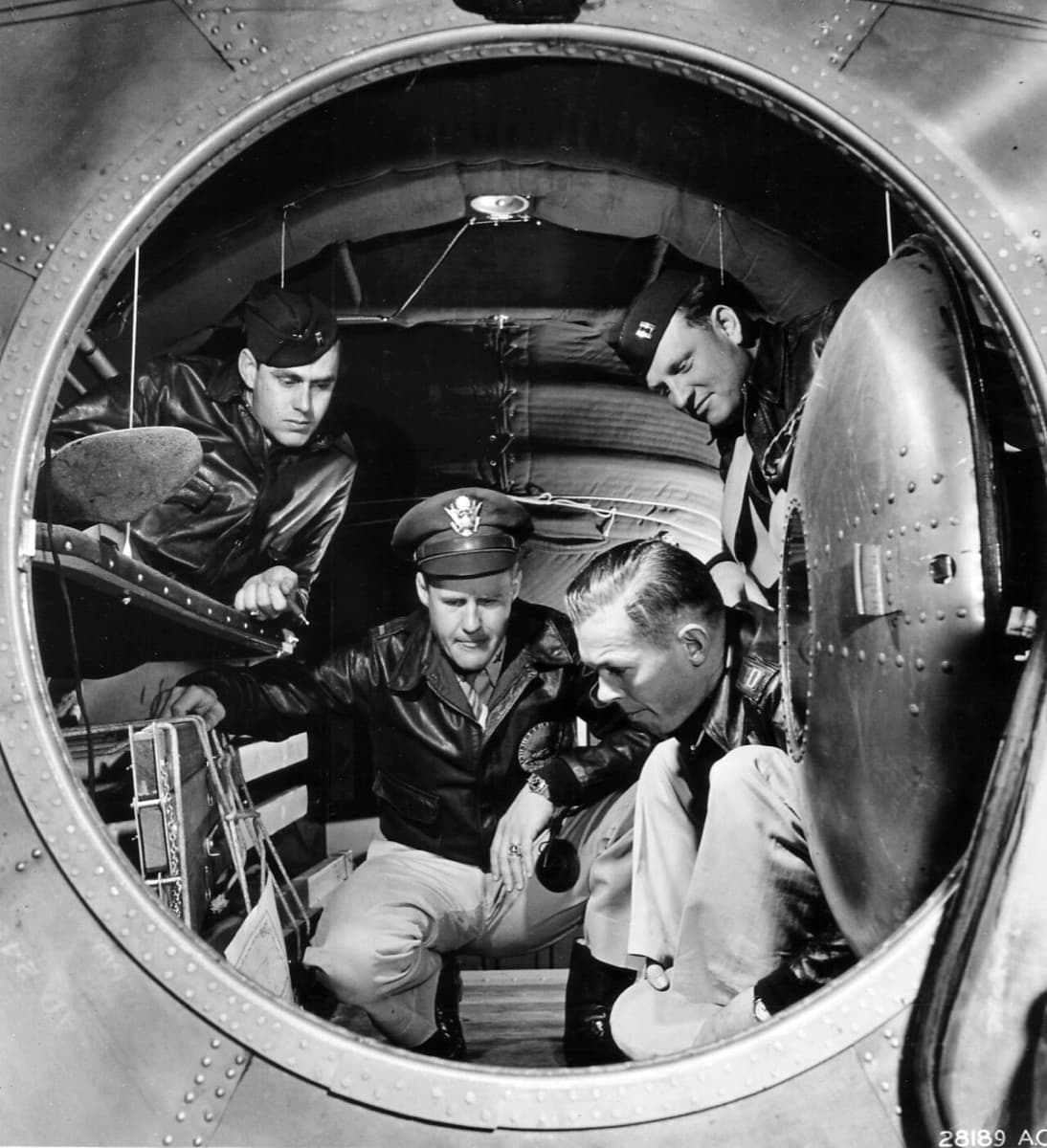
Sixty-eight B-29 Superfortresses of the 20th Bomber Command flew from bases in China to attack the Imperial Iron and Steel Works at Yawata on the island of Kyushu, marking the first American bombing raid on the Japanese home islands since the Doolittle Raid.
King John of England sealed the Magna Carta at Runnymede, establishing the principle that even the king was subject to law. This foundational document influenced the military oath of allegiance to the Constitution rather than to a ruler.
The Continental Congress unanimously appointed George Washington as Commander-in-Chief of the Continental Army, one day after the Army's creation.
The United States and Britain signed the Oregon Treaty, establishing the 49th parallel as the border between the US and Canada, peacefully resolving a dispute that had threatened war.
B-29 Superfortresses bombed the Japanese home islands for the first time since the Doolittle Raid, opening the strategic air campaign against Japan.
US Marines and Army troops landed on Saipan in the Mariana Islands, beginning a bloody three-week battle that would provide the air bases from which B-29s would bomb the Japanese home islands.
U.S. Marines and Army infantry of the 77th Division began amphibious landings on Saipan in the Mariana Islands, opening the campaign that would put the Japanese home islands within B-29 bomber range. The 23-day battle produced 16,500 American casualties and 30,000 Japanese dead.
The Soviet Soyuz 9 crew returned to Earth after setting a then-record 17-day 16-hour space endurance flight. The mission's biomedical data on prolonged microgravity shaped Soviet long-duration spaceflight protocols used through the Salyut program and informed Space Shuttle crew health monitoring in the 1980s.
Oregon's pioneering bottle deposit law, enacted in 1971 and expanded on June 15, 1977, influenced federal environmental policy including Department of Defense base-level recycling programs. The framework shaped military installation waste management that now processes more than 3 million tons of recyclable material annually across DoD facilities.
The massive eruption of Mount Pinatubo in the Philippines buried Clark Air Base under volcanic ash, forcing the evacuation of thousands of military personnel and effectively ending the American military presence in the Philippines.
China, Russia, Kazakhstan, Kyrgyzstan, Tajikistan, and Uzbekistan formally established the Shanghai Cooperation Organization (SCO) at a summit in Shanghai. The organization's counter-terrorism and joint military exercise components have shaped Central Asian security architecture and U.S. operational access in the region for over two decades.

German-American psychologist whose work on identity development and PTSD profoundly influenced military psychology and the treatment of combat veterans.

Chinese film director who served during the Chinese Civil War and whose war films shaped Chinese public understanding of the revolution and resistance against Japan.

The 11th President who led the nation during the Mexican-American War, acquiring California, New Mexico, and the American Southwest, vastly expanding US territory.
Wear the Timeline
10 military events occurred on June 15, spanning multiple centuries. Key events include: First B-29 Raid on Japan (1944), Magna Carta Sealed (1215), George Washington Appointed Commander-in-Chief (1775), Battle of Saipan Begins (1944), U.S. Army 77th Division Lands on Saipan (1944).
The most significant military event on June 15 is First B-29 Raid on the Japanese Home Islands (1944). Sixty-eight B-29 Superfortresses of the 20th Bomber Command flew from bases in China to attack the Imperial Iron and Steel Works at Yawata on the island of Kyushu, marking the first American bombing raid on the Japanese home islands since the Doolittle Raid.
Notable military figures born on June 15 include Erik Erikson (1902–present), Xie Jin (1923–present).
Events on June 15 span World War II, the Colonial & Revolutionary era, the Civil War, the Modern Era, the Cold War, covering 10 events across 5 centuries of military history.
Events on June 15 involve 7 branches of the U.S. and allied armed forces, reflecting the global scope of military operations throughout history.
Explore military history from the day you were born.
June 6
The Allied invasion of Normandy, the largest amphibious assault in history.
December 7
Japan attacks the U.S. Pacific Fleet, bringing America into World War II.
September 11
The deadliest terrorist attack in history transforms U.S. national security.
August 6
The first atomic bomb is dropped on a city, ushering in the nuclear age.
May 8
Nazi Germany surrenders unconditionally, ending World War II in Europe.
November 11
Armistice Day marks the end of World War I and honors all who served.
June 4
The turning point of the Pacific War as the U.S. Navy destroys four Japanese carriers.
July 4
The Declaration of Independence is adopted, sparking the American Revolution.
15 essential WW2 books covering every theater. Narrative histories, memoirs, and visual references ranked.
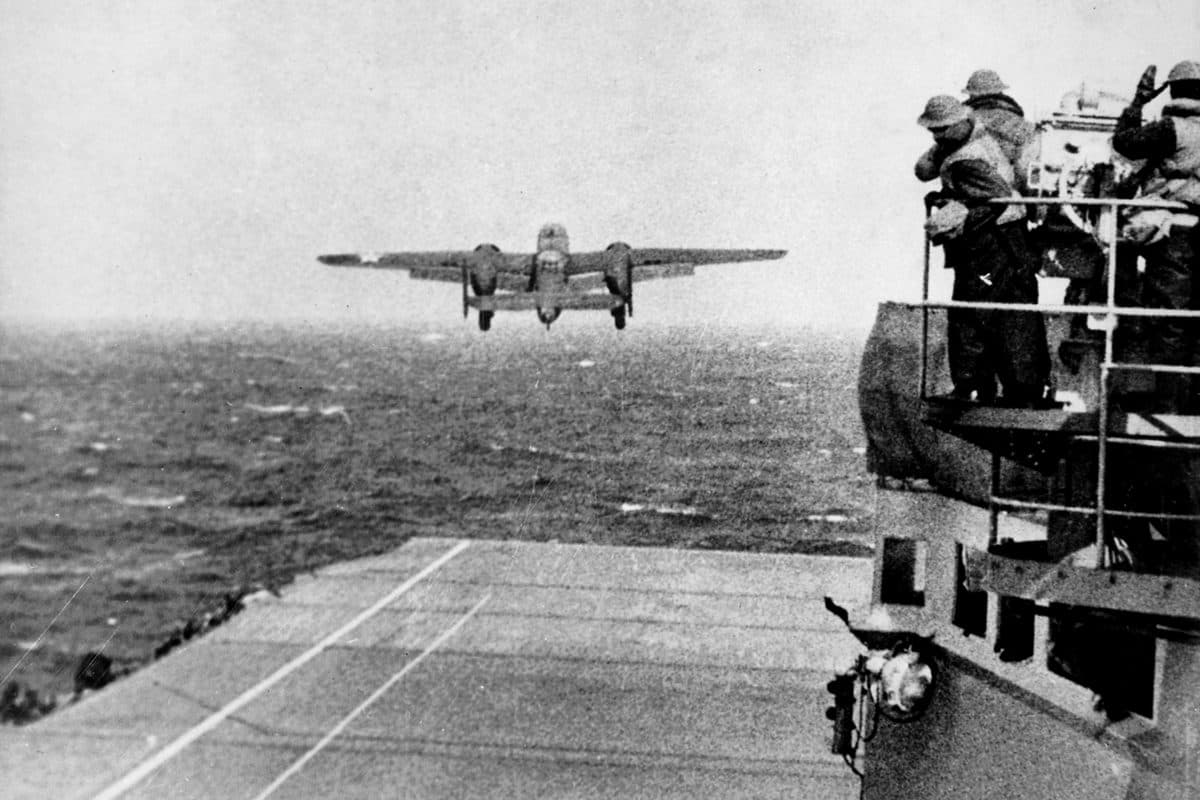
On April 18, 1942, sixteen B-25 Mitchell bombers did something no one thought possible: they launched from the deck of an aircraft carrier, flew 650 miles to Japan, and bombed Tokyo. Every aircraft was lost. The damage was negligible. The consequences changed the war.
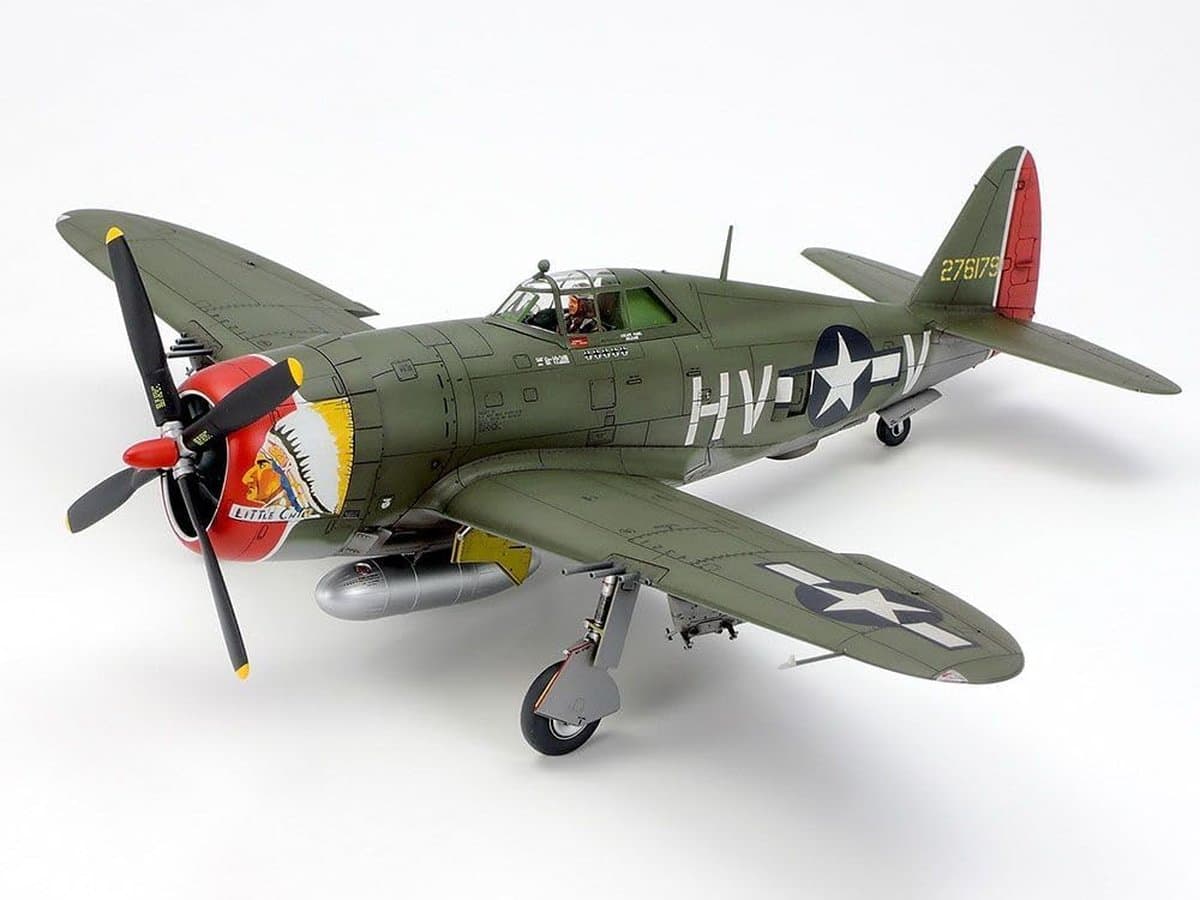
Compare 85+ WW2 scale model kits across aircraft, tanks, and ships. Beginner builds from $9 to museum-grade showpieces at $580. Covers Tamiya, Eduard, HK Models, Trumpeter, and more with honest reviews, trade-offs, and pricing.

On April 7, 1945, the Imperial Japanese Navy sent the largest battleship ever built on a one-way suicide mission to Okinawa. She never arrived. 386 American aircraft found her first, and sank her in under two hours.