


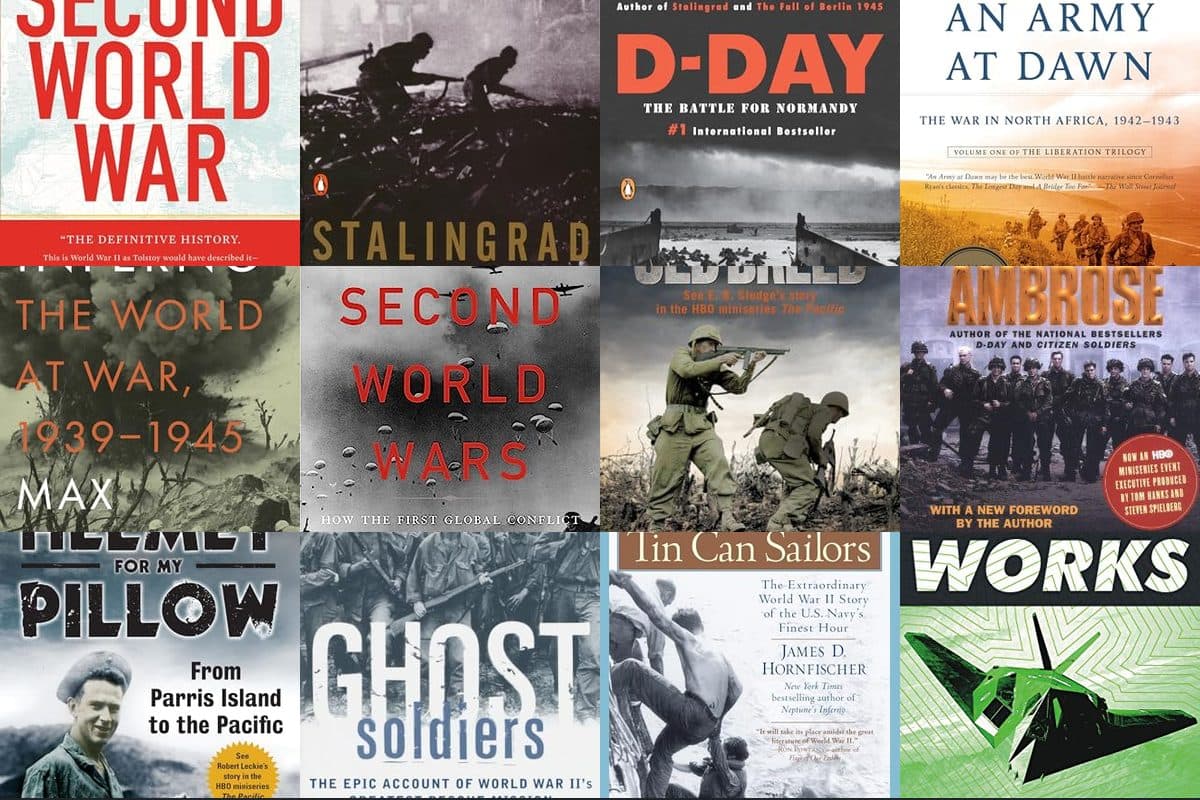
15 Best World War II Books for History Enthusiasts (2026)
15 essential WW2 books covering every theater. Narrative histories, memoirs, and visual references ranked.
daniel-mercer··21 min read
The Continental Congress authorized the creation of the Continental Army, appointing George Washington as Commander-in-Chief the following day. This act established the military force that would win American independence and evolve into the United States Army.
The Continental Congress established the Continental Army, the direct ancestor of today's US Army.
The Continental Congress passed the Flag Resolution, establishing the Stars and Stripes as the national flag of the United States. June 14 is celebrated as Flag Day in the United States.
German troops marched into Paris unopposed after France declared the capital an open city. The Wehrmacht paraded down the Champs-Élysées, and the swastika was raised over the Arc de Triomphe.
Germany conducted the first test launch of the A-4 rocket (later designated V-2) at Peenemünde, though it failed. The V-2 would become the world's first ballistic missile and the ancestor of all modern rockets.
Remington Rand delivered the first UNIVAC I computer to the U.S. Census Bureau, the first commercially produced electronic digital computer in the United States. Military variants powered atomic weapons calculations at the Atomic Energy Commission and ballistic computations at the Army Ballistic Research Laboratory through the 1950s.
Electric Boat Company at Groton, Connecticut, laid the keel of USS Nautilus (SSN-571), the world's first nuclear-powered submarine. Her design and reactor development, led by Captain Hyman Rickover, established the industrial and propulsion base that has powered every U.S. submarine and aircraft carrier since.
Argentine forces on the Falkland Islands surrendered to British forces, ending the 74-day Falklands War. Over 11,000 Argentine troops laid down their arms in Port Stanley.
British 2nd Battalion, The Parachute Regiment (2 Para) captured Goose Green settlement after a 36-hour battle that killed Colonel H. Jones and 17 other British soldiers. The victory over a numerically superior Argentine garrison demonstrated British infantry capability and shaped the tactical tempo of subsequent Falklands operations.
The 17-day TWA Flight 847 hijacking ended with the release of the remaining 39 American hostages in Beirut. The crisis reshaped U.S. counterterrorism doctrine, prompted the establishment of dedicated hostage-rescue capability at Joint Special Operations Command, and drove FAA security upgrades across commercial aviation.
A gunman opened fire on Republican members of Congress practicing for a charity baseball game in Alexandria, Virginia, critically wounding House Majority Whip Steve Scalise before being shot by Capitol Police.

Argentine-born revolutionary who became Fidel Castro's chief military strategist during the Cuban Revolution and later led guerrilla campaigns across Latin America and Africa.

Author of Uncle Tom's Cabin, the anti-slavery novel that Lincoln allegedly called "the little woman who wrote the book that started this great war."

Confederate lieutenant general and Episcopal bishop who was killed by a Union artillery shell at Pine Mountain, Georgia, during the Atlanta Campaign.
Wear the Timeline
10 military events occurred on June 14, spanning multiple centuries. Key events include: The United States Army Is Born (1775), Germans Enter Paris (1940), Argentine Forces Surrender in the Falklands (1982), USS Nautilus Keel Laid at Electric Boat (1952).
The most significant military event on June 14 is The United States Army Is Born (1775). The Continental Congress authorized the creation of the Continental Army, appointing George Washington as Commander-in-Chief the following day. This act established the military force that would win American independence and evolve into the United States Army.
Notable military figures born on June 14 include Che Guevara (1928–present), Harriet Beecher Stowe (1811–present).
Events on June 14 span the Colonial & Revolutionary era, World War II, the Cold War, the Modern Era, covering 10 events across 3 centuries of military history.
Events on June 14 involve 4 branches of the U.S. and allied armed forces, reflecting the global scope of military operations throughout history.
Explore military history from the day you were born.
June 6
The Allied invasion of Normandy, the largest amphibious assault in history.
December 7
Japan attacks the U.S. Pacific Fleet, bringing America into World War II.
September 11
The deadliest terrorist attack in history transforms U.S. national security.
August 6
The first atomic bomb is dropped on a city, ushering in the nuclear age.
May 8
Nazi Germany surrenders unconditionally, ending World War II in Europe.
November 11
Armistice Day marks the end of World War I and honors all who served.
June 4
The turning point of the Pacific War as the U.S. Navy destroys four Japanese carriers.
July 4
The Declaration of Independence is adopted, sparking the American Revolution.
15 essential WW2 books covering every theater. Narrative histories, memoirs, and visual references ranked.
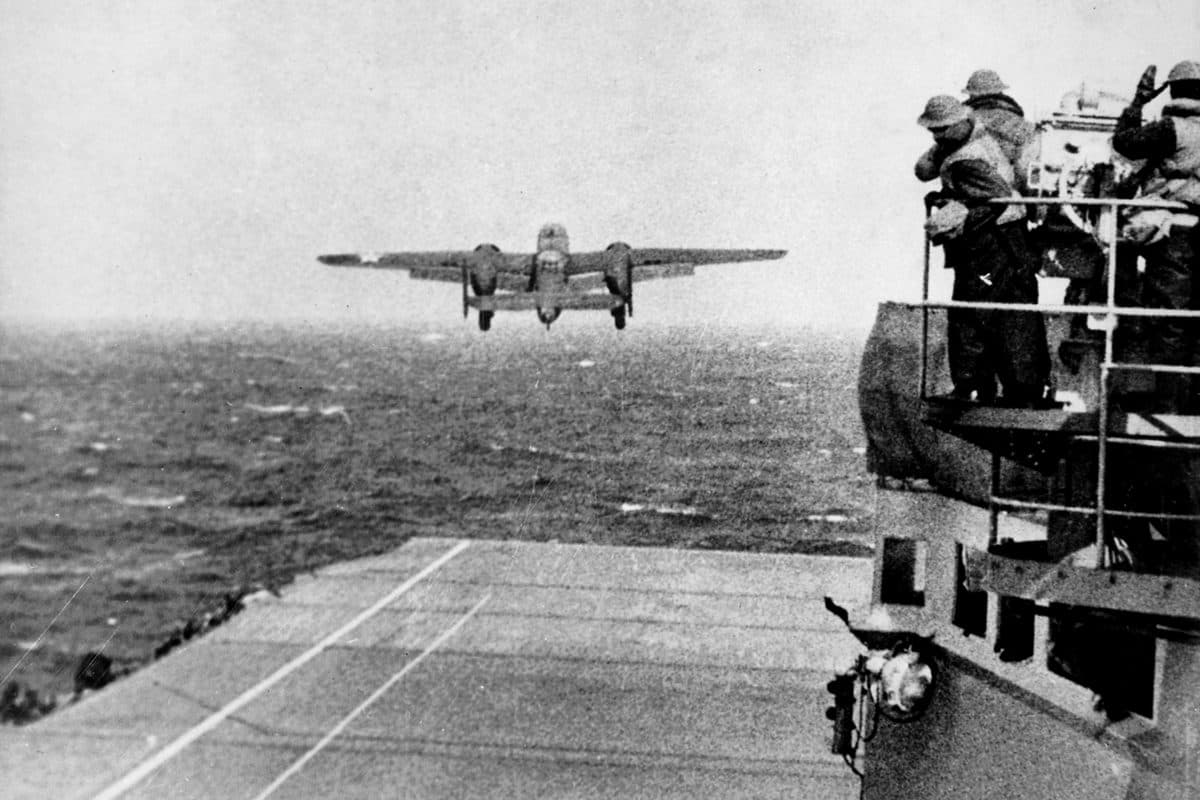
On April 18, 1942, sixteen B-25 Mitchell bombers did something no one thought possible: they launched from the deck of an aircraft carrier, flew 650 miles to Japan, and bombed Tokyo. Every aircraft was lost. The damage was negligible. The consequences changed the war.
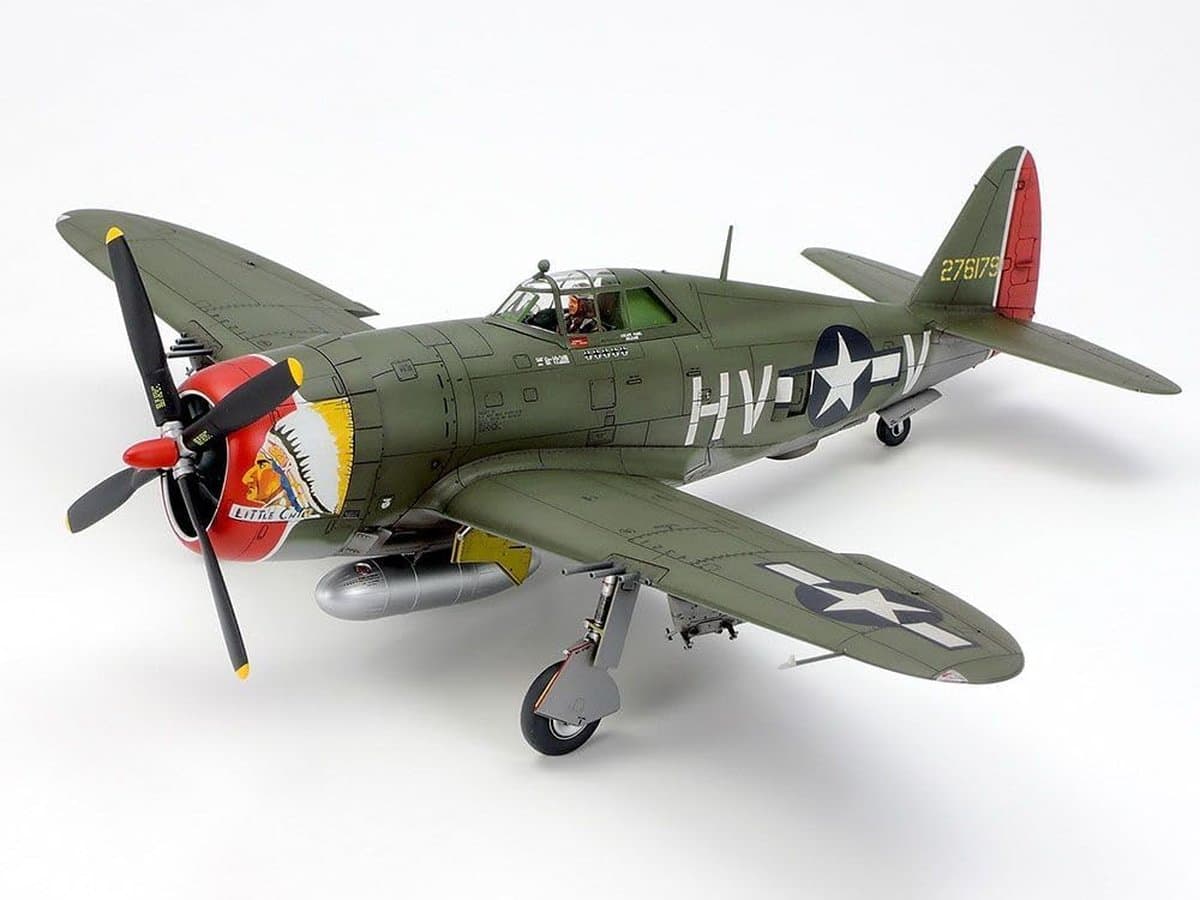
Compare 85+ WW2 scale model kits across aircraft, tanks, and ships. Beginner builds from $9 to museum-grade showpieces at $580. Covers Tamiya, Eduard, HK Models, Trumpeter, and more with honest reviews, trade-offs, and pricing.

On April 7, 1945, the Imperial Japanese Navy sent the largest battleship ever built on a one-way suicide mission to Okinawa. She never arrived. 386 American aircraft found her first, and sank her in under two hours.