

15 Best World War II Books for History Enthusiasts (2026)
15 essential WW2 books covering every theater. Narrative histories, memoirs, and visual references ranked.
daniel-mercer··21 min read
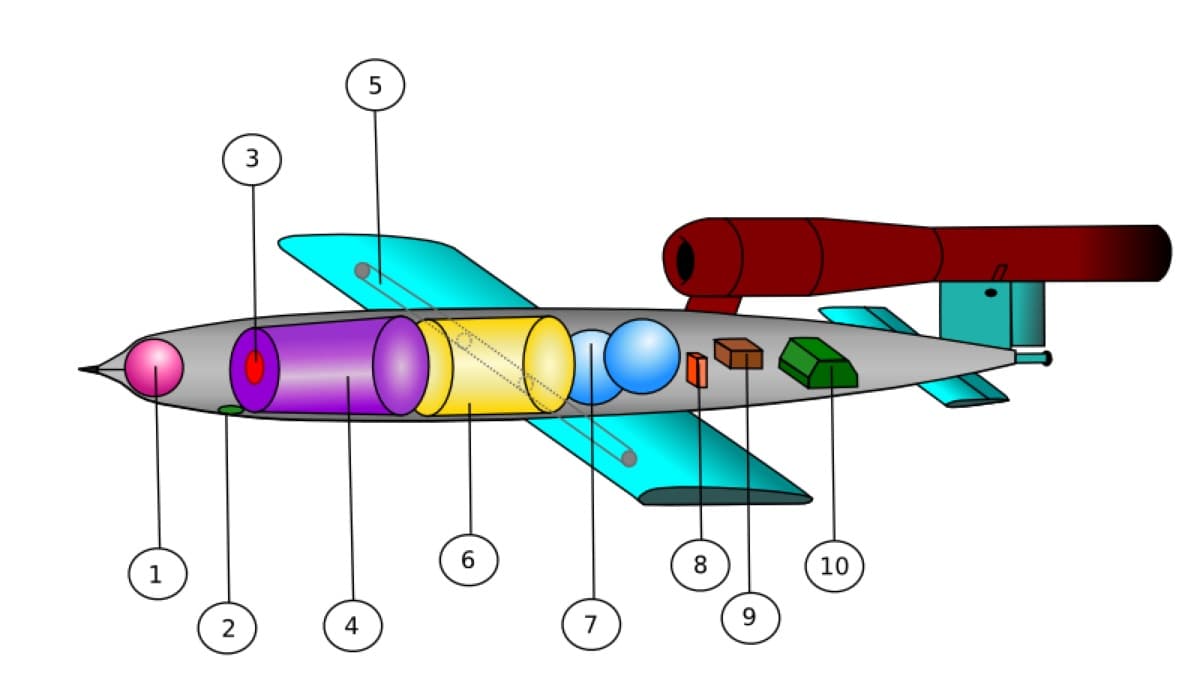
Germany launched the first V-1 flying bombs against London, beginning a terror campaign that killed over 6,000 civilians and marked the dawn of the cruise missile age. The unmanned, jet-propelled bombs were the world's first operational cruise missiles.
Confederate cavalry commander J.E.B. Stuart began his famous ride around the entire Union Army of the Potomac during the Peninsula Campaign, providing Lee with crucial intelligence and humiliating McClellan.
German Gotha bombers attacked London in daylight, killing 162 people including 18 children at a school in Poplar. The raid caused mass panic and forced the diversion of fighter squadrons from France.
The French government declared Paris an open city to prevent its destruction, and German forces entered the French capital on June 14 without resistance, ending the Third Republic.
President Roosevelt established the Office of Strategic Services under William "Wild Bill" Donovan, creating America's first centralized intelligence agency and the direct predecessor of the CIA.
Germany launched the first V-1 cruise missiles against London, killing over 6,000 civilians in a campaign that marked the dawn of the missile age.
The New York Times began publishing the Pentagon Papers, a classified Defense Department study of U.S. decision-making in Vietnam from 1945 to 1968. The disclosures and the ensuing Supreme Court case reshaped U.S. military classification policy, journalist-source protections, and civil-military transparency norms.
NASA's Pioneer 10 crossed the orbit of Neptune, becoming the first human-made object to pass the orbit of the outermost planet (Neptune then being farther from the sun than Pluto). The spacecraft's survival in deep space validated the radiation-hardened electronics and nuclear power systems now standard on U.S. military deep-space and GPS platforms.
The British government formally cancelled the RAF Nimrod AEW.3 airborne early warning program after nearly a decade of development and 1 billion pounds of expenditure. The cancellation led to the purchase of Boeing E-3 Sentry AWACS aircraft and reshaped UK airborne radar procurement for decades.
While not a military event, the media circus surrounding the Jackson trial diverted public attention from ongoing military operations in Iraq and Afghanistan during a critical period of the insurgency.
The aircraft carrier USS Gerald R. Ford (CVN-78) completed its Post-Shakedown Availability at Newport News Shipbuilding, a 15-month yard period that addressed Advanced Weapons Elevator problems, EMALS catapult reliability issues, and AAG arresting gear deficiencies identified during initial sea trials.

One of America's greatest generals who served from the War of 1812 through the Civil War, conquered Mexico City, and developed the Anaconda Plan that shaped Union strategy.

Irish poet whose verse captured the Easter Rising, the Irish War of Independence, and the Irish Civil War, including his famous lines: "A terrible beauty is born."

The Macedonian king who conquered the largest empire the ancient world had seen, stretching from Greece to India, died in Babylon at age 32 under mysterious circumstances.
Wear the Timeline
10 military events occurred on June 13, spanning multiple centuries. Key events include: First V-1 Flying Bomb Strikes England (1944), Stuart's Ride Around McClellan (1862), Paris Declared an Open City (1940), OSS Established (1942), Pentagon Papers Published by The New York Times (1971).
The most significant military event on June 13 is First V-1 Flying Bomb Strikes England (1944). Germany launched the first V-1 flying bombs against London, beginning a terror campaign that killed over 6,000 civilians and marked the dawn of the cruise missile age. The unmanned, jet-propelled bombs were the world's first operational cruise missiles.
Notable military figures born on June 13 include Winfield Scott (1786–present), William Butler Yeats (1865–present).
Events on June 13 span World War II, the Civil War, World War I, the Modern Era, the Cold War, covering 10 events across 3 centuries of military history.
Events on June 13 involve 4 branches of the U.S. and allied armed forces, reflecting the global scope of military operations throughout history.
Explore military history from the day you were born.
June 6
The Allied invasion of Normandy, the largest amphibious assault in history.
December 7
Japan attacks the U.S. Pacific Fleet, bringing America into World War II.
September 11
The deadliest terrorist attack in history transforms U.S. national security.
August 6
The first atomic bomb is dropped on a city, ushering in the nuclear age.
May 8
Nazi Germany surrenders unconditionally, ending World War II in Europe.
November 11
Armistice Day marks the end of World War I and honors all who served.
June 4
The turning point of the Pacific War as the U.S. Navy destroys four Japanese carriers.
July 4
The Declaration of Independence is adopted, sparking the American Revolution.
15 essential WW2 books covering every theater. Narrative histories, memoirs, and visual references ranked.
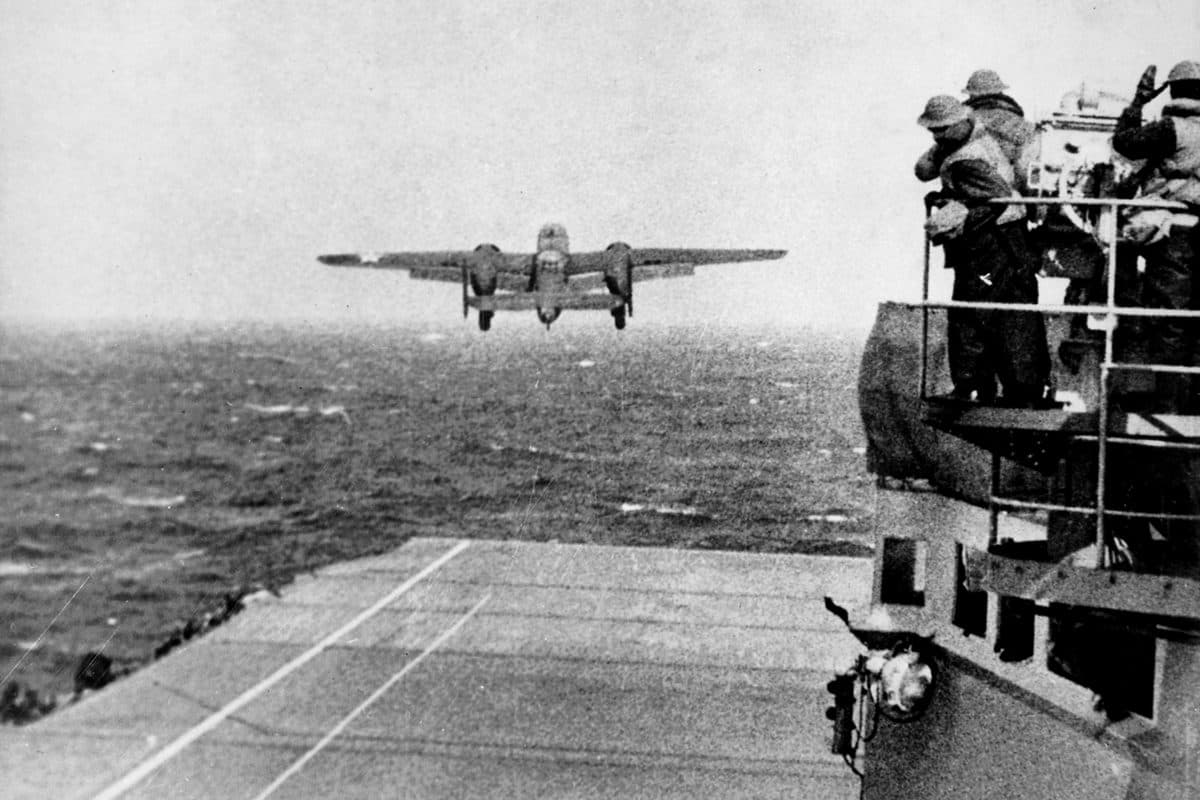
On April 18, 1942, sixteen B-25 Mitchell bombers did something no one thought possible: they launched from the deck of an aircraft carrier, flew 650 miles to Japan, and bombed Tokyo. Every aircraft was lost. The damage was negligible. The consequences changed the war.
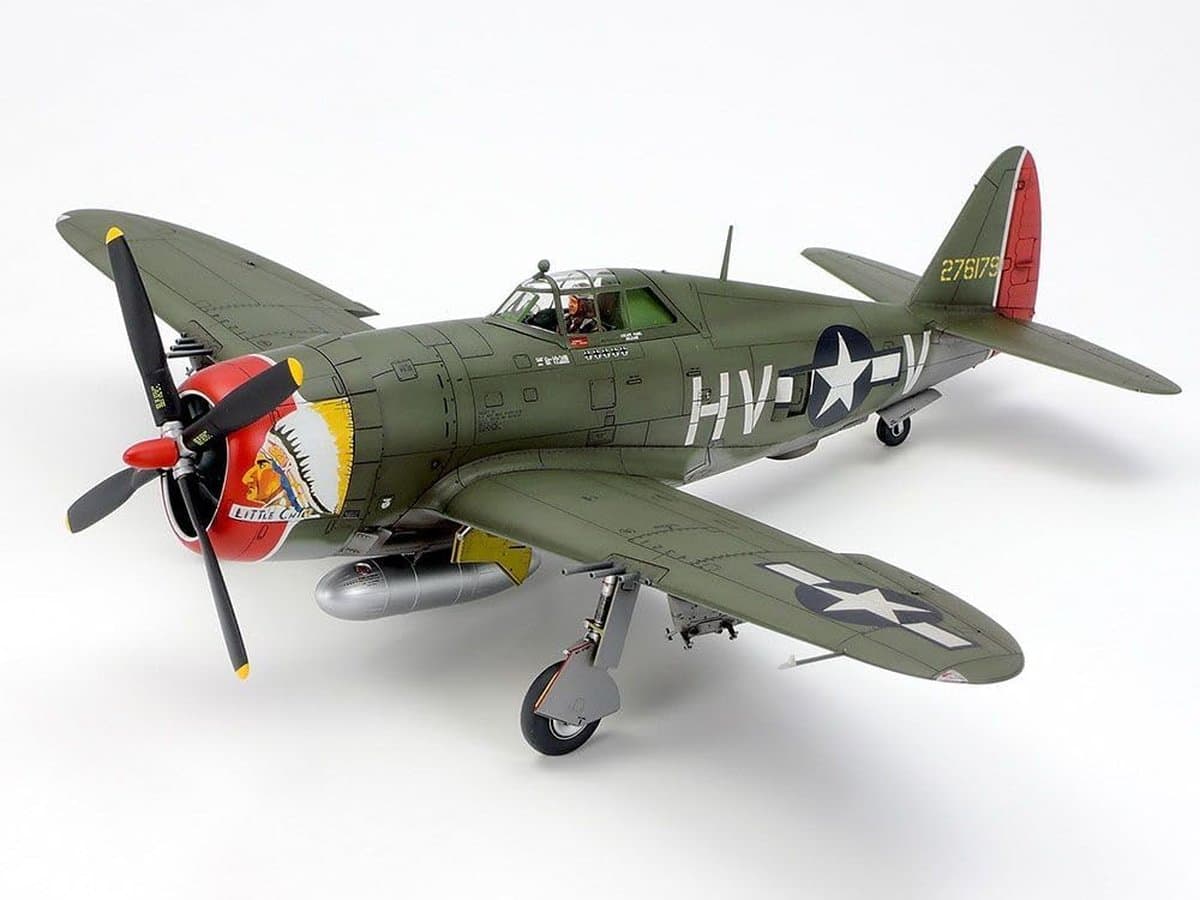
Compare 85+ WW2 scale model kits across aircraft, tanks, and ships. Beginner builds from $9 to museum-grade showpieces at $580. Covers Tamiya, Eduard, HK Models, Trumpeter, and more with honest reviews, trade-offs, and pricing.

On April 7, 1945, the Imperial Japanese Navy sent the largest battleship ever built on a one-way suicide mission to Okinawa. She never arrived. 386 American aircraft found her first, and sank her in under two hours.