


World World 2 Facts: Did You Know These 29 Interesting Details?
Calvin Graham Was Youngest Decorated US Soldier at 12 Pearl Harbor Visitors Bureau “Green Boys” was a term given to soldiers who…
daniel-mercer··27 min read

President Franklin D. Roosevelt, British Prime Minister Winston Churchill, and Soviet Premier Joseph Stalin met face-to-face for the first time at the Tehran Conference, code-named "Eureka." Over four days, the "Big Three" made the most consequential military decisions of World War II: committing to Operation Overlord (the cross-Channel invasion of France) for May 1944, securing Stalin's pledge to enter the Pacific War against Japan, and beginning the discussions that would shape the post-war world order.
Ferdinand Magellan's expedition completed the first passage through the treacherous strait at the southern tip of South America and entered the Pacific Ocean. The 38-day passage through the 373-mile strait was a monumental feat of navigation and seamanship. The discovery of a navigable route connecting the Atlantic and Pacific oceans fundamentally changed global maritime strategy and opened new theaters of naval conflict.
Union forces under General James G. Blunt defeated Confederate forces under General John Marmaduke at the Battle of Cane Hill in northwestern Arkansas. The engagement was part of the struggle for control of the Trans-Mississippi Theater and set the stage for the decisive Battle of Prairie Grove ten days later, which secured northwestern Arkansas for the Union.
Bulgarian forces under Prince Alexander of Battenberg completed a three-day defensive victory at Slivnitsa over invading Serbian forces. The engagement validated the new Bulgarian army created only seven years after independence and demonstrated how modern conscription, magazine rifles, and rail mobility could defeat a larger conventional force.
During the Second Boer War, a British column under Lord Methuen attacked Boer positions at the Modder River in South Africa. The Boers, using smokeless powder and entrenched positions along the riverbank, inflicted heavy casualties on the advancing British infantry with withering rifle fire before withdrawing. The battle demonstrated the lethal effectiveness of modern defensive firepower against conventional frontal assaults.
Ismail Qemali proclaimed Albanian independence at Vlora during the First Balkan War, establishing the modern Albanian state amid the final collapse of Ottoman rule in Europe. The declaration reshaped the strategic geography of the Adriatic and contributed to the tensions that produced World War I.
Roosevelt, Churchill, and Stalin met for the first time at Tehran, making the most consequential Allied decisions of World War II: committing to the D-Day invasion of France in 1944 and securing Stalin's pledge to enter the war against Japan.
100 Facts About World War IIThe SM-65 Atlas became the first operational intercontinental ballistic missile to complete a successful full-range flight, traveling 6,325 miles from Cape Canaveral to a target in the South Atlantic. The Atlas became the backbone of the early American nuclear deterrent and later served as a launch vehicle for the Mercury space program. Its successful test fundamentally shifted the Cold War strategic balance.
NASA launched Mariner 4 atop an Atlas-Agena D booster from Cape Kennedy, beginning the first successful mission to fly by Mars. The launch demonstrated deep-space guidance, telemetry, and thermal control technologies that flowed directly into American strategic missile reentry vehicle and reconnaissance satellite development during the Cold War.
Imperial Iranian marines landed on Greater Tunb, Lesser Tunb, and Abu Musa in the southern Persian Gulf, occupying the strategic islands one day before British withdrawal from the Trucial States. The seizure produced a brief firefight on Greater Tunb and left a territorial dispute with the United Arab Emirates unresolved to this day.

German philosopher, co-author of the Communist Manifesto, and serious military theorist who earned the nickname "The General" among his associates. Engels served as a volunteer fighter in the 1849 Baden-Palatinate uprising and wrote extensively on military affairs, including analyses of the Crimean War, the American Civil War, and the Franco-Prussian War. His military writings profoundly influenced Marxist theories of revolutionary warfare that shaped conflicts across the twentieth century.

Austrian writer whose memoir "The World of Yesterday" is one of the great literary accounts of World War I and the collapse of the European order. Zweig served in the Austrian military archive during the war, documenting the conflict that destroyed the Habsburg Empire he had known. His biographical works on military figures, including Napoleon, Mary Queen of Scots, and Magellan, explored the intersection of personality and military destiny. He fled the Nazis and died in exile in Brazil.

Prime Minister
Jordanian military officer and prime minister who was assassinated by Black September gunmen in the lobby of the Sheraton Hotel in Cairo on this date. A former officer in the Jordanian Arab Legion, al-Tal had directed the Jordanian military's crackdown on Palestinian militant groups during Black September 1970, an operation that expelled the PLO from Jordan. His murder was one of the first major acts of international terrorism by Palestinian extremists.
Wear the Timeline
10 military events occurred on November 28, spanning multiple centuries. Key events include: The Tehran Conference Begins (1943), First Successful Atlas ICBM Full-Range Flight (1958), Iranian Forces Seize the Tunbs and Abu Musa Islands (1971).
The most significant military event on November 28 is The Tehran Conference Begins (1943). President Franklin D. Roosevelt, British Prime Minister Winston Churchill, and Soviet Premier Joseph Stalin met face-to-face for the first time at the Tehran Conference, code-named "Eureka." Over four days, the "Big Three" made the most consequential military decisions of World War II: committing to Operation Overlord (the cross-Channel invasion of France) for May 1944, securing Stalin's pledge to enter the Pacific War against Japan, and beginning the discussions that would shape the post-war world order.
Notable military figures born on November 28 include Friedrich Engels (1820–1895), Stefan Zweig (1881–1942).
Events on November 28 span World War II, the Colonial & Revolutionary era, the Civil War, the Interwar Period, the Cold War, the Modern Era, World War I, covering 10 events across 3 centuries of military history.
Events on November 28 involve 4 branches of the U.S. and allied armed forces, reflecting the global scope of military operations throughout history.
Explore military history from the day you were born.
June 6
The Allied invasion of Normandy, the largest amphibious assault in history.
December 7
Japan attacks the U.S. Pacific Fleet, bringing America into World War II.
September 11
The deadliest terrorist attack in history transforms U.S. national security.
August 6
The first atomic bomb is dropped on a city, ushering in the nuclear age.
May 8
Nazi Germany surrenders unconditionally, ending World War II in Europe.
November 11
Armistice Day marks the end of World War I and honors all who served.
June 4
The turning point of the Pacific War as the U.S. Navy destroys four Japanese carriers.
July 4
The Declaration of Independence is adopted, sparking the American Revolution.
Calvin Graham Was Youngest Decorated US Soldier at 12 Pearl Harbor Visitors Bureau “Green Boys” was a term given to soldiers who…
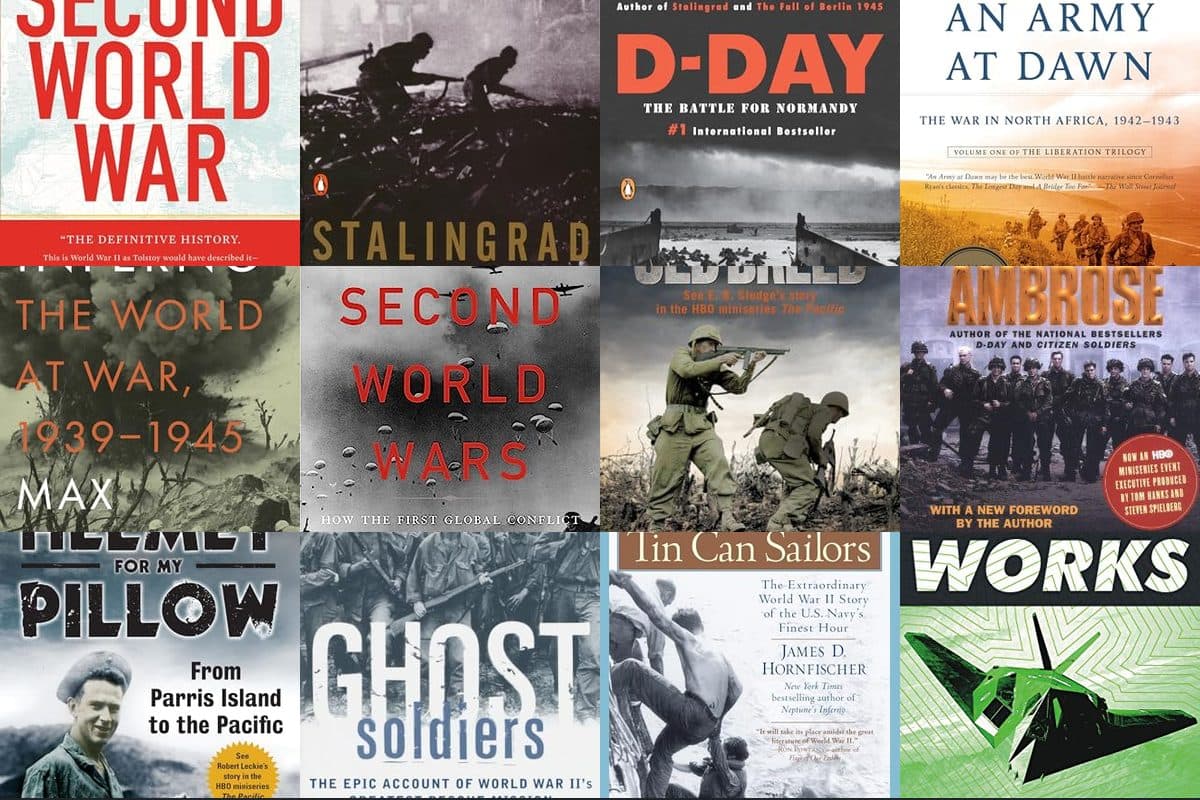
15 essential WW2 books covering every theater. Narrative histories, memoirs, and visual references ranked.
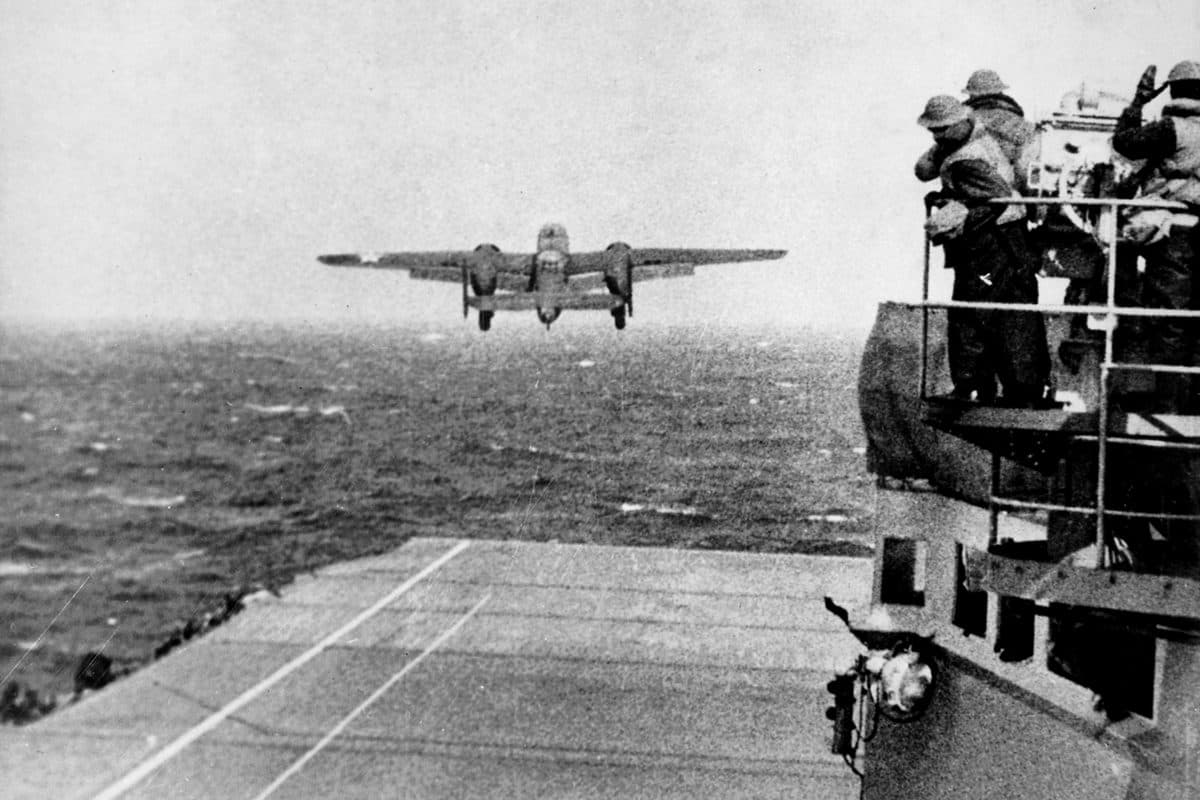
On April 18, 1942, sixteen B-25 Mitchell bombers did something no one thought possible: they launched from the deck of an aircraft carrier, flew 650 miles to Japan, and bombed Tokyo. Every aircraft was lost. The damage was negligible. The consequences changed the war.
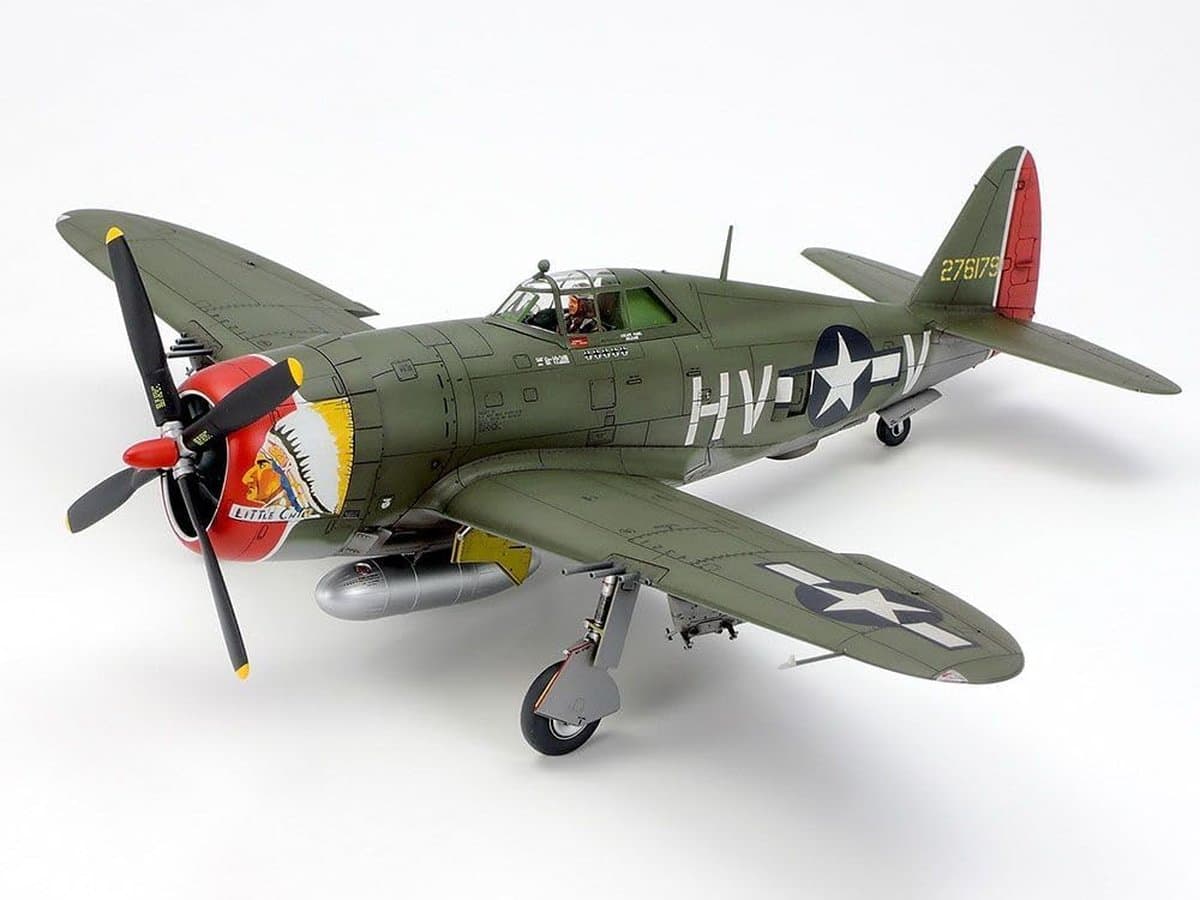
Compare 85+ WW2 scale model kits across aircraft, tanks, and ships. Beginner builds from $9 to museum-grade showpieces at $580. Covers Tamiya, Eduard, HK Models, Trumpeter, and more with honest reviews, trade-offs, and pricing.