Naval power projection remains central to global military strategy. From aircraft carrier strike groups to submarine warfare, explore the ships, tactics, and maritime strategies that control the world's oceans and sea lanes.
Naval warfare has shaped the global balance of power for centuries, and modern navies remain the primary instrument of military force projection across the world's oceans. Aircraft carrier strike groups, nuclear-powered submarines, and guided-missile destroyers like the Arleigh Burke class form the backbone of maritime strategy, platforms capable of projecting power thousands of miles from home waters and controlling the sea lanes that sustain global commerce.
Our naval coverage examines warships, submarines, and maritime strategy from every era and every major navy. From the Virginia-class submarines patrolling beneath the Pacific to China's rapidly expanding fleet of Type 055 destroyers, we analyze the platforms, weapons systems, and tactical doctrines that determine who controls the seas. Explore the engineering behind nuclear submarine propulsion, the anti-ship missile threat reshaping carrier operations, and the historic naval battles, from Midway to the Falklands, that proved the decisive role of sea power in modern conflict.
From the Military Machine catalog
Top picks for Naval
Hand-picked from our gear guides, ranked for relevance to this topic.
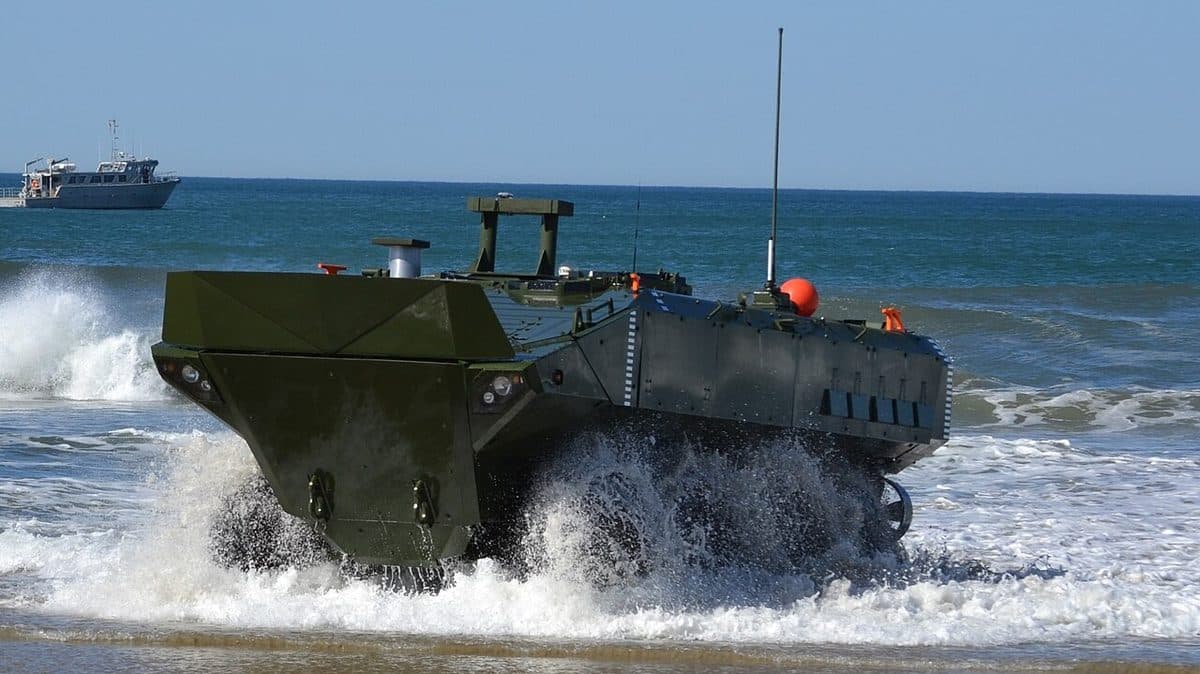
On July 30, 2020, nine Marines and a sailor drowned when their 48-year-old amphibious vehicle sank during a routine training exercise. The vehicle had been in service since before any of them were born.
Hunting a submarine from 30,000 feet sounds impossible. The P-8 Poseidon does it every day, using sonobuoys, radar, and classified sensor fusion that turns the ocean into a transparent map.
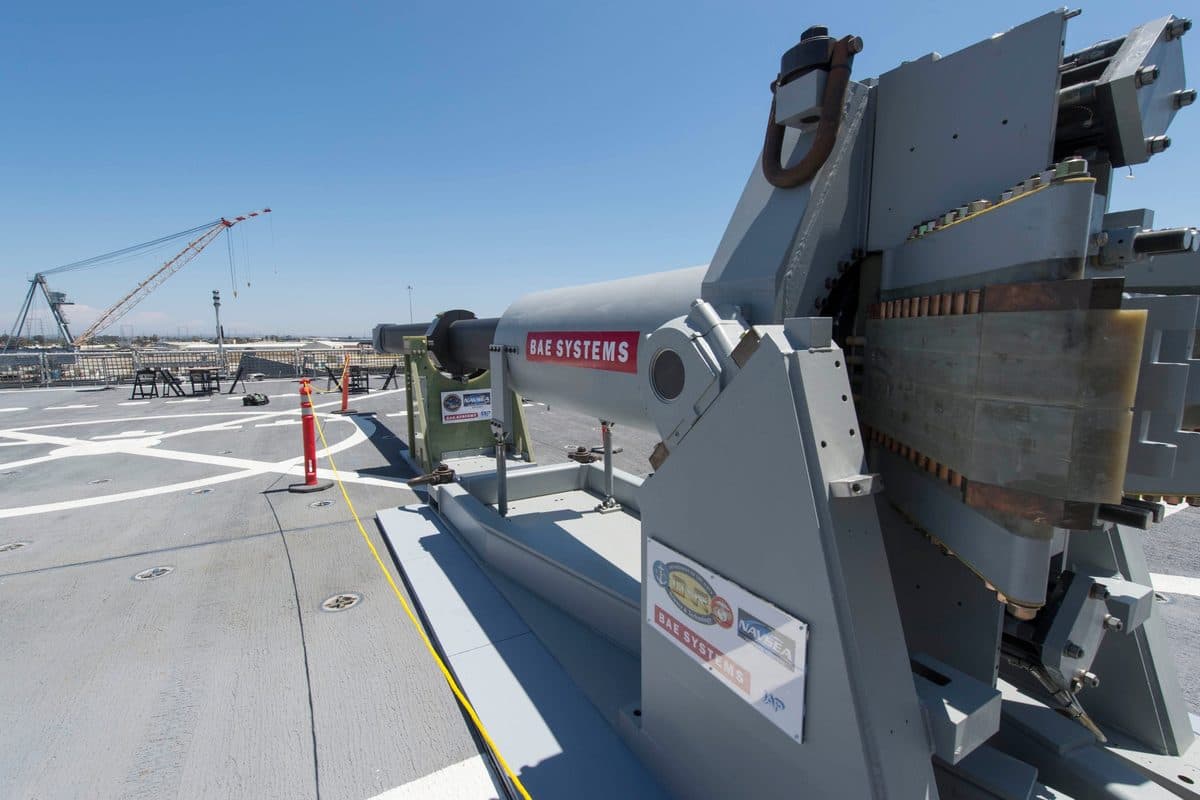
The railgun worked. It fired projectiles at Mach 6 using electromagnetic force instead of explosives. It just destroyed itself every time it did it. After $500 million and 15 years, the Navy cancelled the program, then took the railgun's ammunition and put it in a conventional gun. Here's what went wrong, and what the failure actually produced.
Every one of these warships was designed to survive exactly the kind of attack that killed it. From HMS Hood's catastrophic magazine explosion to the Moskva's failure against the missiles it was built to intercept, these ten ships proved that no design survives the gap between theory and combat.
By the time the Phalanx CIWS fires, everything else has already failed. Every missile battery, every decoy, every jammer. It is the last 2 seconds between an incoming missile and the ship. The 20mm Gatling gun fires 75 rounds per second on full automatic, guided by its own radar. If it misses, the missile hits the ship. Here is how the system works, why it sometimes fails, and what the Navy has built to replace it.
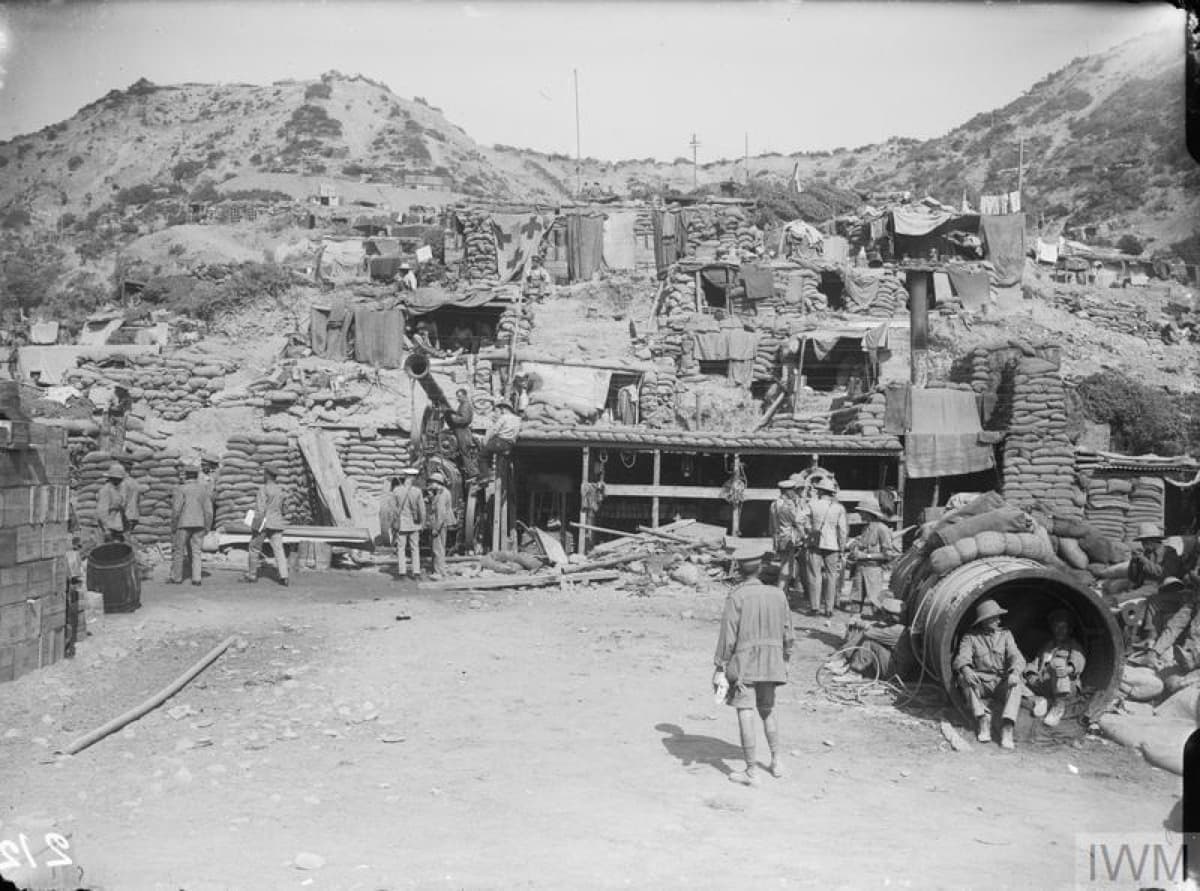
473,000 casualties over a peninsula 30 miles long. Eight months of trench warfare on cliffsides. And in the end, nothing changed, except the national identity of Australia, New Zealand, and modern Turkey. The Gallipoli campaign of 1915 remains one of the most consequential military failures in history.
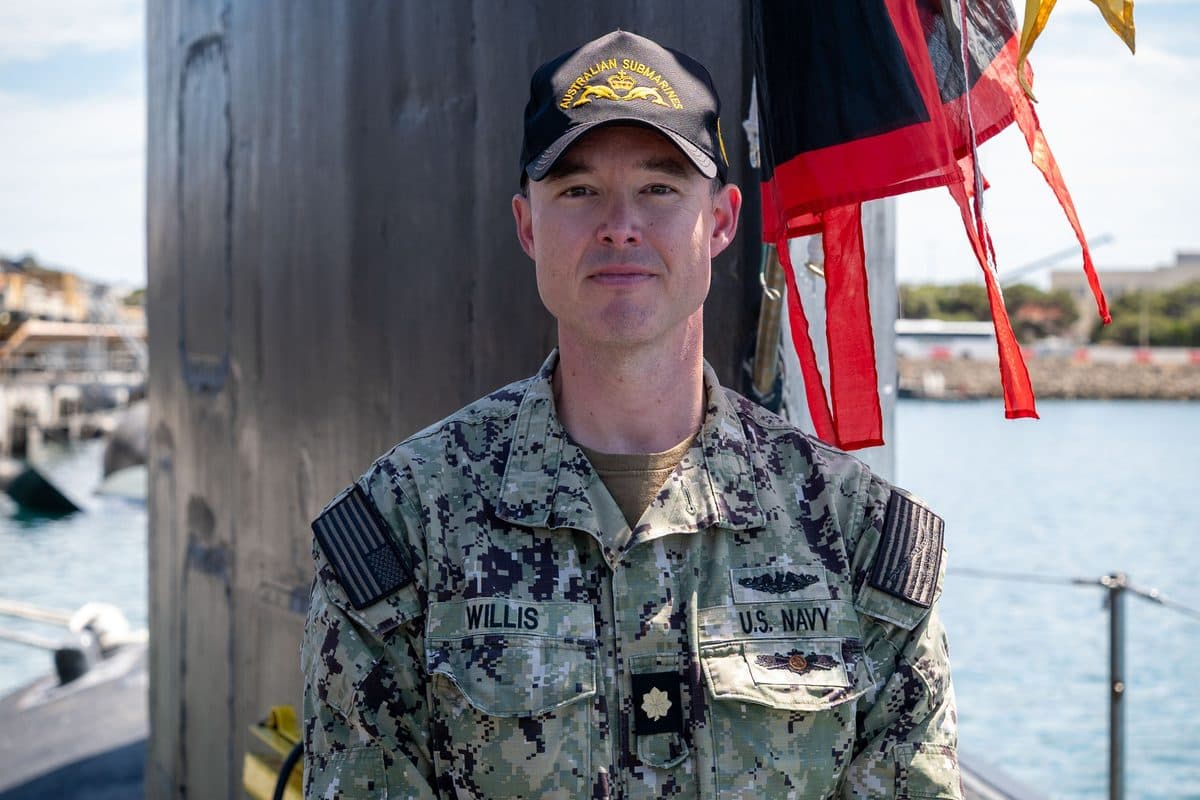
$368 billion Australian dollars. Three decades of construction. Nuclear-powered submarines that Australia has never operated before. The AUKUS Pillar 1 deal is the most expensive military procurement in the Southern Hemisphere's history, and the three-phase plan reveals why the U.S. is willing to sell from its own constrained submarine production line.
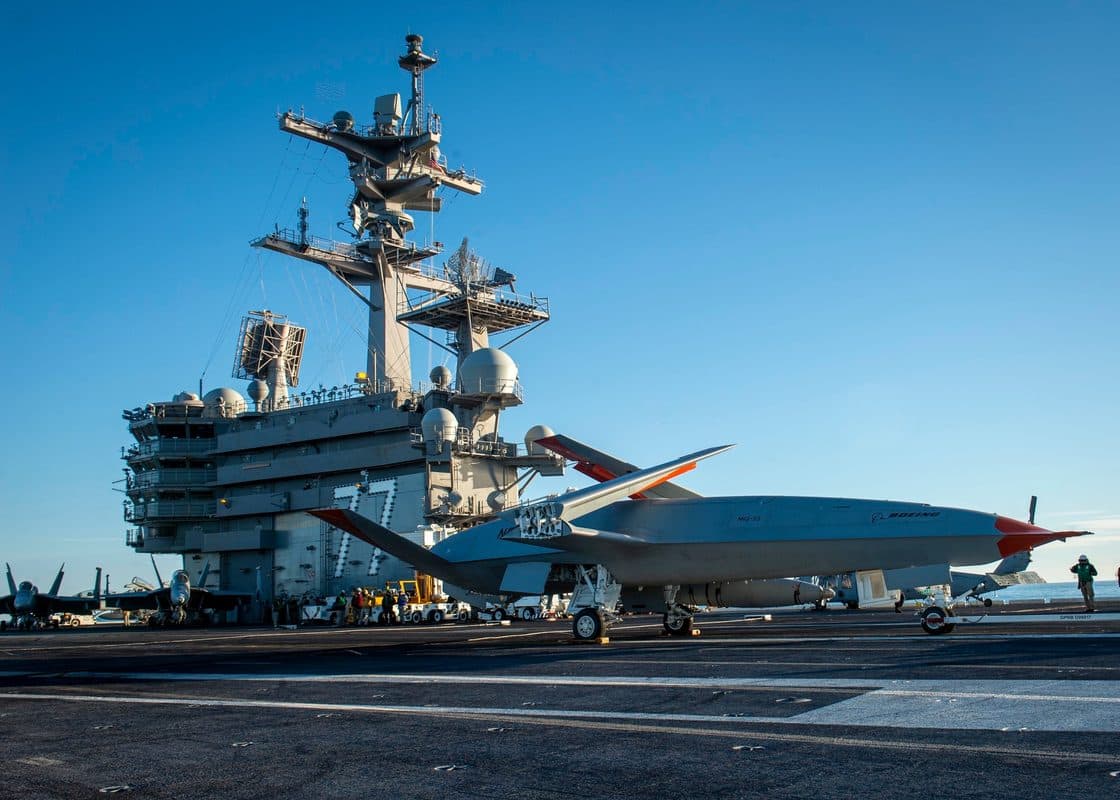
The Navy's most important drone won't fire a single weapon. The MQ-25A Stingray is a carrier-based unmanned tanker that delivers 15,000 pounds of fuel at 500 nautical miles, freeing up F/A-18s from tanking duty and extending the carrier air wing's strike range by 300-400 miles.
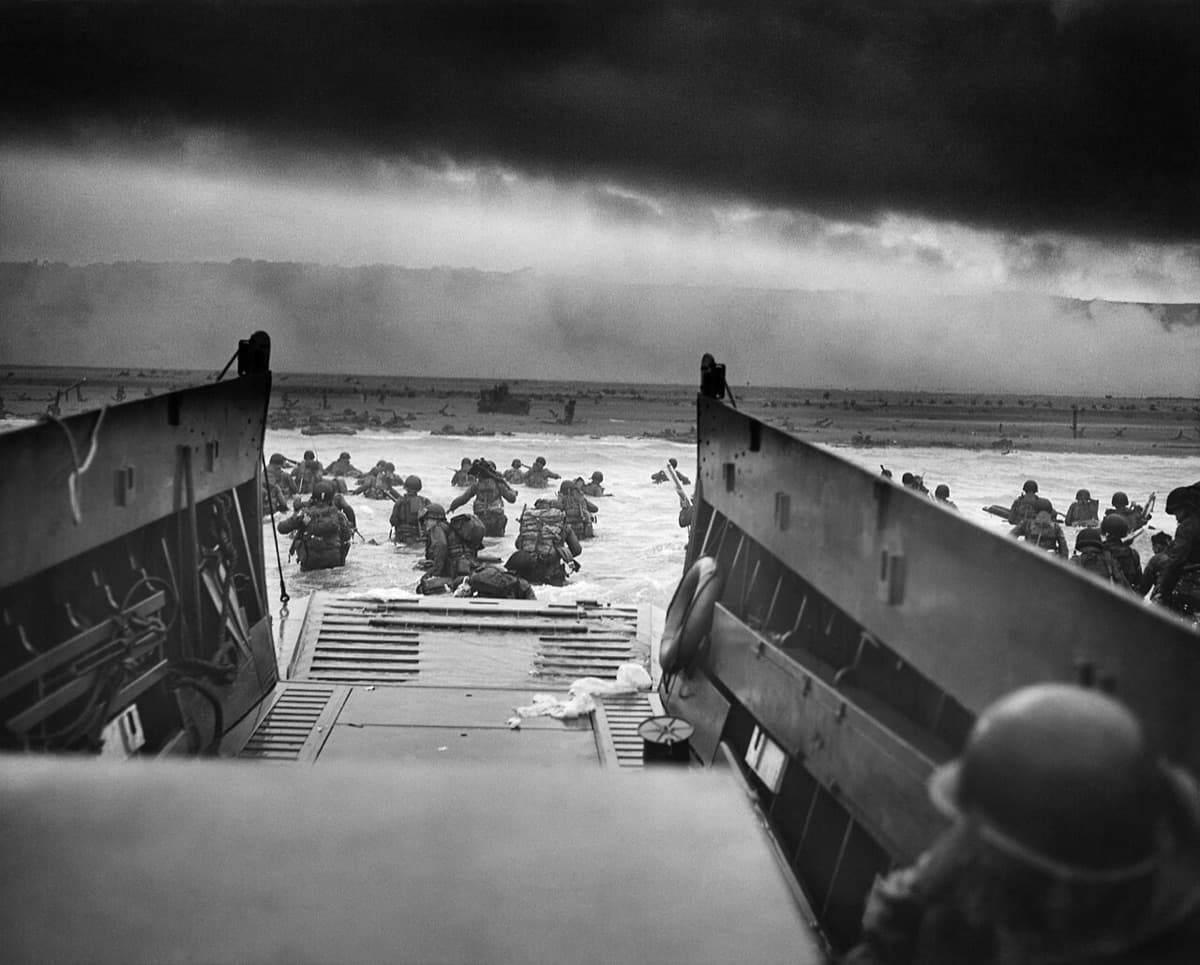
Attacking from the sea is the hardest operation in warfare. The defenders know you're coming, the beach is a kill zone, and everything that can go wrong usually does. These 8 amphibious assaults succeeded anyway, and changed the course of history.
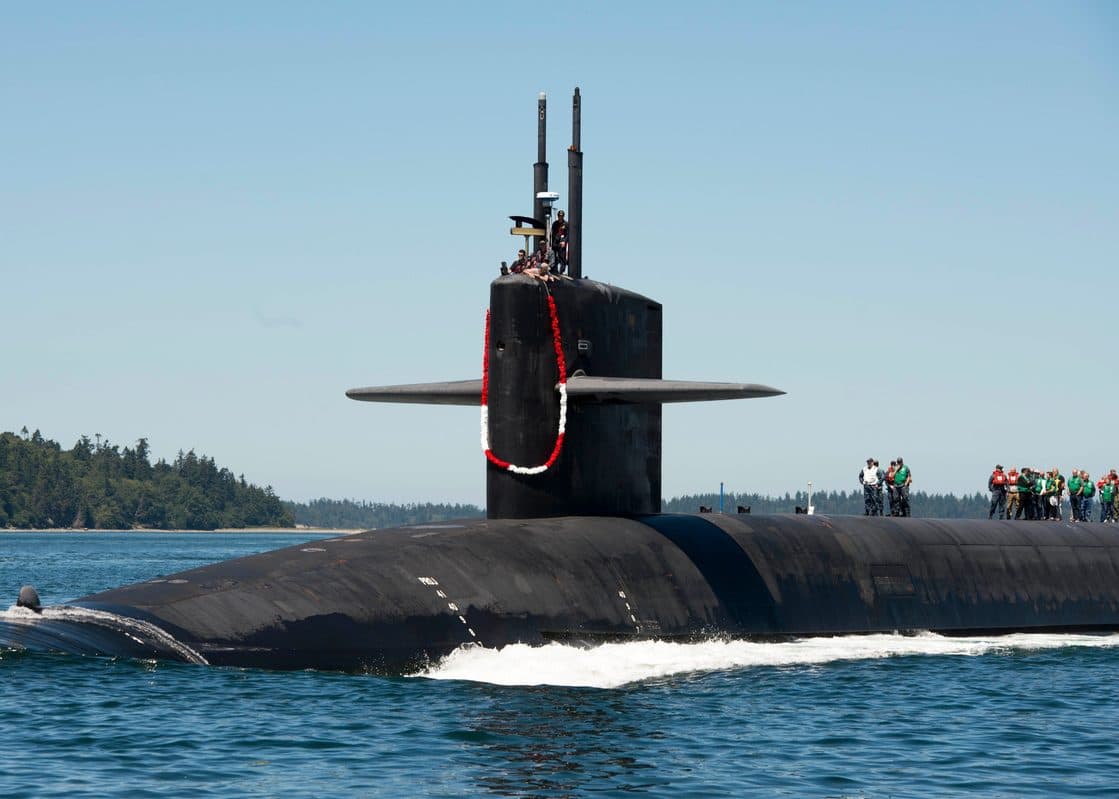
No sunlight. No phone calls. No fresh air for 90 days. Life aboard a nuclear submarine is the most isolated existence in the U.S. military, and the crews who do it wouldn't trade it for anything. Here's what it's actually like.
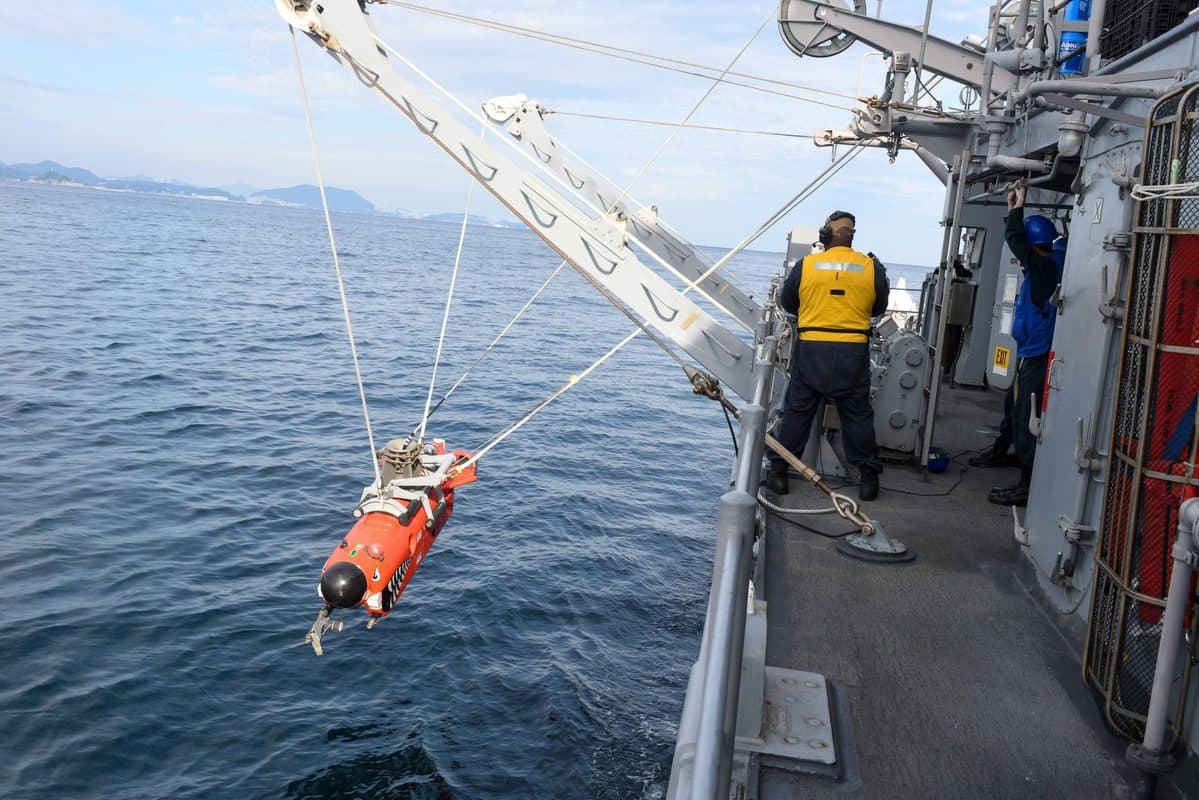
A $25,000 naval mine can stop a $13 billion aircraft carrier. And there is no reliable way to find every one. Mine warfare is the cheapest, most asymmetric weapon in naval combat, and the U.S. Navy has spent decades neglecting the one capability that could shut down the world's most critical shipping lanes overnight.
A carrier strike group defends itself through seven overlapping layers of defense. An incoming missile has to survive every single one to reach the carrier. Here's how each layer works, what it's designed to stop, and what happens when a threat gets through.