


15 Best World War II Books for History Enthusiasts (2026)
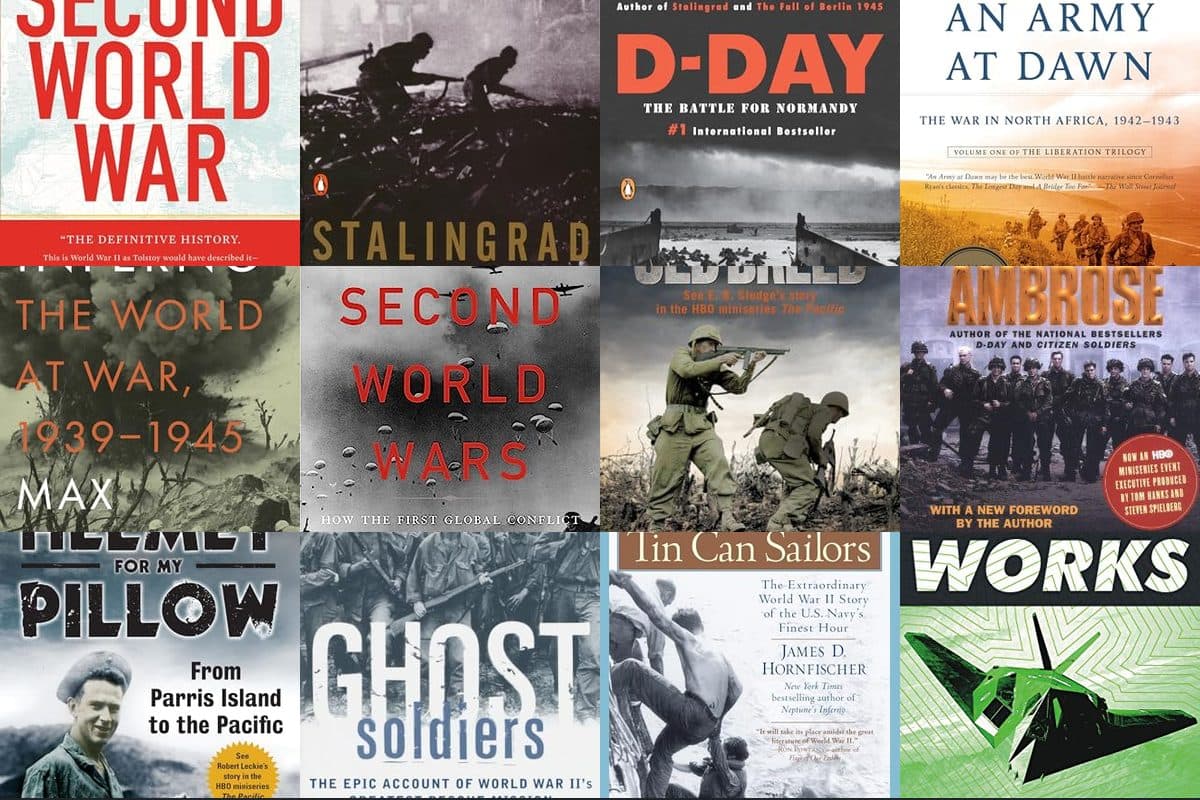
15 essential WW2 books covering every theater. Narrative histories, memoirs, and visual references ranked.
daniel-mercer··21 min read

An English army under King Edward III, including the first large-scale use of the longbow in continental warfare, decisively defeated a much larger French force at Crécy in northern France. The battle inaugurated a revolution in European warfare, proving that disciplined infantry with missile weapons could destroy armored cavalry, the dominant military force for centuries.
Seljuk Turkish forces under Alp Arslan defeated and captured Byzantine Emperor Romanos IV Diogenes at Manzikert in eastern Anatolia. The defeat opened Asia Minor to Turkish settlement, eventually leading to the transformation of Anatolia from a Greek Christian to a Turkish Muslim region and the eventual fall of Constantinople in 1453.
An English army under King Edward III, including the first large-scale use of the longbow in continental warfare, decisively defeated a much larger French force at Crécy in northern France. The battle inaugurated a revolution in European warfare, proving that disciplined infantry with missile weapons could destroy armored cavalry, the dominant military force for centuries.
The French National Constituent Assembly adopted the Declaration of the Rights of Man and of the Citizen on August 26, 1789, establishing constitutional principles that would reshape European military law for the following two centuries and provide the philosophical foundation for modern international humanitarian law.
The volcanic island of Krakatoa in the Sunda Strait erupted catastrophically on August 26-27, 1883, killing approximately 36,000 people and producing atmospheric effects that shaped nineteenth and twentieth century military meteorology, particularly long-range acoustic propagation studies used in both world wars.
German forces under Generals Hindenburg and Ludendorff began the encirclement of the Russian Second Army at Tannenberg in East Prussia. The resulting battle, completed by August 30, was one of the most devastating encirclements in military history, virtually the entire Russian army was destroyed, with 92,000 captured and 78,000 killed or wounded.
Secretary of State Bainbridge Colby certified the 19th Amendment to the U.S. Constitution, officially granting women the right to vote. The certification came eight days after Tennessee's ratification and marked the culmination of a decades-long movement that had been energized by women's contributions to the World War I effort.
Charles de Gaulle led a triumphant march from the Arc de Triomphe to Notre-Dame Cathedral to celebrate the liberation of Paris. Sniper fire erupted during the procession and inside the cathedral, but de Gaulle walked on calmly, establishing his authority as the leader of liberated France through sheer force of personality.
Romania formally declared war on Nazi Germany on August 26, 1944, three days after King Michael I led a coup that deposed Ion Antonescu's pro-Axis regime. The Romanian defection shifted approximately 30 divisions to the Allied side and accelerated Soviet advances into the Balkans in the final year of the war.
The Soviet Union announced on August 26, 1957, that its R-7 intercontinental ballistic missile had completed successful flight testing at the Baikonur Cosmodrome. The announcement triggered the most urgent American military technology response of the Cold War and produced the operational missile that would later launch Sputnik 1 on October 4, 1957.
Italian Cardinal Albino Luciani was elected Pope John Paul I on August 26, 1978, beginning what became the shortest papal reign of the twentieth century. His successor John Paul II would subsequently play a significant role in the political and moral confrontation with Soviet communism that helped end the Cold War.

French chemist known as the "Father of Modern Chemistry" who served as a tax collector under the ancien régime. His scientific work revolutionized understanding of gunpowder and explosives. He was guillotined during the Reign of Terror, the revolutionary tribunal president reportedly declared "The Republic has no need of scientists."

American inventor of the audion vacuum tube, which made radio communication possible. His invention transformed military communications, enabling real-time battlefield coordination, naval fleet coordination, and eventually radar, technologies that were decisive in both world wars.

Blind King of Bohemia who insisted on fighting at Crécy despite his inability to see. He ordered his knights to lead his horse into the thickest fighting so he could strike a blow. He was killed in the French charges, and Edward the Black Prince adopted his emblem, three white feathers and the motto "Ich dien" (I serve), which remains the badge of the Prince of Wales.
Wear the Timeline
10 military events occurred on August 26, spanning multiple centuries. Key events include: Battle of Crécy (1346), 19th Amendment Certified, Women's Suffrage (1920), Battle of Tannenberg Begins (1914), De Gaulle Marches Down the Champs-Élysées (1944), Battle of Manzikert (1071).
The most significant military event on August 26 is Battle of Crécy (1346). An English army under King Edward III, including the first large-scale use of the longbow in continental warfare, decisively defeated a much larger French force at Crécy in northern France. The battle inaugurated a revolution in European warfare, proving that disciplined infantry with missile weapons could destroy armored cavalry, the dominant military force for centuries.
Notable military figures born on August 26 include Antoine Lavoisier (1743–1794), Lee De Forest (1873–1961).
Events on August 26 span the Colonial & Revolutionary era, World War I, World War II, the Cold War, the Civil War, covering 10 events across 5 centuries of military history.
Events on August 26 involve 3 branches of the U.S. and allied armed forces, reflecting the global scope of military operations throughout history.
Explore military history from the day you were born.
June 6
The Allied invasion of Normandy, the largest amphibious assault in history.
December 7
Japan attacks the U.S. Pacific Fleet, bringing America into World War II.
September 11
The deadliest terrorist attack in history transforms U.S. national security.
August 6
The first atomic bomb is dropped on a city, ushering in the nuclear age.
May 8
Nazi Germany surrenders unconditionally, ending World War II in Europe.
November 11
Armistice Day marks the end of World War I and honors all who served.
June 4
The turning point of the Pacific War as the U.S. Navy destroys four Japanese carriers.
July 4
The Declaration of Independence is adopted, sparking the American Revolution.
15 essential WW2 books covering every theater. Narrative histories, memoirs, and visual references ranked.
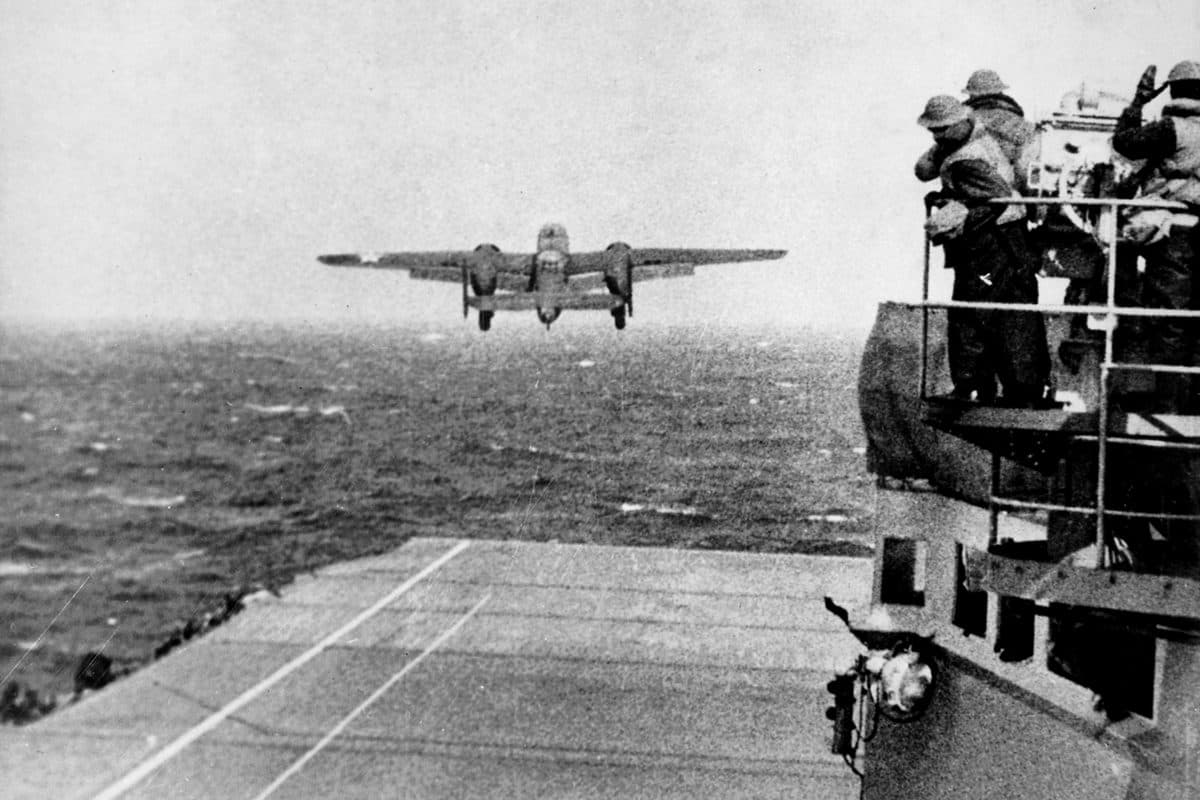
On April 18, 1942, sixteen B-25 Mitchell bombers did something no one thought possible: they launched from the deck of an aircraft carrier, flew 650 miles to Japan, and bombed Tokyo. Every aircraft was lost. The damage was negligible. The consequences changed the war.
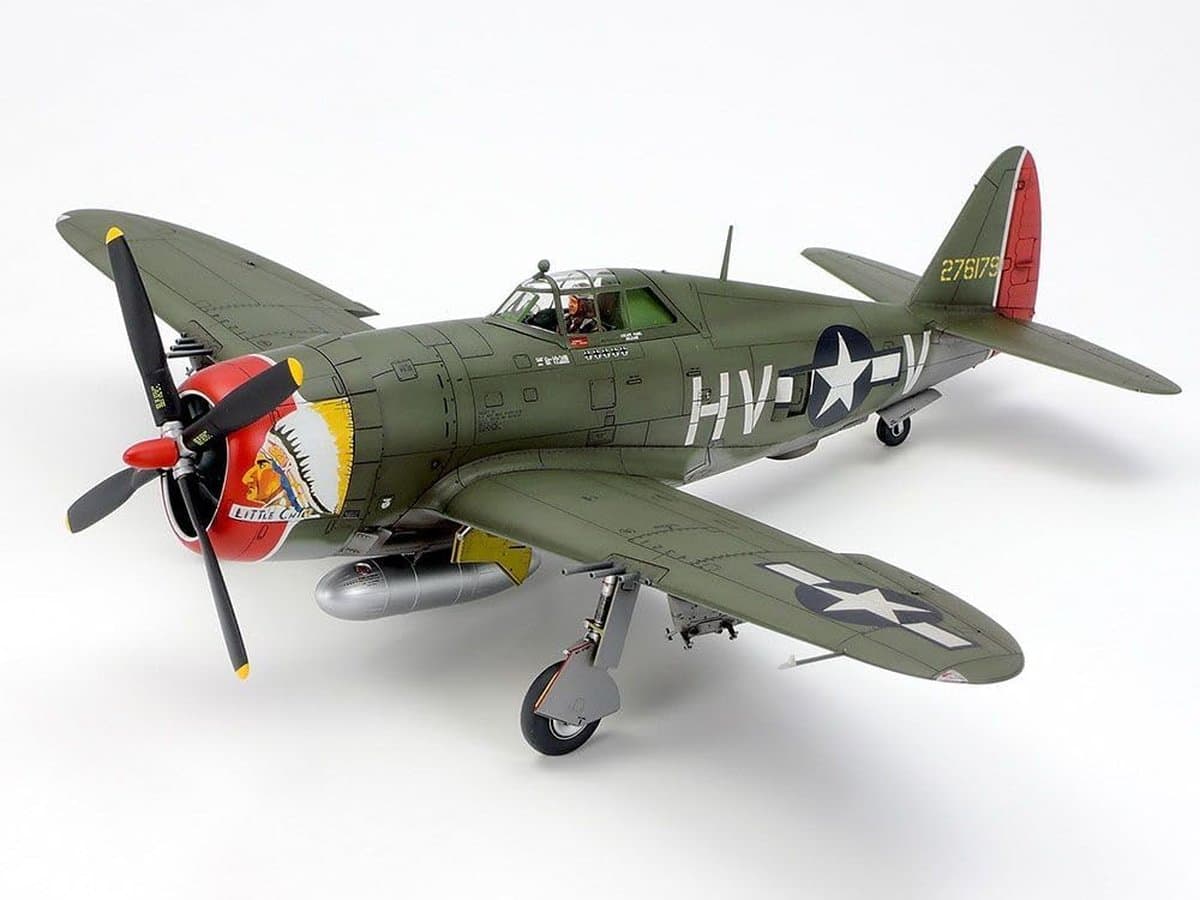
Compare 85+ WW2 scale model kits across aircraft, tanks, and ships. Beginner builds from $9 to museum-grade showpieces at $580. Covers Tamiya, Eduard, HK Models, Trumpeter, and more with honest reviews, trade-offs, and pricing.

On April 7, 1945, the Imperial Japanese Navy sent the largest battleship ever built on a one-way suicide mission to Okinawa. She never arrived. 386 American aircraft found her first, and sank her in under two hours.